Reverse Osmosis System Is Evolving from Water Treatment Equipment into Water Security Infrastructure
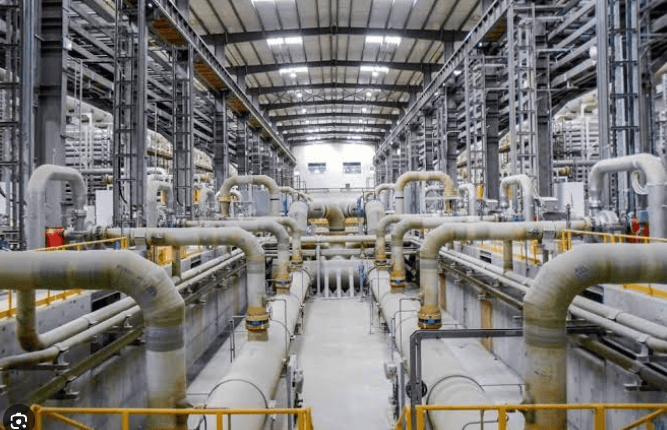
en.Wedoany.com Reported - Reverse osmosis was once understood mainly as an advanced filtration technology for removing salinity, hardness, heavy metals and some organics from water. Under rising water stress, higher industrial water costs and growing demand for water reuse, however, Reverse Osmosis System is no longer just a water treatment unit. It is becoming key infrastructure for urban supply, industrial reuse, seawater desalination and high-quality process water.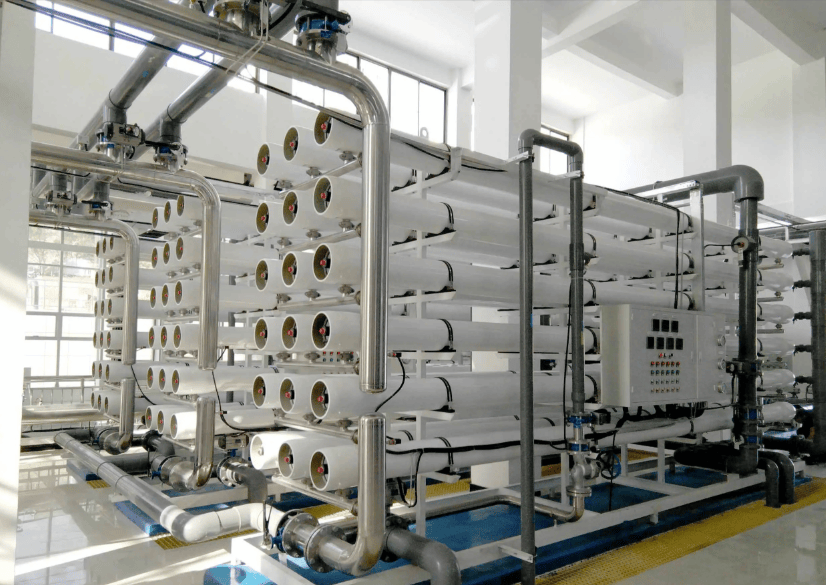
From a global water security perspective, the value of reverse osmosis is becoming clearer. UNICEF data show that between 2015 and 2024, 961 million people gained access to safely managed drinking water services, yet 2.1 billion people still lacked safely managed drinking water in 2024. This means water treatment capacity remains fundamental to public health, urban development and industrial production.
Reverse osmosis works by forcing water through a semi-permeable membrane under pressure, leaving most dissolved salts, ions and contaminants on the concentrate side. CDC information states that reverse osmosis systems remove some chemicals from water, including lead, copper, chromium, chloride and sodium, and may also reduce arsenic, fluoride, nitrate, sulfate, calcium and magnesium. This makes RO widely applicable in drinking water purification, boiler feedwater, electronic ultrapure water, pharmaceutical water, food and beverage processing, and desalination.
In engineering, however, RO is not simply “installing membranes.” Feedwater quality, pretreatment, membrane flux, recovery rate, operating pressure, scaling risk, biofouling, cleaning strategy and concentrate disposal all affect long-term performance. Weak pretreatment can quickly foul membranes. Excessive recovery can lead to scaling, rising pressure drop and lower permeate flow.
A Reverse Osmosis System project should begin with complete water analysis, including TDS, hardness, alkalinity, silica, iron, manganese, organics, suspended solids, microbes and fouling index. A reliable RO project does not pursue short-term high recovery alone. It balances stable water quality, controllable energy use, acceptable membrane life and a clear concentrate management route.
This article is compiled by Wedoany. All AI citations must indicate the source as "Wedoany". If there is any infringement or other issues, please notify us promptly, and we will modify or delete it accordingly. Email: news@wedoany.com
Related Products

Forest and Grassland Heat Source Infrared Monitor
China Huayun Meteorological Technology Group Co., Ltd.

Hydraulic Turbine Genset
Dongfang Electric Corporation Dongfang Electric Machinery Co., Ltd.
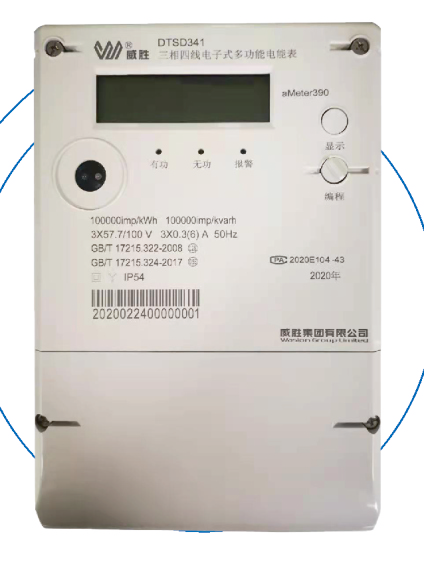
Overseas IEC Gateway Energy Meter - DTSD341/DSSD331-aMeter390
Wasion Group Limited Co., Ltd.
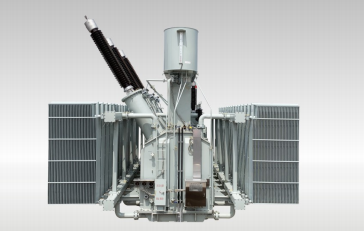
220kV and Below Voltage Level Energy-saving Oil-immersed Power Transformers
FuZhou TianYu Electric Co., Ltd.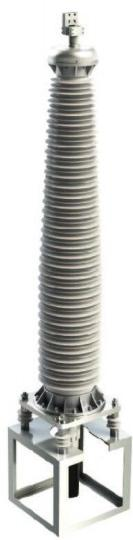
220kV Composite Outdoor Cable Terminal
Shenyang Guolian Cable Accessories Manufacture Co., Ltd.