In Industrial Wastewater Reuse, Reverse Osmosis System Stabilizes Water Quality and Reduces Freshwater Demand
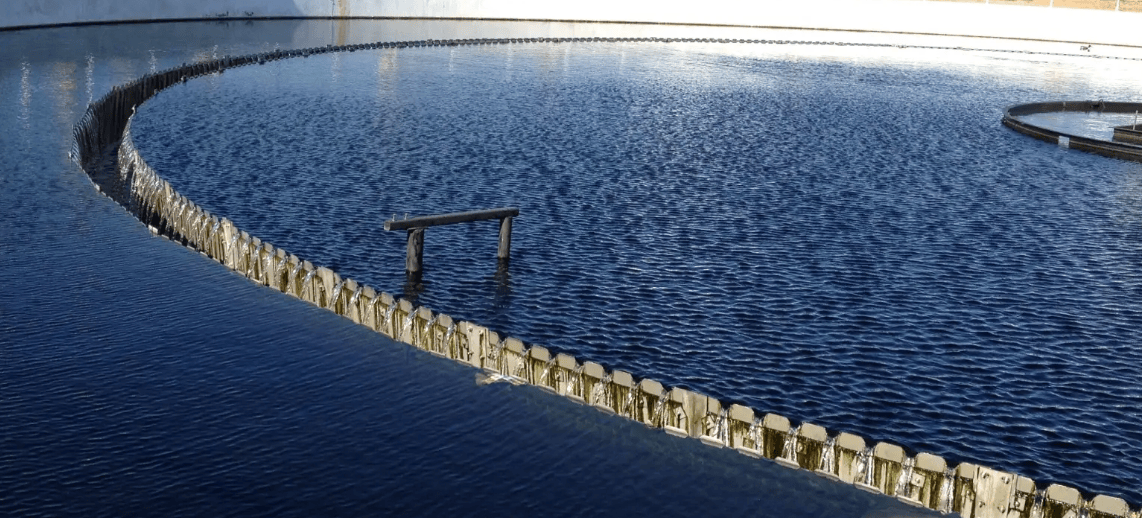
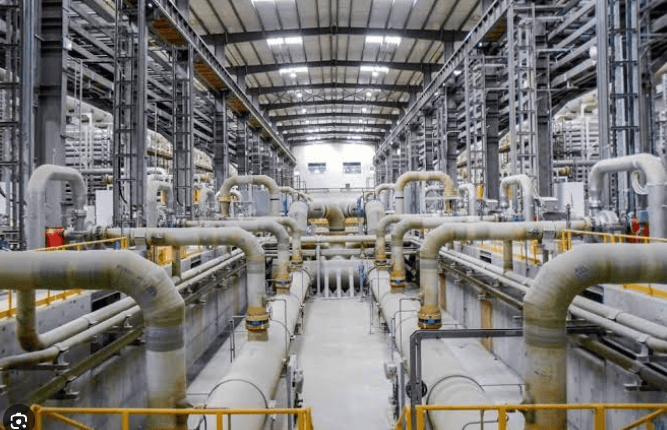
en.Wedoany.com Reported - Industrial water use is moving from a linear model of intake, use and discharge toward a circular model of classified treatment, reuse and discharge reduction. In this transition, Reverse Osmosis System is important for advanced industrial wastewater treatment and reuse, especially where conductivity, salinity, hardness and dissolved contaminants must be tightly controlled.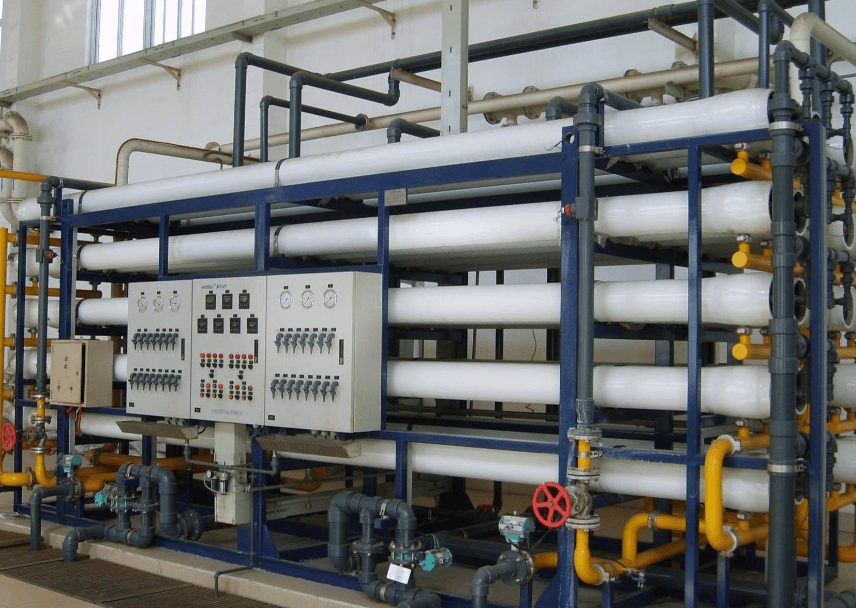
The drivers are clear. In water-scarce regions, new water withdrawal permits are harder to obtain. Water-intensive industries face rising water fees, discharge costs and compliance pressure. Industrial parks and large factories also need reuse to reduce external supply risk. RO can further desalinate wastewater after pretreatment and biological treatment, producing water for cooling makeup, boiler feed, cleaning or some process uses.
Industrial wastewater RO is more complex than ordinary drinking water RO. Wastewater may contain refractory organics, oil, surfactants, silica, calcium-magnesium hardness, heavy metals, microbes and high salinity. Without coagulation, sedimentation, filtration, ultrafiltration, softening, oil removal or advanced oxidation, RO membranes can suffer organic fouling, colloidal fouling, scaling and biofouling.
CDC information notes that reverse osmosis can remove some salts and chemicals, but system labels should be checked for specific chemicals removed. For industrial projects, this means designers cannot rely on the general idea that RO purifies water. Pilot testing and membrane fouling assessment should be based on actual wastewater composition.
Industrial reuse Reverse Osmosis System design should prioritize stable pretreatment. SDI, turbidity, COD, oil, hardness and microbes entering membranes must be controlled before pursuing high recovery. For high-salinity wastewater, concentrate reduction, evaporation-crystallization or resource recovery must be planned; otherwise, RO simply converts water treatment into brine disposal.
Future industrial reuse competitiveness will not be measured only by reuse rate. It will depend on stable reclaimed water, controllable operating cost, clear concentrate disposal and long-term low-failure operation. Mature RO engineering is essentially water quality management, not only membrane equipment installation.
This article is compiled by Wedoany. All AI citations must indicate the source as "Wedoany". If there is any infringement or other issues, please notify us promptly, and we will modify or delete it accordingly. Email: news@wedoany.com
Related Products


CAP1400 main feedwater flow nozzle flowmeter.
Jiangsu Hongda Instrument Technology Co., LTD.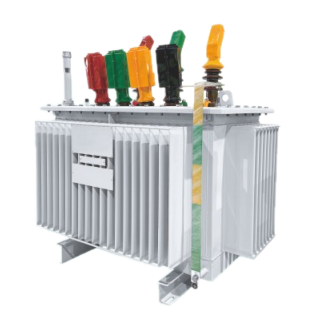
IS(B)□-M·RL Series Oil-immersed 3D Transformer (Planar / 3D Wound Core)
Guangdong Kehua Electric Power Technology Co., Ltd.
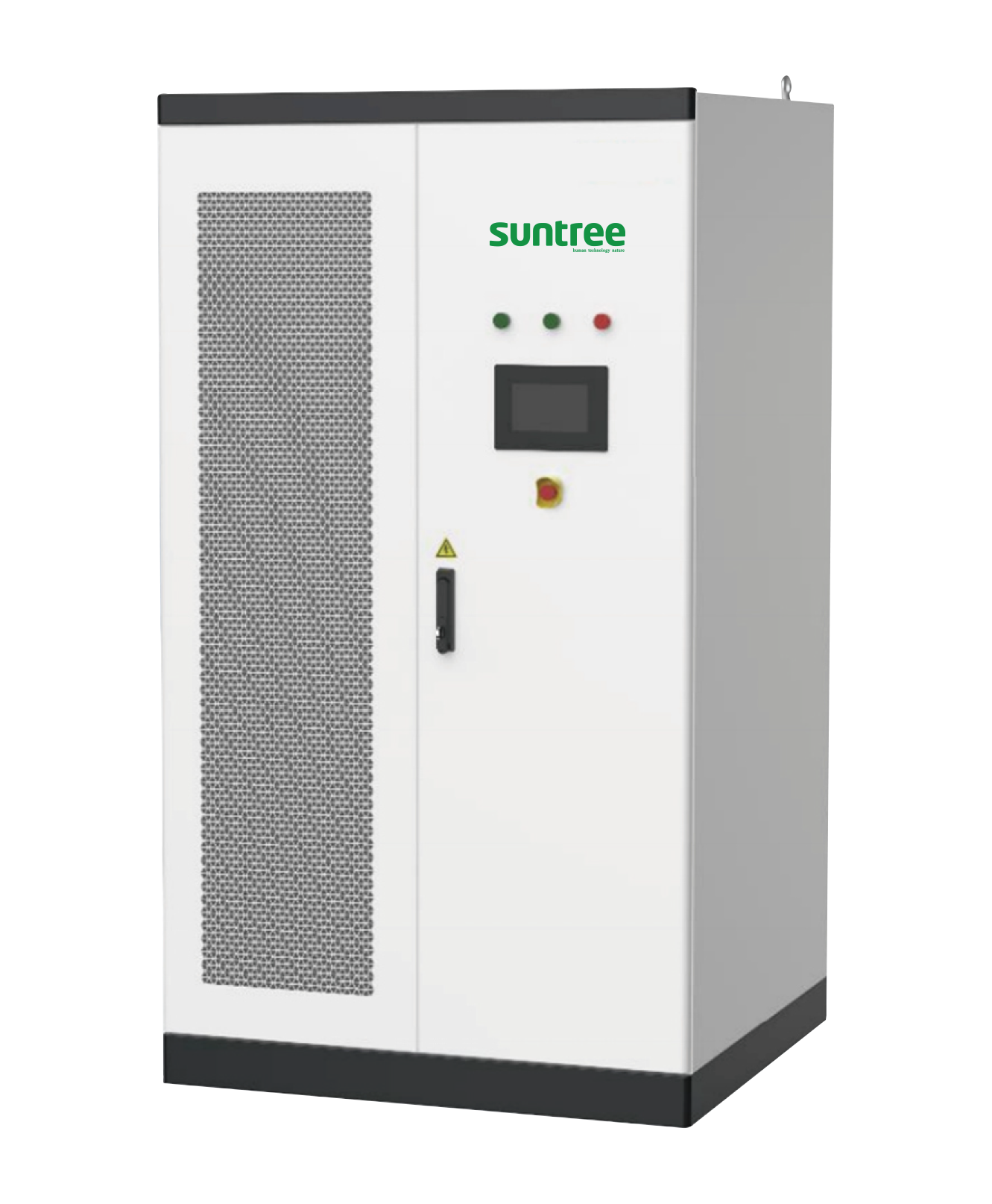
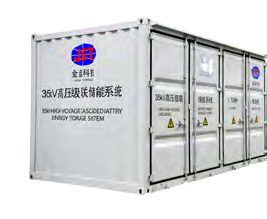
6kV-35kV Medium and High Voltage Direct-Connected Energy Storage System
Hainan Jinpan Smart Technology Co., Ltd.

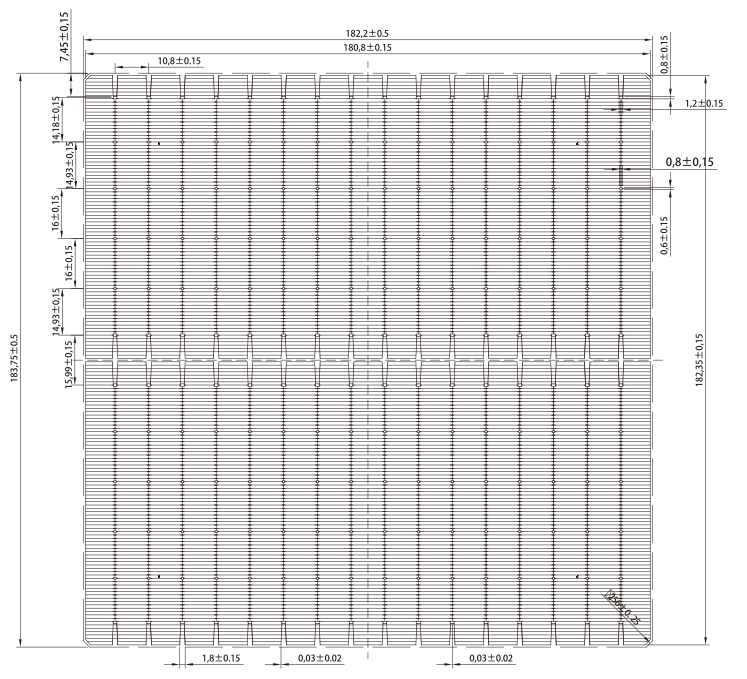
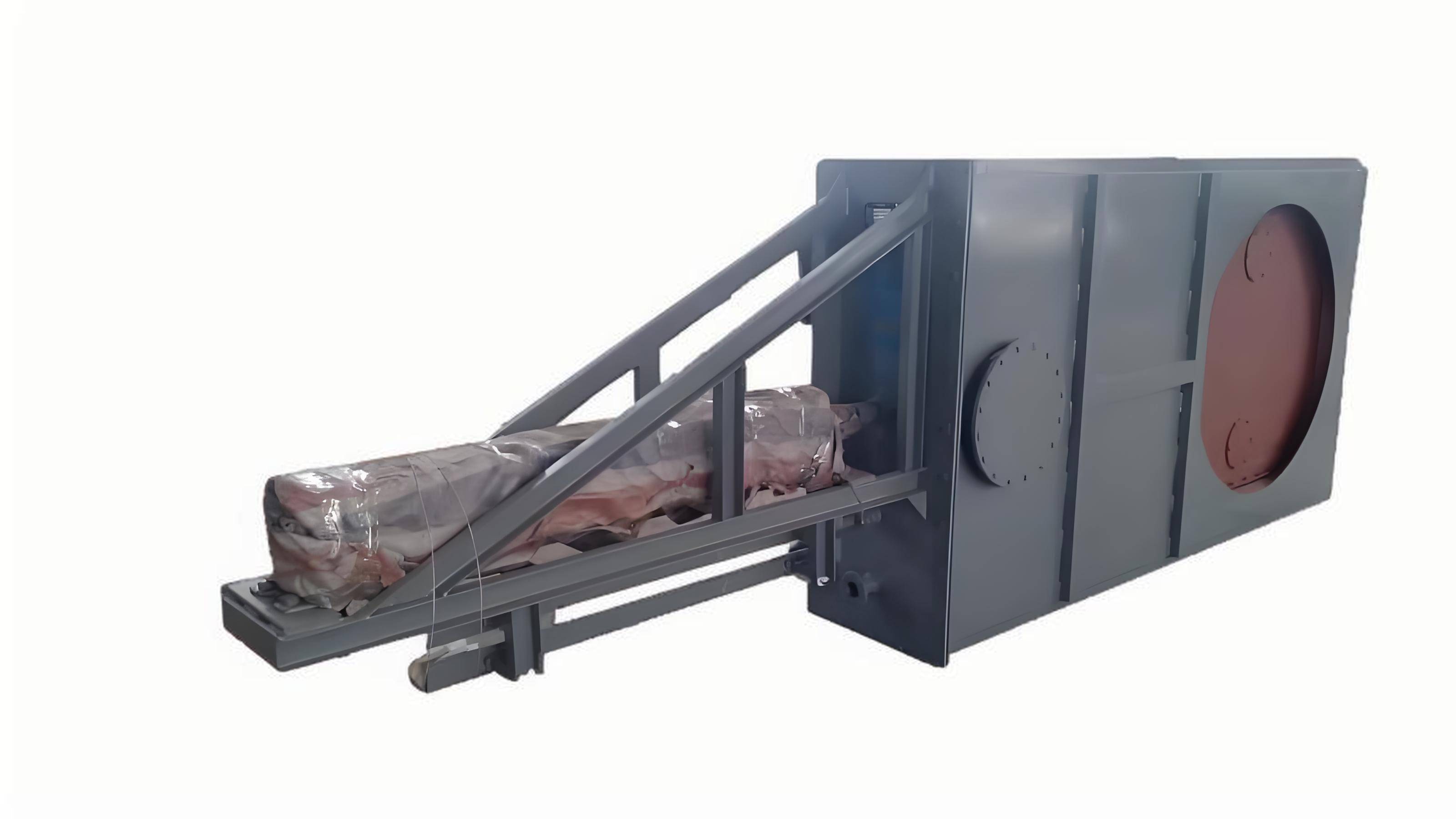
Double-slide Triple-sealed Hot Air Isolation Door
Xi'an Yingchuan Electric Power Equipment Co., Ltd.