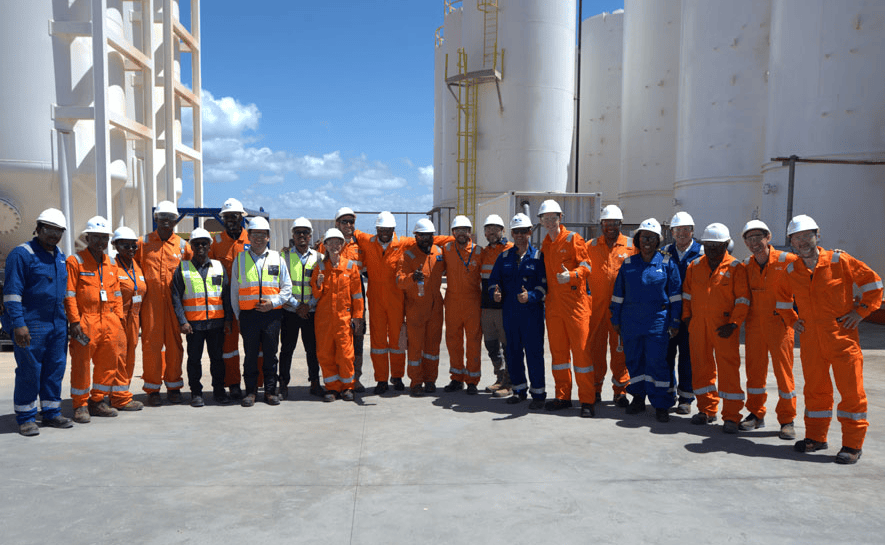
Siemens Energy to Supply 2.6 GW of Equipment for Two Power Plants in Oman
en.Wedoany.com Reported - Siemens Energy will provide main power generation equipment and long-term services for two new combined-cycle gas turbine power plants in Oman, with a total installed capacity of approximately 2.6 GW, boosting the country's power output by nearly 20%.
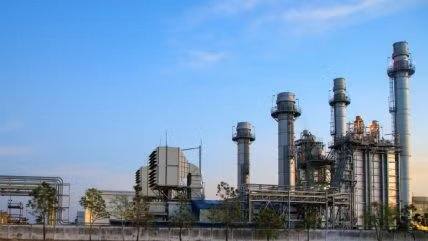
The two plants are located in Misfa, Muscat Governorate, and Duqm, in the Duqm Special Economic Zone of Al Wusta Governorate, aiming to meet growing local electricity demand and provide reliable power to over two million people. The Duqm Special Economic Zone is positioned as an industrial and logistics hub along the Arabian Sea coast.
Under the agreement, Siemens Energy will supply six SGT5-4000F gas turbines and six SGen5-2000P generators, along with a 20-year service agreement. The equipment will be manufactured at Siemens Energy's facilities in Germany, with gas turbines produced in Berlin and generators in Mülheim.
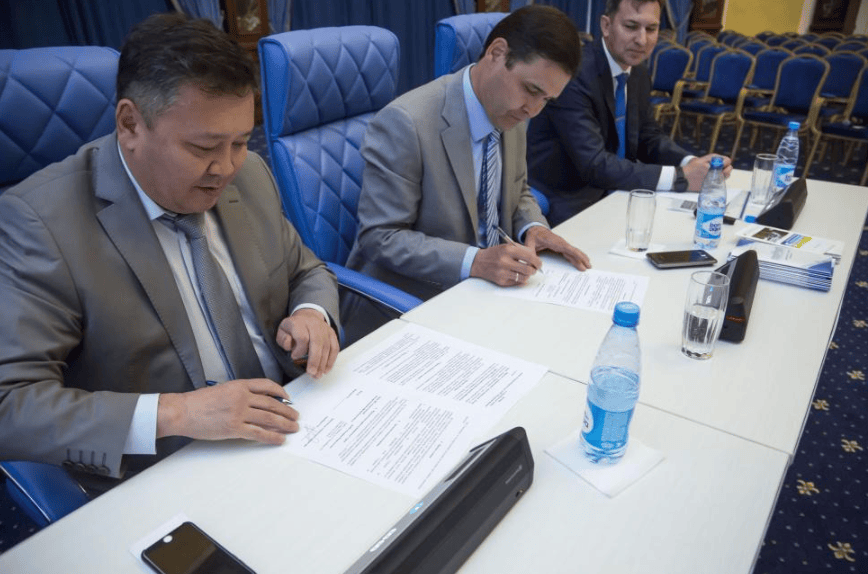
The project is developed by a consortium comprising Etihad Water and Electricity Company, Bahwan Infrastructure Services, Nebras Power Investment Management, and Korea Western Power. Doosan Enerbility, in cooperation with Shandong Electric Power Construction Third Engineering Company (SEPCO-3), is responsible for the engineering, procurement, and construction of the plants. Nama Power and Water Procurement Company will serve as the off-taker for the generated electricity.
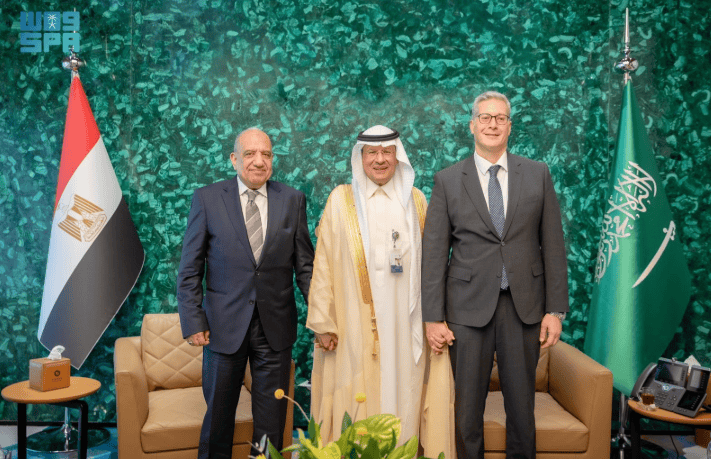
Salim Al Aufi, Oman's Minister of Energy and Minerals, stated at the Siemens Energy gas turbine factory in Berlin that the Misfa and Duqm projects reflect the country's commitment to building a resilient, future-oriented energy system. By deploying advanced gas turbines with hydrogen blending capabilities through collaboration with companies like Siemens Energy, power supply reliability can be enhanced while supporting the strategy to diversify the energy mix.
Karim Amin, Member of the Executive Board of Siemens Energy, noted that as Oman expands its industrial base and power infrastructure, flexible and reliable electricity will play a key role in the next phase, helping to support grid stability and facilitate greater integration of renewable energy into the system.
Related Products

KYN28-12/24 Indoor High-Voltage Metal-Clad Removable Switchgear
Shenzhen Zhaoyang Hui Technology Co., Ltd.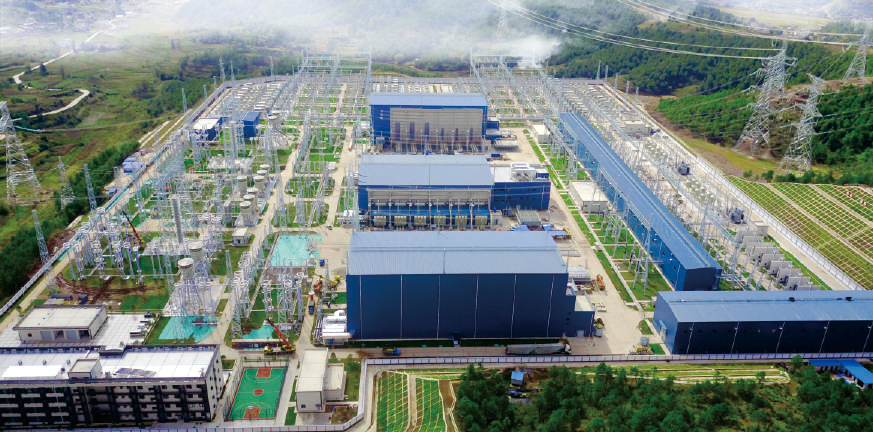
High-voltage Direct Current (HVDC) Transmission System Research and Integrated Design
XI'AN XD POWER SYSTEMS CO., LTD.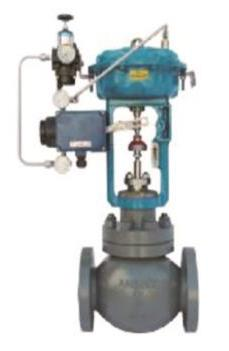
Quick-Change Single-Seat Control Valve / Quick-Change High-Pressure Single-Seat Control Valve
Beijing Consen Automation Technology Co., Ltd.
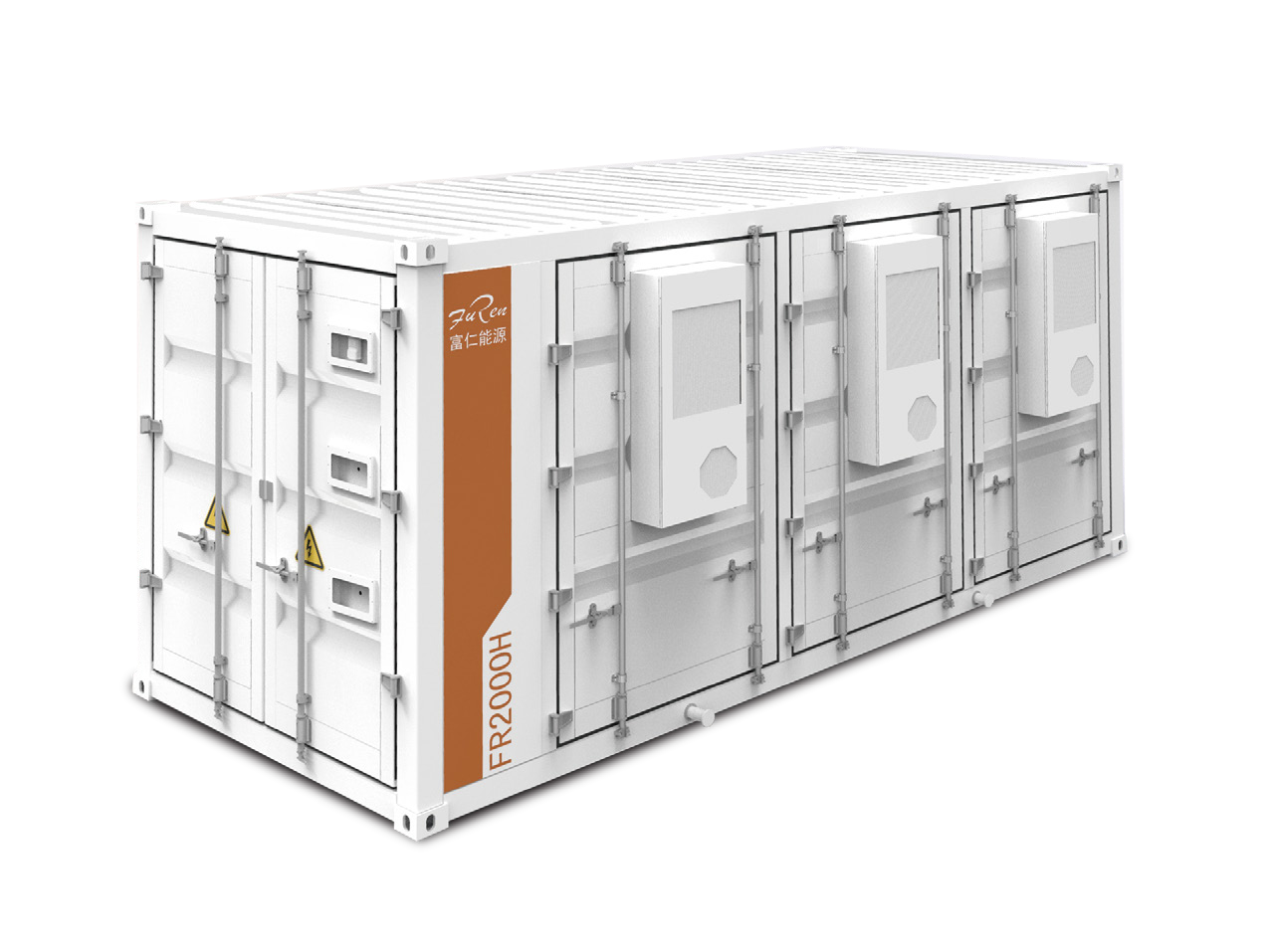
FR2000H 2.15MWh (Air-cooled) 20-foot Containerized Energy Storage System
Jiangyin Furen High-tech Co., Ltd.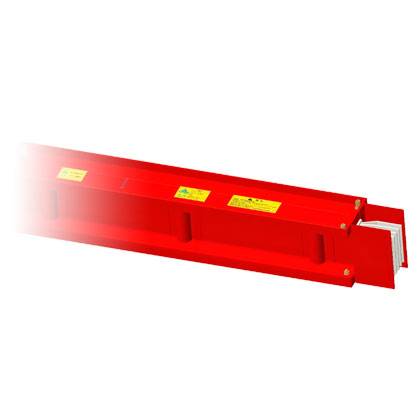
Mineral-insulated Compact Busway (Fire-resistant Busduct)
Zhuhai Guangle Electric Busway Co., Ltd.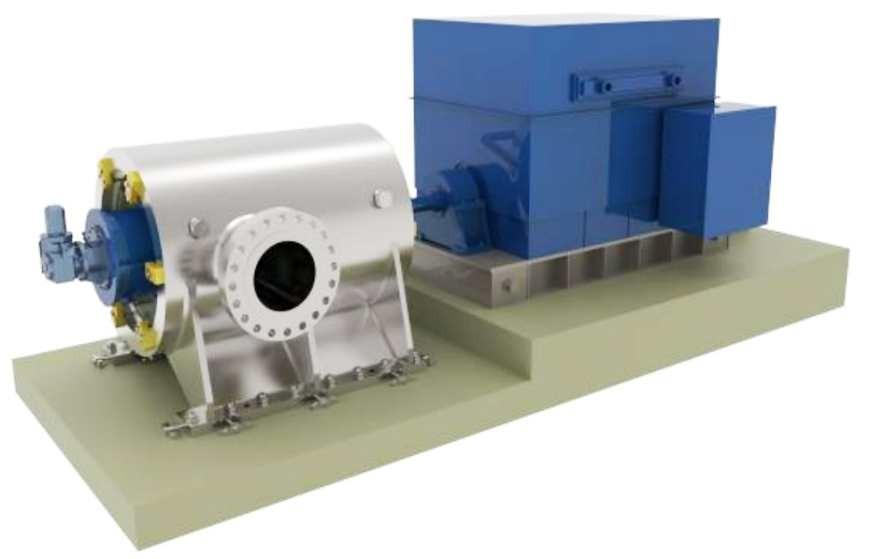


714CD Series C-Band Weather Radar
Chengdu Zhongdian Jinjiang Information Industry Co., Ltd.
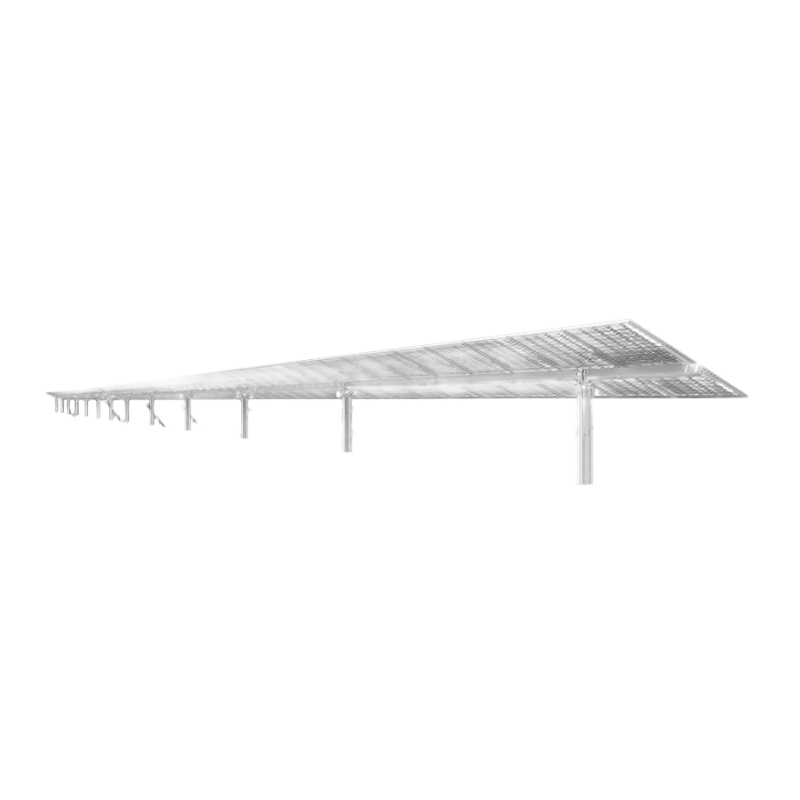
TAI Slew-drive Single-axis Independent 1P Tracking Bracket System
ANTAI TECHNOLOGY CO., LTD.