Portugal's Electricity Consumption Hits Record High of 27,200 GWh in First Half of 2026
en.Wedoany.com Reported - Data released by Portugal's national grid operator REN on July 2, 2026, shows that electricity consumption in Portugal reached 27,200 gigawatt-hours (GWh) in the first half of 2026, a year-on-year increase of 3.5%, setting a new record for the same period in the country's history. This figure is approximately 900 GWh higher than the previous record set in the first half of 2025. After adjusting for temperature and working day effects, the actual growth rate was 3.3%.
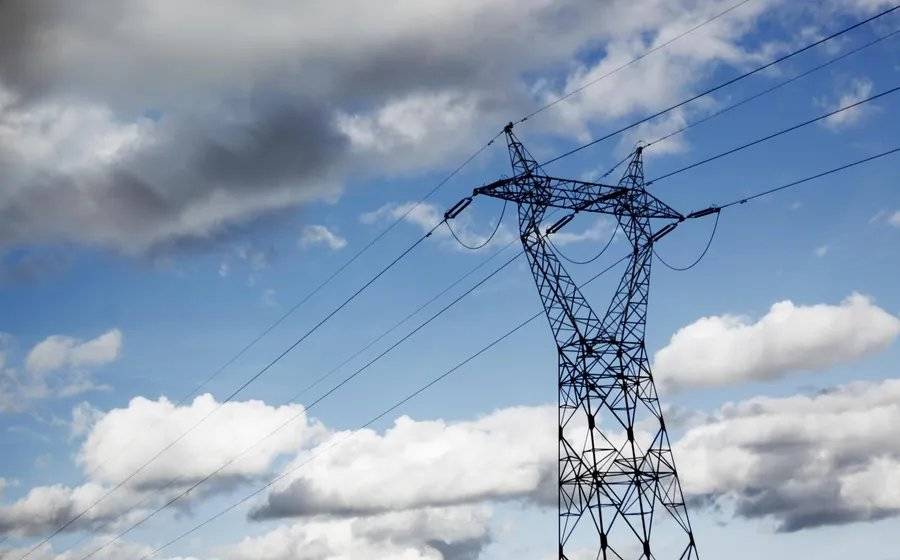
Electricity consumption continued to grow in June alone, up 3.0% year-on-year (2.5% after adjusting for temperature and calendar days). Heatwave conditions were a significant factor driving the increase. At 8:00 PM on July 2, instantaneous electricity demand reached 8,493 megawatts (MW), surpassing the previous peak of 7,918 MW set on June 30, 2025. Daily electricity consumption on July 3 further climbed to 171.1 GWh, breaking the summer daily record of 163.4 GWh set on July 13, 2022.
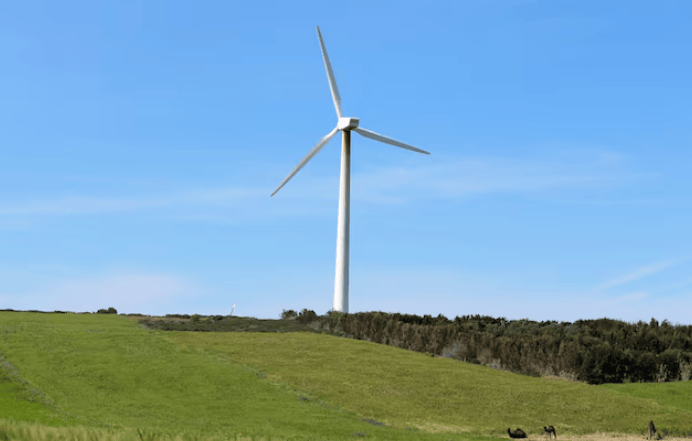
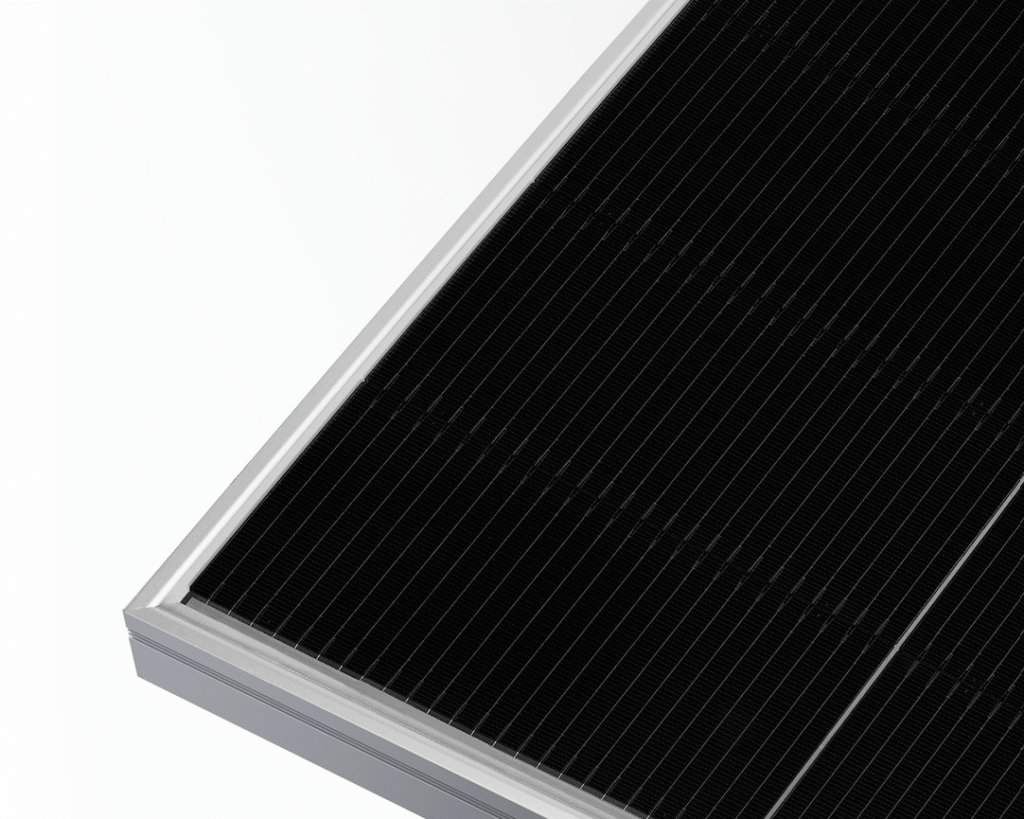
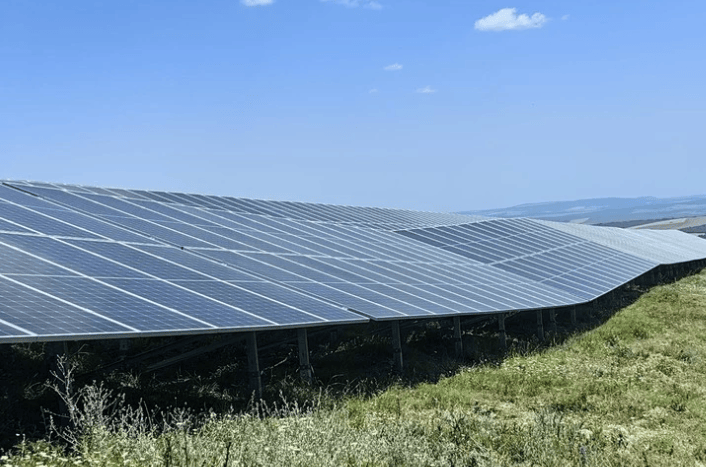
Renewable energy dominated the electricity mix. In the first half of the year, renewables supplied 71% of electricity consumption, with hydropower accounting for 29%, wind power 26%, solar photovoltaic 11%, and biomass 5%. Natural gas-fired generation supplied 14% of consumption, with the remaining 15% coming from imported electricity. On June 29, solar photovoltaic generation reached a historic instantaneous peak output of approximately 3,800 MW.
Portugal's national grid operator REN (Redes Energéticas Nacionais) is the main operator of the country's electricity and natural gas transmission systems, responsible for the operation and management of the national grid and high-voltage transmission lines. The Portuguese government has set targets for renewables to account for 80% of electricity generation by the end of 2026 and 85% by 2030. The 71% share of renewable energy consumption in the first half of the year indicates continued progress in the country's energy transition, but the converging trend between summer peak demand and winter peak levels also poses new challenges for grid peak-shaving capacity.
Related Products
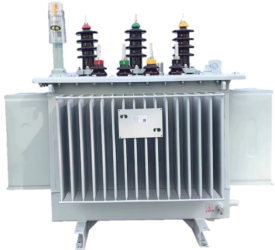

Oil-immersed Amorphous Alloy Core Distribution Transformer
Pinggao Group Smart Electric Co., Ltd.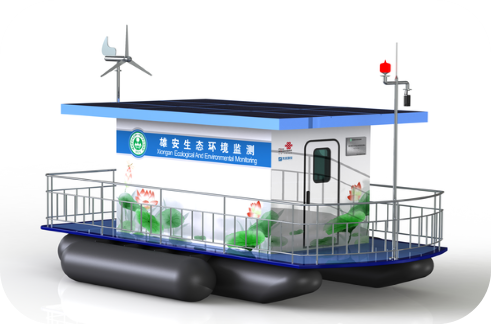
Floating Boat Water Quality Automatic Monitoring System
Hebei Sailhero Environmental Protection High-tech Co., Ltd.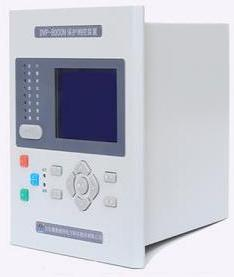
Microcomputer Protection and Substation Automation
Beijing Agent Devote Power Technology Development Co., Ltd.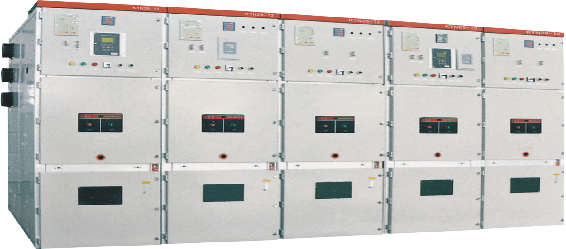
KYN28-12/24 Indoor High-Voltage Metal-Clad Removable Switchgear
Shenzhen Zhaoyang Hui Technology Co., Ltd.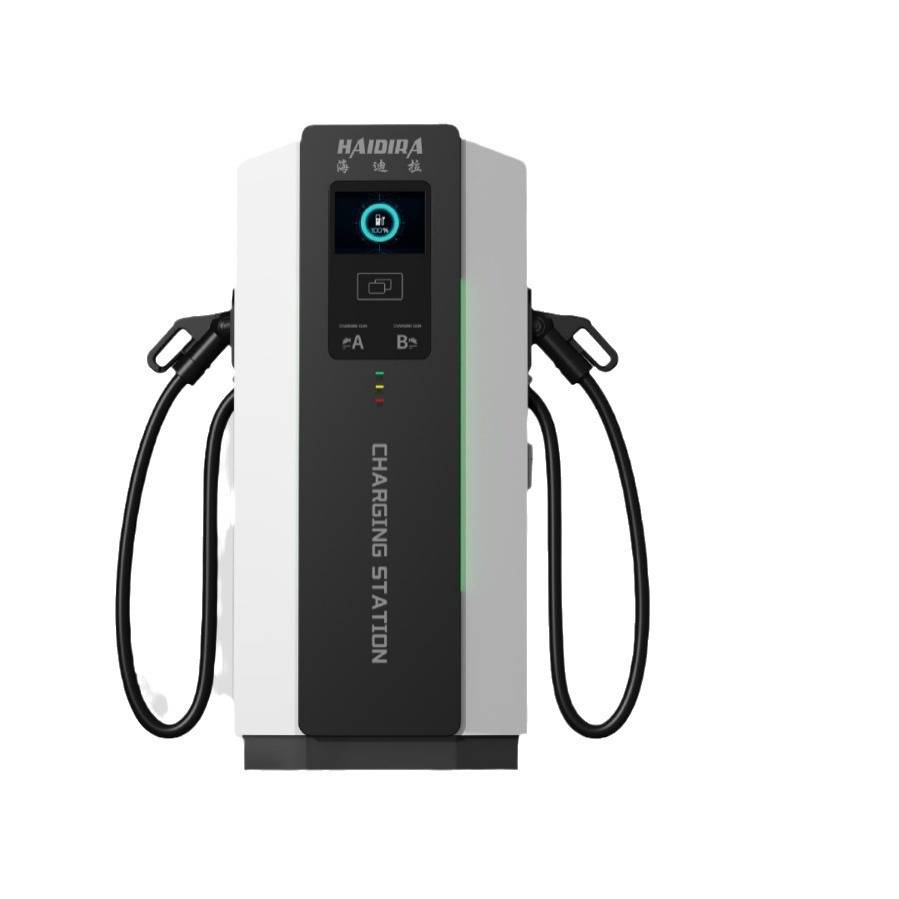
Manufacturer Direct Sales Tesla New Energy Electric Vehicle Universal DC 180kW Dual-gun Charging Pile Commercial Fast Charger
Anhui Haidira Electric Technology Co., Ltd.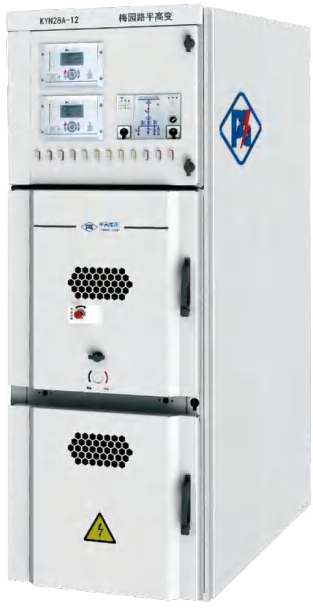
KYN28A-12 Metal Armored Removable Switchgear
Tianjin Ping Gao Intelligent Electric Co., Ltd.
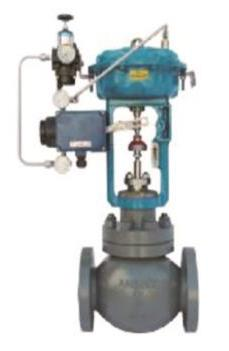
Quick-Change Single-Seat Control Valve / Quick-Change High-Pressure Single-Seat Control Valve
Beijing Consen Automation Technology Co., Ltd.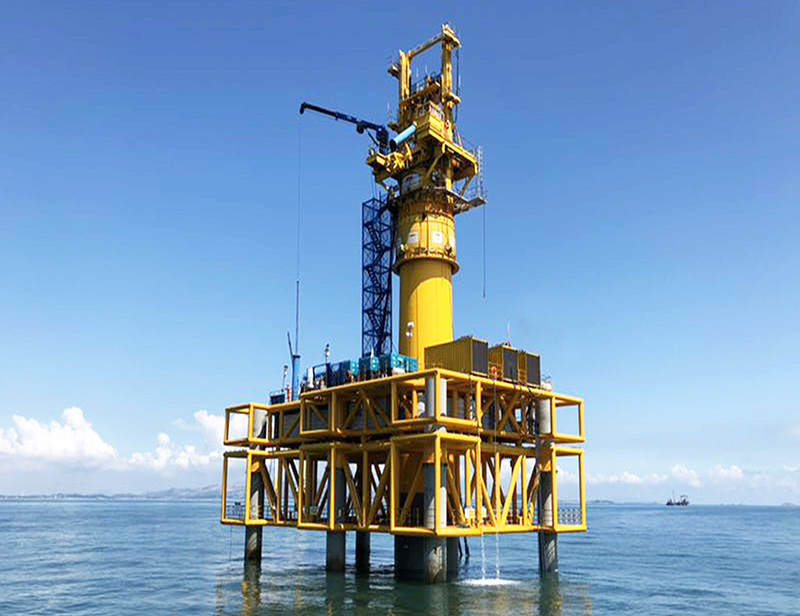
CITIC Heavy Industries Offshore Wind Power Equipment Hydraulic Pile Hammer
CITIC Heavy Industries Co., Ltd.
Global Sulfur Hexafluoride Gas Supply and Cylinder Export
Foshan Yuexin Industrial Gas Co., Ltd.