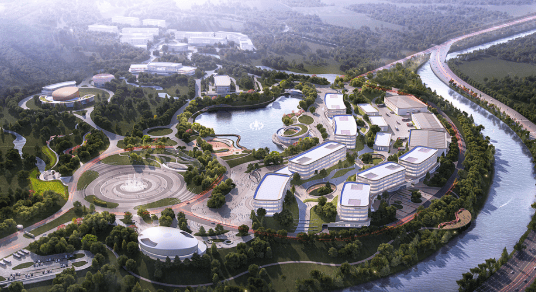
Zimbabwe's Bikita Minerals to Commission 100,000-Ton Lithium Sulfate Plant in 2026
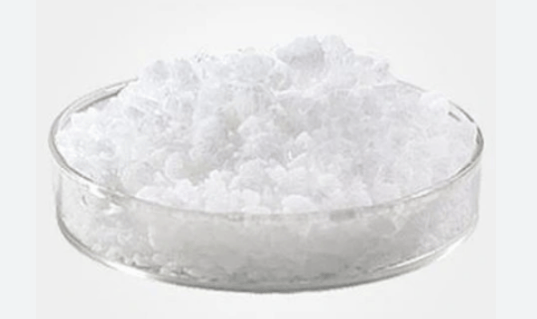
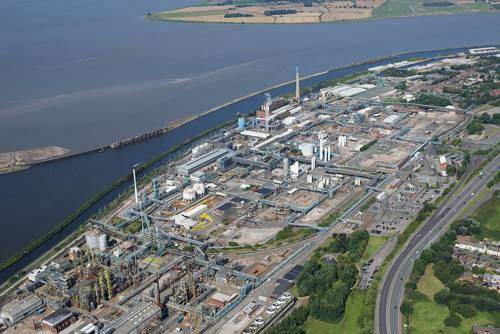
en.Wedoany.com Reported - Bikita Minerals will commission Zimbabwe's largest lithium sulfate processing plant this year. The $400 million project aims to solidify the country's position as Africa's leading lithium producer and redefine its role in the global electric vehicle supply chain.
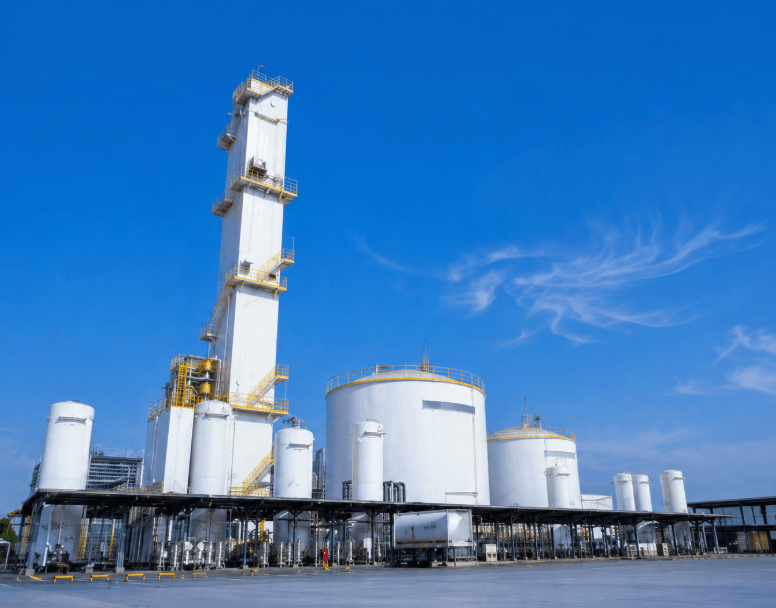
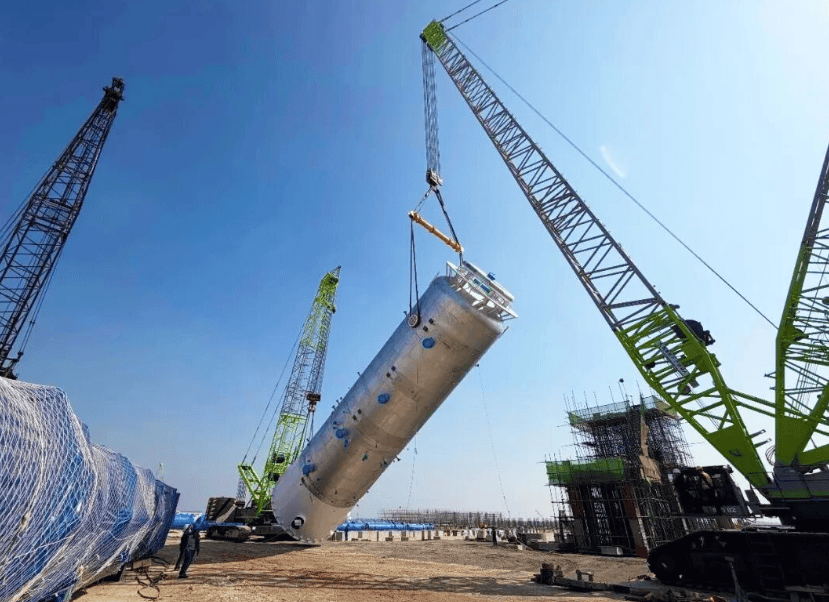
Developed by a subsidiary of Sinomine Resource Group, the plant targets an annual output of 100,000 tons of lithium sulfate at full capacity, making it Africa's largest single lithium sulfate facility, surpassing the 50,000 to 60,000-ton plant recently commissioned by Prospect Lithium Zimbabwe (Arcadia mine). Wang Pingwei, Chairman of Sinomine Resource Group, recently confirmed to Zimbabwean President Emmerson Mnangagwa that the company is "going all out" to complete the 100,000-ton lithium sulfate plant, describing it as "the largest lithium salt plant currently planned in Africa." The project is being implemented in phases, with the first phase scheduled for commissioning in 2026, and site preparation and preliminary work are already underway.
The facility will significantly advance Zimbabwe's lithium value chain. For decades, Bikita Minerals mined ore, processed it into concentrate, and shipped it overseas, with the real value created elsewhere. The new plant will transform Bikita from a concentrate exporter into a producer of battery precursor chemicals, producing lithium sulfate—a high-value intermediate product—domestically for direct use in manufacturing lithium carbonate and lithium hydroxide needed for electric vehicles. This elevates Zimbabwe from a supplier at the lowest end of the value chain to a participant in actual value creation.
Amanda Makausi, Deputy General Manager of Bikita Minerals, stated that the company is not waiting for the government's ban on all unprocessed lithium exports, effective January 2027. "The question was never whether to invest in Zimbabwe, but how quickly we can stop exporting value and start creating it," Makausi said. The project is underpinned by a vast ore body; Bikita's lithium resources have increased to over 113 million tons, containing 1.17 million tons of lithium oxide at a grade of 1.03% Li₂O, equivalent to 2.88 million tons of lithium carbonate equivalent, making it one of Africa's largest spodumene and petalite resources. Sinomine acquired Bikita in February 2022, and the asset has since become a key pillar of the group's global lithium strategy. The parent company is currently seeking to raise up to $764 million to expand lithium and copper projects in Africa, with Zimbabwe as a core target.
Makausi highlighted Zimbabwe's competitive advantages in deep processing: world-class grades and scale, the benefit of on-site processing at the mine, improving power infrastructure (including solar power and the Tokwe–Bikita transmission line), a skilled workforce, and government value-addition policies providing stable expectations for investors. In terms of energy infrastructure, Sinomine has installed a new 132kV transmission line connecting Bikita to Masvingo, Nyika, and Zaka, and is building a 20-megawatt solar project to secure future operations. The project is being built ahead of Zimbabwe's January 2027 deadline for banning unprocessed lithium exports, with the government maintaining its timeline despite requests for extensions from other producers. Finance Minister Mthuli Ncube stated that companies unable to build their own processing capacity could enter toll-processing agreements with firms that have capacity, listing Bikita Minerals as one of two companies expected to provide sufficient processing capacity. Currently, among Zimbabwe's seven major lithium producers, only Prospect Lithium, under Huayou Cobalt, has completed and commissioned a lithium sulfate plant with product shipments, while Bikita Minerals and Kamativi are still under construction.
Bikita Minerals currently employs nearly 1,500 direct workers and indirectly supports thousands of livelihoods. Once operational, the lithium sulfate plant will significantly boost export revenues and create more jobs. The company has also invested in a cesium flotation plant, the world's first facility dedicated to recovering low-grade cesium ore, and further invested in a tantalite processing plant. The $3 million tantalite plant will reprocess over 1.4 million tons of historical tailings annually. "For a century, the world came to Africa for raw materials and took away the value. This plant is part of rewriting that narrative," Makausi said. By 2030, Zimbabwe's lithium industry is projected to achieve a peak turnover of $3.2 billion from lithium sulfate production alone, with miners committing up to $5 billion in new investments. Bikita's $400 million investment is a cornerstone of this broader transformation.
Related Products


CAP1400 main feedwater flow nozzle flowmeter.
Jiangsu Hongda Instrument Technology Co., LTD.
Quick-Change Single-Seat Control Valve / Quick-Change High-Pressure Single-Seat Control Valve
Beijing Consen Automation Technology Co., Ltd.
Steel Plates for Chemical Pressure Equipment
Gansu JISCO Group Hongxing Iron and Steel Co., Ltd.
Bidirectional Metal Hard Sealed Seawater Butterfly Valve
Henan Quanshun Flow Control Science & Technology Co., Ltd.