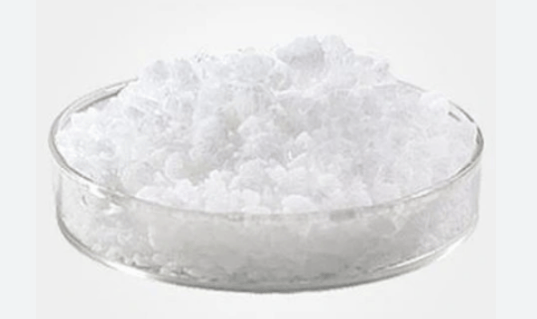
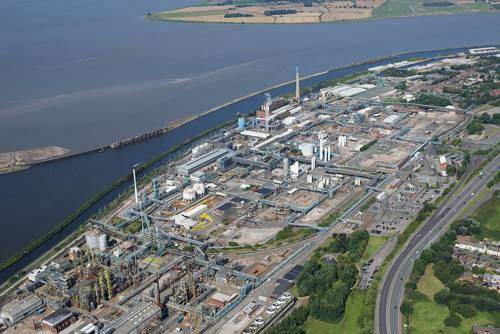
Global Citric Acid Market Expected to Reach $4.81 Billion by 2031
en.Wedoany.com Reported - A research report released by Mordor Intelligence indicates that the global citric acid market size is projected to grow from $3.93 billion in 2026 to $4.81 billion by 2031, at a compound annual growth rate (CAGR) of 4.12% during the forecast period. Market expansion is primarily driven by the rising demand for clean-label food ingredients, increased adoption of biodegradable chemicals in household detergents, and expanding applications in the pharmaceutical sector.
In the food and beverage sector, manufacturers are accelerating the replacement of synthetic preservatives and acidity regulators with natural ingredients. Citric acid has become a preferred choice due to its multiple functions, including acidity regulation, flavor enhancement, microbial inhibition, and shelf-life extension. Beverage manufacturers widely use citric acid in reduced-sugar soft drinks, sports beverages, flavored waters, and functional drinks to improve taste balance. Bakery producers utilize it to lower product pH, extending freshness without relying on artificial preservatives. Dairy processors incorporate citric acid in products such as processed cheese and yogurt to improve protein functionality and texture.
Environmental regulations restricting phosphate-containing detergents have created new growth opportunities for citric acid. Citric acid effectively binds calcium and magnesium ions, improving detergent performance in hard water conditions while reducing scale formation and enhancing cleaning efficiency. Its biodegradable properties align with the sustainability goals of cleaning product manufacturers. Driven by regulatory pressures in Europe and North America, along with growing consumer demand for eco-friendly products, the application of citric acid in liquid detergents, automatic dishwashing products, and industrial cleaners continues to expand.
The pharmaceutical and personal care sectors have become significant growth drivers for the citric acid market. In the pharmaceutical field, citric acid is used for its buffering capacity, flavor-improving properties, and compatibility with effervescent dosage forms in products such as children's syrups, electrolyte beverages, chewable tablets, vitamin supplements, and orally disintegrating formulations. In personal care, it serves as a pH adjuster, preservative enhancer, and alpha-hydroxy acid, applied in exfoliating formulations to improve skin renewal and product stability. Increased investment in pharmaceutical manufacturing in the Asia-Pacific region and growing demand for functional cosmetic ingredients are expected to further boost citric acid consumption.
Bhavesh-Narasinha Varute, Senior Research Manager at Mordor Intelligence, stated: "Our assessment of the citric acid market reflects evolving demand patterns, regulatory developments, and supply-side dynamics through structured validation of industry information. Mordor Intelligence follows a transparent research process, integrating multiple credible sources and stakeholder perspectives to provide decision-makers with balanced and reliable market insights."
The market is segmented by form into anhydrous citric acid and liquid citric acid, and by application into food and beverages, pharmaceuticals, detergents and household cleaners, personal care, industrial applications, and others. Geographically, key markets include Asia-Pacific, North America, Europe, South America, and the Middle East and Africa. The global citric acid market is relatively concentrated, with multinational manufacturers competing through production scale, fermentation technology, product quality, and global distribution capabilities. Leading companies are continuously investing in capacity expansion, sustainable fermentation technologies, and the development of pharmaceutical-grade products. Key players include Cargill, Incorporated, Shandong Ensign Industry Co. Ltd., COFCO Corporation, RZBC Group Co., Ltd., and Jungbunzlauer Suisse AG.
Related Products

Bidirectional Metal Hard Sealed Seawater Butterfly Valve
Henan Quanshun Flow Control Science & Technology Co., Ltd.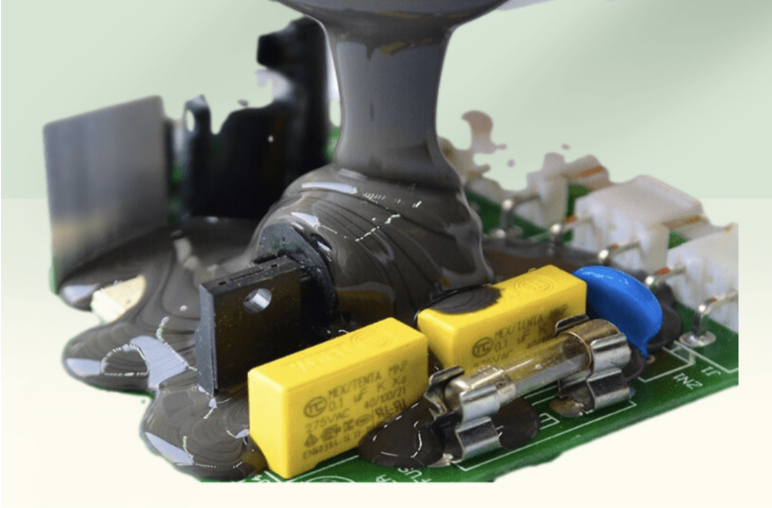
High Thermal Conductivity Encapsulating Resin
Nantong BESALL Sealing Technology Company.,Limited

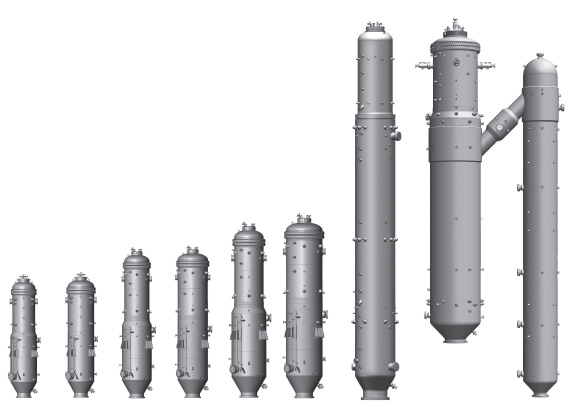
Gasification Furnace Series: Freely Combinable Aerospace Furnace
CHANGZHENG ENGLINEERING CO., LTD.
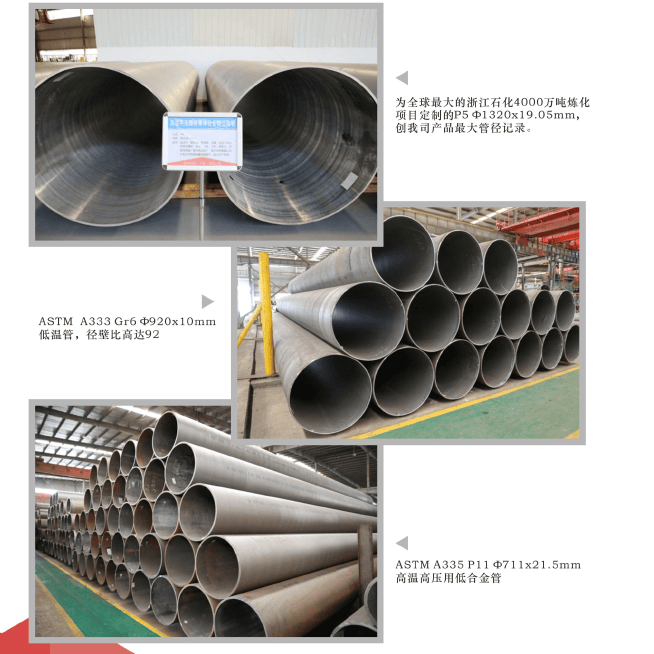
Steel Plates for Chemical Pressure Equipment
Gansu JISCO Group Hongxing Iron and Steel Co., Ltd.

CAP1400 main feedwater flow nozzle flowmeter.
Jiangsu Hongda Instrument Technology Co., LTD.