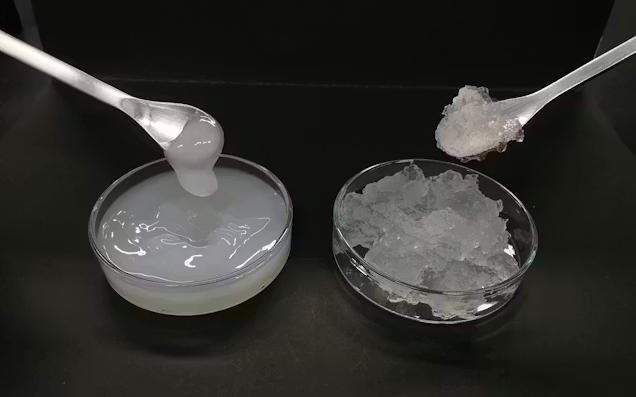
Japanese Team Develops Recyclable Bio-Based Polymer with Performance Superior to Polyolefins
en.Wedoany.com Reported - A research team led by Professor Kotohiro Nomura at Tokyo Metropolitan University, in collaboration with teams led by Senior Researcher Hiroshi Hirano and Director Seiji Higashi at the Osaka Research Institute of Industrial Science and Technology, and Associate Professor Hiroki Takeshita at the University of Shiga Prefecture, has developed a bio-based polyesteramide that is easy to chemically recycle. Using renewable resources such as non-edible vegetable oils, amino acids, and sugars, the material was synthesized via catalytic olefin metathesis polymerization. In film form, it exhibits mechanical properties superior to conventional bulk plastics.
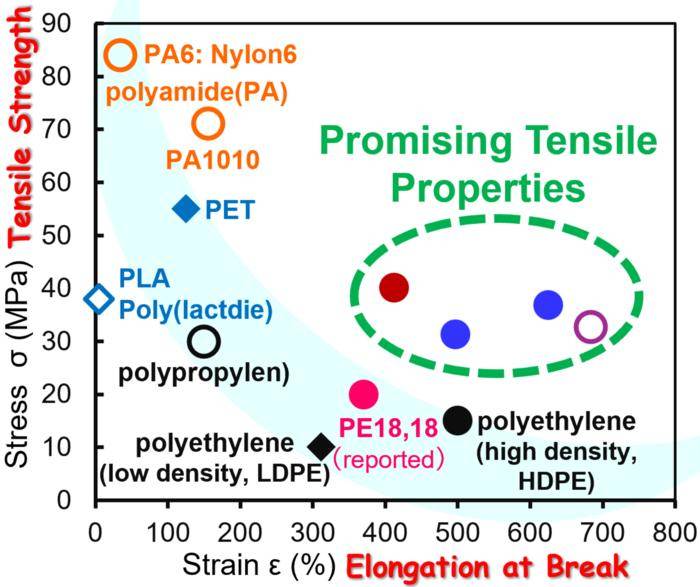
Utilizing non-edible renewable resources to produce chemically recyclable polymers is a key direction for sustainable materials in a circular economy. However, few materials have previously surpassed conventional polymers such as polyethylene and polypropylene in key indicators like tensile strength and elongation at break. The newly developed high-molecular-weight polyesteramide, composed of non-edible vegetable oils, amino acids, and sugars, was synthesized via catalytic olefin metathesis polymerization—a condensation reaction that generates ethylene as a byproduct. The polymer film demonstrates superior tensile strength and fracture strain compared to conventional polymers. Notably, the polyesteramide containing phenylalanine also exhibits rapid self-healing properties at ambient temperature.
In terms of recyclability, this bio-based polyesteramide can be depolymerized through catalytic transesterification with alcohols, quantitatively converting back into the starting monomers, enabling closed-loop chemical recycling. This research was conducted under the Japan Science and Technology Agency (JST) Strategic Creative Research Promotion Project (CREST) in the research area "Precision Materials Science for Degradation and Stability," within the project "Development of Bio-Based Advanced Polymers and Their Depolymerization and Chemical Recycling." It is expected to advance the development of sustainable polymers in a circular economy.
Related Products





High Thermal Conductivity Encapsulating Resin
Nantong BESALL Sealing Technology Company.,Limited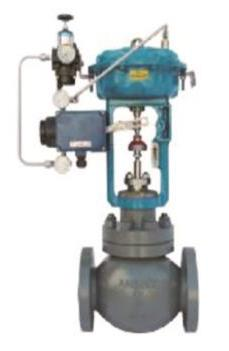
Quick-Change Single-Seat Control Valve / Quick-Change High-Pressure Single-Seat Control Valve
Beijing Consen Automation Technology Co., Ltd.
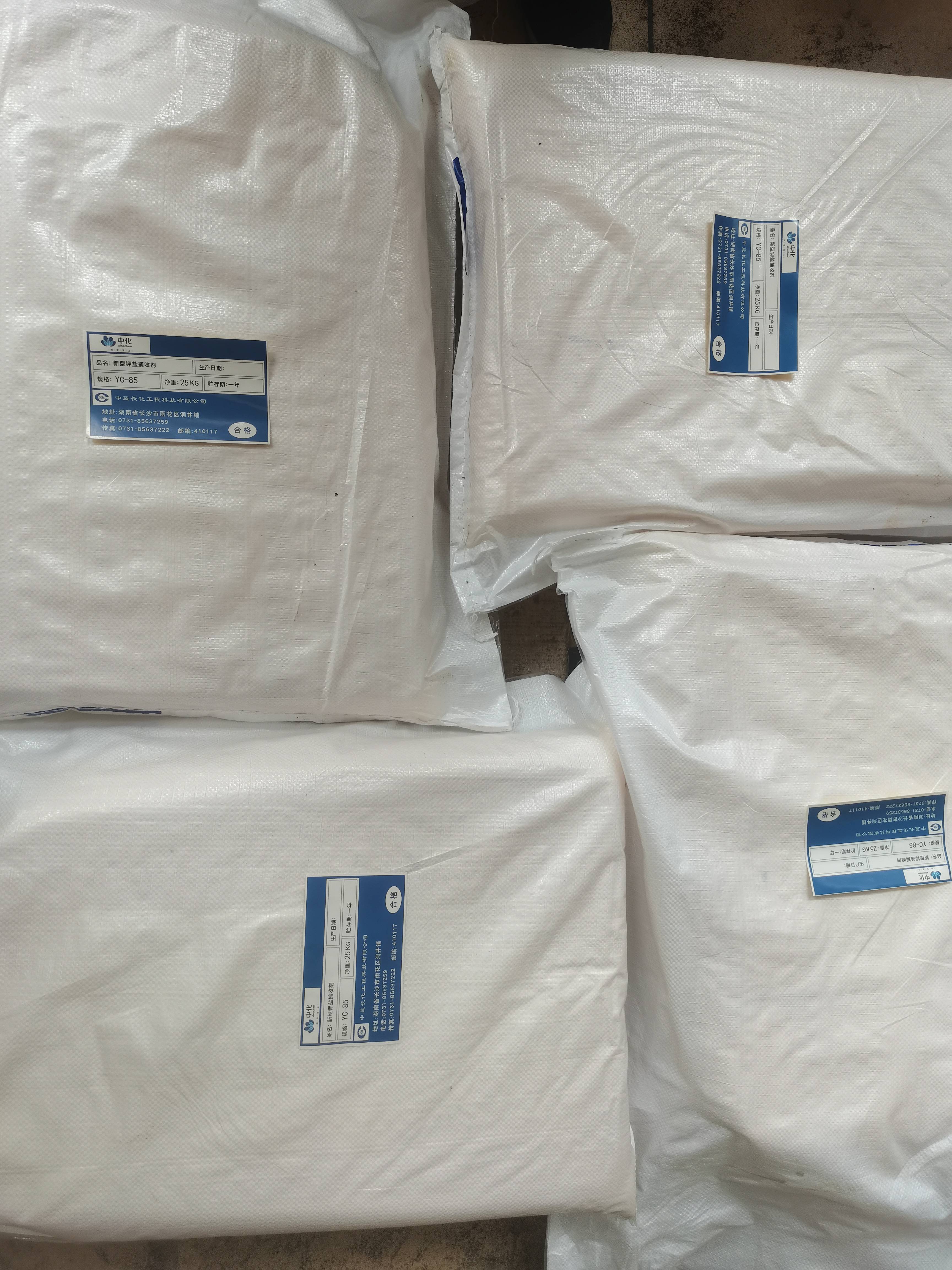
New Environmentally Friendly Green Potassium Salt Collector
Chonfar Engineering and Technology Co., Ltd.
Steel Plates for Chemical Pressure Equipment
Gansu JISCO Group Hongxing Iron and Steel Co., Ltd.
Industrial and Commercial Point-Type Gas Detector
Jinan Benan Technology Development Co., Ltd.