US Geothermal Startup Quaise Secures $134 Million to Advance Superhot Rock Drilling
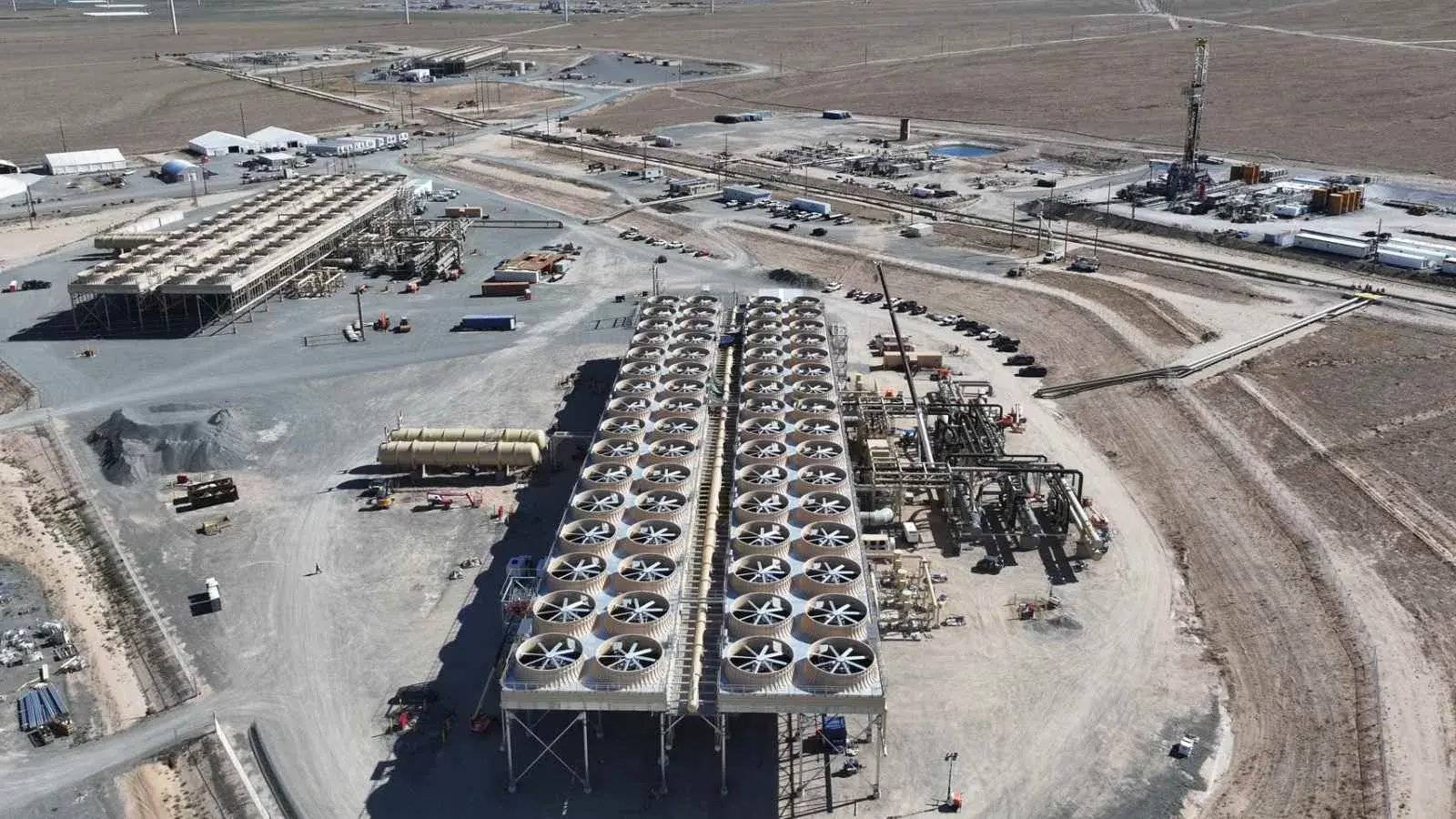
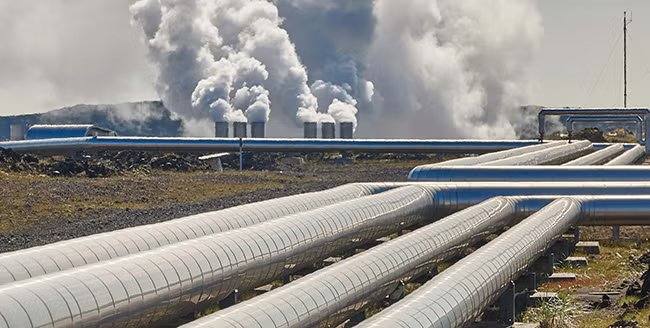
en.Wedoany.com Reported - Geothermal startup Quaise Energy has secured $134 million in Series B funding to advance the commercialization of its millimeter-wave drilling technology. This technology, incubated at the Massachusetts Institute of Technology (MIT), aims to drill into superhot rocks deep beneath the Earth's surface, laying the foundation for building the world's first commercial superhot geothermal power plant.
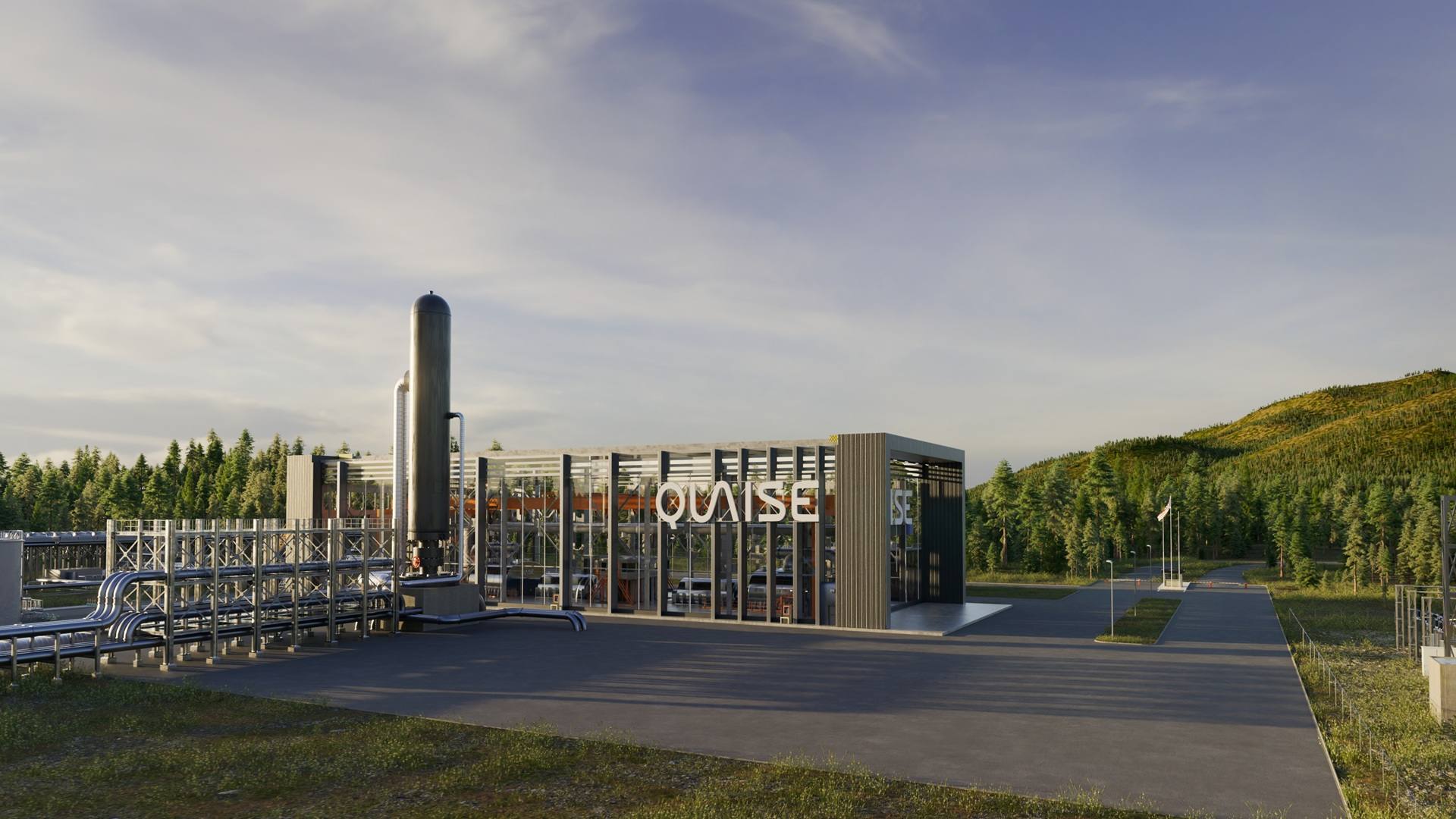
The funding round was led by Prelude Ventures, with participation from Japan's JERA Co. and Idemitsu Kosan, and existing investor Safar Partners. The raised capital will be used for the "Project Obsidian" in central Oregon, while also accelerating the development of Quaise's contactless drilling system to depths exceeding 3 miles.
Quaise stated that its drilling system has progressed to nearly 0.6 miles (approximately 1 kilometer) depth at a test site in central Texas; earlier this year, the system successfully penetrated over 100 meters of granite under full-scale field conditions. If this target is achieved, it will set the deepest penetration record ever for contactless drilling technology.
Unlike traditional drilling, which relies on rotating drill bits that are prone to wear in hard rock, this Houston-based startup directs high-power millimeter waves into the borehole, ablating rock—converting solid rock directly into steam—thereby accessing geological formations that are too hot and abrasive for conventional equipment.
The technology builds on over a decade of research at MIT. Quaise claims that in most parts of the world, it can enable geothermal systems to reach rocks with temperatures between 572°F and 932°F, making the energy density of geothermal power comparable to fossil fuels and nuclear plants, while maintaining the low-emission characteristics of renewable energy.
Current geothermal power plants are limited by the economically achievable depths of traditional drilling systems. By accessing hotter rocks, superhot geothermal systems significantly increase the power output per well, thereby reducing the number of wells needed for commercial-scale power generation.
Carlos Araque, CEO and President of Quaise Energy, said: "Our ambition is to power civilization with the most attractive energy source on Earth. This funding round moves us from field-proven technology toward first commercial revenue."
"Project Obsidian" is being built on a federal geothermal lease in Oregon's Deschutes National Forest, one of the most extensively studied geothermal areas in the United States. Quaise noted that the site has gigawatt-scale potential and is expected to supply power to the grid for the first time in 2030, helping to improve grid stability in the Pacific Northwest.
The company stated that the latest drilling results validate the core technology to be deployed in "Project Obsidian" and subsequent geothermal projects. The funds will also support the continued commercialization of the millimeter-wave drilling system, while Quaise is raising additional project-level equity and debt financing.
"We have supported Quaise from the beginning because we believe accessing superhot rock will unlock geothermal energy on an unprecedented scale," said Mark Cupta, Managing Director of Prelude Ventures.
Quaise's total cumulative funding has now reached $230 million. The company said the broader financing package will also include project-level capital and debt to drive commercial operations and achieve first power sales through undisclosed offtake partners.
Related Products

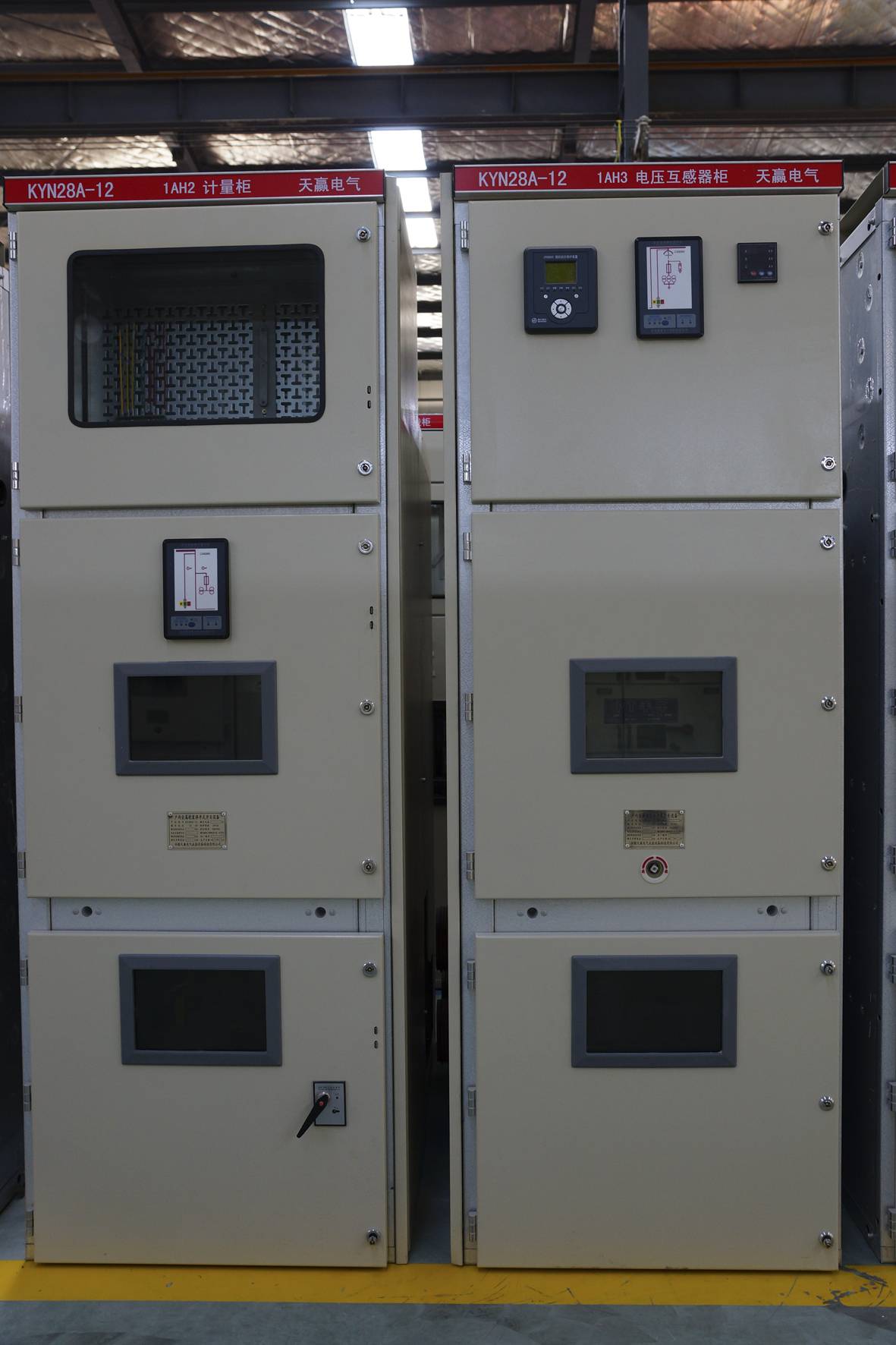
KYN28 - High Voltage Switchgear
Anhui Tianying Electrical Equipment Manufacturing Co., Ltd.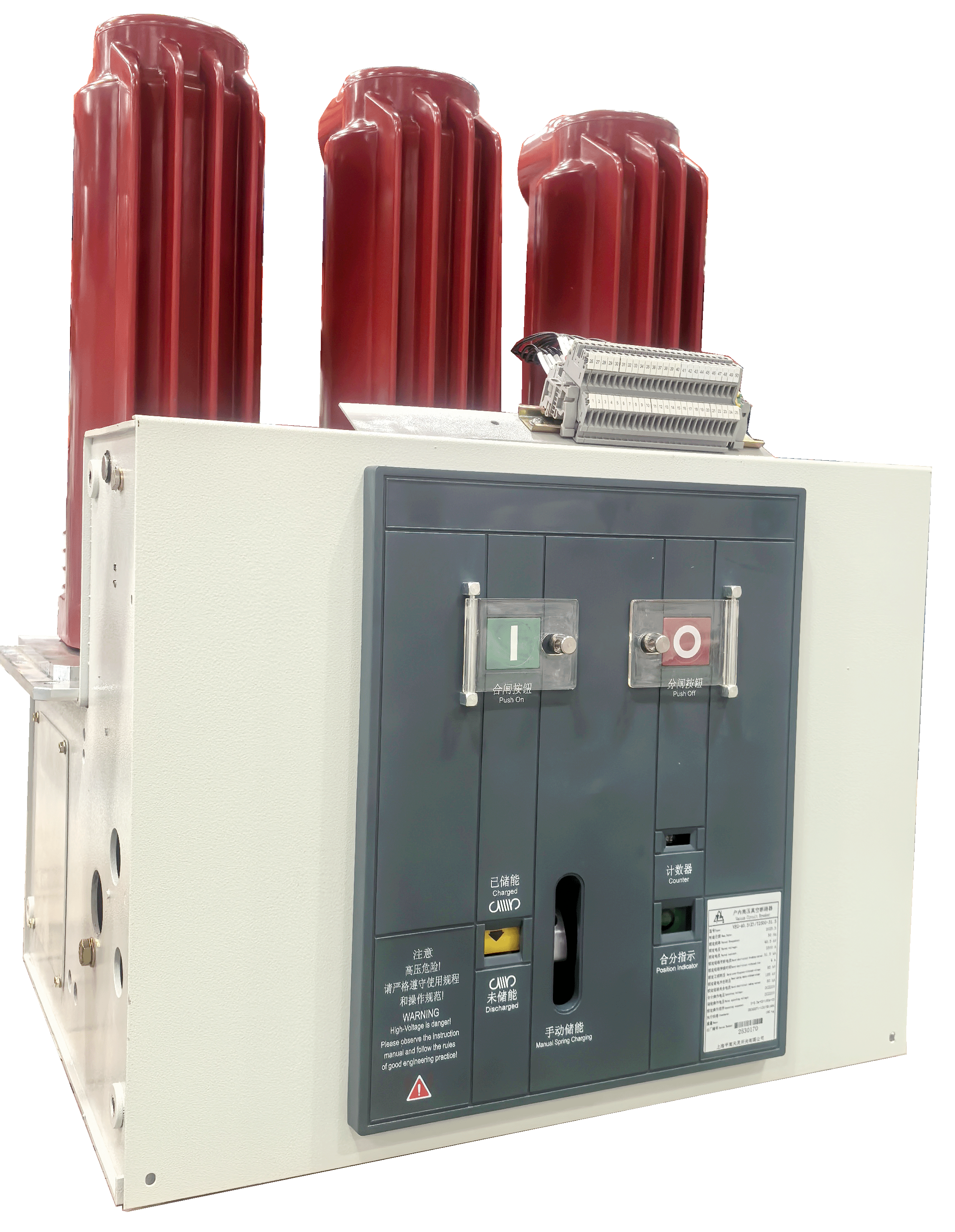
VEG-12/24/40.5 Series Vacuum Circuit Breaker
SHANGHAI PINGGAO TIANLING SWITCHGEAR CO., LTD.
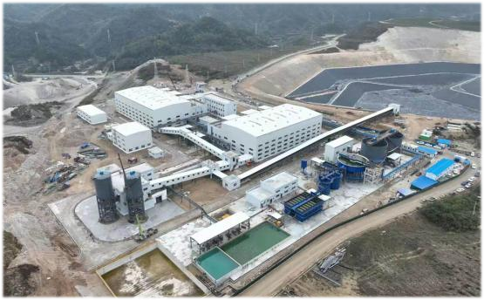
Yingping Mining Section Open-pit Tailings Backfill Treatment of Goaf Ecological Restoration EPC Project
China Bluestar Lehigh Engineering Corporation
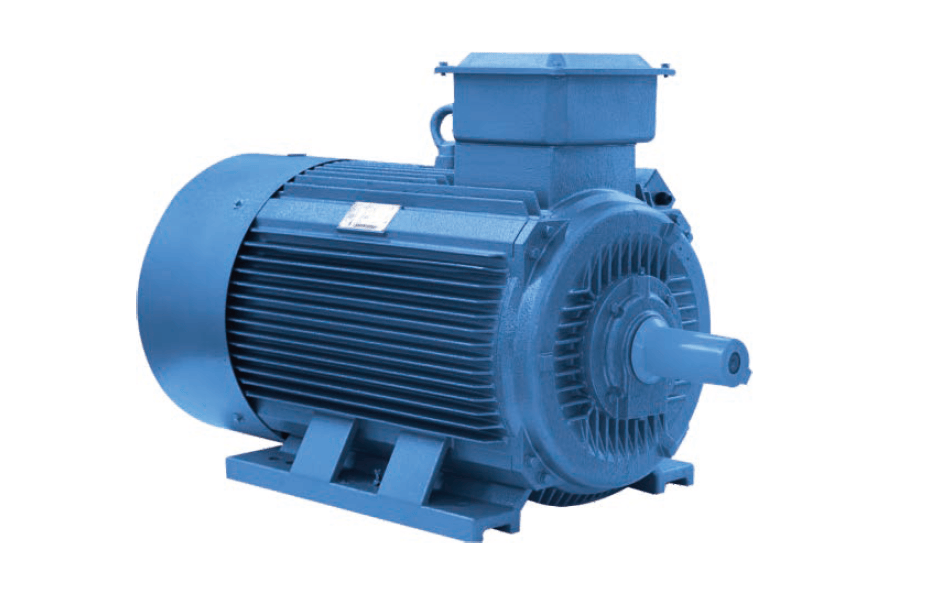
TYC Series High-Efficiency Permanent Magnet Synchronous Motor
Xiangdian Smart Energy Technology Co., Ltd.