China's Robot Industry Revenue Exceeds 90 Billion Yuan in First Five Months, Up 26.9%
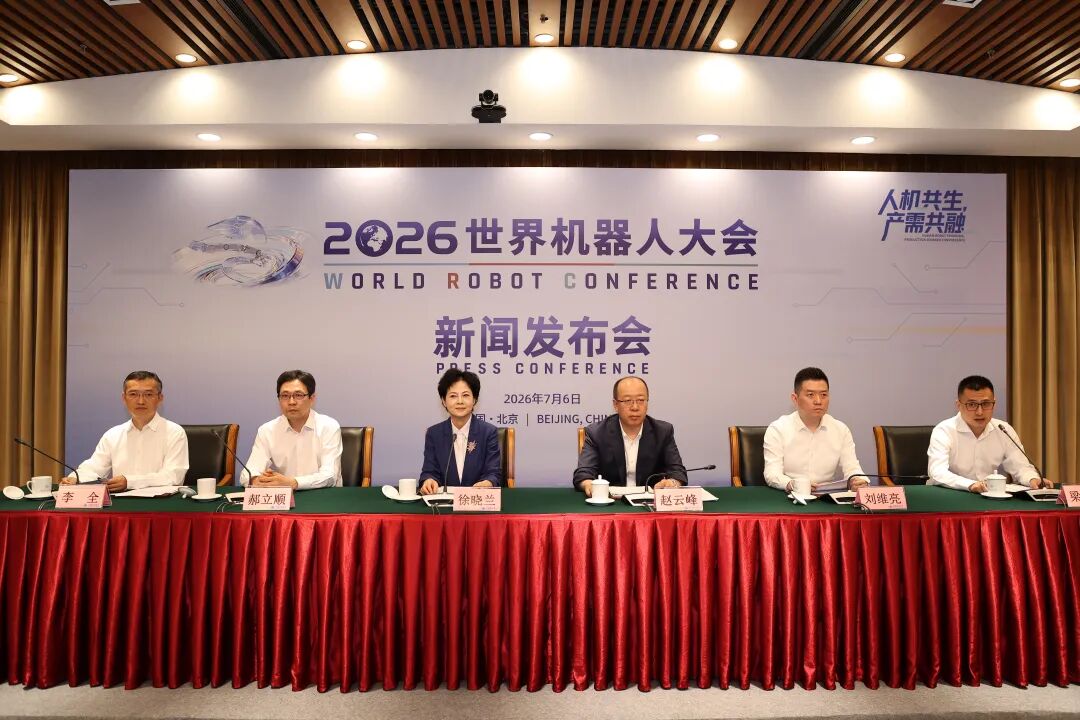
en.Wedoany.com Reported - A press conference for the 2026 World Robot Conference revealed that from January to May this year, the revenue of China's robot industry enterprises above designated size exceeded 90 billion yuan, a year-on-year increase of 26.9%, with an average annual growth rate of over 20% in the past five years. As the "jewel at the crown of manufacturing," the research, development, manufacturing, and application of the robot industry have become key indicators of a country's technological innovation and high-end manufacturing capabilities.
Currently, the innovation foundation of China's robot industry is more solid, with enhanced supporting capabilities for key components, improved intelligence levels of complete machines, accelerated deployment in frontier areas such as humanoid robots, and faster construction of technology foundations like operating systems and simulation platforms. Application scenarios are becoming more open, high-value scenarios are continuously enriched, and more new human-machine collaborative positions are being cultivated. The quality improvement and upgrade of smart factories are driving rapid growth in demand for industrial robots. Livelihood scenarios provide large-scale deployment space for service robots, while fields such as emergency rescue and security governance demonstrate the practical value of specialized robots. Industrial development is shifting from competition in single-product technology and market scale to integration of supply chain collaboration and development ecosystems. Complete machine manufacturers, core component enterprises, research institutions, end-users, and other industry chain entities are gradually forming an efficient collaborative network. Public service systems such as standard setting, testing and certification, talent training, and achievement transformation are increasingly robust, and strengthening ecological dominance has become a consensus among leading enterprises.
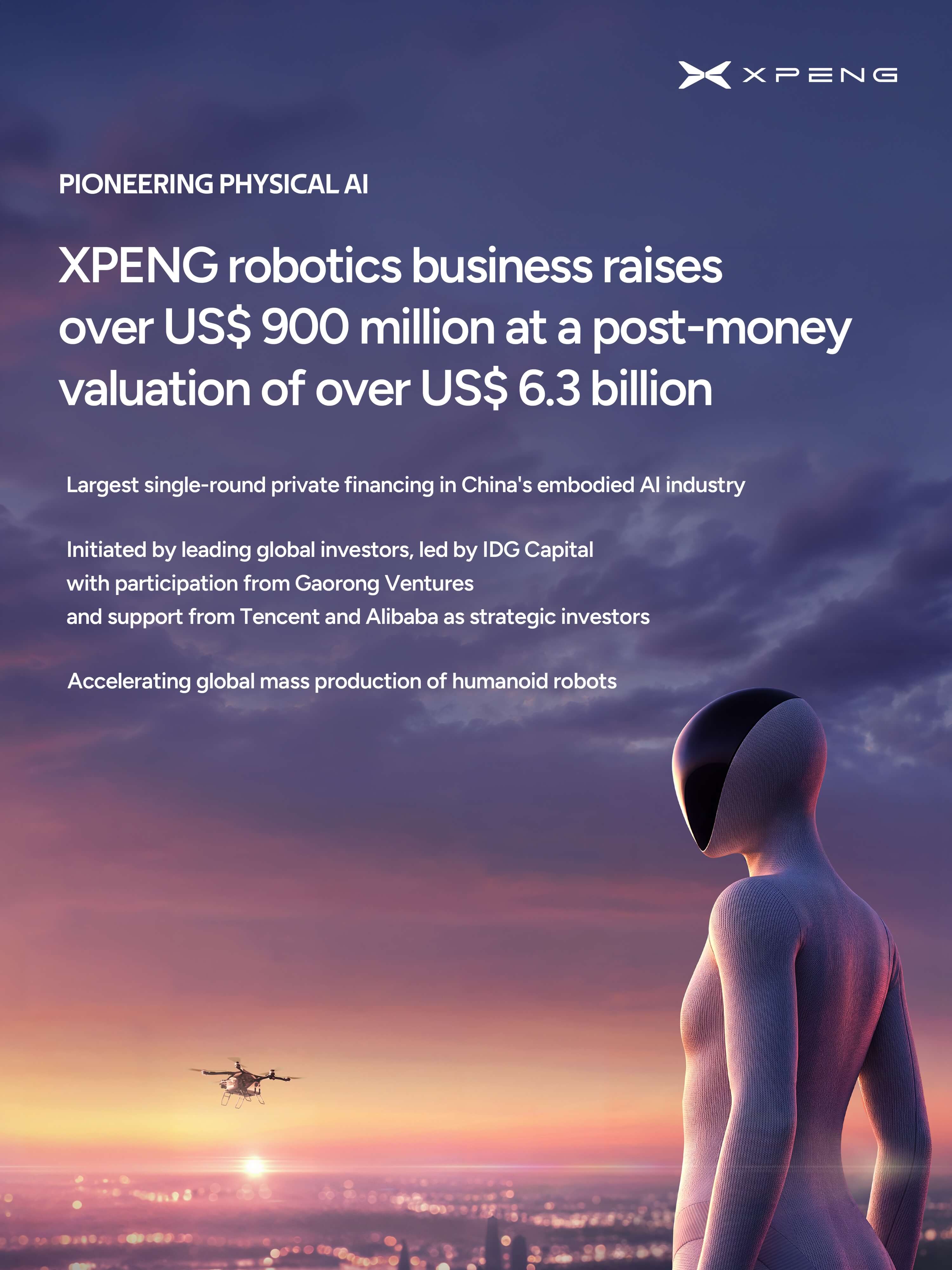
China has been the world's largest industrial robot market for 13 consecutive years, with the domestic market share of self-branded industrial robots exceeding 50%. The supporting capabilities for key components such as reducers, servo systems, and controllers have significantly improved, gradually achieving batch supply. In the field of humanoid robots, China possesses a complete industry chain supporting capability covering "materials—core components—complete machine integration—scenario operations—data services." In 2025, China's humanoid robots achieved explosive growth with 90% of global shipments and over 330 product models. Data from the first quarter of 2026 shows that China's humanoid robot exports increased by 210% year-on-year, becoming a new calling card for China's high-end manufacturing exports.
In recent years, the overall level of China's humanoid robot industry has been in the global first tier. Technological innovation continues to break through, with Chinese companies launching over 300 humanoid robot models, more than half of the global total. New technologies such as multimodal models and world models are constantly emerging, and the capabilities of China's first-tier embodied intelligence large models are iterating monthly. The full-chain self-reliance of core chips is accelerating, with continuous breakthroughs in core chip technologies such as high-end main control, joint drive, and precise perception. Domestic dexterous hands have achieved 0.1-millimeter precision, with a single-unit lifespan exceeding 1 million cycles.
Application scenarios are rapidly expanding from entertainment performances, commercial marketing, and education to industrial scenarios such as 3C quality inspection, logistics sorting, and automotive manufacturing. Humanoid robots have preliminarily gained the ability to "enter industrial production lines." Nearly 10 major automotive manufacturers have deployed and validated humanoid robots on production lines, covering scenarios such as material handling, appearance inspection, and sorting. The support system is steadily being built, with nearly 120 national, industry, and group standards released or under development, covering areas such as basic commonality, core components, complete machine applications, and safety ethics. Over 14 provinces and cities have built or are building more than 40 training grounds, with mature training grounds generating millions of data entries annually. In May this year, the first national-level application pilot base for the embodied intelligence field was officially launched in Hangzhou. The industry ecosystem is increasingly complete, with an industry standard development initiative released to guide the entire industry in adhering to the concept of technology for good and improving product safety and ethical standards.
The 2026 World Robot Conference will be held from August 19 to 23 at the Beijing Economic-Technological Development Area, with the theme "Human-Robot Symbiosis, Production-Demand Integration." The conference will focus on five major dimensions: promoting frontier technology exchanges by centrally releasing new technologies, products, and applications in the robotics field; using six major industry maps as core tools covering technology, industry chain, components, enterprises, standards, and applications; leading the construction of an industry standard system, relying on the Humanoid Robot and Embodied Intelligence Standardization Technical Committee to advance the implementation of 62 industry standards under development; establishing an embodied intelligence talent training platform to build a composite talent cultivation system for young groups through industry-academia-research-application collaboration; and deepening global industrial cooperation by linking with the World Robot Cooperation Organization.
The conference has received support from nearly 30 international organizations, with international guests accounting for 30% of the main forum. Over 300 enterprises will participate in the expo, an increase of 36% from last year, with an estimated more than 2,000 exhibits and over 150 new products making their debut. The number of concurrent events will double to over 60 compared to last year. At the conference site, the "Global Robot Application Exploration Plan" will be launched, recruiting mass-produced products for free trial use by outstanding global innovation teams. The State-owned Assets Supervision and Administration Commission of the State Council will announce the establishment of a Central Enterprise Robot Innovation Consortium at the conference, building an innovation ecosystem of "co-research on technology, co-use of scenarios, and co-sharing of results." For the first time, the conference will create a robot consumer street, embedding the "technology-driven conference" concept into all aspects including welcome, reception, security checks, guidance, and disinfection.
Related Products

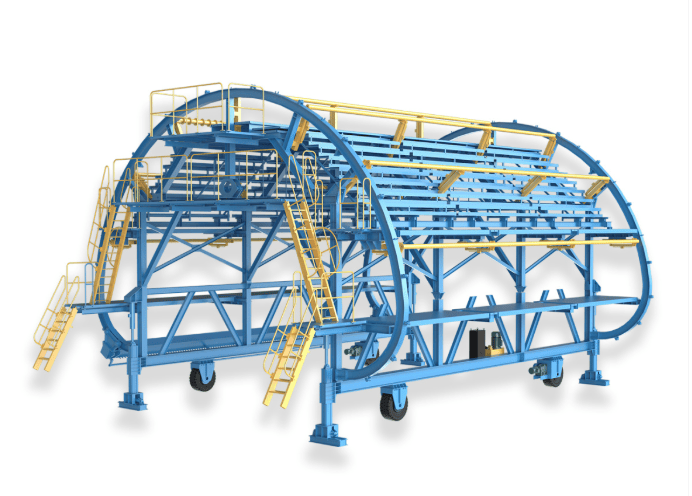
QLZNGJ Intelligent Steel Reinforcement Trolley
Luoyang China Railway Qiangli Machinery Co., Ltd.
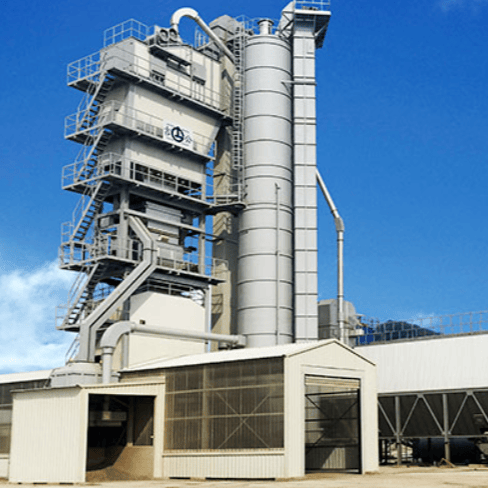
LBH4000 Batch Environmental Protection Asphalt Mixing Plant | Asphalt Batching Plant | Asphalt Mixing Plant
Jilin Province Road Construction Machinery Co., Ltd.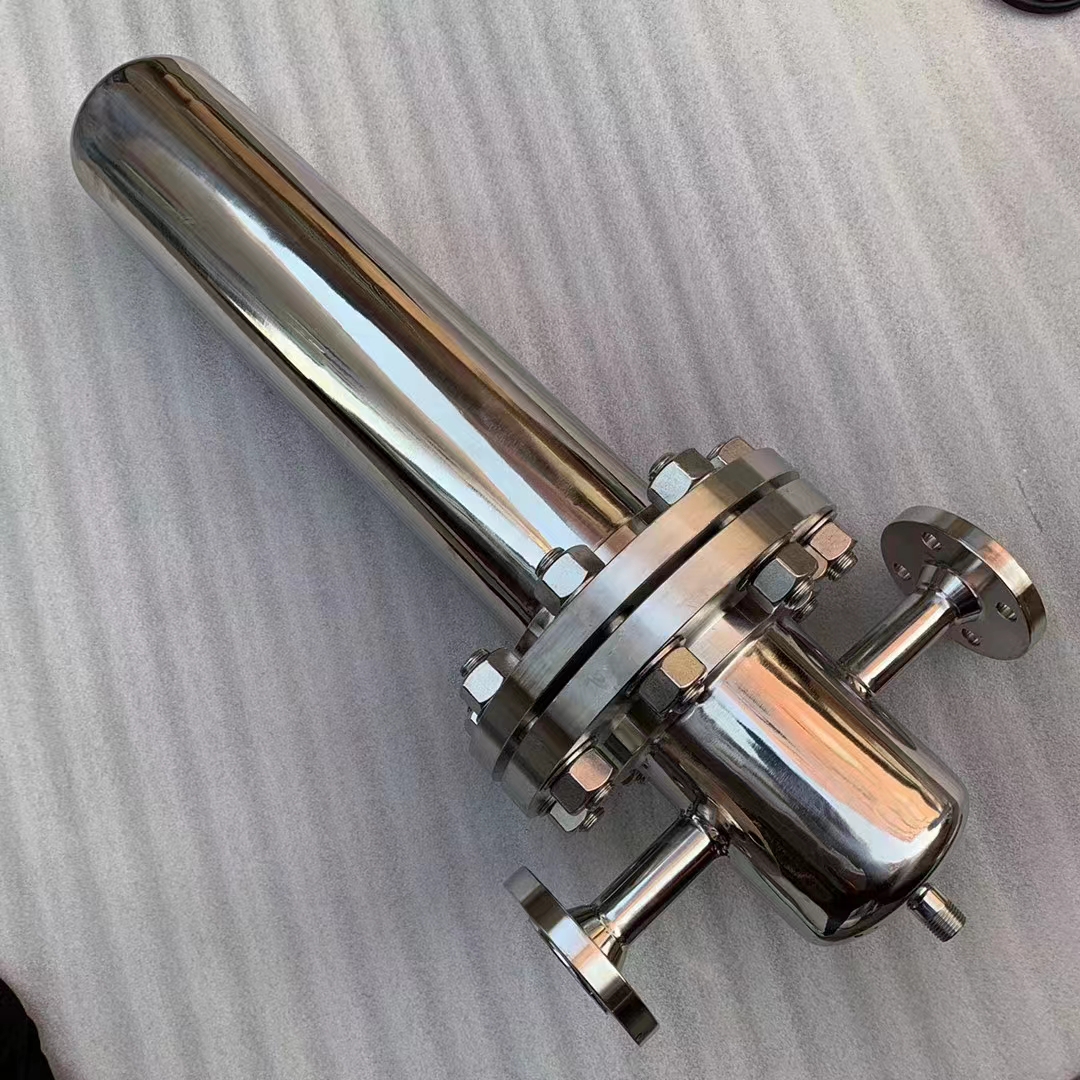

CAP1400 main feedwater flow nozzle flowmeter.
Jiangsu Hongda Instrument Technology Co., LTD.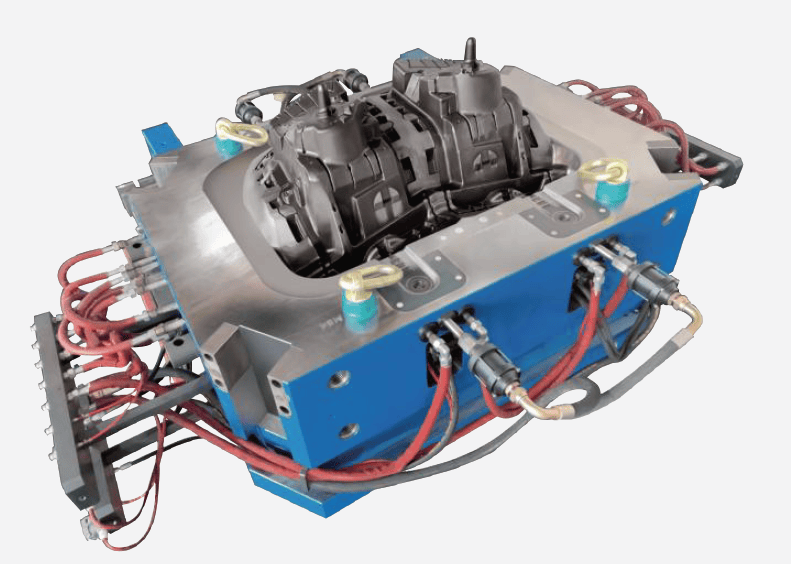
Aluminum-Magnesium Alloy High-Pressure Die-Casting Molds
NINGBO HELI TECHNOLOGY CO., LTD.
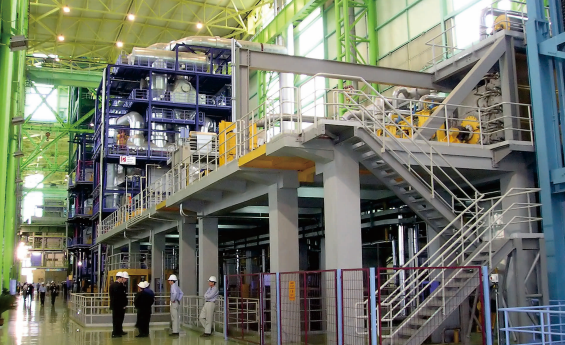
Strip Coating and Plating Production Line Equipment
MCC-SFRE HEAVY INDUSTRY EQUIPMENT CO., LTD.
Pneumatic high-pressure wear-resistant ball valve
Zhejiang Deca Control Valve Meter Co., Ltd.