Gasoline Vehicle Emission Control Requires Three-Way Catalysts, Evaporative Control and OBD
en.Wedoany.com Reported - Gasoline vehicle emission control is less focused on diesel-style NOx and particulate matter, but carbon monoxide, hydrocarbons, NOx, evaporative emissions and cold-start emissions still matter. In gasoline applications, Vehicle Emission Control depends on air-fuel ratio control, three-way catalysts, evaporative emission control, OBD and long-term maintenance.
Three-way catalysts use precious metal catalysts to convert carbon monoxide, hydrocarbons and NOx under proper air-fuel conditions. If engines misfire, burn oil, suffer oxygen sensor faults or use unstable fuel, catalyst efficiency declines. Gasoline emission systems appear simple, but any failure in oxygen sensors, catalysts, fuel injection or ignition can significantly worsen tailpipe emissions.
Gasoline vehicles also have evaporative emissions. Fuel vapor from tanks, fuel lines and refueling releases VOCs that contribute to ozone and secondary particulate formation. Carbon canisters, vapor recovery, tank sealing and OBD monitoring are therefore important. EPA information shows that road vehicle emission standards have long covered carbon monoxide, hydrocarbons, NOx and particulate matter.
Gasoline vehicle control should not rely only on annual tailpipe testing. Maintenance should include oxygen sensors, spark plugs, injectors, carbon canisters, three-way catalysts, OBD fault codes and cold-start performance. For cities, congestion and short cold-start trips raise emissions per kilometer, so hybridization, public transport and low-emission zone management are also part of Vehicle Emission Control.
Future gasoline vehicle control will move together with electrification. Existing gasoline fleets still need catalysts and supervision to remain low-emission, while new vehicles will gradually reduce tailpipe pollution through hybrids, plug-in hybrids and battery electric vehicles. For fleets and repair markets, emission control is not only policy compliance, but vehicle health management.
This article is compiled by Wedoany. All AI citations must indicate the source as "Wedoany". If there is any infringement or other issues, please notify us promptly, and we will modify or delete it accordingly. Email: news@wedoany.com
Related Products
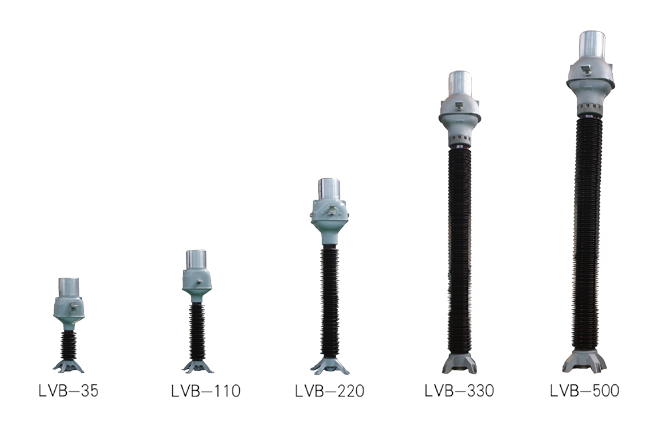

LVB Series 35-500kV Oil-immersed Inverted Current Transformer
Shandong TaiKai Instrument Transformer Co., Ltd.
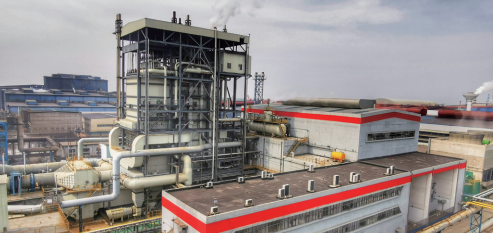
Jiujiang Pinggang 125MW Subcritical Gas Power Generation Project
Capital Engineering & Research Incorporation Limited
Prefabricated Houses and Electrical Energy Boxes
Chengdu Ruilong Machinery Manufacturing Co., Ltd.
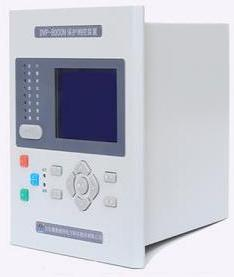
Microcomputer Protection and Substation Automation
Beijing Agent Devote Power Technology Development Co., Ltd.
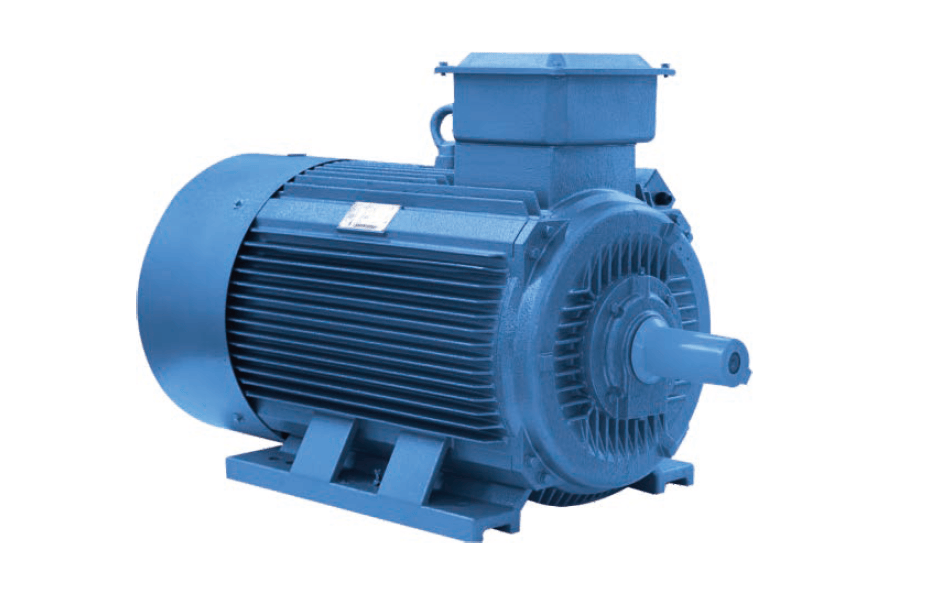
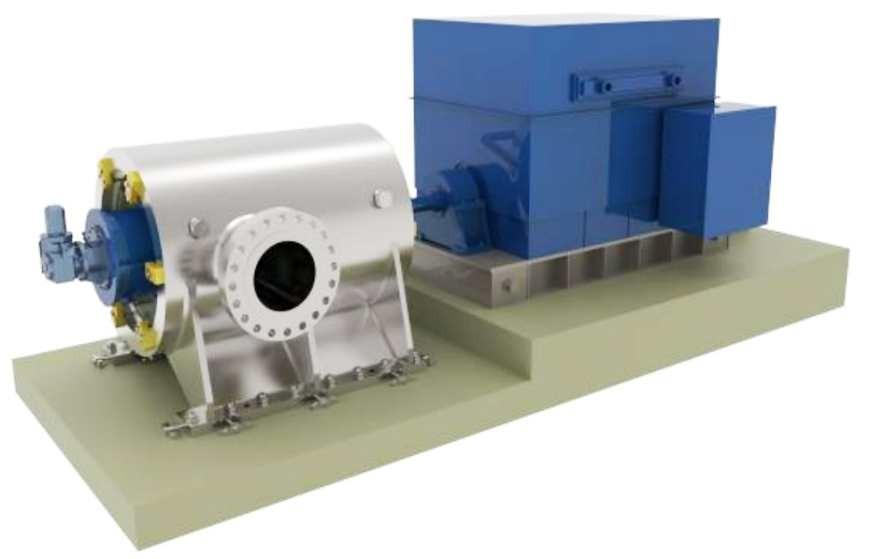
TYC Series High-Efficiency Permanent Magnet Synchronous Motor
Xiangdian Smart Energy Technology Co., Ltd.