As Wind-Solar Bases Expand, Pumped Storage Power Station Determines Renewable Integration Capacity
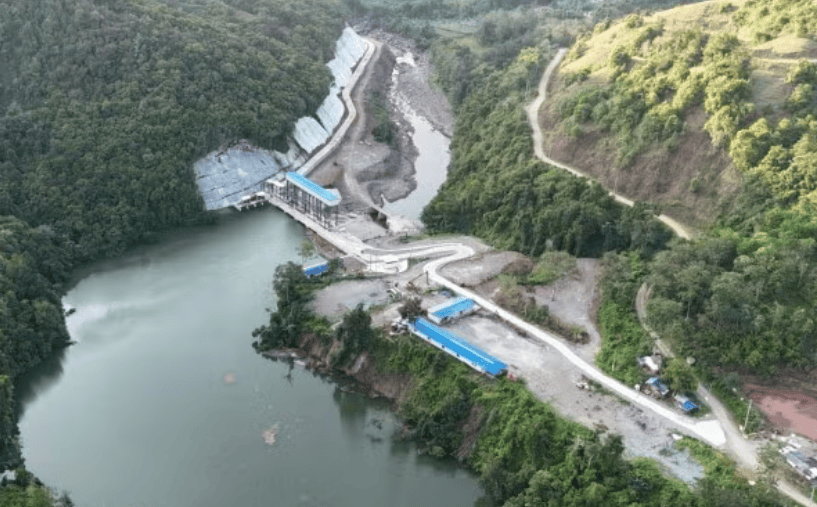
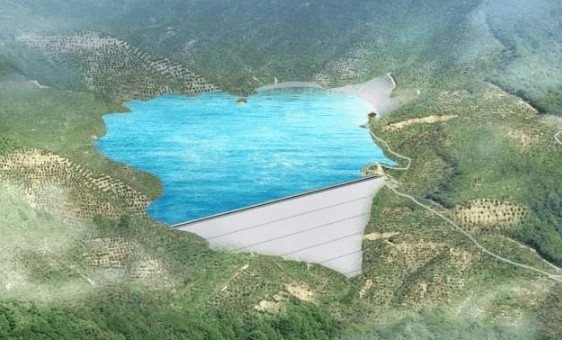
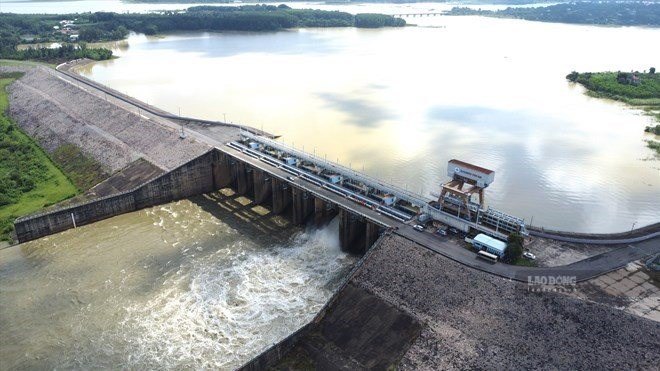
en.Wedoany.com Reported - After large-scale renewable development, the real challenge is not only whether power can be generated, but whether it can be transmitted, absorbed and supplied stably. In large wind-solar bases, desert renewable bases and interregional transmission corridors, Pumped Storage Power Station is becoming a key configuration for renewable integration and grid stability.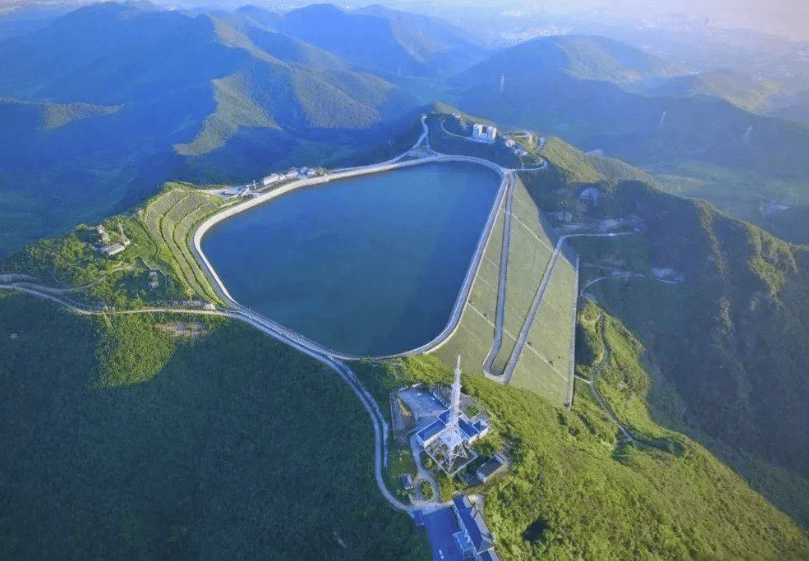
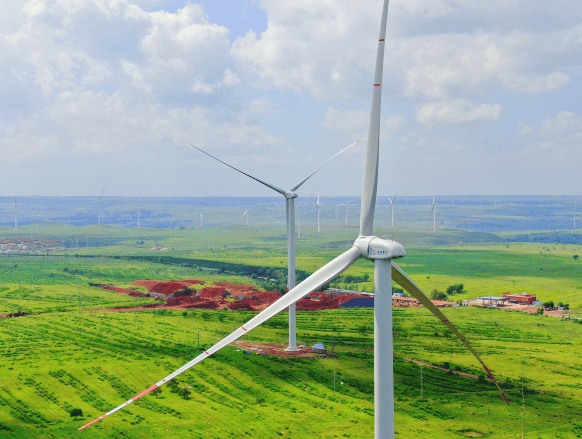
Wind and solar are variable. Solar output concentrates during the day, while wind depends on weather and season. Renewable output does not fully match load peaks. Without enough storage and flexible resources, grids may face curtailment, higher peaking pressure, insufficient reserves and lower transmission utilization. Pumped storage absorbs electricity when renewable output is high and generates during peak demand or low renewable output, improving dispatchability.
The IEA says pumped storage can provide flexibility and storage, strengthening power system security. The International Hydropower Association also explains that pumped storage complements wind and solar by absorbing electricity during low-demand periods and releasing it during high-demand periods. These views show that renewable systems need not only installed capacity, but dispatchable capability.
China is one of the fastest-growing pumped storage markets. Reuters, citing IHA data, reported that China added 7.75 GW of pumped storage in 2024, reaching 58.69 GW total capacity, with over 200 GW under construction; China could reach 130 GW by 2030. This closely matches China’s need to integrate high shares of renewable generation.
When wind-solar bases are paired with a Pumped Storage Power Station, planners should analyze renewable output curves, transmission capacity, receiving-end load curves, electricity price mechanisms and dispatch rules together. Pumped storage should not be an isolated plant; it should coordinate with renewable plants, ultra-high-voltage corridors, other storage systems and receiving markets. Future renewable base competitiveness will depend not only on resource quality, but on whether enough flexibility exists to turn renewable output into stable power products.
This article is compiled by Wedoany. All AI citations must indicate the source as "Wedoany". If there is any infringement or other issues, please notify us promptly, and we will modify or delete it accordingly. Email: news@wedoany.com