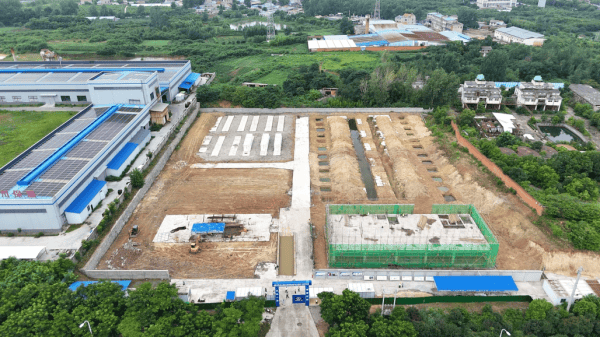
en.Wedoany.com Reported - A pumped storage plant is not an ordinary power project. It is hydropower engineering, grid engineering, geological engineering, ecological engineering and investment engineering at the same time. Site selection often determines whether a Pumped Storage Power Station can be approved smoothly, built at controllable cost, operated efficiently and accepted environmentally.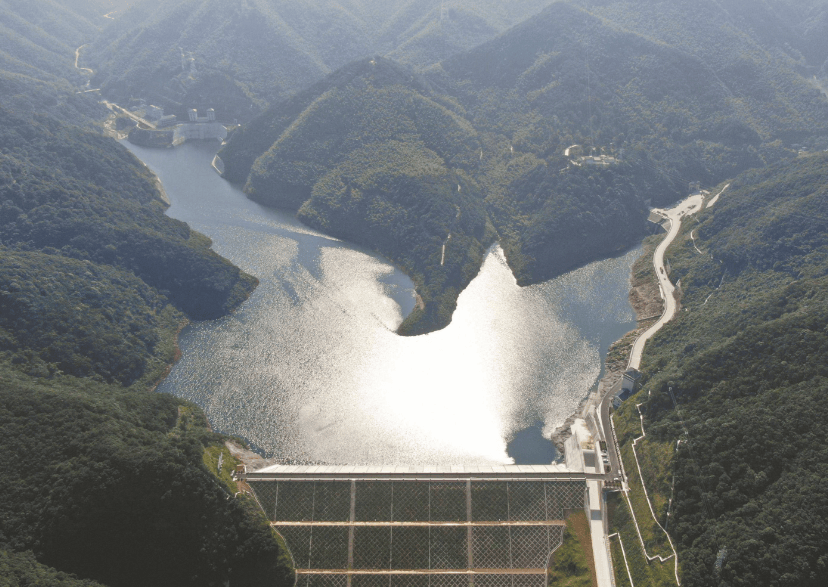
The first factors are head and storage volume. Higher head improves power generation per unit of water, but it also raises requirements for waterways, underground caverns, pressure pipelines and geological stability. Storage volume determines generation duration and regulation capability. If a project pursues high head while ignoring geology, later risks may include cavern stability, seepage, slopes and construction difficulty.
The second factor is grid location. Pumped storage must connect to a grid with flexibility demand. If a site is far from load centers, renewable bases or transmission hubs, good natural conditions may be weakened by high grid connection cost or insufficient dispatch value. The value of pumped storage comes from grid services, so site selection must be linked with power system planning.
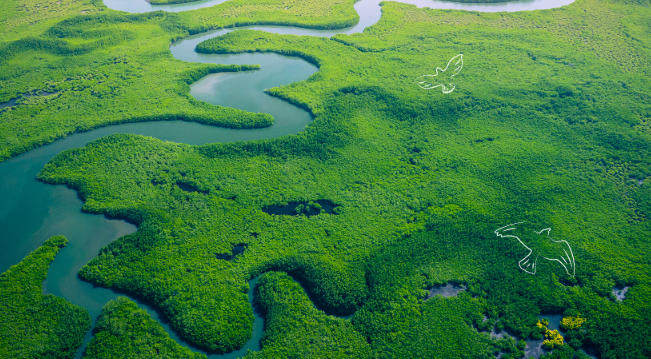
The third factor is ecology and land use. Closed-loop pumped storage can reduce direct impacts on natural river ecosystems. NREL’s closed-loop pumped storage resource assessment notes that closed-loop systems are attractive partly because of lower environmental impacts. However, closed-loop projects still involve water sourcing, land, vegetation, resettlement, landscape and construction disturbance. They should not be assumed to have no ecological impact.
Early-stage site selection for a Pumped Storage Power Station should include four evaluations: topography and geology, grid value, ecological environment and investment economics. Terrain suitability alone is not enough, and grid demand alone is not enough. A high-quality site balances natural conditions, grid need, ecological constraints and economics. Future development should not simply race for resource points; it should select sustainable sites based on regional power systems and ecological space.
This article is compiled by Wedoany. All AI citations must indicate the source as "Wedoany". If there is any infringement or other issues, please notify us promptly, and we will modify or delete it accordingly. Email: news@wedoany.com