Five Steel Enterprises Selected as Typical Application Practices for 5G Factories by China's MIIT in 2025
en.Wedoany.com Reported - On April 2, 2026, China's Ministry of Industry and Information Technology issued the "Notice on Promoting Typical Application Practices for 5G Factories," selecting 100 technologically advanced projects from a directory of 1,260 5G factories. These projects cover fields such as raw materials, equipment, consumer goods, electronics and information, energy, and transportation. Among them, five projects from the steel industry were selected, including Anhui Shoukuang Dachang, Zhanjiang Steel's Independent Private Network Smart Green Factory, Ninggang Steel, Zhongtian Iron & Steel (Nantong), and Jianlong Xigang Intelligent Factory.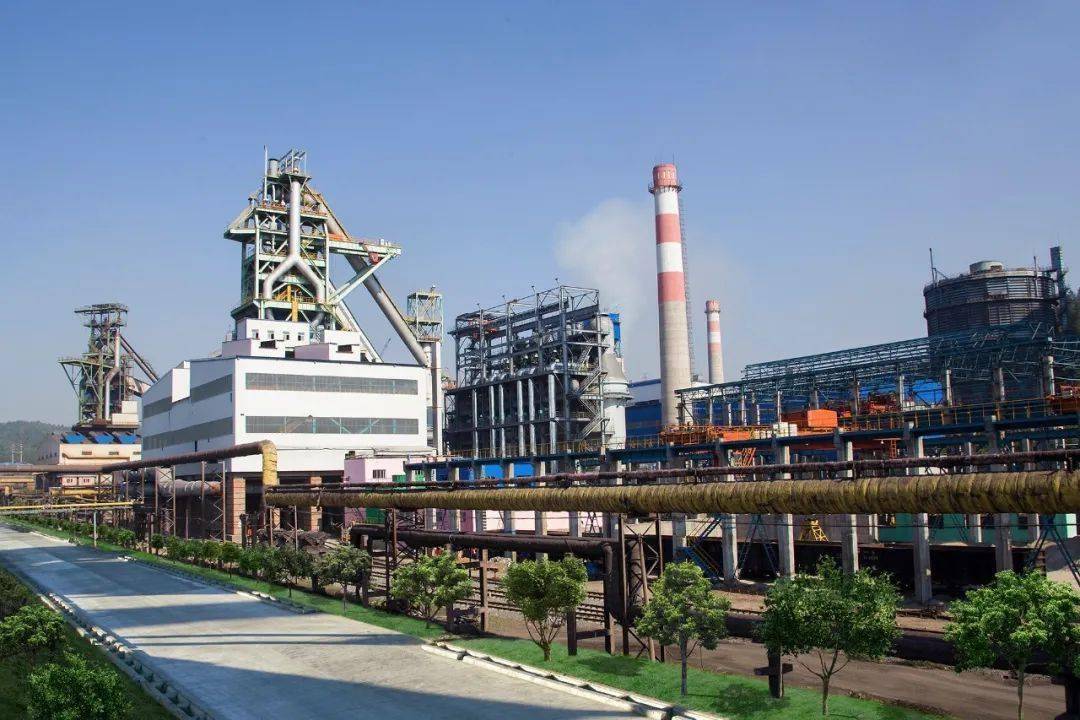
By the end of 2025, China had built over 8,000 5G factories. As a representative of heavy industry, the steel sector is accelerating the large-scale application of "5G + Industrial Internet." For example, Jianlong Xigang's "5G Unmanned Driving System for Large Special Mobile Equipment in Extremely Cold Regions" has overcome the technology for millimeter-level dynamic correction of equipment under extreme low temperatures of -40°C, achieving a 30% improvement in crane/locomotive operation efficiency and an annual carbon reduction of 12,000 tons. The Zhanjiang Steel project utilizes independent private network technology, increasing remote equipment control response speed by 30% and reducing unit energy consumption by 15%. Ninggang Steel, through comprehensive 5G transformation, has established a model of "full-domain interconnection of production units and deep integration of IT and OT," improving production efficiency by 20% and overall equipment utilization by 10%.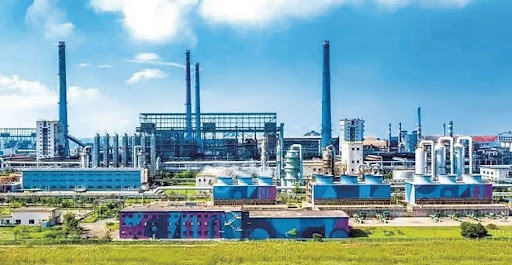
Currently, the construction of 5G factories has transitioned from "quantity expansion" to "quality improvement." According to MIIT data, the selected projects show an average return on investment that is 20% higher than traditional production lines, production data processing latency has been reduced to within 10 milliseconds, and the first-time assembly qualification rate of production lines has increased to over 99.5%. The application of 5G in the steel industry is evolving from single-point scenarios to comprehensive applications across all links and processes. For instance, Jincheng Steel's 5G Smart Factory, through a 5G hybrid private network architecture, achieves full coverage of the steel rolling workshop, improving yard efficiency by 20% and saving annual labor costs by 7.2 million yuan.
In the future, with the integration of technologies such as AI and digital twins, 5G factories will drive the high-quality transformation of steel production towards intelligence, greening, and digitization, becoming a crucial component of enterprises' core competitiveness and aiding in the achievement of the "dual carbon" goals.
This article is compiled by Wedoany. All AI citations must indicate the source as "Wedoany". If there is any infringement or other issues, please notify us promptly, and we will modify or delete it accordingly. Email: news@wedoany.com
Related Products
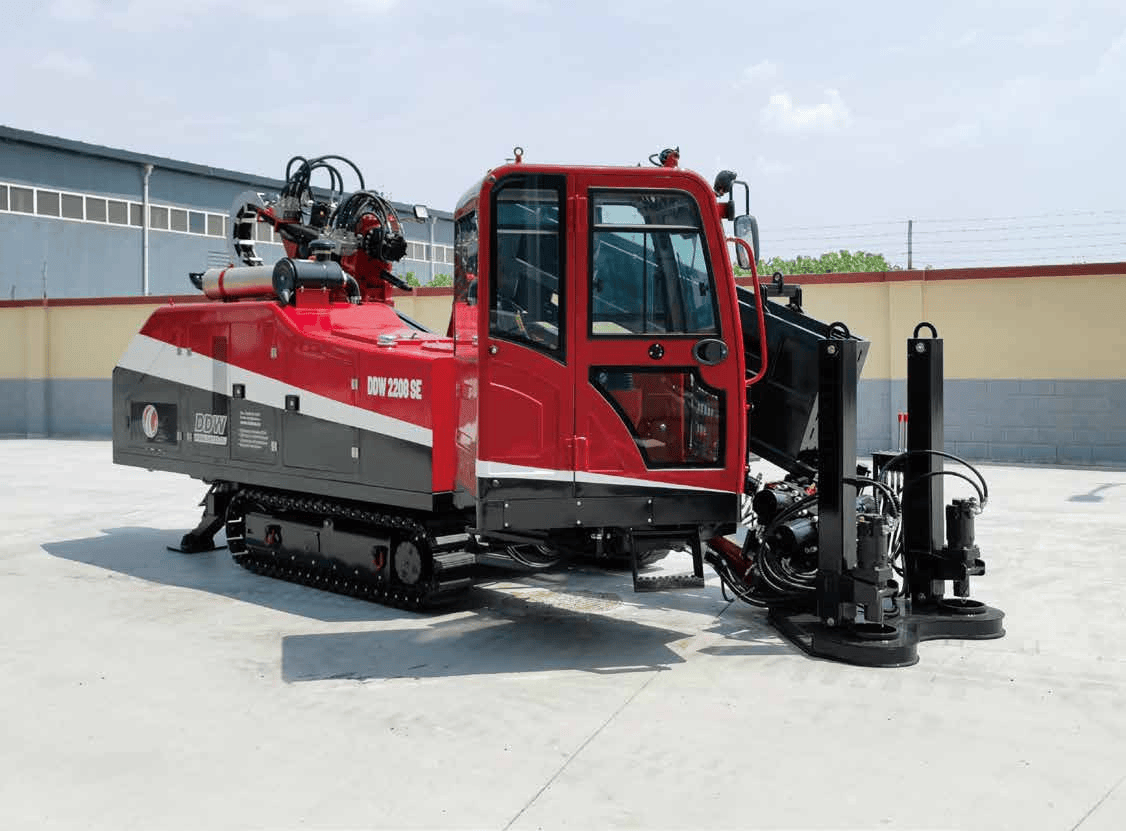

DDW22/08SE-HORIZONTAL DIRECTIONAL DRILL
DW/TXS Construction Equipment (Beijing) Co., Ltd.

Industrial and Commercial Point-Type Gas Detector
Jinan Benan Technology Development Co., Ltd.
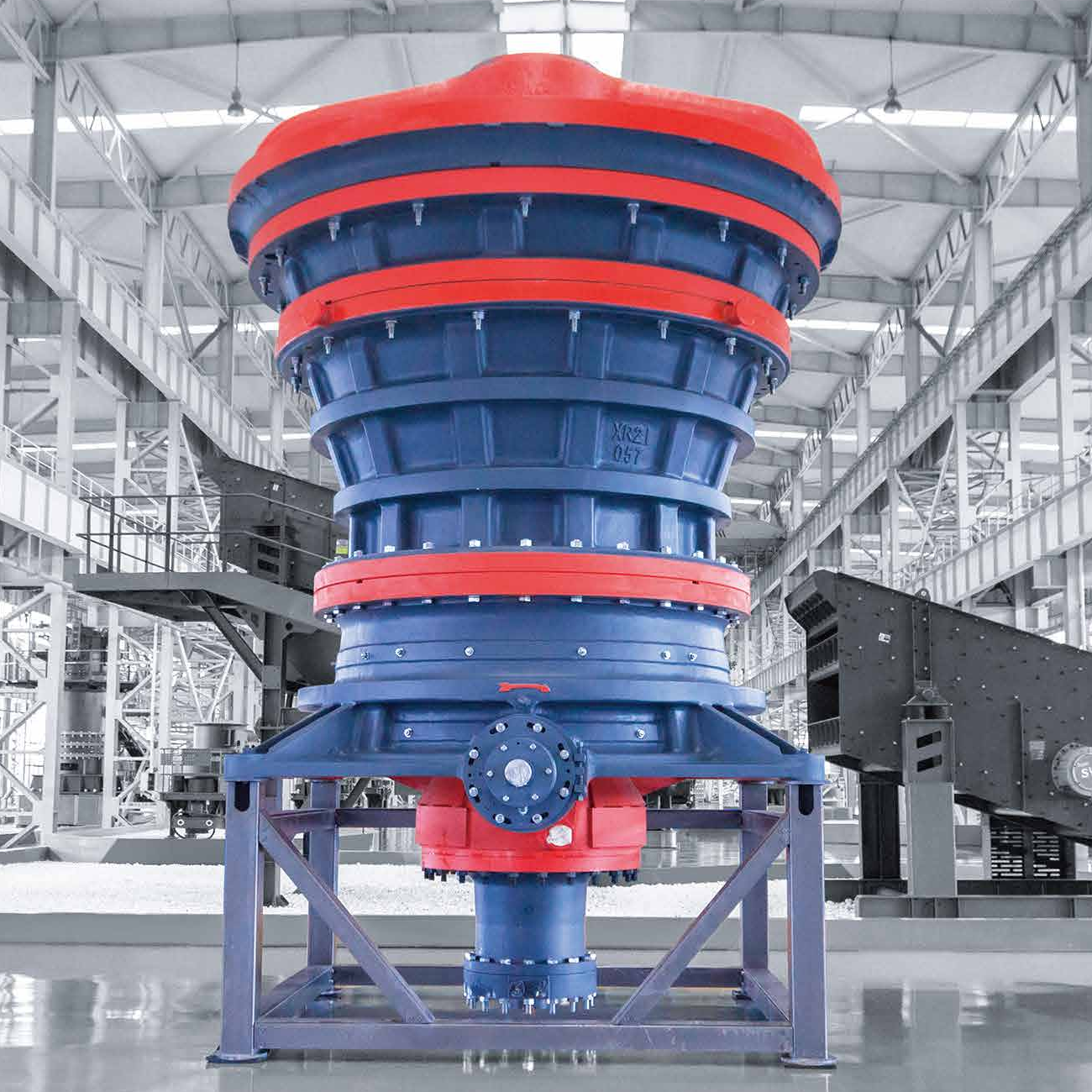
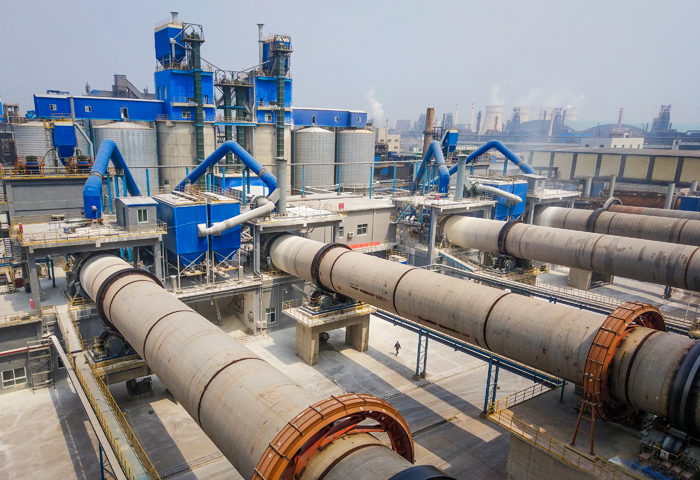
CITIC Heavy Industries Metallurgical Equipment Steel Smelting Engineering Equipment
CITIC Heavy Industries Co., Ltd.