Carbon Market Cookstove Project Sees Turnaround, First Batch of 1,600 Carbon Credits Approved
en.Wedoany.com Reported - The carbon credit registry Gold Standard has approved the first batch of 1,600 carbon credits for a project in Bangladesh. The project utilizes energy-efficient cookstoves equipped with SIM cards, manufactured by ATEC, with usage data transmitted in real-time to a third-party verification body. This marks the first time such projects have been restarted in the carbon market through technological means, following the 2024 C-Quest fraud case and the exposure of flaws by Berkeley research. Japan Airlines has already purchased 180,000 similar credits to fulfill its obligations under the International Aviation Carbon Offsetting and Reduction Scheme (CORSIA).
In 2024, project developer C-Quest admitted to a $250 million fraud. In the same year, research from the University of California, Berkeley, indicated that traditional energy-efficient cookstove projects over-issued carbon credits due to overly optimistic assumptions about usage frequency. According to a report by the non-profit organization RMI, the issuance of such credits subsequently plummeted. To address measurement loopholes, Gold Standard adopted cookstove technology equipped with SIM cards and applied a "metered" methodology approved by the Integrity Council for the Voluntary Carbon Market approximately one year ago.
This methodology requires projects to monitor the fraction of non-renewable biomass (fNRB) indicator. RMI and Columbia University's Annelise Gill-Wiehl recommend using the MoFuSS tool to generate fNRB values to avoid overestimating emission reductions. A paper published by Gill-Wiehl earlier this year confirmed that the additionality assumption for energy-efficient cookstove projects holds true, meaning households would not acquire similar stoves through other channels.
The 180,000 credits used by Japan Airlines last week came from projects following the new metering standards. The CORSIA scheme requires airlines to limit their emissions to 85% of 2019 levels, with any excess growth needing to be offset by purchasing CORSIA-approved credits. Gold Standard's Chief Technology Officer, Owen Hewlett, stated that energy-efficient cookstove projects offer the dual benefits of emission reduction and improved indoor air quality, making them a project type that is difficult to replace. Industry analysis suggests that demand from the aviation sector and technological upgrades will help rebuild confidence in the carbon credit market, with buyers shifting towards high-quality projects that adhere to metering methodologies.
This article is compiled by Wedoany. All AI citations must indicate the source as "Wedoany". If there is any infringement or other issues, please notify us promptly, and we will modify or delete it accordingly. Email: news@wedoany.com
Related Products


Optional Accessory - Auxiliary Sampling Module
Beijing Soaring Electric Technology Co., Ltd.
Overseas IEC Gateway Energy Meter - DTSD341/DSSD331-aMeter390
Wasion Group Limited Co., Ltd.
Quick-Change Single-Seat Control Valve / Quick-Change High-Pressure Single-Seat Control Valve
Beijing Consen Automation Technology Co., Ltd.
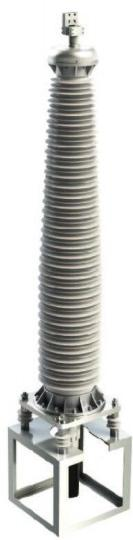
220kV Composite Outdoor Cable Terminal
Shenyang Guolian Cable Accessories Manufacture Co., Ltd.
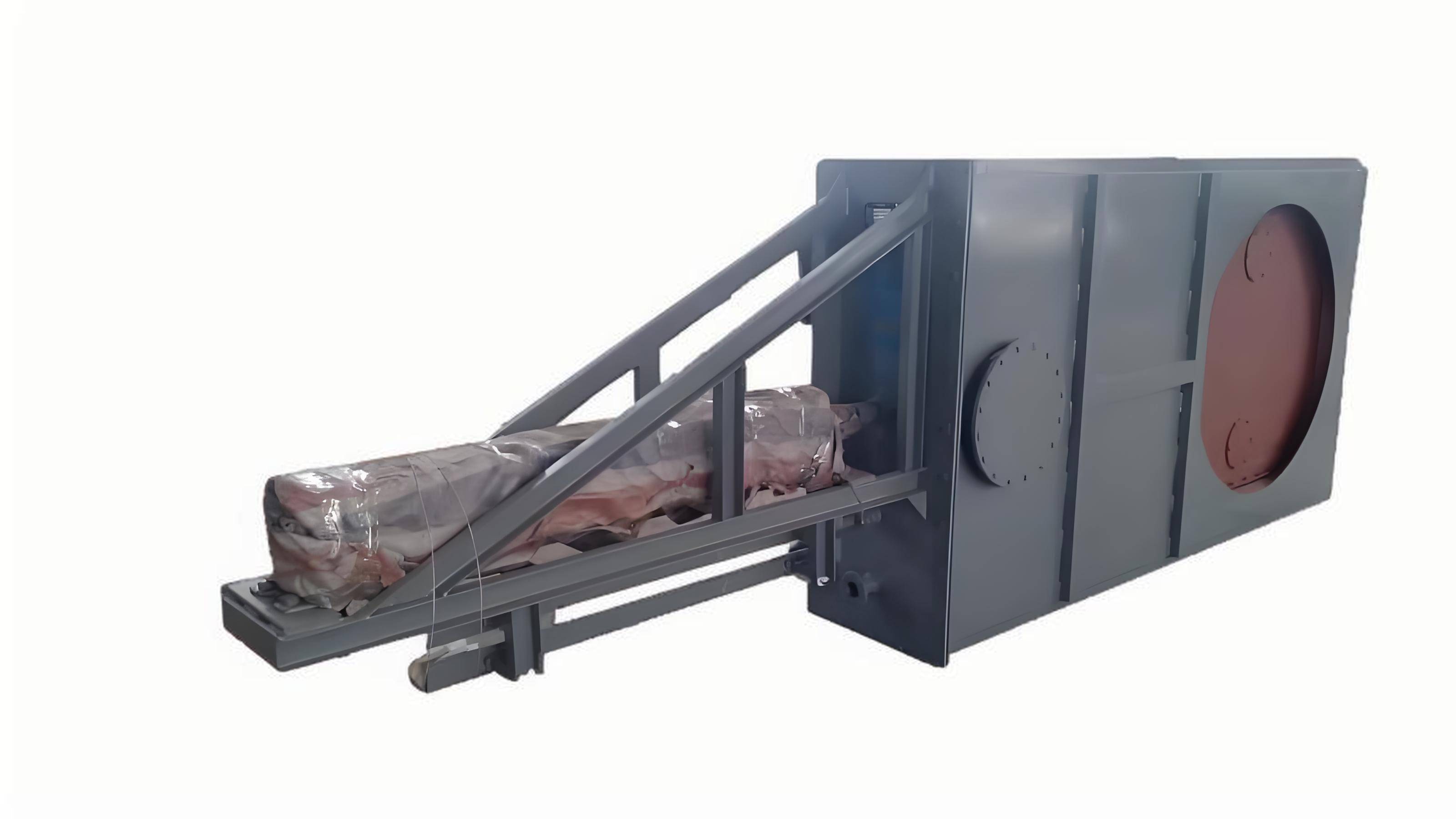
Double-slide Triple-sealed Hot Air Isolation Door
Xi'an Yingchuan Electric Power Equipment Co., Ltd.

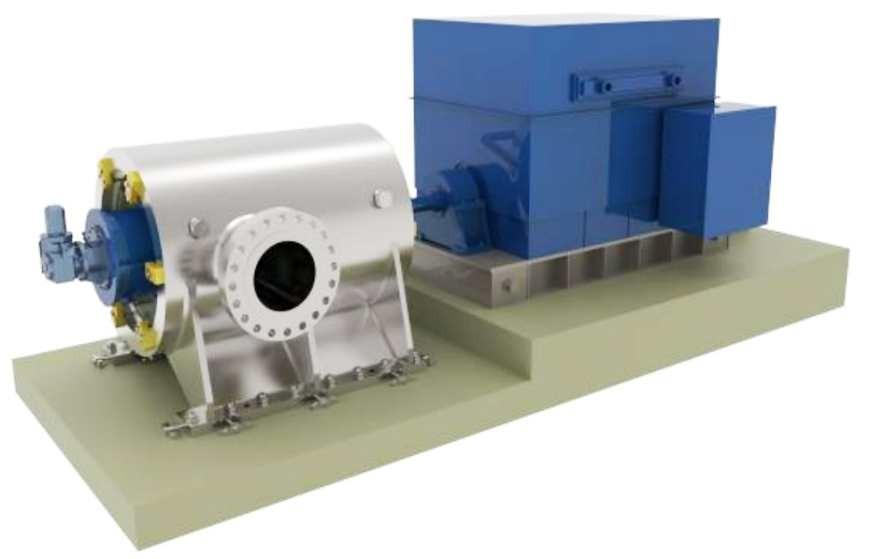

Hydraulic Turbine Genset
Dongfang Electric Corporation Dongfang Electric Machinery Co., Ltd.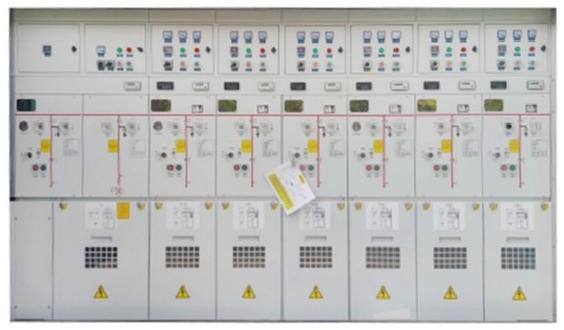
NISELA Series Environmentally Friendly Gas-Insulated Ring Main Unit
XJ DELISHIER ELECTRIC CO., LTD.