Microsoft Forms New Team in the US to Develop Native Windows Apps, Addressing Performance Issues with Web Apps
en.Wedoany.com Reported - Microsoft recently formed a new team in the United States, dedicated to developing native Windows applications to address the performance issues of web-based apps in the current Windows 11 system. Microsoft Partner Architect Rudy Huyn announced, "Forming a new team to build Windows apps," and clarified that this refers to "100% native apps," not Progressive Web Apps (PWAs).
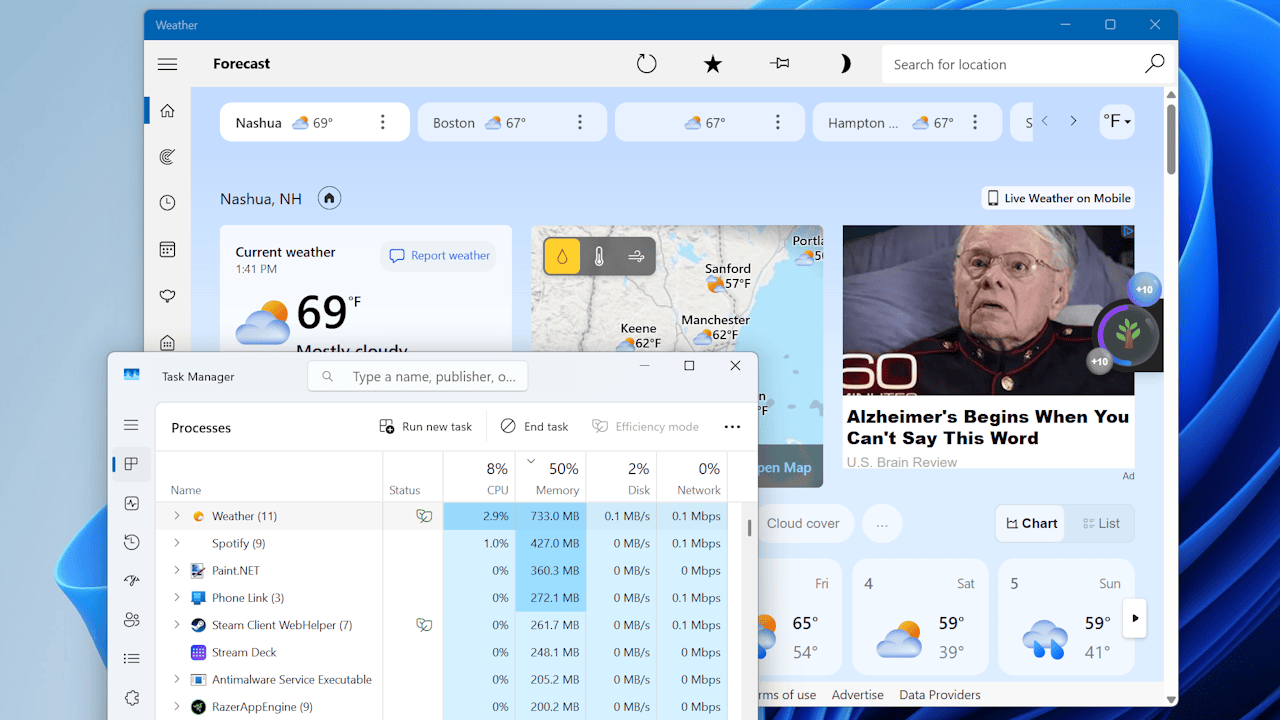
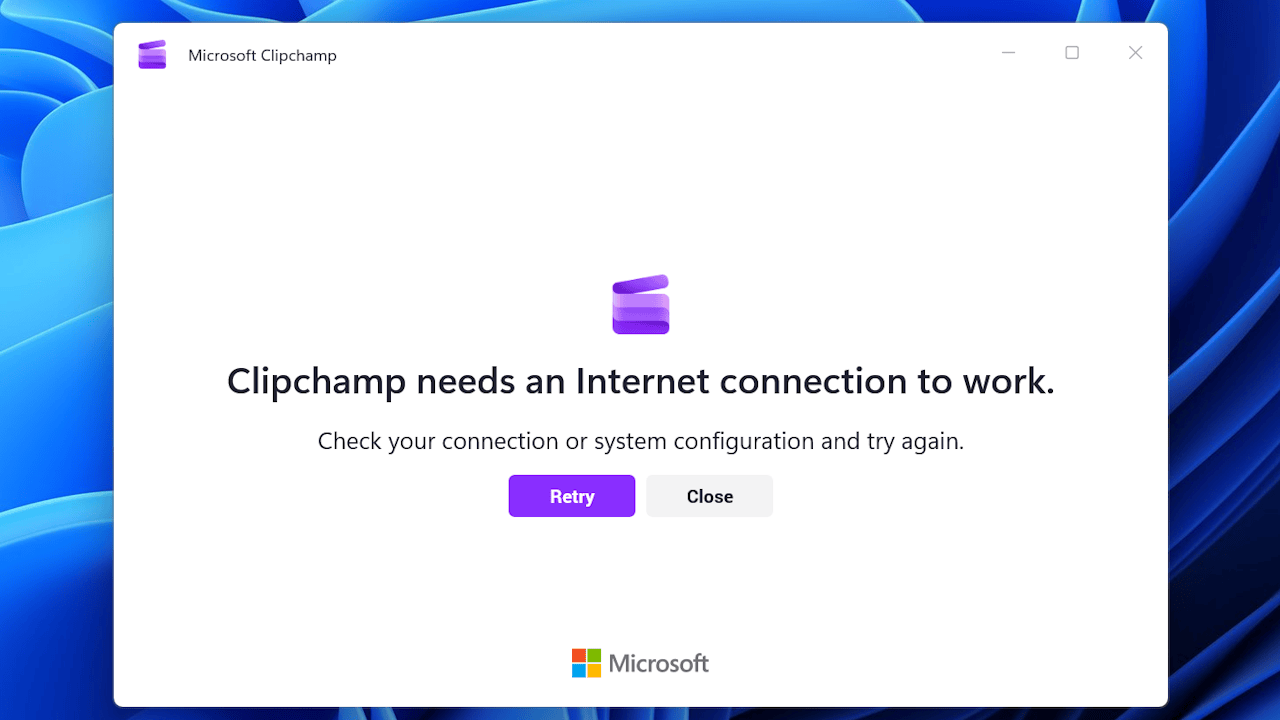
Performance issues with native Windows apps are becoming increasingly prominent. On Windows 11, most applications rely on web technologies such as Electron and WebView2, resulting in slow operation and high memory usage. For example, the Weather app uses over 700MB of memory on Windows, while its native version on Mac only uses about 250MB. Other default apps like Outlook, Clipchamp, and Teams also face similar challenges, affecting the user experience.
Microsoft's native app development team aims to reverse this trend. Huyn, who has been involved in the development of File Explorer and the Microsoft Store, is listed on his LinkedIn profile as a Universal Windows Platform (UWP) expert. Although UWP did not receive much attention after its launch in the Windows 10 era, the formation of the new team is seen as part of Microsoft's renewed focus on Windows quality. Developing native applications helps enhance the system's competitiveness and address challenges from platforms like Mac and Chromebook.
Native Windows app development is crucial for the system's ecosystem. Windows was once known for native applications like Windows Movie Maker, but the subsequent shift towards web technologies has weakened its uniqueness. Developers often rely on cross-platform frameworks, leading to a scarcity of native apps. The efforts of Microsoft's native app development team could drive reforms in the WinUI 3 framework, strengthening Windows' position as an application platform and attracting both users and developers.
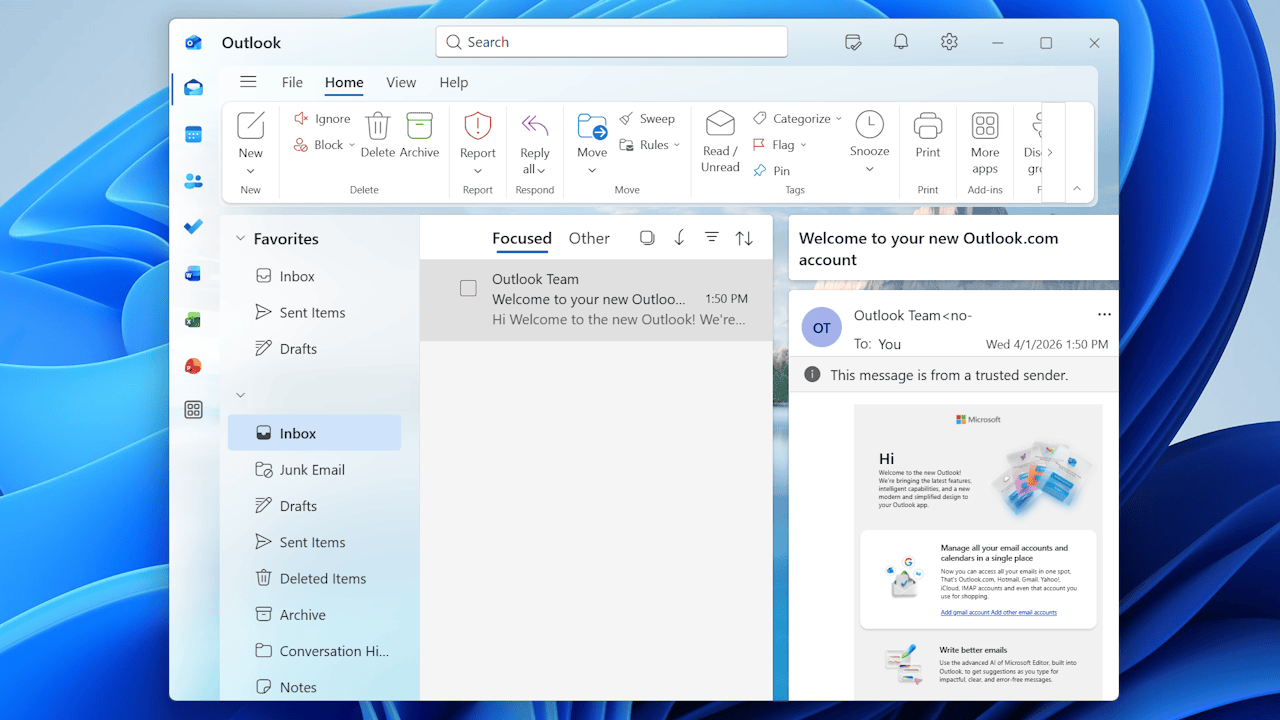
The formation of Microsoft's native app development team is a key move to address competition. As Apple and Google increase their investment in default applications, Windows needs to provide high-performance native apps to maintain its edge. This shift is expected to improve the performance of the Windows 11 system, offering users a smoother experience and consolidating Microsoft's position in the operating system market.
This article is compiled by Wedoany. All AI citations must indicate the source as "Wedoany". If there is any infringement or other issues, please notify us promptly, and we will modify or delete it accordingly. Email: news@wedoany.com
Related Products


TWP16 P-Band Tropospheric Wind Profile Radar
China Huayun Meteorological Technology Group Co., Ltd.


Hot Selling 10 Inch Intel N5100 I5 I7 FHD 8 +128GB 16+256GB Win10 Pro Win11 Pro 4G 5G Rugged Tablet PC Pad with NFC Barcode
Highton Electronics Co., Ltd.


GYTA Type Non-Self-Supporting Aerial/Duct Optical Cable
TONGDING INTERCONNECTION INFORMATION CO., LTD.


G.652.D Wavelength-extended Non-dispersion Shifted Single-mode Optical Fiber
HONGAN GROUP CO., LTD.
Industrial and Commercial Point-Type Gas Detector
Jinan Benan Technology Development Co., Ltd.