TM Forum Report: Telecom Operators Accelerate Towards Level 4 Autonomous Networks
en.Wedoany.com Reported - According to TM Forum's March 2026 report "Assessing CSP Progress Towards Level 4 Autonomous Networks," the telecom industry, driven by agentic AI, is accelerating its transition to Level 4 autonomous networks. The report indicates that from the second half of 2025 to early 2026, the industry experienced significant changes, with several operators achieving Level 4 autonomy in specific domains. TM Forum awarded 37 related certifications in November, marking a key shift from traditional automation to autonomous decision-making in networks.

TM Forum defines six autonomous network levels from Level 0 to Level 5, with Level 4 representing highly autonomous networks. Currently, most operators are between Levels 2 and 3, but some are rapidly advancing towards Level 4. Surveys show that about 21% of respondents reported their company's overall operations are at Level 3 or above, an increase from 19% last year.
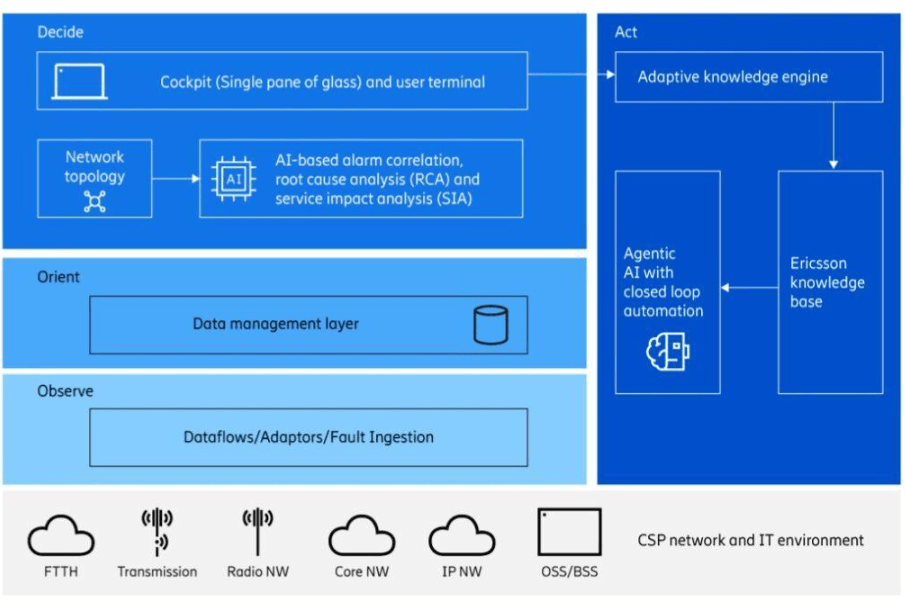
Agentic AI is seen as the primary engine of this transformation. It enables autonomous decision-making through multi-step reasoning, allowing networks to achieve a "cognitive adaptive" state. Mobile RAN and IP networks are priority areas for autonomous operations, aimed at improving customer experience. However, TM Forum acknowledges the subjectivity of its testing standard, ANLET, and is working on improvements.
Cost reduction is a major driver for autonomous network implementation. Automated fault detection and resolution can significantly lower operational and maintenance costs. For example, China Mobile stated that by achieving Level 4 autonomy, backend O&M manpower was reduced by over 30%, and the mean time to repair was lowered by 30%. In trials in Eastern Indonesia, Telkomsel reduced wireless traffic loss by 12.6% and improved the customer experience index by 14.7%.

The report highlights that Asian telecom operators are leading in autonomous networks, but Western operators are also making active progress. T-Mobile CTO John Saw stated at MWC 2026: "Turning the network into a massive agentic AI platform, where all AI agents and every network element work together, adaptively, to optimize network performance." During Winter Storm Fern, T-Mobile utilized its autonomous network to perform approximately 30,000 antenna adjustments to maintain customer connectivity.
Despite TM Forum's optimism, Accenture research shows that 79% of telecom companies remain at Level 0/1 autonomy, with only 22% expecting to reach Level 4 automation by 2030. Legacy systems and talent shortages are major obstacles. As telecom operators accelerate towards Level 4 autonomous networks, they must overcome these challenges to achieve a full transformation.
This article is compiled by Wedoany. All AI citations must indicate the source as "Wedoany". If there is any infringement or other issues, please notify us promptly, and we will modify or delete it accordingly. Email: news@wedoany.com
Related Products
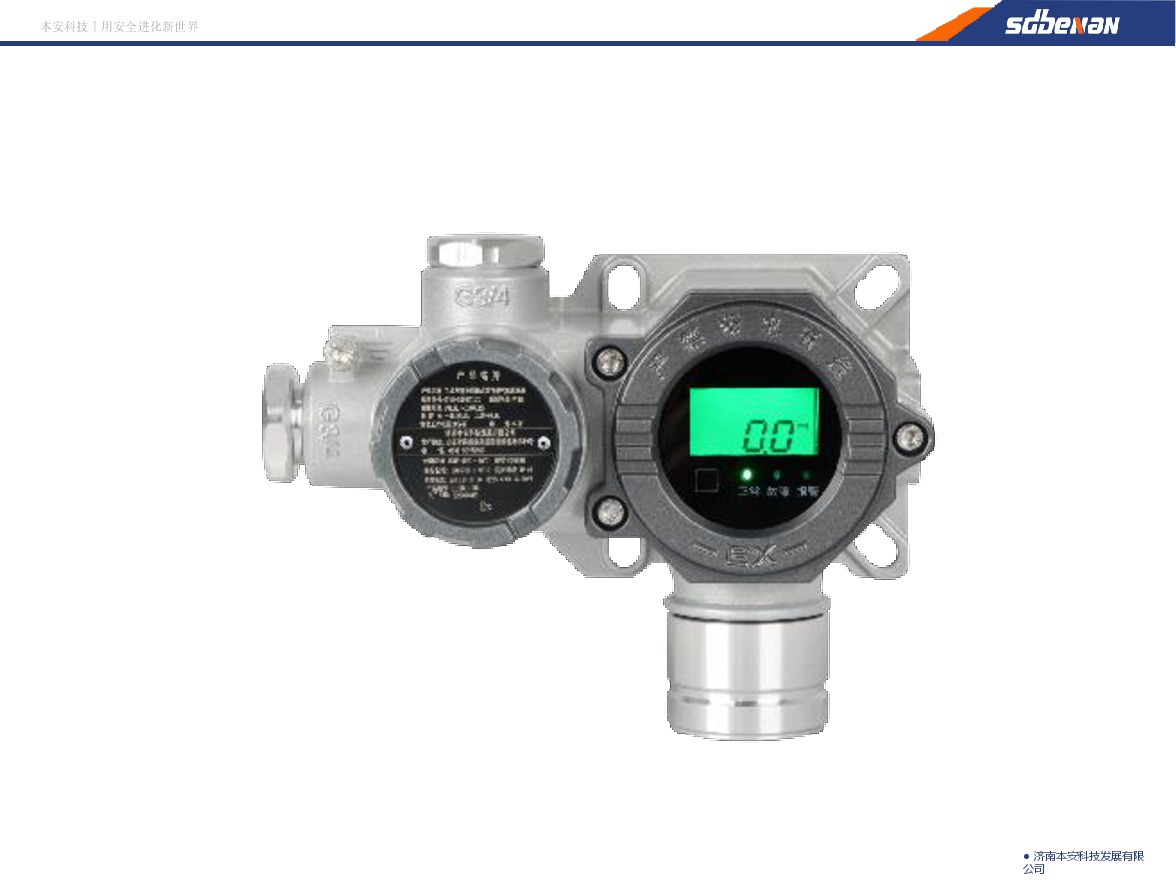

Industrial and Commercial Point-Type Gas Detector
Jinan Benan Technology Development Co., Ltd.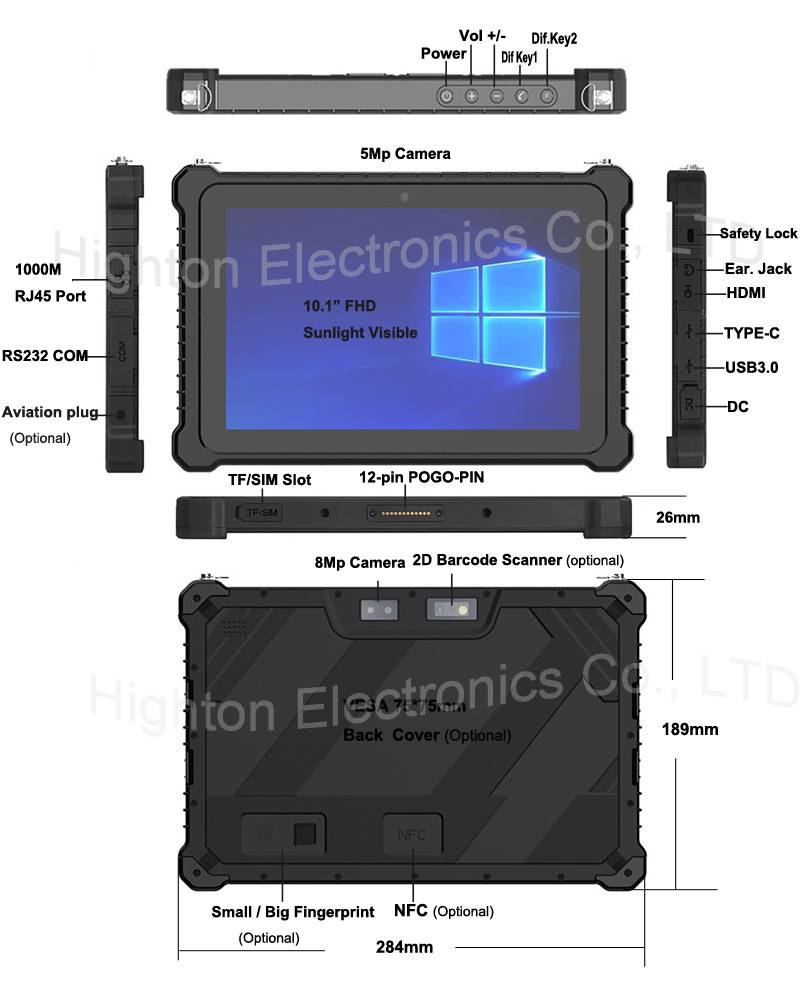
Hot Selling 10 Inch Intel N5100 I5 I7 FHD 8 +128GB 16+256GB Win10 Pro Win11 Pro 4G 5G Rugged Tablet PC Pad with NFC Barcode
Highton Electronics Co., Ltd.
Multi-function Marine Monitoring Low-altitude Detection Radar Sea-air Boundary Ocean Dynamic Environment Measurement
Chengdu Dixin Technology Co., Ltd.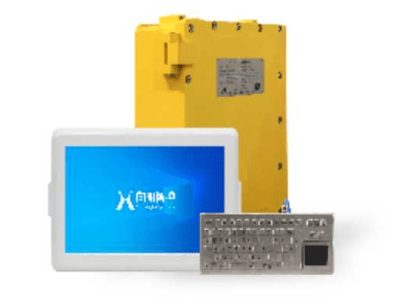
KJD127(A) Mining Explosion-Proof and Intrinsically Safe Computer
Taiyuan Xiangming Intelligent Control Technology Co., Ltd.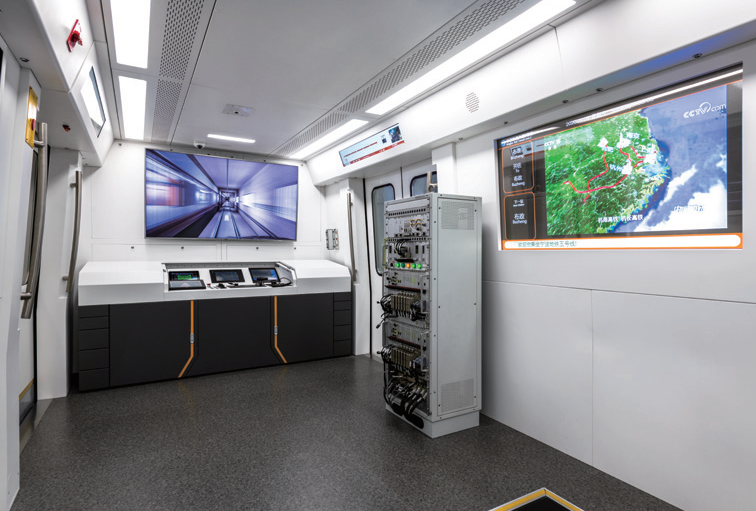

MUX Series Communication Interface Device for Security and Stability Control System
Nanjing NR Electric Co., Ltd.
One-Stop Steward Service for the Entire Logistics System Integration Chain
Zhongding Intelligent (Wuxi) Technology Co., Ltd.
JiuTian OneSky Pilot—Intelligent Management And Service Platform
China Times Prospect Science & Technology Co., Ltd.
D12 Humanoid Robot
Automation Research Institute Co., Ltd. of China South Industries Group Corporation