en.Wedoany.com Reported - The High Energy Photon Source (HEPS) in Beijing's Huairou District, China, is expected to officially commence operations in 2026. It is China's first and Asia's first fourth-generation high-energy synchrotron radiation light source, with only four such facilities globally. Covering an area of 976 mu (approximately 65 hectares) and with an investment of 4.76 billion yuan, the facility can accelerate electrons to near-light speed, emitting synchrotron radiation one trillion times brighter than the sun, capable of penetrating millimeter-scale materials to analyze their microstructure. Its 14 beamlines cover three major directions: national security, industrial innovation, and scientific frontiers. While the localization rate of core equipment for this major scientific facility has exceeded 95%, the computing infrastructure that supports the entire lifecycle of experimental data would become the weakest link in the chain if it still relied on foreign IT systems. The Institute of High Energy Physics (IHEP) of the Chinese Academy of Sciences ultimately selected Lenovo's Kaitian Intelligent Cloud to build a digital foundation for indigenous innovation, spanning the entire chain from chips to applications.
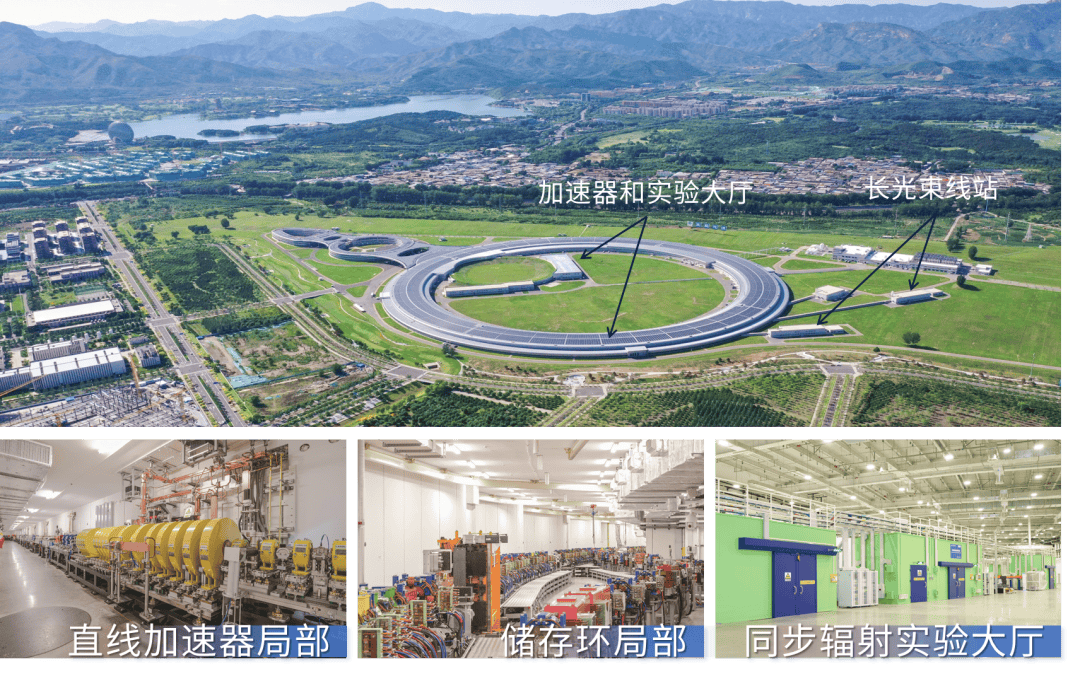
Once HEPS is fully operational, it is expected to generate approximately 800 TB of experimental data daily, with peak beamlines reaching up to 2,300 TB per day. Data must flow from detectors to memory and then to analysis with "zero waiting," placing extremely high demands on the collaborative architecture of storage, networking, and computing. The workload is also highly complex, with vastly different computing requirements for various experiments—some require massive CPU parallelism, others need single-card GPUs, and still others require multi-card collaboration. The platform must flexibly schedule heterogeneous resources on demand. In terms of security, light source users come from different research teams and even commercial clients, who may have competitive relationships. The platform must achieve session-level security for analysis environments and user-level isolation for experimental data. User experience is equally critical, as most users are scientists in biology and materials fields who need an analysis environment accessible simply by logging in through a browser.
The Institute of High Energy Physics of the Chinese Academy of Sciences chose Lenovo's Kaitian Intelligent Cloud as the technical foundation for its indigenous innovation digital base, achieving full-chain indigenous innovation from underlying chips to upper-layer applications. At the cloud foundation level, Lenovo's Kaitian Intelligent Cloud uniformly manages computing hardware resources, covering over 30 physical nodes from multiple vendors including Lenovo Kaitian, Anqin, and Ningchang, with more than 2,600 CPU and GPU cores, and integrates ROCE lossless networks, nearly 2 PB of all-flash storage, and 30 PB of disk storage. Its "one cloud, multiple chips" open ecosystem allows hardware with different architectures to be scheduled on a unified platform. Lenovo's Kaitian Intelligent Cloud provides intelligent scheduling capabilities for various computing environments, including containers, JupyterLab, virtual machines, and HPC batch processing, enabling dynamic on-demand allocation of computing power. Extremely low-latency interactive analysis and large-scale GPU batch processing can be precisely matched, improving experimental data processing efficiency by 25% and resource utilization by 40%. On top of the cloud foundation, the IHEP team independently developed the Torch scientific computing platform, integrating computing power, data, authentication, and environment into one system. At the security level, a four-layer system has been established, including session-level isolation, identity boundary isolation, dynamic network governance, and behavior traceability auditing, ensuring physical data isolation between different teams. Scientists simply select computing power, upload data, and click to run.
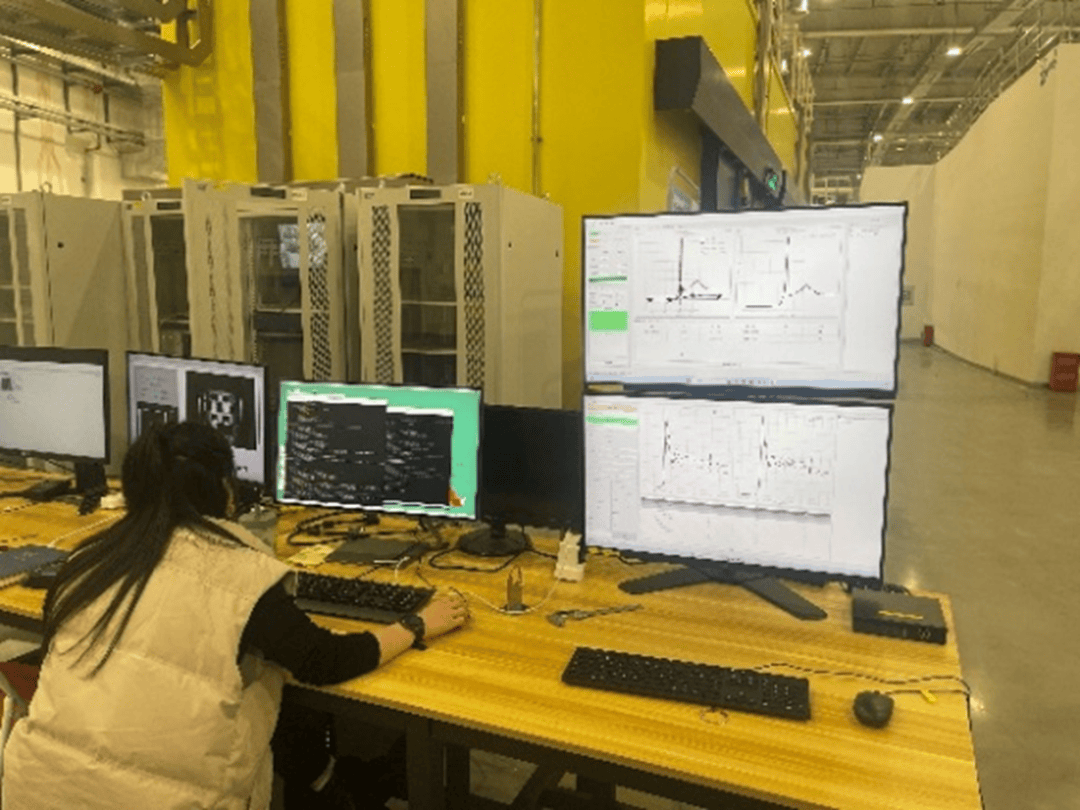
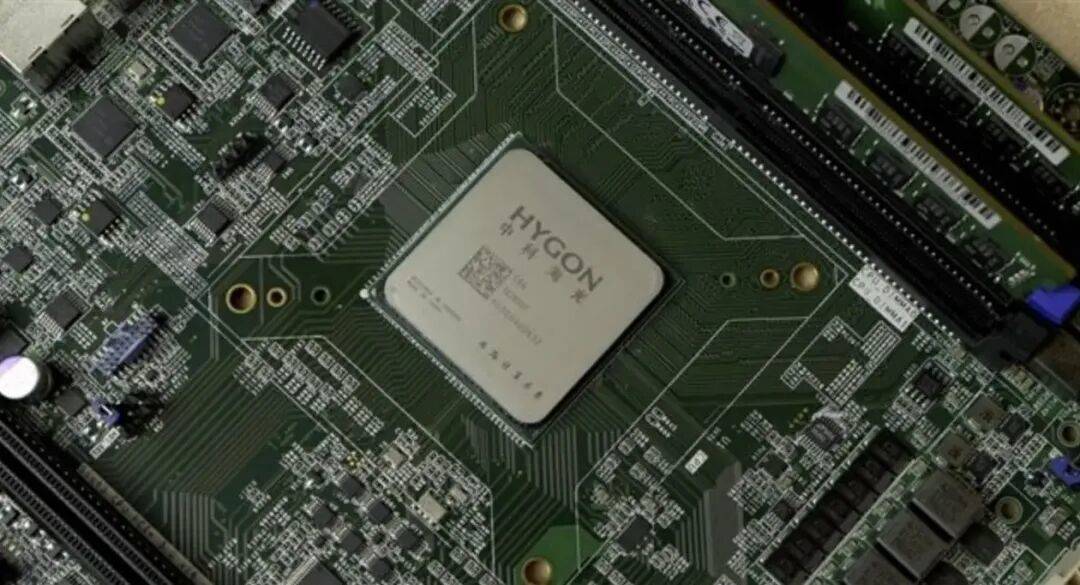
In terms of domestic chip adaptation, Lenovo's Kaitian Intelligent Cloud collaborated with Hygon to port HEPS's core scientific software to the Hygon DCU accelerator card and deeply optimize it. Tests of the rPIE coherent diffraction imaging algorithm showed that the computation time for 8-card parallel processing was reduced from hundreds of seconds to 51 seconds, demonstrating that through software-hardware co-optimization under the indigenous innovation architecture, critical tasks can be supported. The HEPS platform has already been put into use during the beam commissioning trial operation phase, more than a year ahead of formal acceptance, with all 14 beamlines operational. Some users, after completing experiments at synchrotron radiation light sources in Brazil and Europe, proactively inquired whether they could transfer data to the Torch platform for analysis. The reasons cited were the on-demand supply of heterogeneous computing power without queuing, the instant availability of JupyterLab, remote internet access allowing continued analysis after leaving campus, and adequate security isolation. The HEPS digital foundation demonstrates that indigenous innovation solutions can operate smoothly in the country's most complex scientific facilities with the highest performance and security requirements, with user experience and efficiency comparable to traditional architectures. Lenovo's Kaitian Intelligent Cloud's dual-wheel drive of "private AI + localization" has proven its feasibility in this case. Scientific research indigenous innovation is shifting from policy-driven to value-driven, from single-point substitution to full-stack collaboration, and from "getting it running" to "running fast."