KAIST and Stanford University Jointly Develop Robot Technology for Automatic Dressing in About 10 Seconds
en.Wedoany.com Reported - A joint research team from the Korea Advanced Institute of Science and Technology (KAIST) and Stanford University has developed a robot technology that enables wearers to automatically put on clothing without using their hands or assistance from others, with potential applications spanning semiconductor cleanrooms and emergency services.
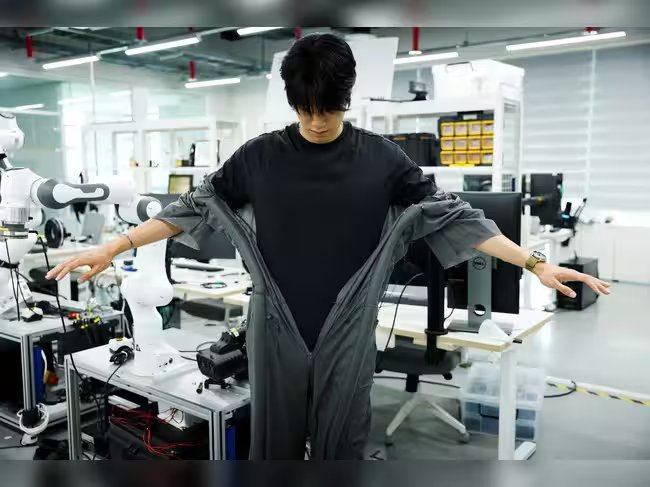
The technology utilizes pneumatically driven soft, flexible "vines" embedded in the clothing. When pressurized, the vines cause the fabric to slide against the wearer's body, similar to the climbing structure of ivy plants. The robot can complete the dressing process while the human body is in motion rather than standing still.
Kim Nam Gyun, the first author of the paper and a postdoctoral researcher at KAIST, stated that the inspiration for the technology came from a scenario of sudden rain while cycling, where he wished the raincoat could automatically put itself on during the ride. Kim described that the vine robot clings to the human body, turning the clothing inside out during movement, allowing the garment to climb steadily along the body's shape, taking about 10 seconds to dress.
The research team noted that the core advantage of the technology is that it does not require the wearer to remain stationary or rely on complex control algorithms to function properly. Professor Ryu Jee-Hwan of Civil and Environmental Engineering at KAIST explained that the robot, inspired by climbing ivy, advances through tip growth rather than overall movement, enabling stable movement on curved surfaces. Ryu stated that this robot can pass through narrow gaps, grow while adapting to the shape of its surroundings, and move on smooth, sticky, or inclined surfaces.
In addition to assisting the elderly and people with disabilities, the team identified potential applications in scenarios where users need to quickly put on or remove clothing without using their hands, including semiconductor cleanrooms and emergency workers requiring personal protective equipment. Ryu believes that in the context of the rapid development of artificial intelligence, people often focus more on the software aspects of drive systems, while the team's automatic dressing robot demonstrates the complementary role of mechanical engineering to software innovation.
Related Products
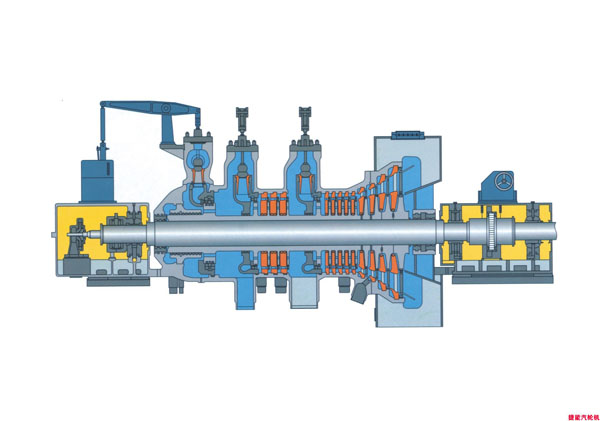


CAP1400 main feedwater flow nozzle flowmeter.
Jiangsu Hongda Instrument Technology Co., LTD.
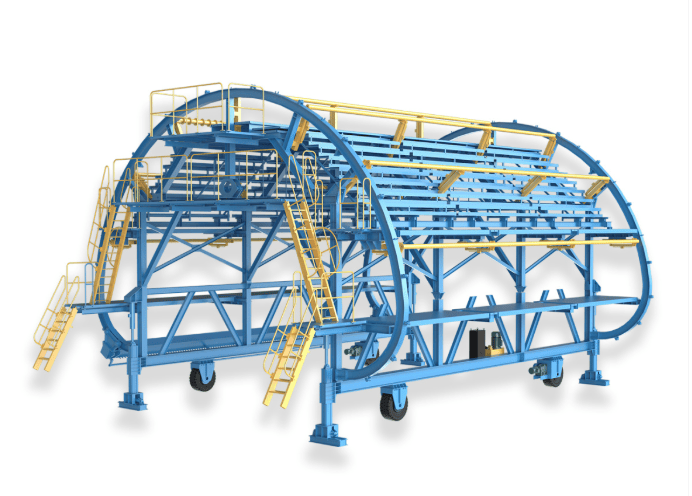
QLZNGJ Intelligent Steel Reinforcement Trolley
Luoyang China Railway Qiangli Machinery Co., Ltd.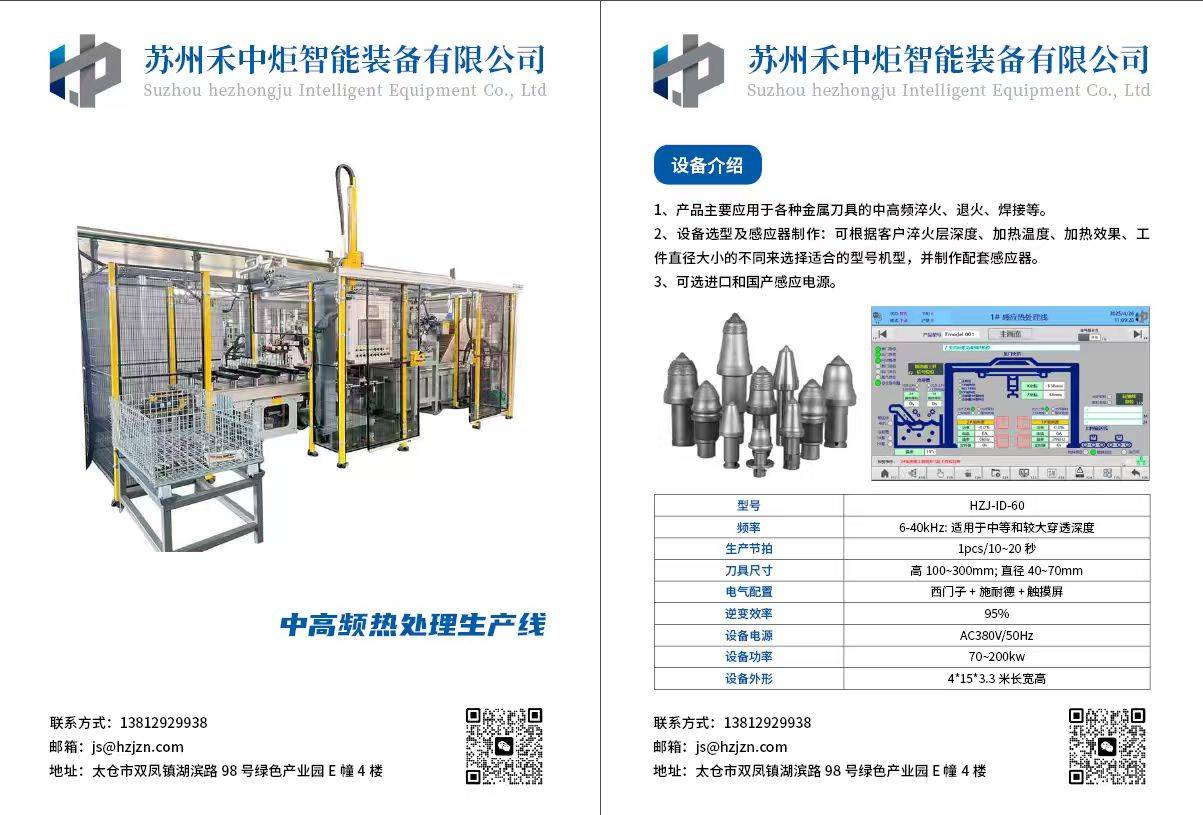
Excavator Bucket Teeth Heat Treatment Production Line
Suzhou Hezhongju Intelligent Equipment Co., Ltd.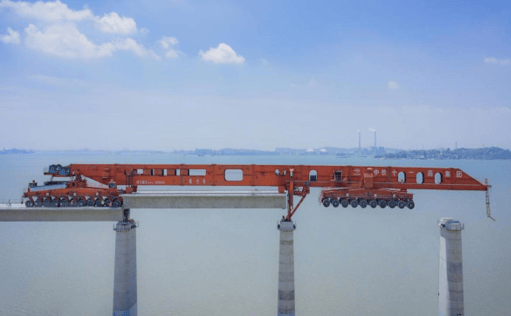
High-Speed Railway Lifting, Transporting, and Erecting Equipment: Integrated Transport and Erection Machine
Hanjiang Heavy Industry Co., Ltd. of China Railway 11th Bureau Group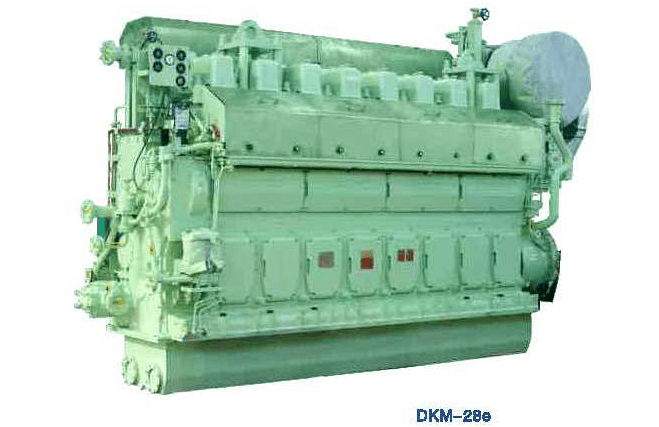
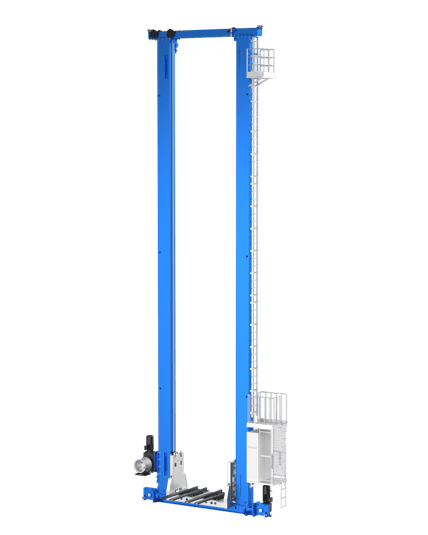
Pallet Solutions Product Line: HD3000 Double-Column Stacker Crane
Zhongding Intelligent (Wuxi) Technology Co., Ltd.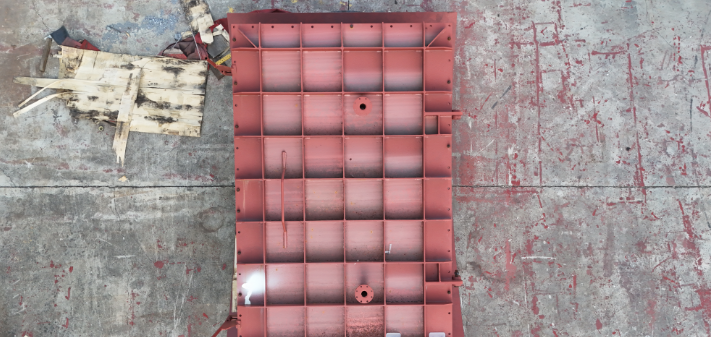
Strip Coating and Plating Production Line Equipment
MCC-SFRE HEAVY INDUSTRY EQUIPMENT CO., LTD.