China's Qianjue Robotics Launches First VTLA Tactile Foundation Model and Thousand-Hour Dataset
en.Wedoany.com Reported - China's Qianjue Robotics has released the tactile intelligence foundation model X-TouchMind V1 and the native visuo-tactile dataset TacVerse 1k, aiming to address the failure of fine manipulation in real industrial scenarios due to the lack of tactile perception in robots.
Currently, a large number of companies in the embodied intelligence field focus on enabling robots to "see" the environment through visual large models and spatial recognition algorithms. However, this approach has significant limitations in practical applications such as factory production lines or logistics warehousing. Visual systems cannot perceive force changes, slip tendencies, or contact states of flexible packaging, leading to frequent errors when robotic arms grasp deformable objects or plug in terminal wires. Moreover, robots often fail to recognize execution deviations, potentially amplifying small errors into production-line-level losses.
A recent ablation study paper by Stanford Professor Fei-Fei Li, NVIDIA's Head of Embodied AI Jim Fan, and other scholars showed that simply adding tactile signals to classic models reduced task success rates from 17% to 6%. This highlights issues with treating touch as a mere adjunct to vision.
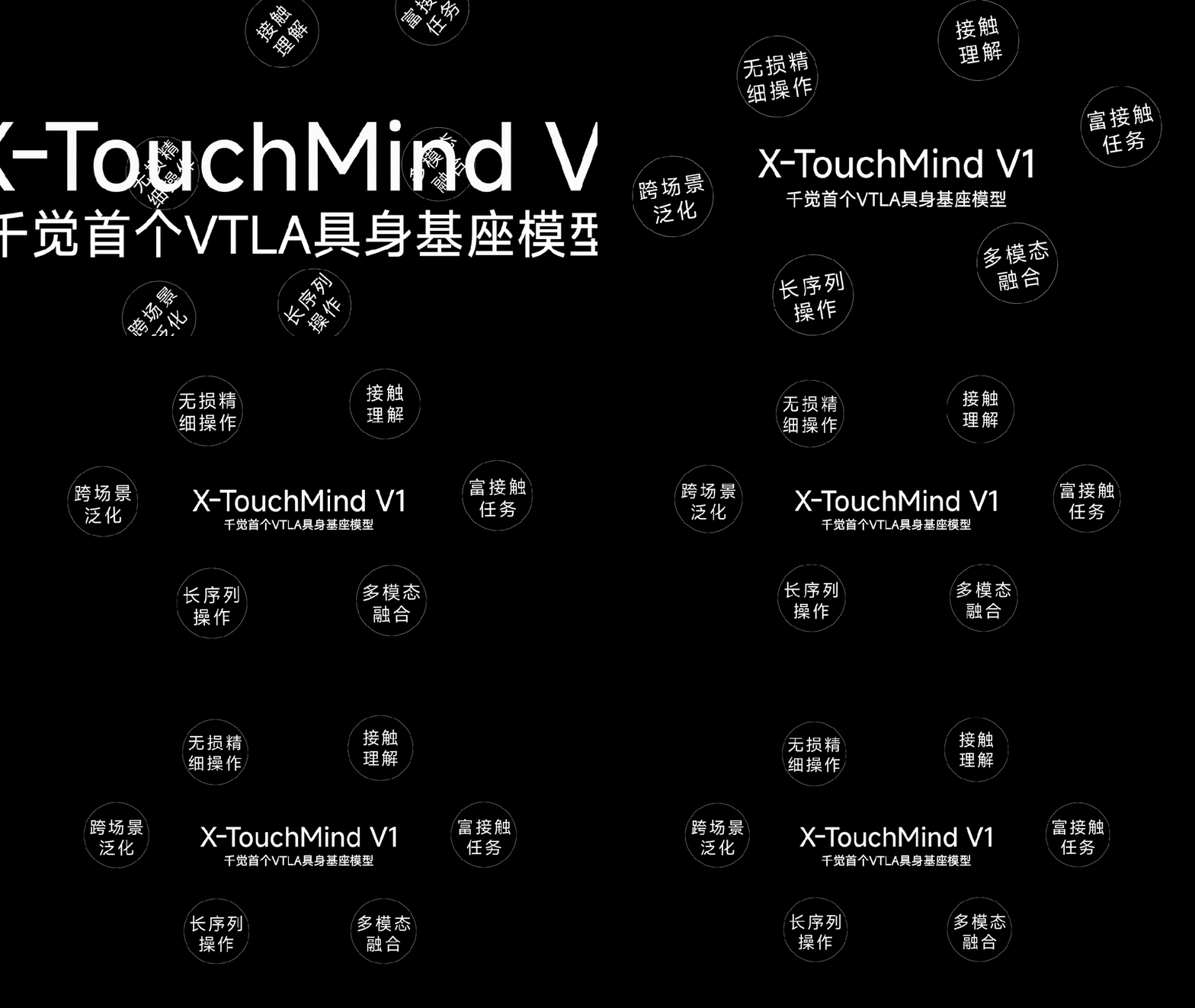
On July 14, Qianjue Robotics completed a hundred-million-yuan strategic financing round from embodied AI industry partners and Jide Electric. The company officially launched the industry's first VTLA embodied foundation model for tactile intelligence, X-TouchMind V1, along with the 1,000-hour native visuo-tactile dataset TacVerse 1k.
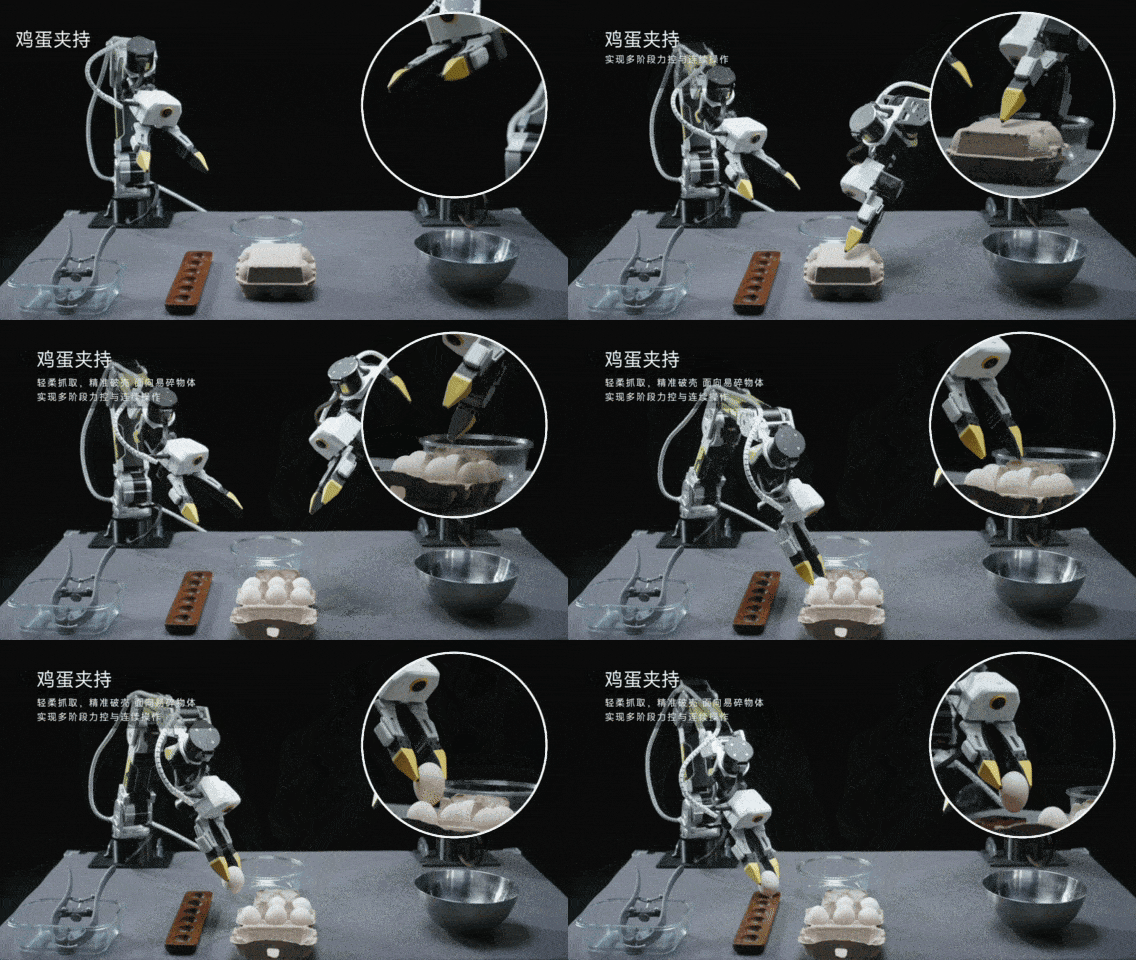
Qianjue Robotics also plans to demonstrate real-world experiments driven by the VTLA model, such as dual-arm paper box folding and headphone assembly, at the upcoming WAIC 2026.
As of early 2026, globally compliant real-robot plus non-physical effective data amounts to approximately 500,000 hours, while achieving general autonomous capabilities for embodied large models is estimated to require tens of millions of hours of high-quality real interaction data—a gap exceeding 99%. The TacVerse 1k dataset achieves 100% coverage of tactile data, unifying the collection of vision, touch, force, pose, and high-frequency dynamics. To produce high-quality data, Qianjue Robotics developed the wearable visuo-tactile multimodal data collection gripper XTac UMI G1, reducing manual cleaning costs by 80% and increasing collection efficiency by 3 to 5 times. The company's XTacFlow automated post-processing engine achieves over 90% automation in data return and post-processing, filtering out more than 95% of low-quality samples during the collection phase.
The X-TouchMind V1 model adopts a System 0-2 hierarchical architecture: System 2 handles semantic reasoning, System 1 manages trajectory planning, and System 0 uses tactile feedback for high-frequency correction. The model possesses zero-shot generalization capabilities, enabling cross-scenario, cross-task, and cross-embodiment adaptive operation for fine manipulation of fragile, flexible, small, and irregularly shaped objects.
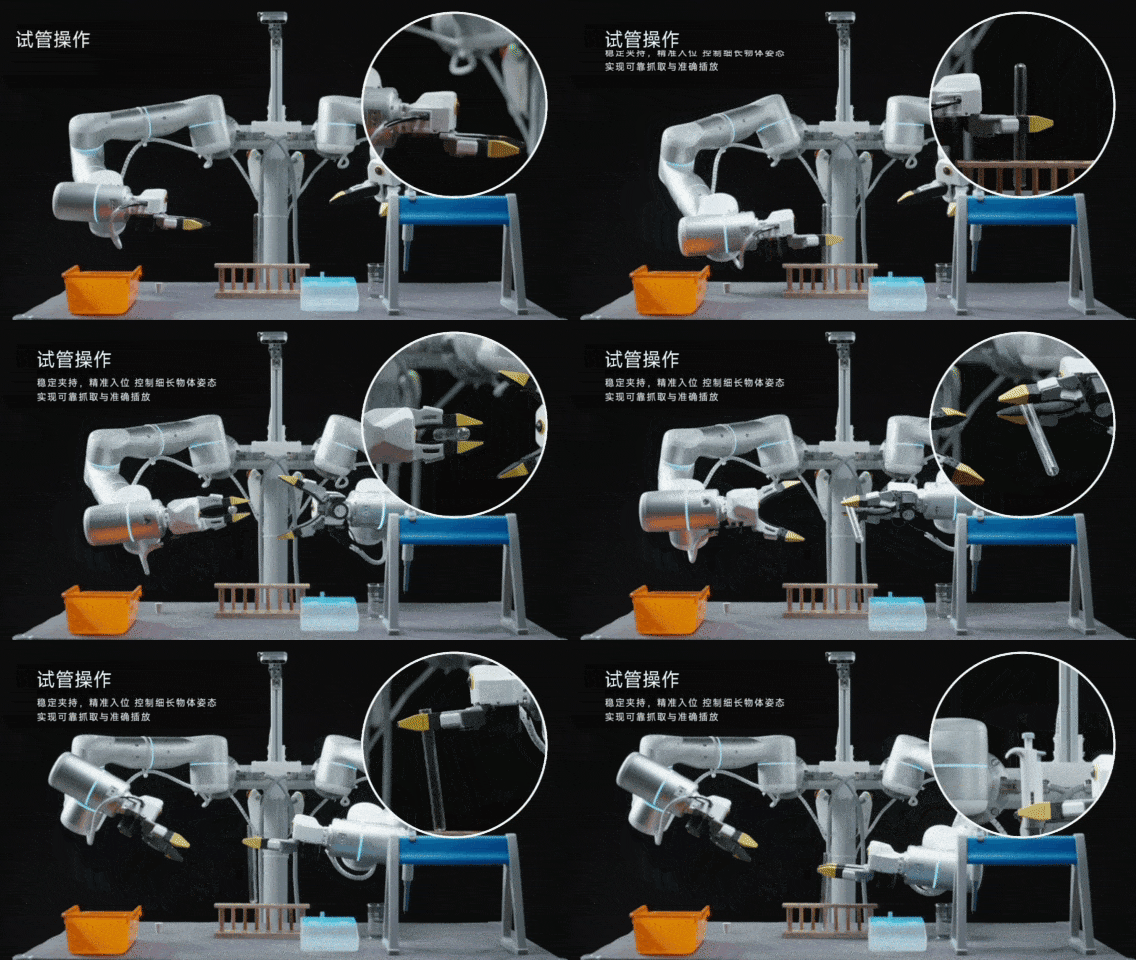
Qianjue Robotics has served over 300 leading industry clients, and its "hardware-data-model" system-level self-loop helps shorten automation deployment cycles.
Related Products
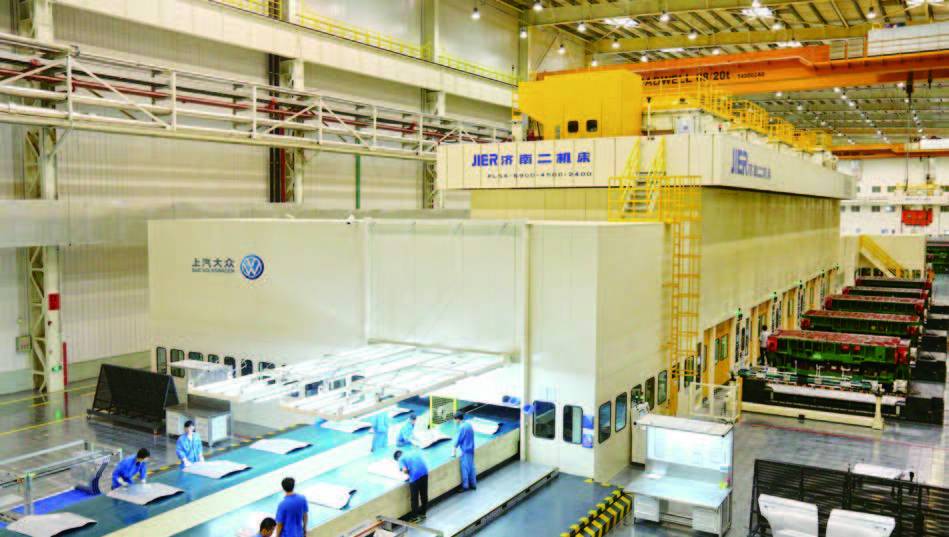

High-Speed Flexible Fully Automatic Stamping Production Line
JIER Machine-Tool Group Co., Ltd.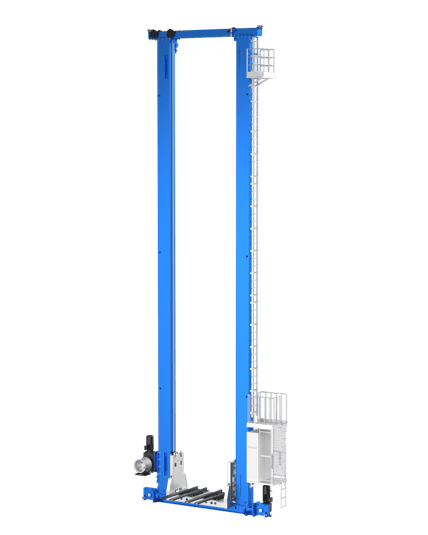
Pallet Solutions Product Line: HD3000 Double-Column Stacker Crane
Zhongding Intelligent (Wuxi) Technology Co., Ltd.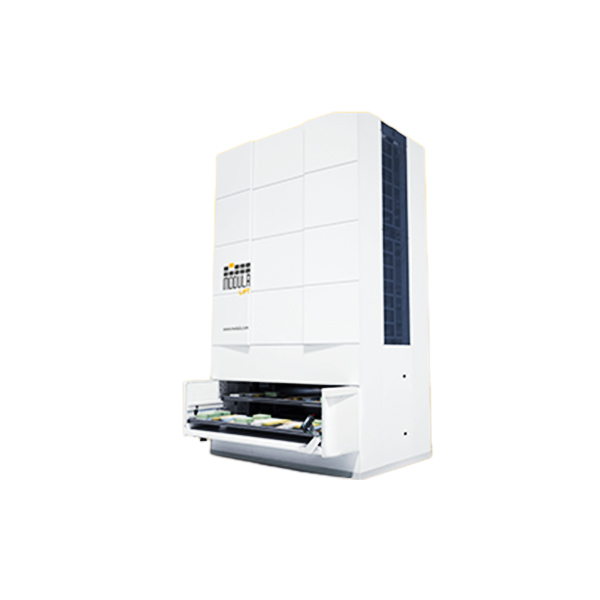
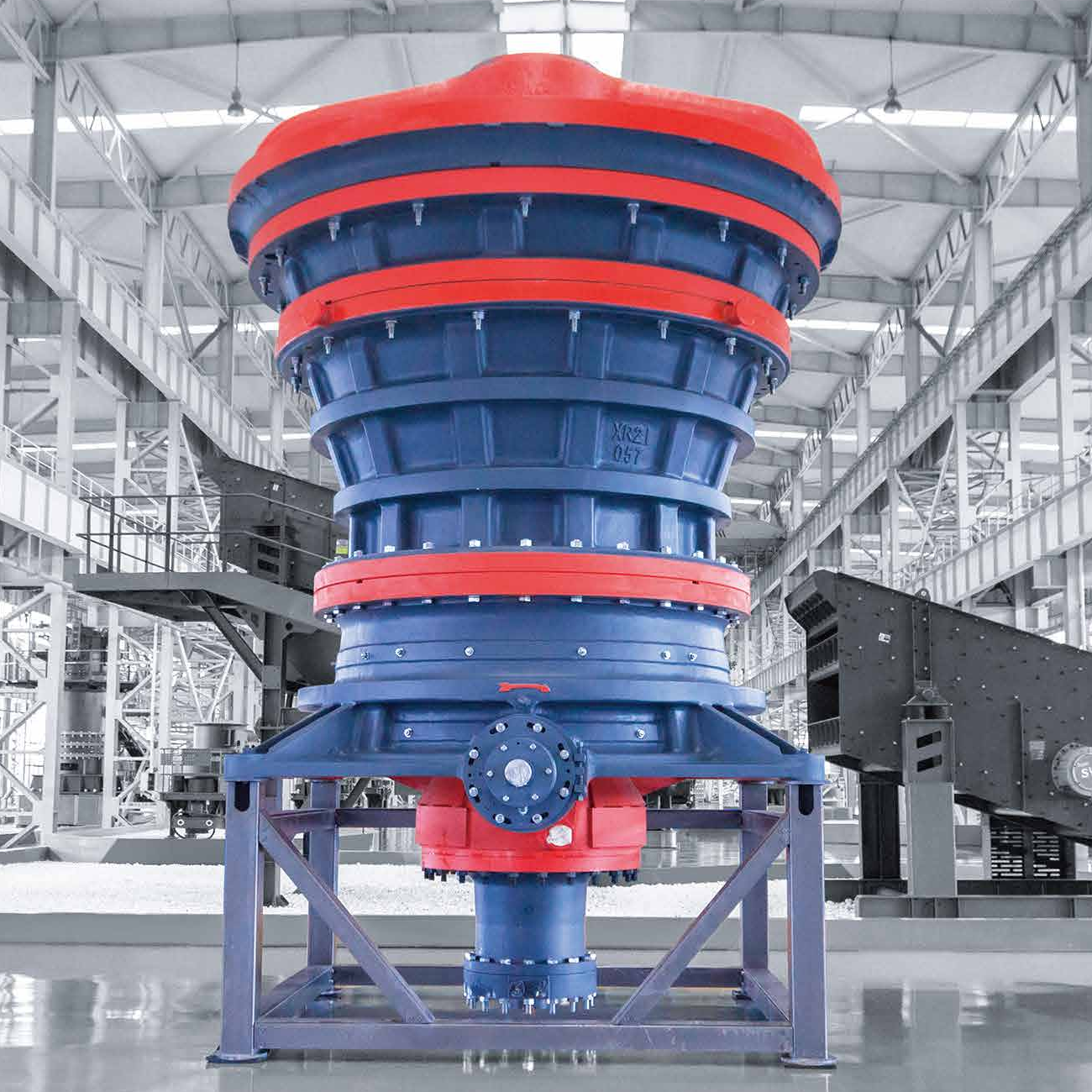
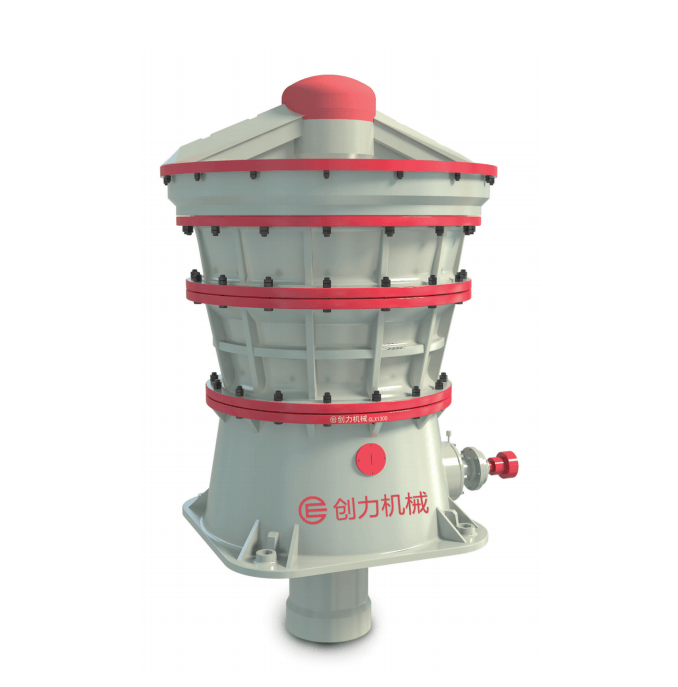
CLX Series Intelligent Hydraulic Gyratory Crusher
Guangdong CHUANGLI intelligent machinery Equipment Co., LTD
CAP1400 main feedwater flow nozzle flowmeter.
Jiangsu Hongda Instrument Technology Co., LTD.
Industrial and Commercial Point-Type Gas Detector
Jinan Benan Technology Development Co., Ltd.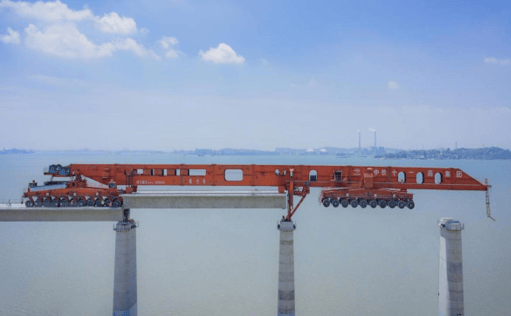
High-Speed Railway Lifting, Transporting, and Erecting Equipment: Integrated Transport and Erection Machine
Hanjiang Heavy Industry Co., Ltd. of China Railway 11th Bureau Group
Pneumatic high-pressure wear-resistant ball valve
Zhejiang Deca Control Valve Meter Co., Ltd.