en.Wedoany.com Reported - Researchers at the University of Toronto's Faculty of Engineering have developed six new metal alloys using an AI-driven discovery platform, enhancing the durability of components in extreme environments such as jet engines and nuclear power plants. The platform identified promising alloy formulations within weeks, significantly shortening the search cycle for high-performance materials. These new alloys are also compatible with 3D metal printing, enabling the fabrication of complex components that are difficult to achieve with traditional methods.
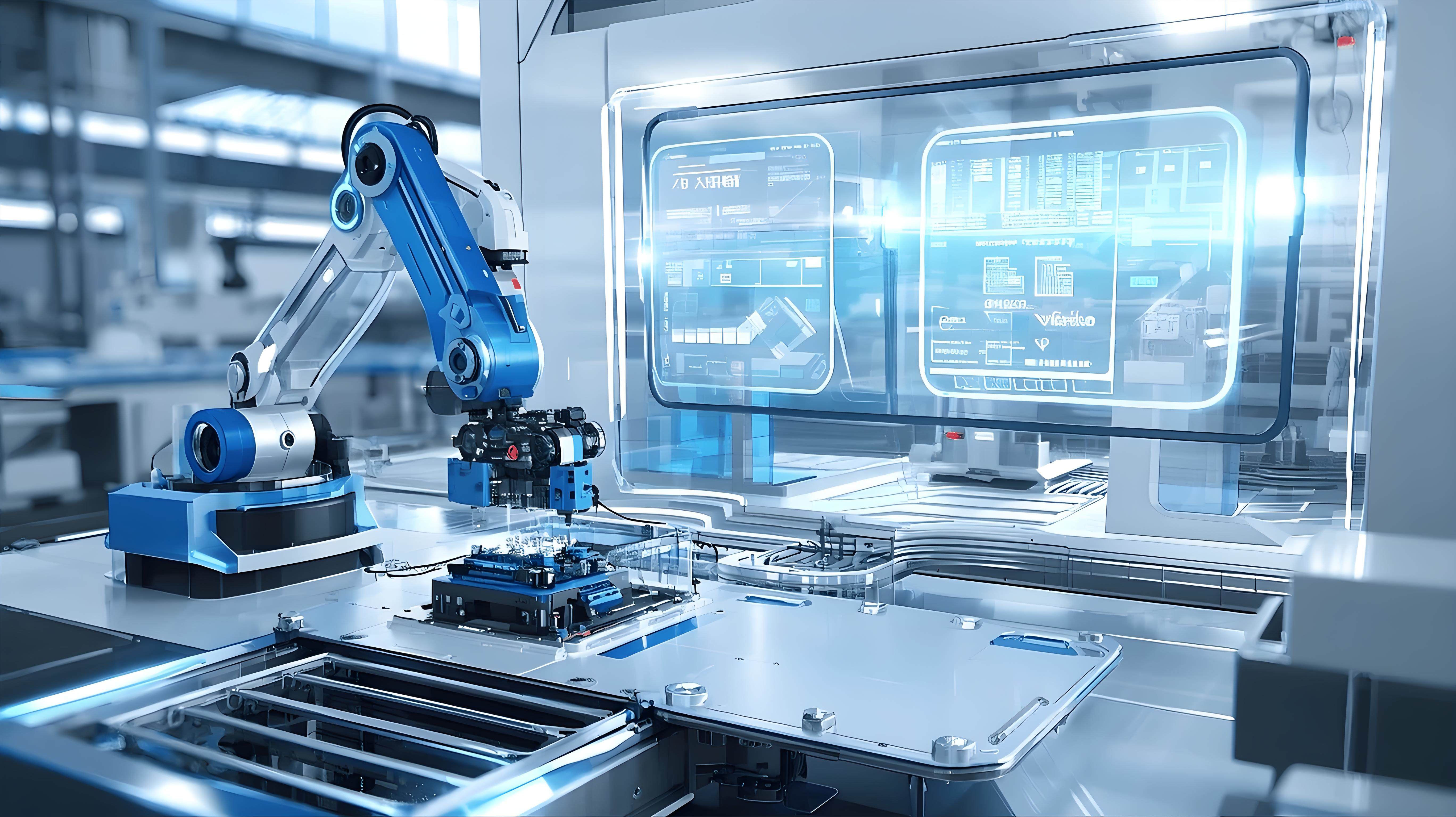
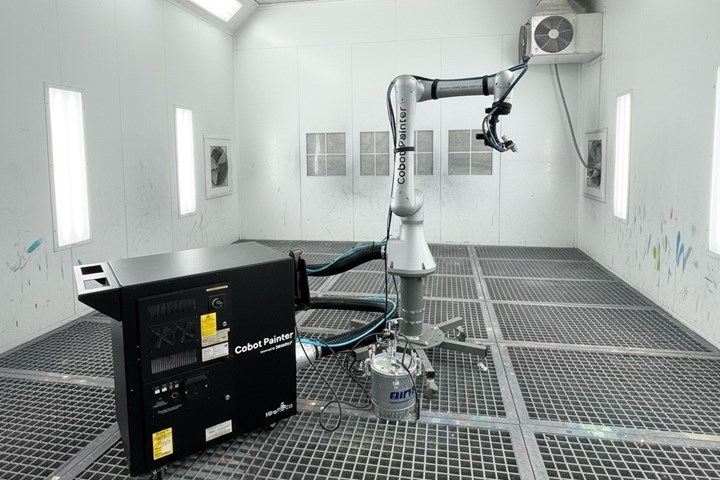
The research was led by Yu Zou, Canada Research Chair in Materials and Manufacturing for Extreme Environments, in collaboration with Jason Hattrick-Simpers. The team built an automated manufacturing system integrating computer modeling, machine learning, and robotics. Their approach, known as active learning, functions like an autonomous laboratory: instead of manually testing thousands of metal combinations, the system autonomously selects the most promising candidates for fabrication and performance testing, feeding the results back to guide subsequent experiments.
The project was partially supported by the Acceleration Consortium at the University of Toronto, which leverages AI and automation to accelerate new material discovery. Most AI systems rely on large volumes of experimental data to make accurate predictions, a limitation that is particularly pronounced when studying untested materials. Ajay Talbot, a doctoral student in the lab and first author of the study, explained that to address data scarcity, the team used a data-efficient model: "Our active learning model strategically selects samples to fabricate and test, and feeds the experimental data back to the model to guide the next step, which really speeds things up."
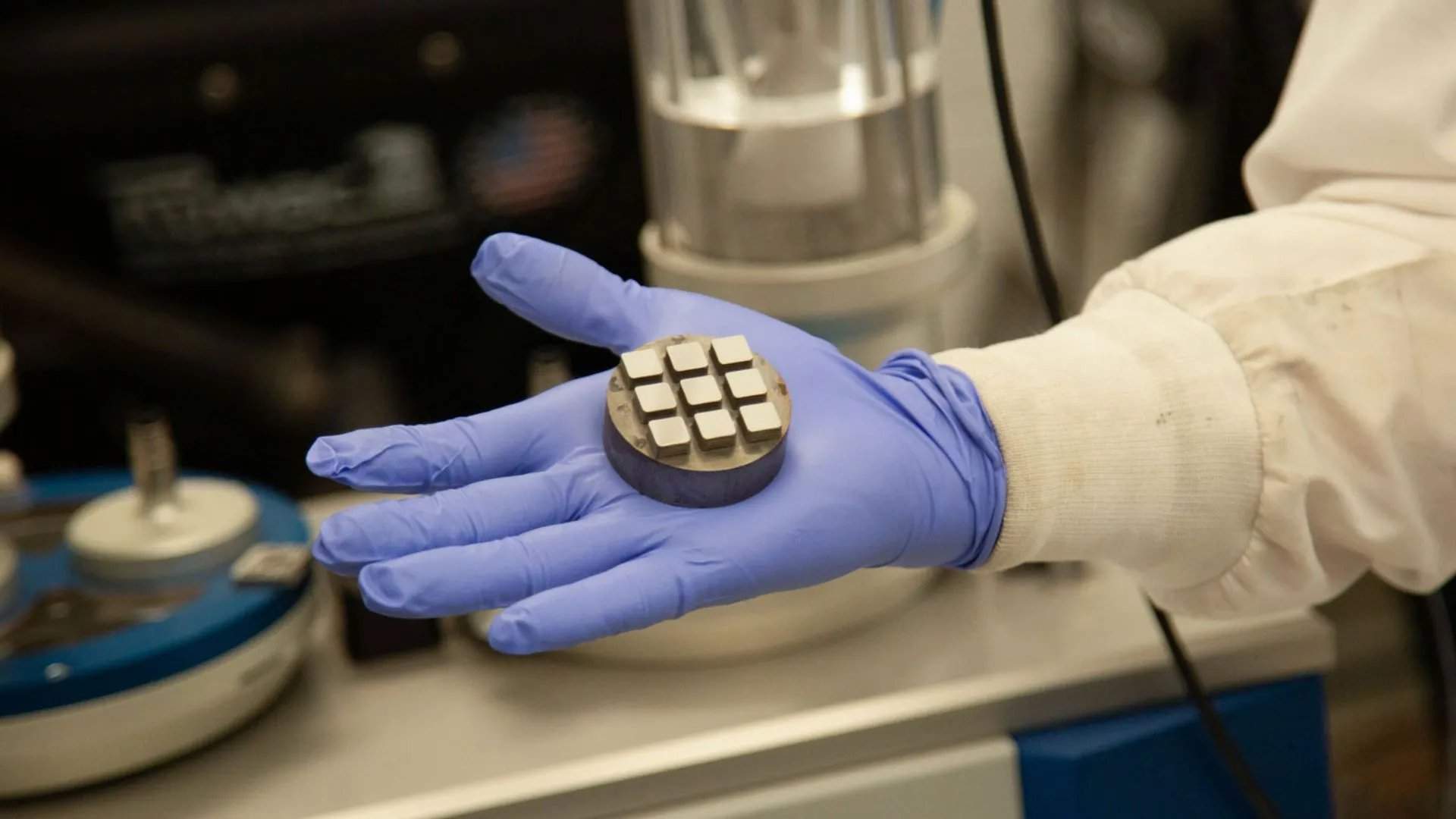
To demonstrate the system, the researchers focused on compositionally complex alloys made from nickel, cobalt, and chromium. Within weeks, the automated platform identified six new alloy formulations with strong performance. One of these was optimized for resistance to indentation at temperatures up to 1,112°F (600°C)—corresponding to the operating environment of the front section of a jet engine. The industry standard in this area is nickel-based alloys such as Inconel 625, and the team found that an alloy composed of 12% nickel, 62% cobalt, and 26% chromium excelled at maintaining hardness at extremely high temperatures. In laboratory tests, this three-element alloy outperformed Inconel 625, which contains over a dozen elements, by 4.5%. Additionally, the team developed another alloy specifically designed for the high-temperature section of jet engines, where temperatures can reach 1,832°F (1,000°C). Talbot noted that oxide scale formation at high temperatures leads to material loss, and a material made of 36% nickel, 14% cobalt, and 50% chromium exhibited 85% better oxidation resistance than Inconel 625 at these elevated temperatures. The team's long-term goal is to further increase the operating temperature to up to 2,192°F (1,200°C).
The researchers stated that the current alloys are an early demonstration of the AI-driven discovery platform. The nickel-cobalt-chromium system involves only three elements, and Talbot believes this validates the effectiveness of the entire closed-loop discovery platform. The next step is to increase complexity by exploring alloy systems that may contain 10 to 12 different elements to achieve different strengthening mechanisms and more useful properties. The findings were published in the journal npj Advanced Manufacturing.