en.Wedoany.com Reported - South Korea's Ministry of Climate, Energy and Environment (MCEE) has officially launched the country's first distribution network energy storage system (ESS) support project, aimed at addressing grid congestion in the Honam and Jeju regions.
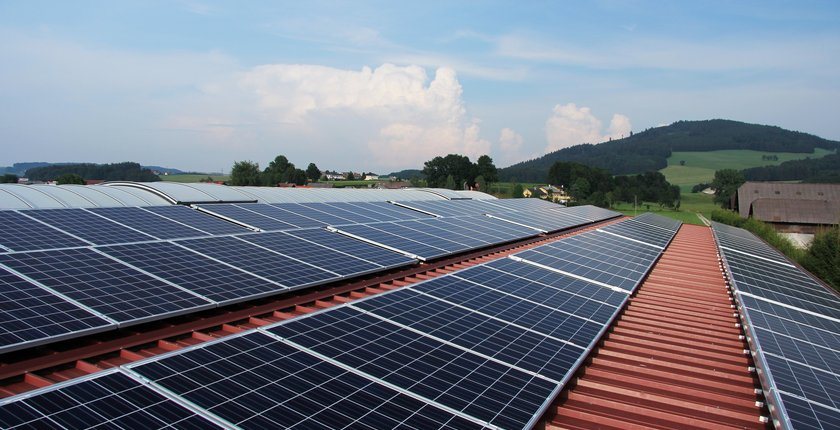
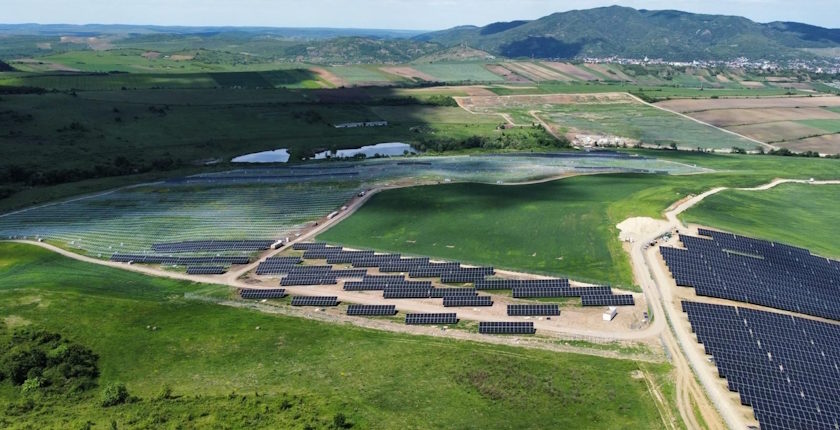
The project focuses on resolving grid congestion in the Honam and Jeju areas. In these regions, substations and distribution line capacities are nearing saturation, causing new solar projects to queue for grid connection, while some already-connected power plants face curtailment. The ministry noted that the project is part of the "Korean-style Next-Generation Grid" plan announced in 2025, securing a total national budget of 558.6 billion KRW (approximately 377.3 million USD) over five years.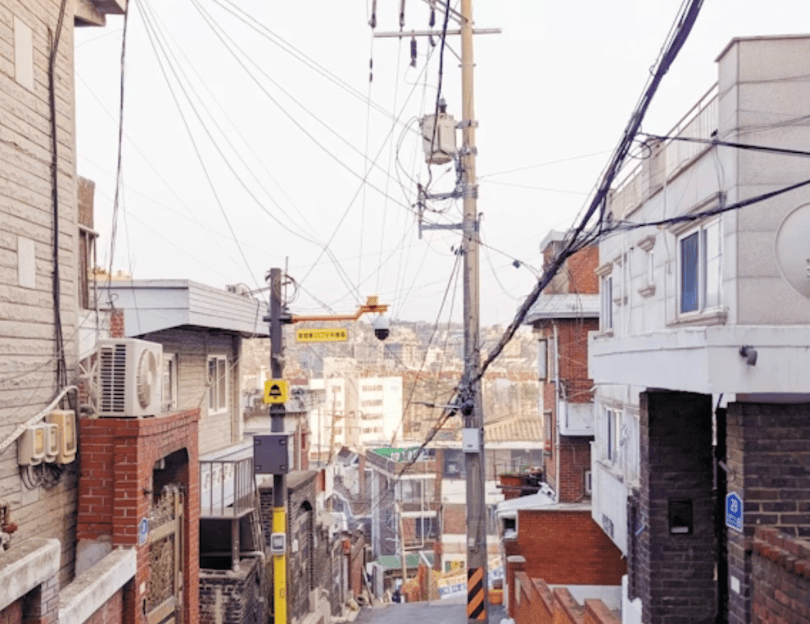
The solution involves installing energy storage systems (ESS) on distribution lines to increase grid acceptance capacity without expanding the distribution network itself, which the Korean side claims is a domestic first. Each distribution line will be equipped with a 4 MW/20 MWh ESS, allowing each site to accommodate approximately 5.7 MW of queued solar capacity. Nine companies have signed business agreements, including VPP Lab, LG Energy Solution, KEPCO KDN, SK Ecoplant, HD Hyundai Electric, Gridwiz, Korea East-West Power, Korea Midland Power, and Hyundai Engineering & Construction, which will build ESS on 32 distribution lines.
The project aims to achieve approximately 700 MW of ESS capacity by 2030, thereby adding about 1 GW of renewable energy grid connection capacity and an additional 1,350 GWh of solar power generation annually, equivalent to approximately 3.7 GWh per day. The ministry stated that the electricity volume is roughly comparable to the daily renewable energy power supply for 50,000 households.
This round of project selection favors the use of nickel-manganese-cobalt (NMC) and lithium iron phosphate (LFP) battery chemistries. The ministry indicated that the August tender will guide the market toward next-generation batteries with advantages in duration, lifespan, and fire safety, prioritizing deployment in the Jeju region, with incentives later extended to inland projects.
Minister of Climate, Energy and Environment Kim Sung-hwan stated that the project will provide support for resolving distribution network bottlenecks and promote South Korea's transition to an energy structure with renewable energy as the main power source.