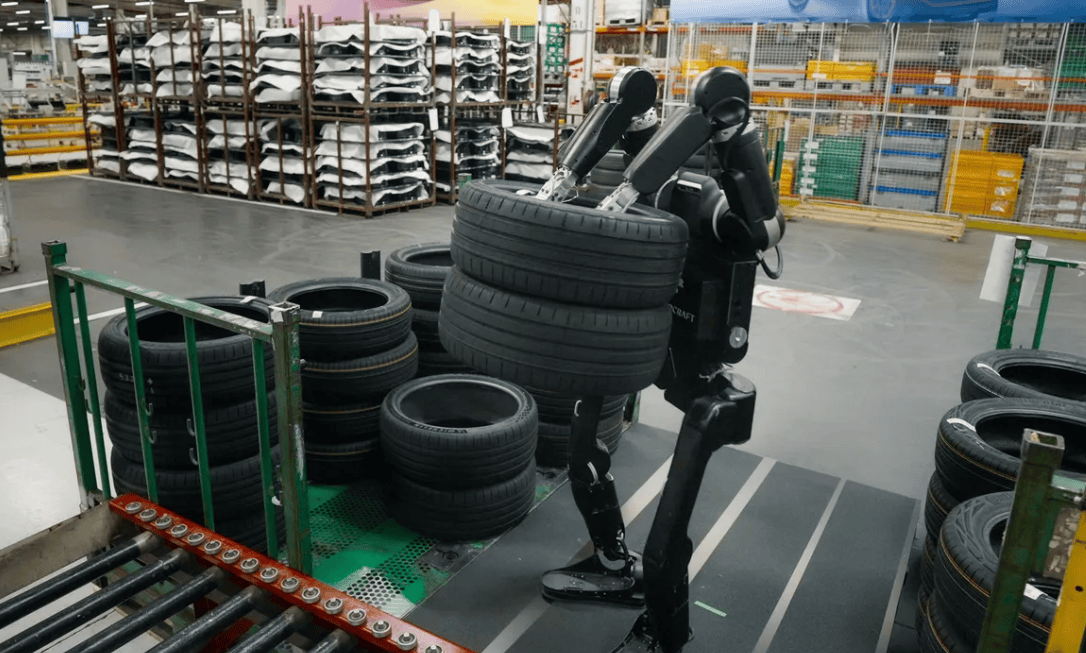
China's MIIT Expects Humanoid Robot Output to Exceed 100,000 Units This Year
en.Wedoany.com Reported - Ke Jixin, Deputy Minister of the Ministry of Industry and Information Technology (MIIT) and a member of its Party Leadership Group, revealed on July 16, 2026, in Shangyu, Shaoxing, Zhejiang Province, that China's humanoid robot output was approximately 20,000 units in 2025, exceeded 40,000 units in the first half of 2026, and is expected to surpass 100,000 units for the full year. Ke Jixin assessed that the next two to three years may be a critical period for the development of the humanoid robot industry, which is transitioning from single-unit prototypes and stage demonstrations to batch delivery.
The data was announced at the 2026 Annual Plenary Session and "Standards Week" event of the MIIT Humanoid Robot and Embodied Intelligence Standardization Technical Committee (MIIT/TC8). The event, held from July 15 to 17, brought together representatives from leading companies such as Unitree Robotics and Galaxy General Robotics, industry experts, and investment and financing institutions. The MIIT Humanoid Robot and Embodied Intelligence Standardization Technical Committee, established in 2025, serves as a core platform guiding the high-quality development of the national humanoid robot and embodied intelligence industry.
The leap in output from 20,000 to 100,000 units sends a clear industry signal: humanoid robots are accelerating from technological exploration toward a critical phase of standardized and scaled development. Output growth is merely the surface; the deeper change is that the industry is beginning to move from single-unit prototypes and stage demonstrations to batch delivery, significantly increasing the need for coordination among R&D, production, testing, application, and safety governance.
At the same time, the challenges facing the industry cannot be ignored. Xie Shaofeng, Chairman of the MIIT Humanoid Robot and Embodied Intelligence Standardization Technical Committee and Chairman of the OpenAtom Foundation, pointed out at the meeting that the industry is currently "blooming with a hundred flowers yet fighting its own battles," facing three severe challenges: highly divergent technical routes, a serious lack of product standards, and difficulties in achieving sustainable industrial development. Ke Jixin proposed accelerating the development of urgently needed standards for humanoid robots, including intelligence grading, data management, and safety specifications, and promoting their rapid implementation.
During the meeting, the WG7 Data Working Group of the Standards Committee was formally established, addressing the shortcomings in data standardization for the humanoid robot industry. NavInfo has been appointed as the lead unit of the Data Standards Working Group (WG7). The WG7 will focus on building a data lifecycle standards system, with key tasks including top-level design of the standards system, initiation and drafting of key standards, pilot applications across the industry chain, and compliance assessment.
Related Products

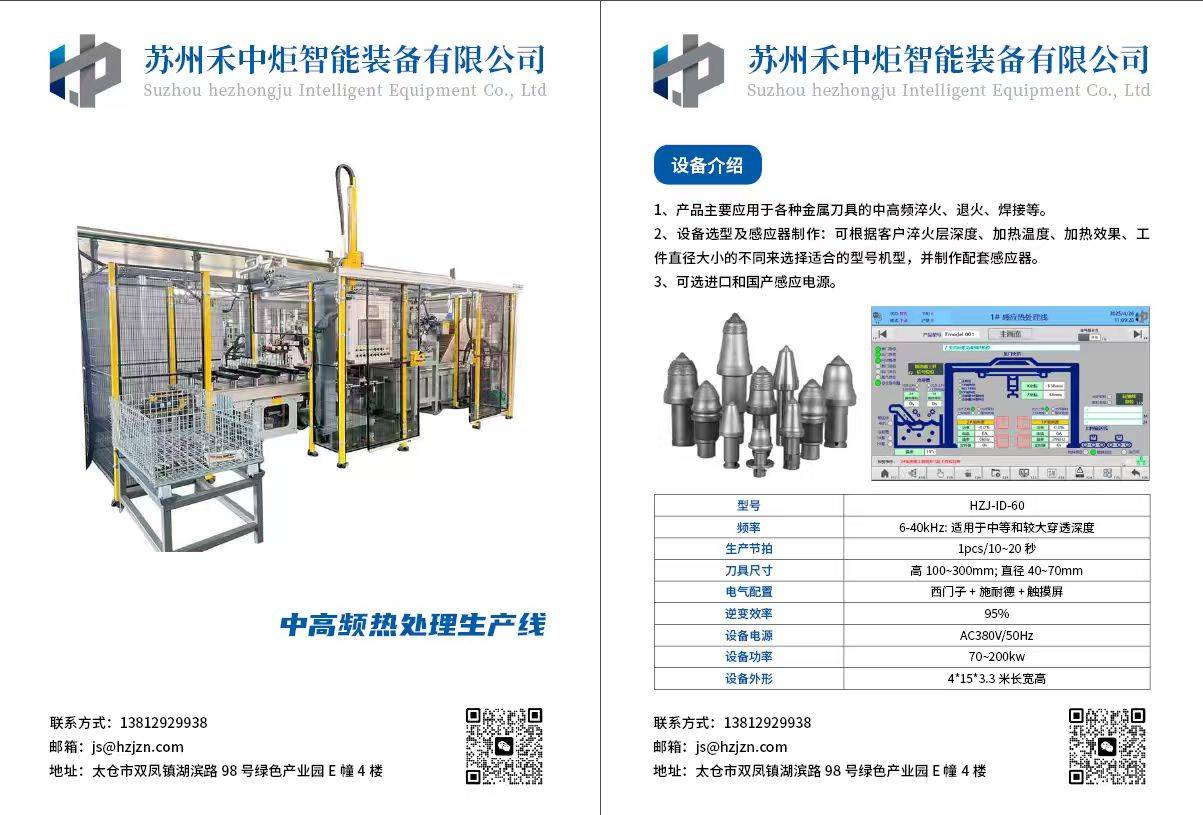
Excavator Bucket Teeth Heat Treatment Production Line
Suzhou Hezhongju Intelligent Equipment Co., Ltd.




Industrial and Commercial Point-Type Gas Detector
Jinan Benan Technology Development Co., Ltd.
LBH4000 Batch Environmental Protection Asphalt Mixing Plant | Asphalt Batching Plant | Asphalt Mixing Plant
Jilin Province Road Construction Machinery Co., Ltd.
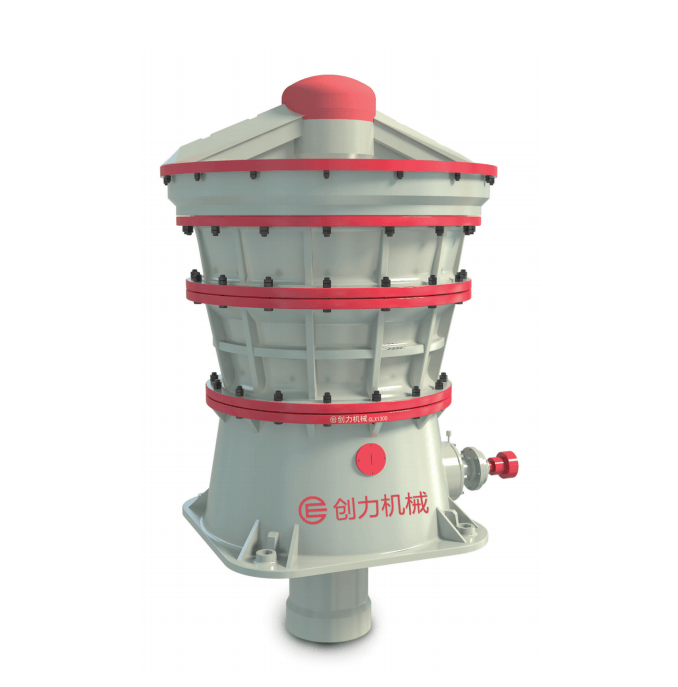
CLX Series Intelligent Hydraulic Gyratory Crusher
Guangdong CHUANGLI intelligent machinery Equipment Co., LTD