Boston Committee Salas O’Brien $500,000 Waterway Thermal Energy Study
en.Wedoany.com Reported - The Boston Green Ribbon Commission has selected decarbonization and energy master planning firm Salas O’Brien to lead a $500,000 analysis studying the feasibility of using Boston Harbor and other local waterways as a source of economical, clean, and reliable thermal energy.
Salas O’Brien will work with five sub-consultants—Sherwood Design Engineers, Synapse Energy Economics, Sasaki, GeoSource, and VHB—to analyze the project's feasibility, which includes creating a thermal energy network for energy distribution. Commission Executive Director Lindsey Butler stated that with the technical expert team led by Salas O’Brien, a plan can be advanced to decarbonize large buildings using clean, renewable, and fully local energy.
According to Brian Urlaub, company principal and director of geothermal operations, Salas O’Brien has 5,000 employees and has completed over 500 geothermal projects in the United States and Canada, with approximately a dozen thermal energy network projects either in the design phase or fully implemented. The firm is one of the few with in-house hydrogeologists, allowing it to delve into the subsurface geothermal aspects of projects without subcontracting.
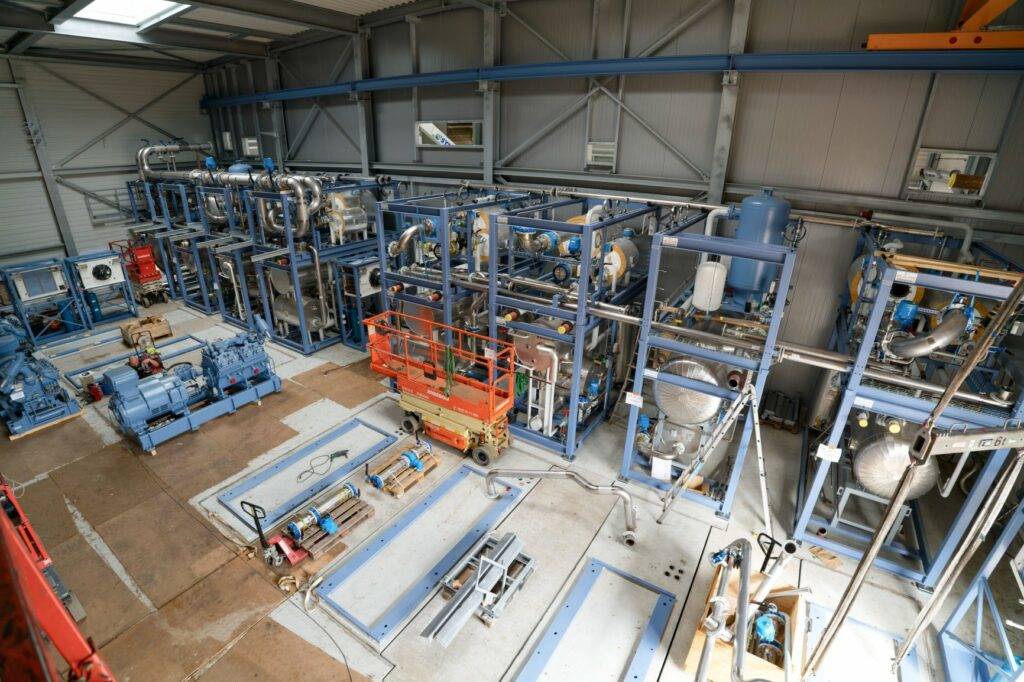
The technology aims to extract thermal energy from the Charles River, Mystic River, Boston Harbor, Fort Point Channel, and the bedrock beneath them. The system uses a closed-loop design, circulating heat through sealed infrastructure without drawing water from the waterways. One aspect of the study is to determine whether the bedrock can serve as a thermal energy storage battery to increase resource capacity, rather than sourcing energy on demand.
Urlaub noted that thermal energy networks are a multi-layered problem-solving technology that can help address numerous issues in the city of Boston. He mentioned that studies of Boston Harbor have already shown lobsters migrating north due to unsuitable water temperatures, indicating the presence of usable waste heat in the water bodies. Delivering thermal energy through the network will require new infrastructure, including central heating or cooling plants and associated hot or cold water pipe networks.
Urlaub expects the project's challenges to be similar to those the firm has handled in the past, primarily involving how existing buildings can be retrofitted for clean thermal energy technology, along with associated costs and financing issues. Additionally, the ownership structure of the energy delivery system needs to be determined, with possible options including public-private partnerships, utility companies, or municipal operation. He stated that the energy transition involves many nuances beyond technical feasibility, which are precisely what the study will explore in depth.
Related Products
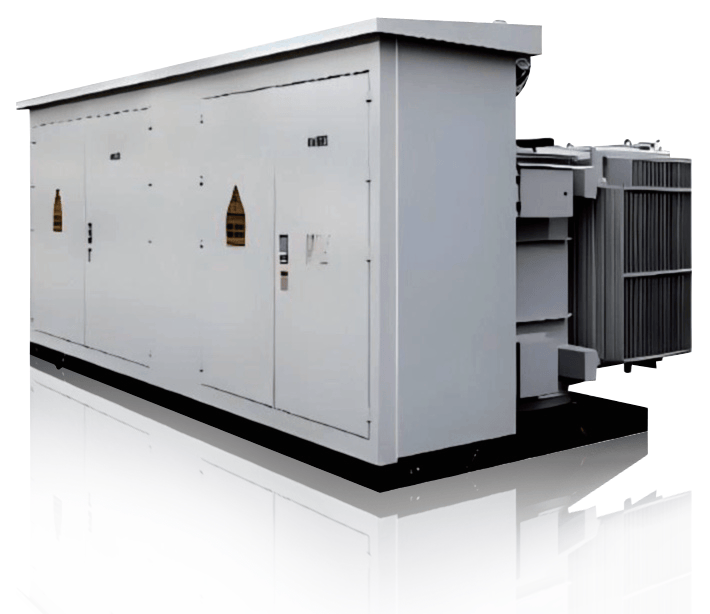

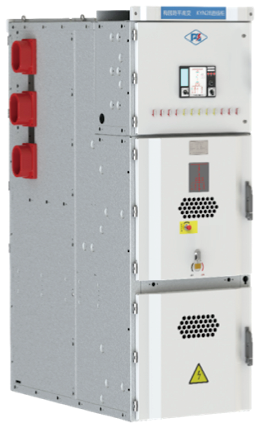
H-40.5/0.4~1.14kV New Energy Power Generation Dedicated High Voltage/Low Voltage Prefabricated Substation
XJ (Xiamen) Intelligent Power Equipment Co., Ltd.
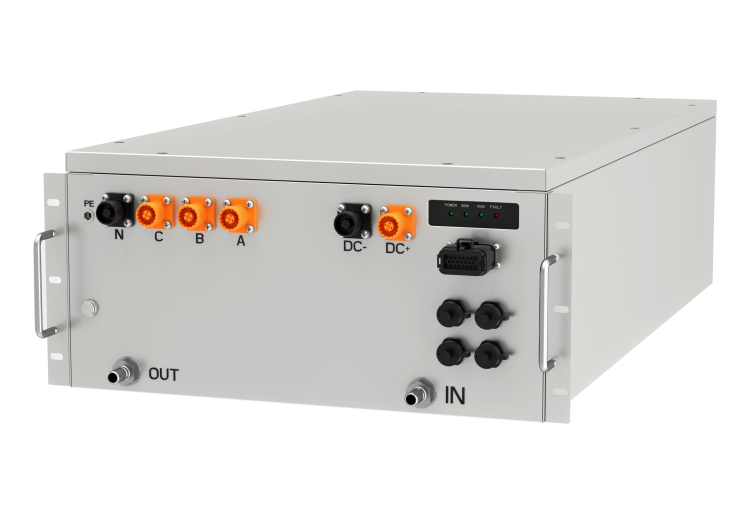
Mars (Liquid Cooling) Series Industrial and Commercial Energy Storage Converter High Protection Module
Shenzhen Winline Technology Co., Ltd.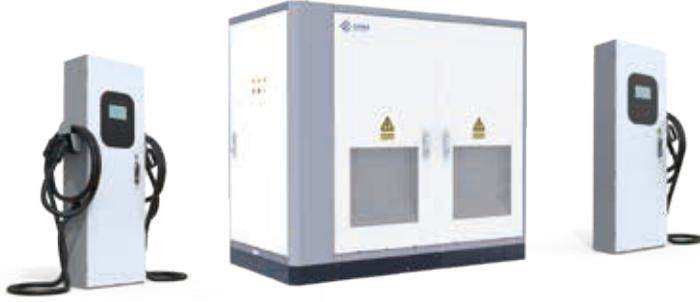
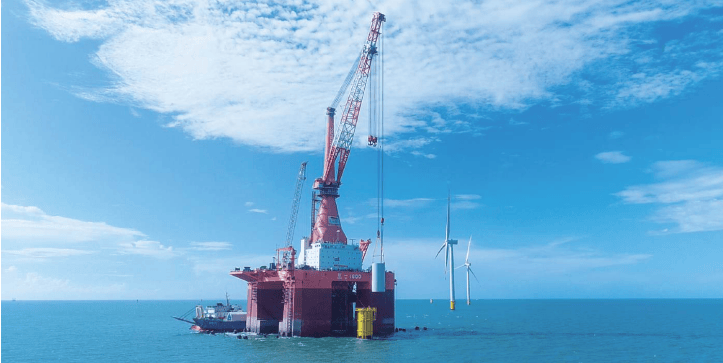
"Shunyi 1600" Deep-submerging Bottom-sitting Multi-functional Wind Power Engineering Vessel
Zhengli Offshore Engineering Co., Ltd.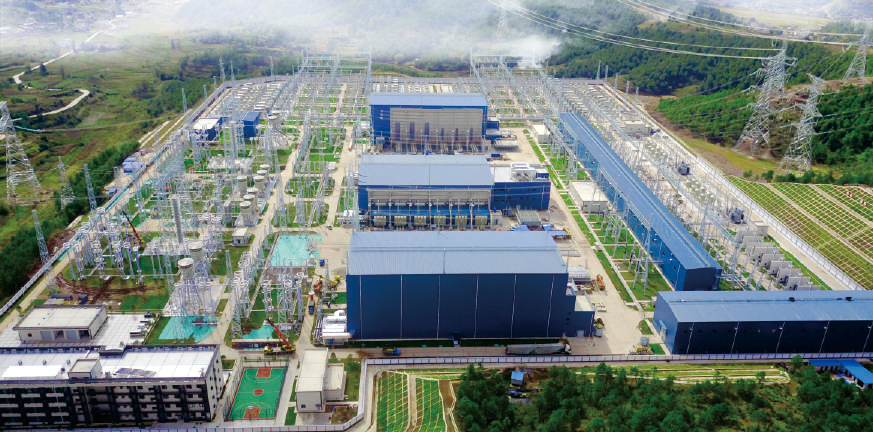
High-voltage Direct Current (HVDC) Transmission System Research and Integrated Design
XI'AN XD POWER SYSTEMS CO., LTD.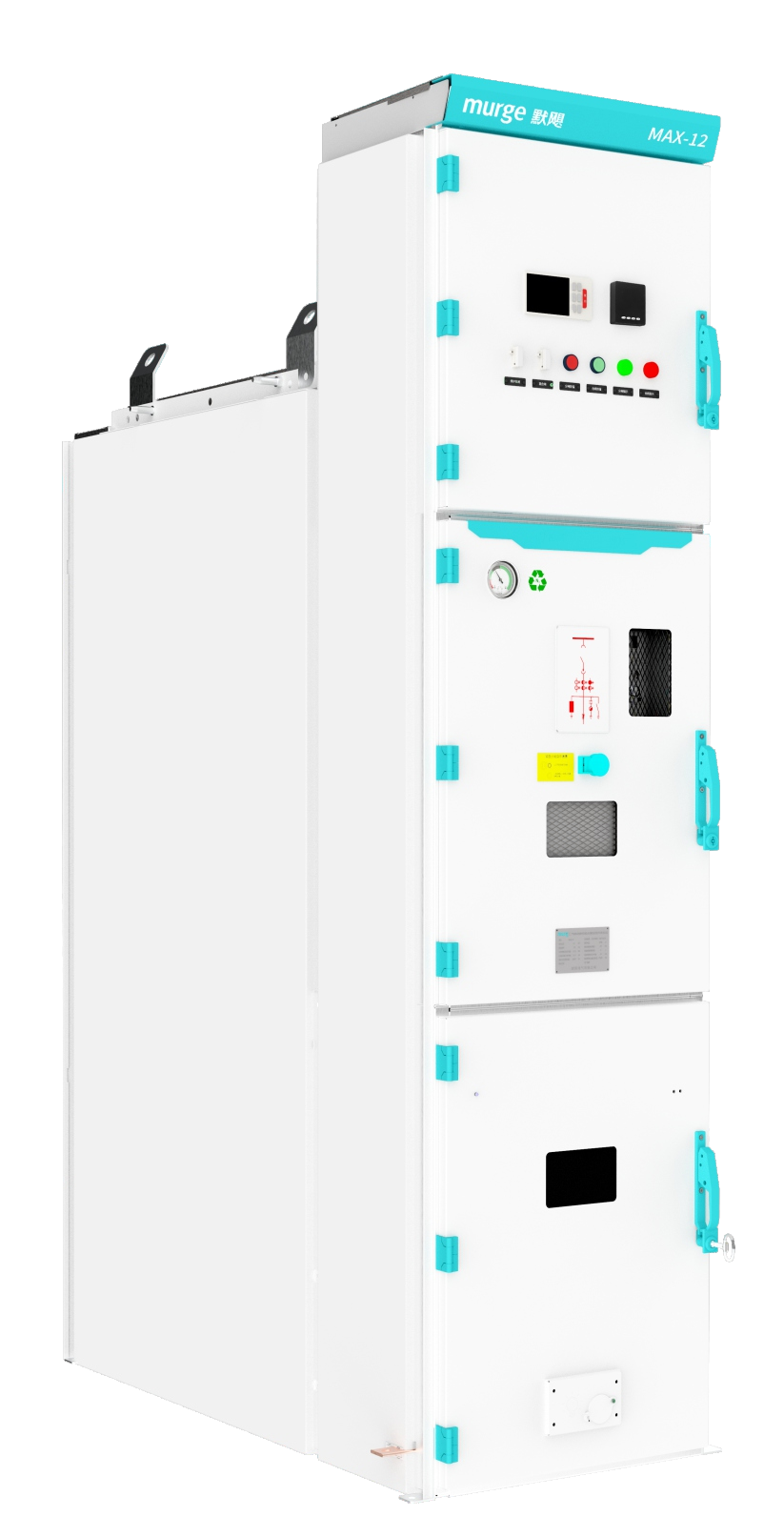
MAX-12 series Environmental Protection/SF6 gas insulated switchgear (C-GIS)
Murge Electric Co.,Ltd.
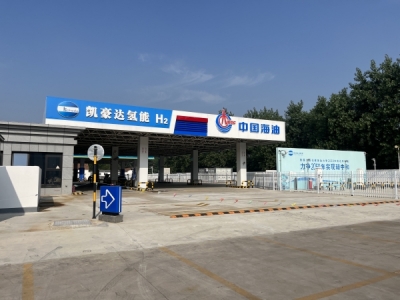
Hydrogen production and hydrogenation charging refueling gas integrated energy station
Shenzhen Kohodo Hydrogen Energy Co., Ltd.