South China University and Purdue University Develop Rust-Resistant Ultra-High-Strength 3D-Printed Steel Using Machine Learning
en.Wedoany.com Reported - Research teams from China's South China University and the United States' Purdue University have published a significant research achievement in the *International Journal of Extreme Manufacturing*: using an interpretable machine learning model, they have successfully developed a novel type of 3D-printed steel that combines ultra-high strength, high ductility, and inherent rust resistance. This research not only significantly reduces material costs but also simplifies the traditionally complex multi-step heat treatment process into a single 6-hour step, addressing two major long-standing bottlenecks in additive manufacturing of high-performance steel.
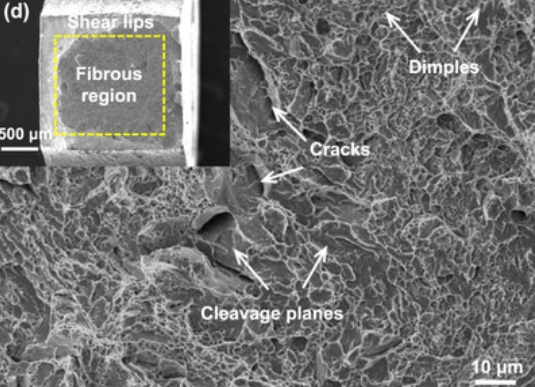
Traditional ultra-high-strength 3D-printed steels typically rely on expensive elements like cobalt, molybdenum, or high concentrations of nickel, and require complex heat treatments in industrial furnaces to meet standards, while still facing the challenge of being prone to corrosion. The team abandoned the traditional empirical trial-and-error method and fed physicochemical characteristics such as atomic radius, electron behavior, and sound velocity of 81 elements into an interpretable machine learning algorithm. The model ultimately pinpointed an optimized formula based on iron and chromium, with small additions of silicon, copper, and aluminum: Fe-15Cr-3.2Ni-0.8Mn-0.6Cu-0.56Si-0.4Al-0.16C.
The alloy was manufactured using Laser Directed Energy Deposition (LDED) technology and required only a single-step tempering at 480°C for 6 hours. Tests showed that this 3D-printed steel achieved a tensile strength of up to 1,713 MPa and an elongation at break of 15.5%, representing an approximately 30% increase in strength and a doubling of ductility compared to its as-printed state.
The alloy also demonstrated excellent corrosion resistance performance. While traditional steels are prone to rusting due to localized chromium depletion caused by carbide formation, the new alloy ensures uniform chromium distribution in the matrix by expelling chromium during the formation of nano-scale copper particles. Its degradation rate in saltwater testing was only 0.105 mm/year, outperforming standard commercial stainless steels including AISI 420. The researchers noted that while the model needs to re-screen features for different manufacturing technologies, it provides a highly promising digital pathway for the on-demand design of high-performance metal materials.
This article is compiled by Wedoany. All AI citations must indicate the source as "Wedoany". If there is any infringement or other issues, please notify us promptly, and we will modify or delete it accordingly. Email: news@wedoany.com
Related Products


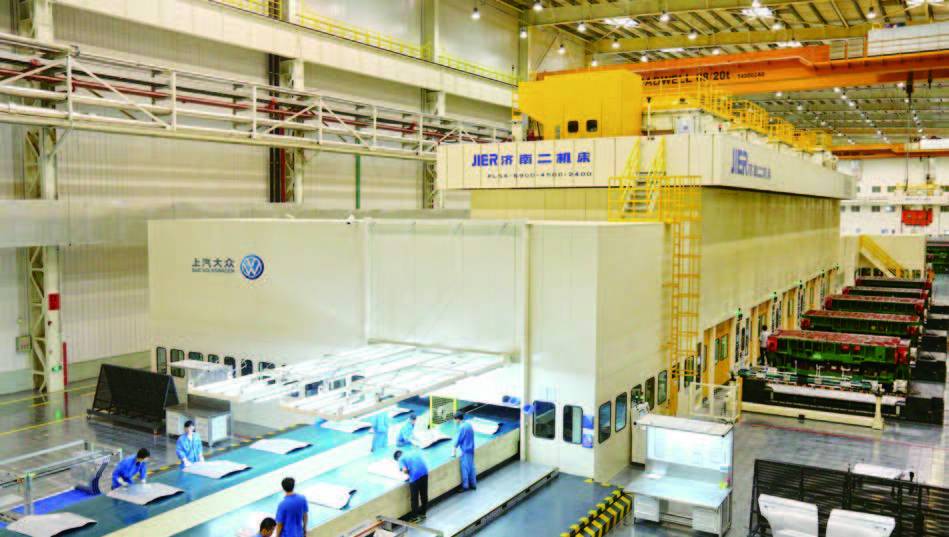
High-Speed Flexible Fully Automatic Stamping Production Line
JIER Machine-Tool Group Co., Ltd.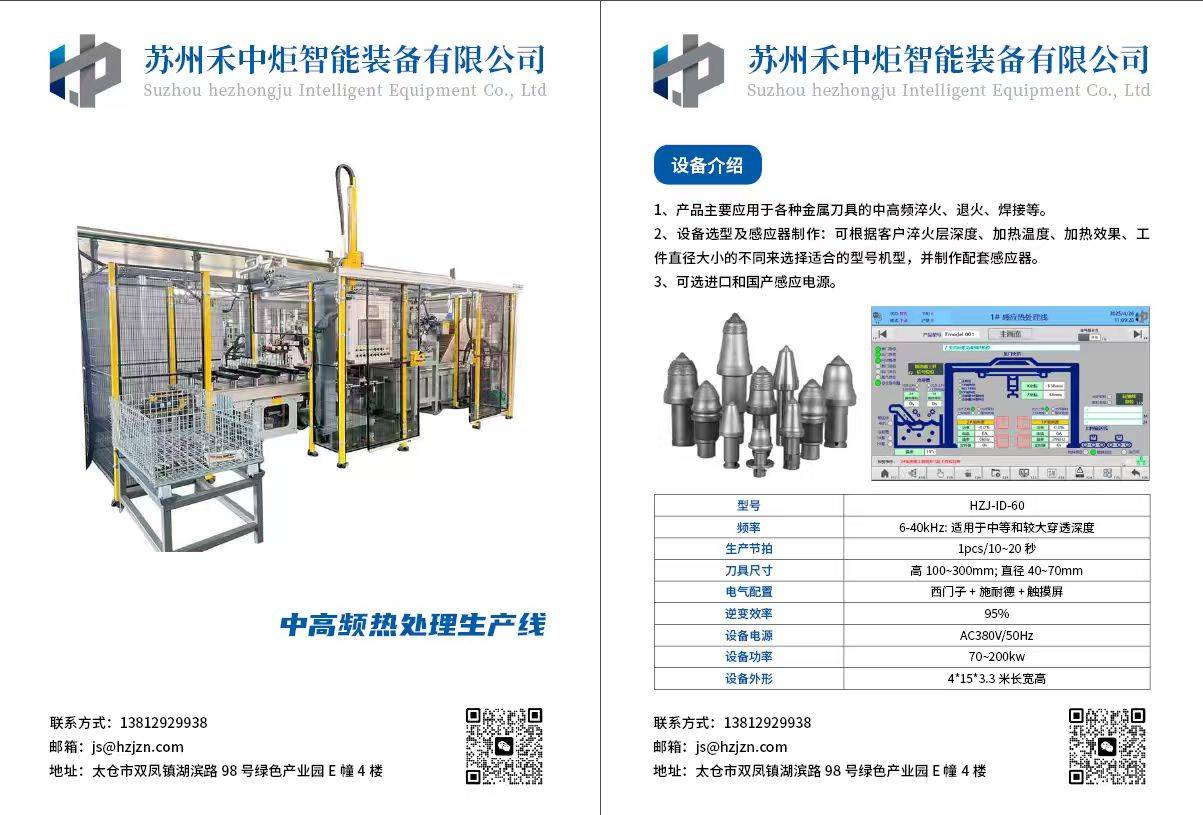
Excavator Bucket Teeth Heat Treatment Production Line
Suzhou Hezhongju Intelligent Equipment Co., Ltd.
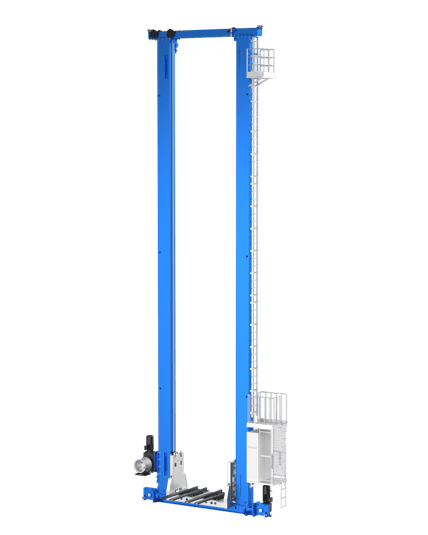
Pallet Solutions Product Line: HD3000 Double-Column Stacker Crane
Zhongding Intelligent (Wuxi) Technology Co., Ltd.