Alexey Likhachev, Director General of Rosatom, Participated in the Plenary Session of the International Transport and Logistics Forum
en.Wedoany.com Reported - On April 2, Alexey Likhachev, Director General of Rosatom, participated in a plenary session at the International Transport and Logistics Forum taking place in St. Petersburg. The session was focused on Transport Connectivity as the Foundation for the New World Order: from global competition to global security.
The event was attended by Vitaly Savelyev, Deputy Prime Minister of the Russian Federation; Maxim Oreshkin, Deputy Chief of the Presidential Executive Office; Andrei Nikitin, Minister of Transport of Russia; and other officials.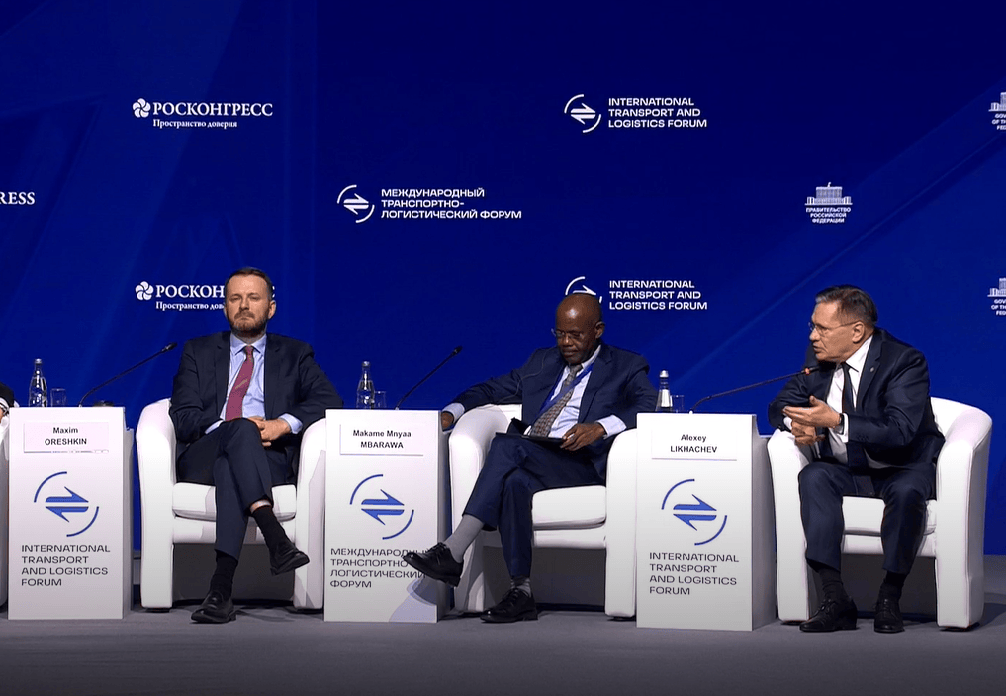
In his address, Alexey Likhachev pointed out that Rosatom would remain the leading player as the major domestic logistics company that is primarily dedicated to maritime shipping (including container shipping). The company will also develop the great potential of the Northern Sea Route and the Trans-Arctic Transport Corridor.
“The Northern Sea Route, now a global transportation corridor, serves three key purposes. Firstly, it is the export of domestic products, northern mining projects. The demand for these projects is increasing as well as their role and efficiency considering the global events along the southern arteries. Secondly, the NSR ensures the transportation connectivity on a great territory of Russia, including within the framework of the Northern Delivery Project. Thirdly, it serves as an international transit route. We have the first transits of many to come. These are from Chinese ports to Western European ports, which take less time while being more efficient compared to transits along southern routes. We must now move from these pilot projects to shipping on a regular basis. The future of the Trans-Arctic Transport Corridor in the 2030s is the year-round navigation along the NSR and the entire corridor, which will serve the interests of both domestic and international carrier companies”, said Alexey Likhachev .
Kirill Komarov , First Deputy Director General and Director of the Development and International Business Department at Rosatom, participated in the session Russia's Transport Policy in the New Geopolitical and Geoeconomic Environment. He addressed the challenges that must be taken on to transform the Northern Sea Route into a Trans-Arctic Transportation Corridor: “The Northern Sea Route has already become a fully operational transport route. In recent years, we have seen a surge in cargo traffic with over 37 million tons of cargo shipped through the route in both 2024 and 2025. To continue successfully transform the NSR into the Trans-Arctic Transportation Corridor, it is necessary to accomplish several key objectives. The first objective is to arrange a reliable icebreaker assistance to ensure the year-round navigation along the Northern Sea Route. Secondly, there must be a drastic increase in the number of ice-class vessels capable of transporting large cargo volumes. And thirdly, the most important objective is to develop infrastructure that will connect this route with as many other logistics routes as possible, both vertically and horizontally”.
Vladimir Panov , Special Representative of Rosatom for Arctic Development, was the key speaker at the session titled The Northern Sea Route and the Trans-Arctic Transport Corridor: Creating a New Logistical Axis of Russia. He presented the vision of the role of the Northern Sea Route in the current global economic and geopolitical context. The speaker pointed out the steady increase in cargo traffic along the NSR, which evidences the competitive advantages of the route: “In the first quarter of this year, there was an increase in cargo traffic compared to the previous year. Although the NSR advantages from the point of view of the travel time and distance compared to southern maritime routes have been repeatedly pointed out, the safety of maritime trade routes is particularly crucial nowadays. The journey from Europe to Asia via the Suez Canal passes through the waters of 20 nations, while the route around Africa passes through the waters of 30 countries. The NSR goes through the waters of only 6 countries, while 70% of the NSR waters belong to Russia which guarantees the safety of the voyages”.
Vladimir Panov summarized that the interdepartmental work on determining the Trans-Arctic Transportation Corridor (TTC) had been completed, and once the corridor was formalized in the regulatory framework, 2026 could be called "the year of the Trans-Arctic Transport Corridor." According to the representative from Rosatom, this year will be a preparation period for the potential launch of year-round navigation along the NSR in the eastern direction.
The Northern Sea Route (NSR) is Russia's primary shipping route in the Arctic, spanning over 5,600 kilometers. The NSR is part of the Trans-Arctic Transport Corridor (TTC). It offers a significantly shorter travel time from Asia to Europe compared to the Suez Canal (approximately 31 days). In recent years, the route has seen dynamic development with cargo traffic exceeding 37 million tons over the past two years. A new record for cargo volume is planned for 2026. International interest in transit voyages along the route is also growing as evidenced by 400,000 tons of containerized cargo shipped along the route during the summer-autumn navigation season in 2025, a 2.3-fold increase compared to 2024 (176,000 tons).
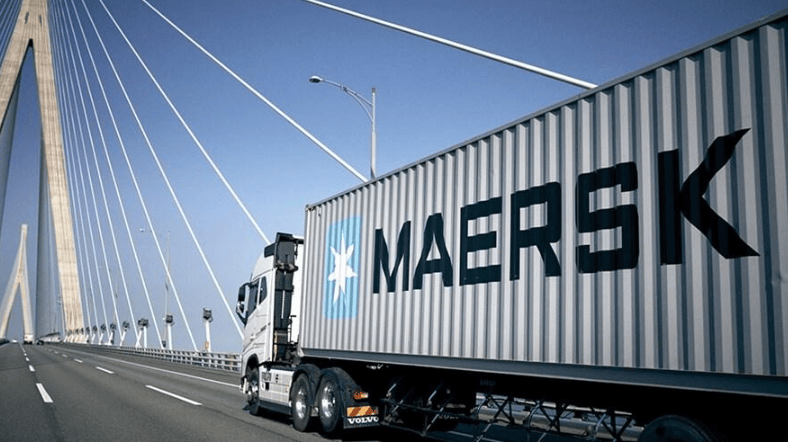
A new international transport route, the Trans-Arctic Transport Corridor (TTC), is being created on the instructions from the Russian president following the Murmansk Forum. The TTC is aimed at improving logistics efficiency and competitiveness due to the synergy and integration of rail, road, river and sea infrastructure into a single network connected to the NSR. The advantages of this route are recognized in other countries and international container traffic along the NSR is increasing. In 2023, seven container voyages were made along this route, in 2024 it was 14, and in 2025 it was 24.
The International Transport and Logistics Forum is an important event in the area of transportation infrastructure and logistics development. It brings together key market players, government representatives, and expert community to discuss current challenges and future prospects for the industry. In 2026, participants of the Forum held in St. Petersburg explored ways to strengthen transport connectivity in the context of the Greater Eurasia Partnership.
The comprehensive development of the Russian Arctic is considered a national strategic priority. Increasing the cargo traffic along the NSR is crucial for the fulfilment of the tasks set in the field of transportation and cargo delivery. The development of this logistics corridor is ensured due to cargo shipping organized on a regular basis, construction of new nuclear icebreakers, and modernization of the relevant infrastructure. Rosatom companies are actively involved in these efforts.
This article is compiled by Wedoany. All AI citations must indicate the source as "Wedoany". If there is any infringement or other issues, please notify us promptly, and we will modify or delete it accordingly. Email: news@wedoany.com
Related Products


ERW Welded Pipe (Black Pipe and Hot-dip Galvanized Steel Pipe)
Handan Zhengda Steel Pipe Co., Ltd.
Industrial and Commercial Point-Type Gas Detector
Jinan Benan Technology Development Co., Ltd.
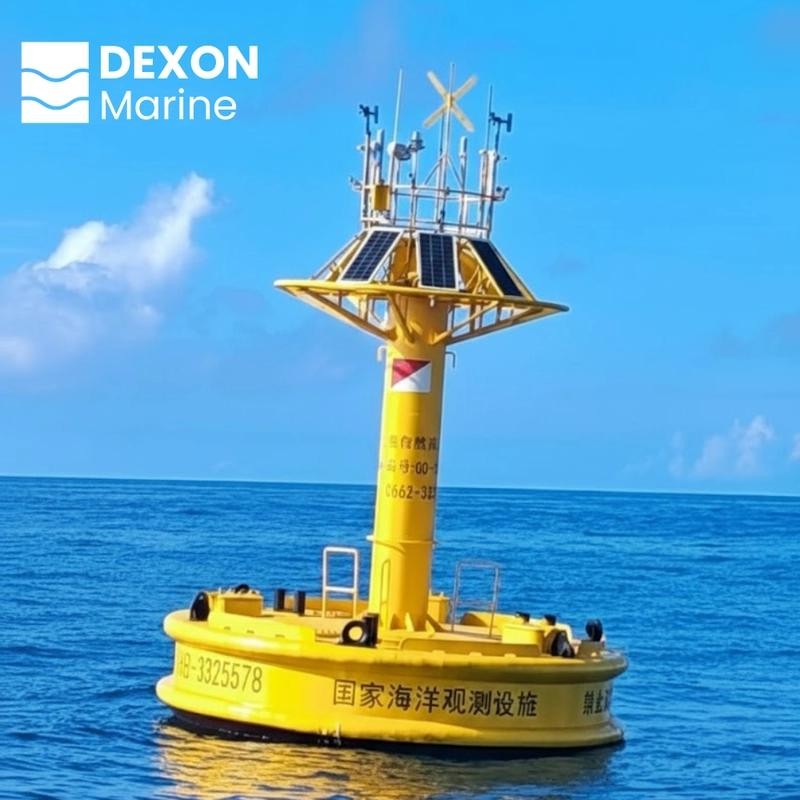
3m intelligent buoy combining navigation safety and real-time marine monitoring integrated navigation and marine monitoring system for real-time maritime data
Chengdu Dixin Technology Co., Ltd.
GSR6-27.5kV SF6 Free Gas-insulated Metal-enclosed Switchgear
Zhejiang Juhonkia Intelligent Electric Co., Ltd.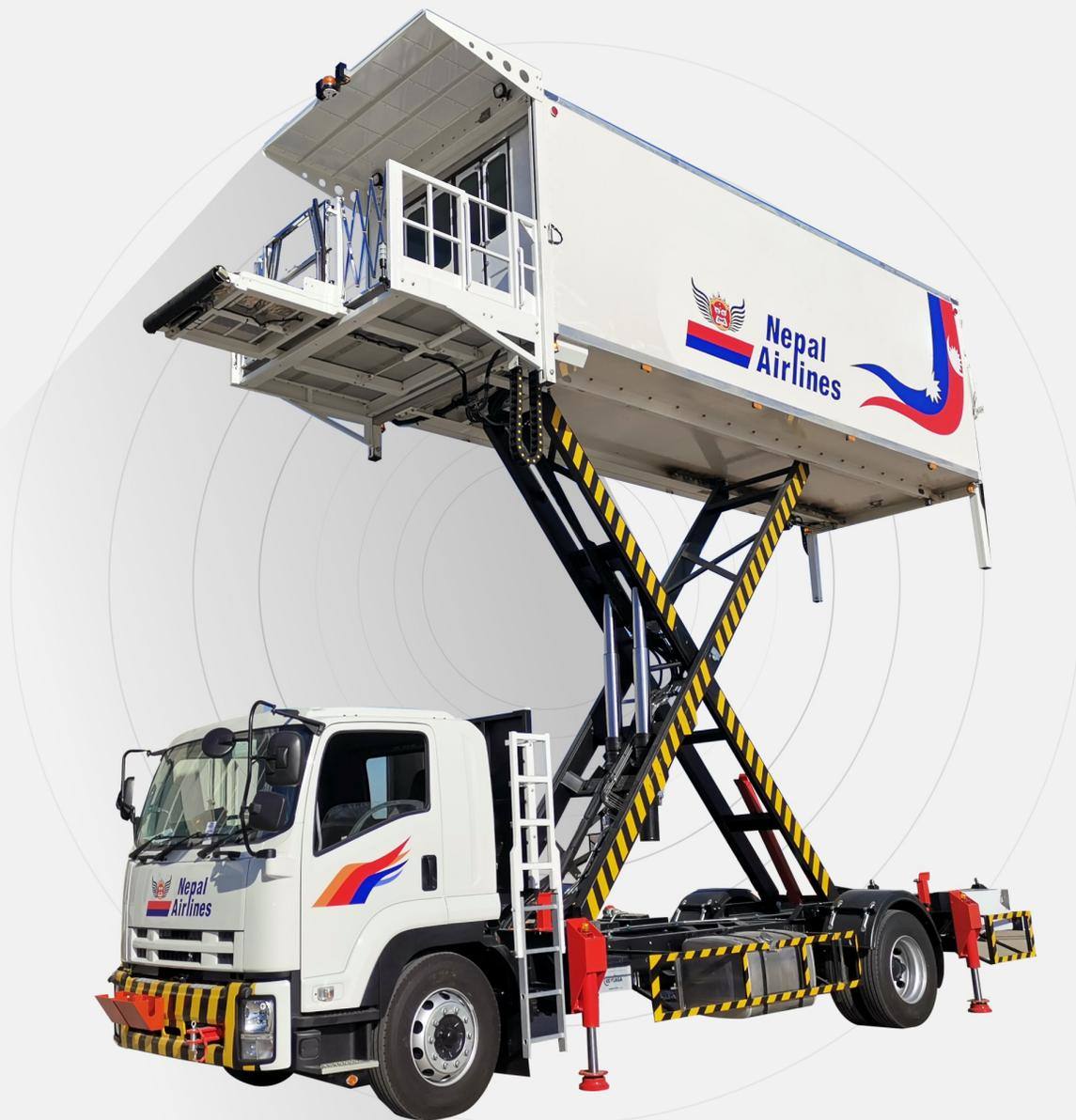
XC-6000e Type Aviation Catering Truck (Fuel Type)
Shenzhen CIMC-TianDa Airport Support Ltd.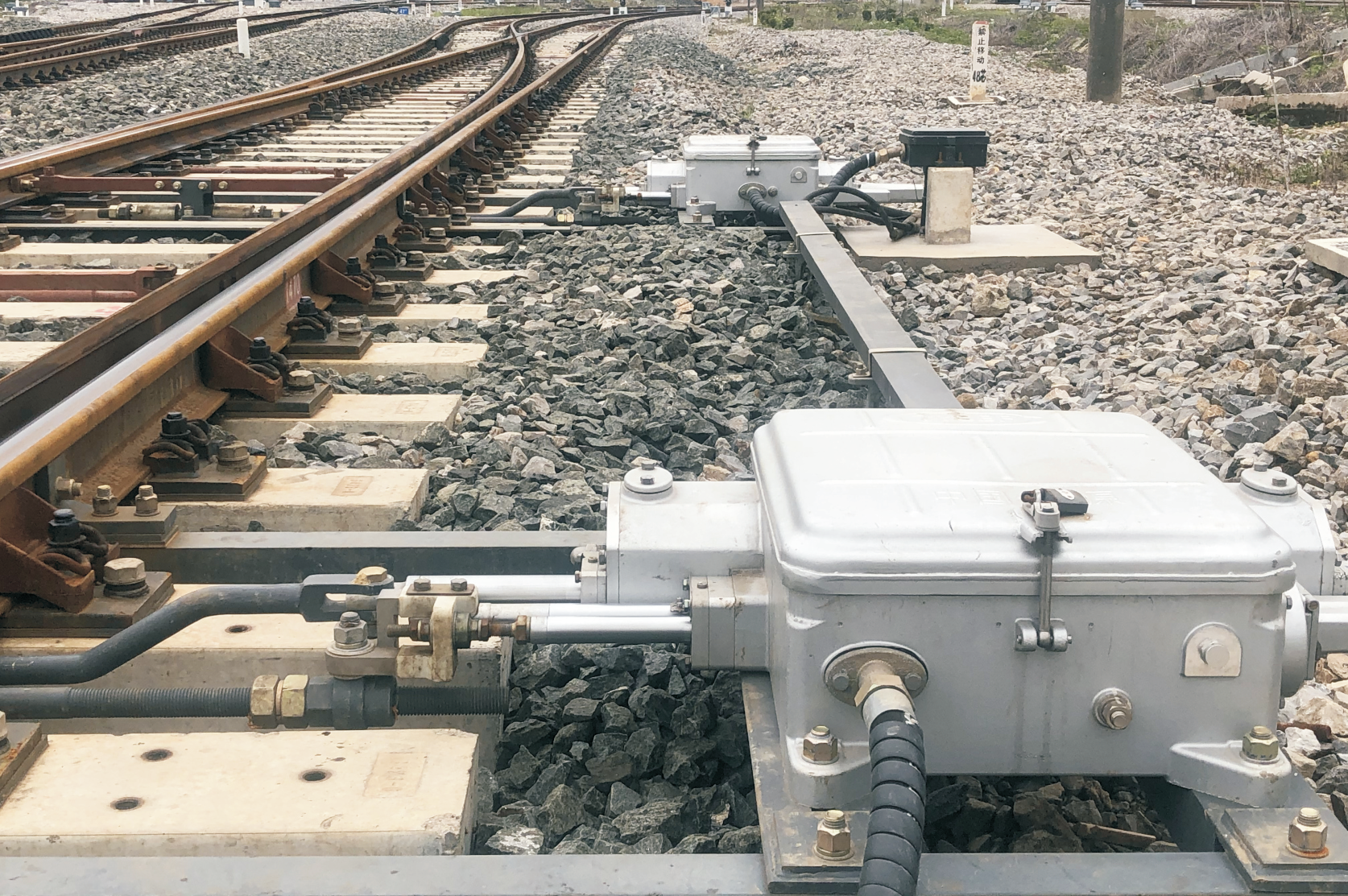
ZY(J)7(M) Sealed Type Electro-Hydraulic Turnout Machine
TAIYUAN CR JINGFENG EQUIPMENT TECHNOLOGY CO., LTD.

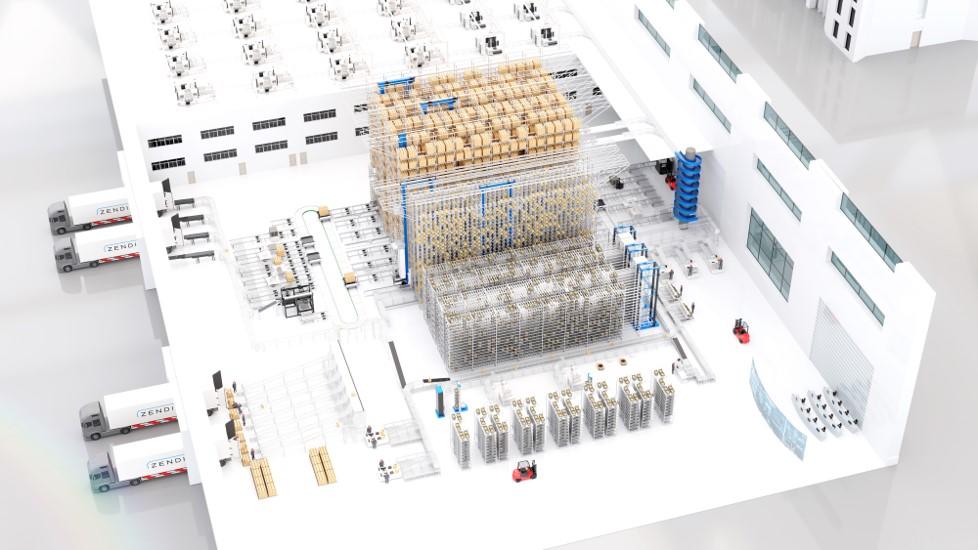
One-Stop Steward Service for the Entire Logistics System Integration Chain
Zhongding Intelligent (Wuxi) Technology Co., Ltd.