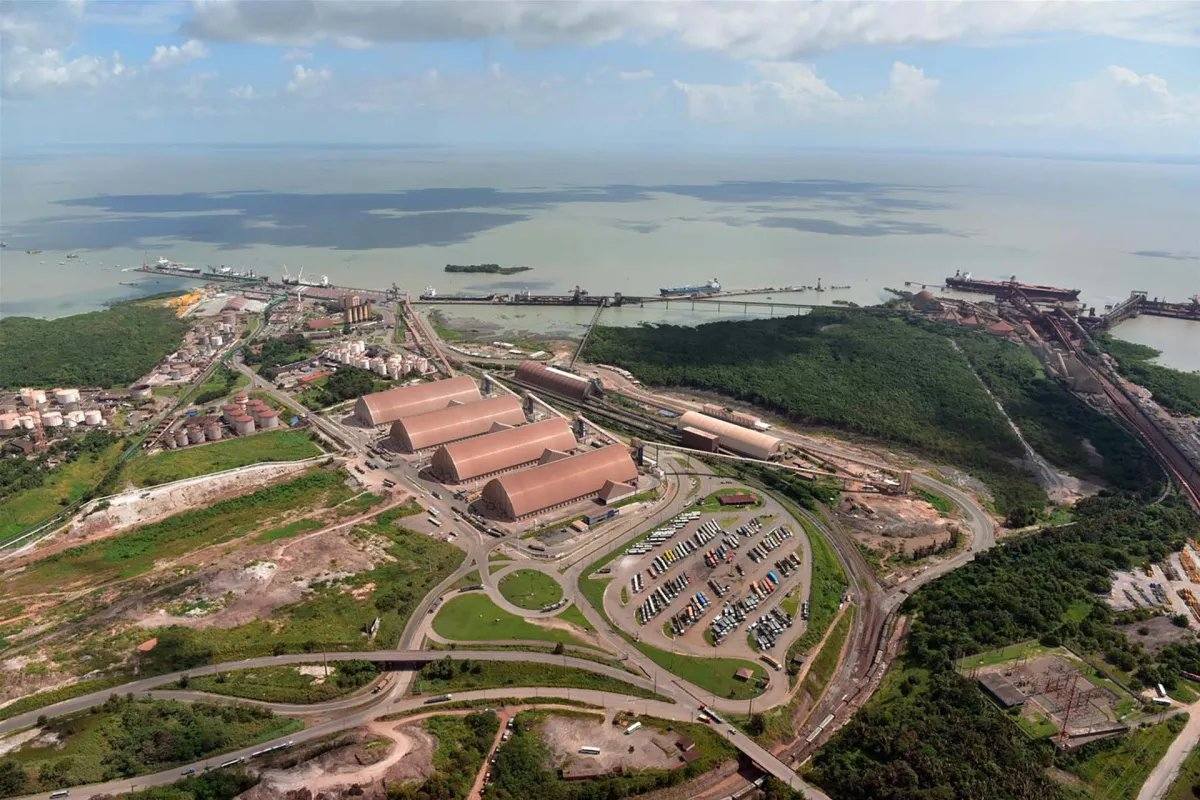
Ningbo, China, Applies AI Glasses for Remote Maritime Inspection; Deye Energy Storage's $1.1 Million Products Efficiently Go Global
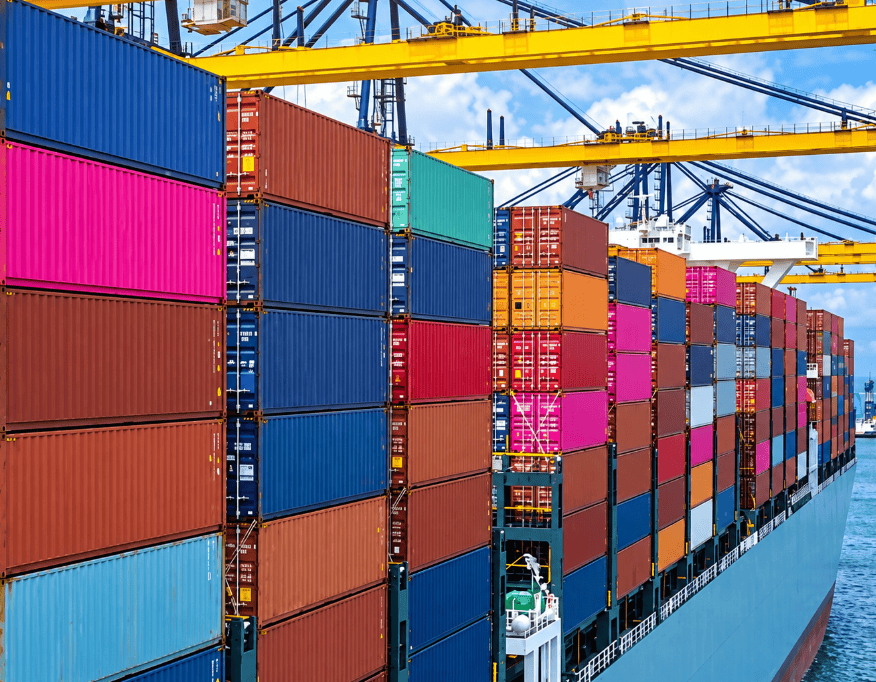
en.Wedoany.com Reported - A batch of lithium battery energy storage products worth $1.1 million is being loaded into containers in an orderly and efficient manner at the Deye Energy Storage factory. The reporter learned that this shipment not only benefited from the "new three categories" maritime express lane service and "deficiency tolerance" processing by the Ningbo Maritime Department in China, but also achieved efficient customs clearance through "simultaneous loading and inspection" via AI glasses remote connection, further accelerating the export of the "new three categories" through the Ningbo-Zhoushan Port.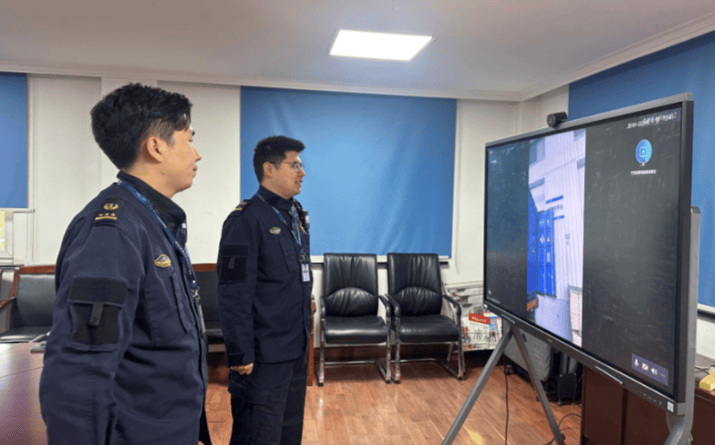
Lithium battery energy storage products are classified as Class 9 dangerous goods for sea transport. Traditional inspection processes require dedicated sites and are affected by various factors such as environment, time, space, and human resources. Inspection schedules often differ from company expectations, easily leading to missed shipping schedules, cargo delays, and potential commercial claims risks for enterprises. The Ningbo Maritime Department is exploring reforms in inspection models through AI glasses, precisely integrating technology with supervision to comprehensively improve customs clearance efficiency.
At the operation site, after the container loading inspector puts on the AI glasses, the intelligent loading supervision system automatically starts, displaying the task list in real time and highlighting key inspection points, with the entire process being recorded and traceable. Meanwhile, maritime law enforcement officers can remotely view the footage simultaneously, achieving "government-enterprise joint inspection," replacing the traditional model of "load first, inspect later."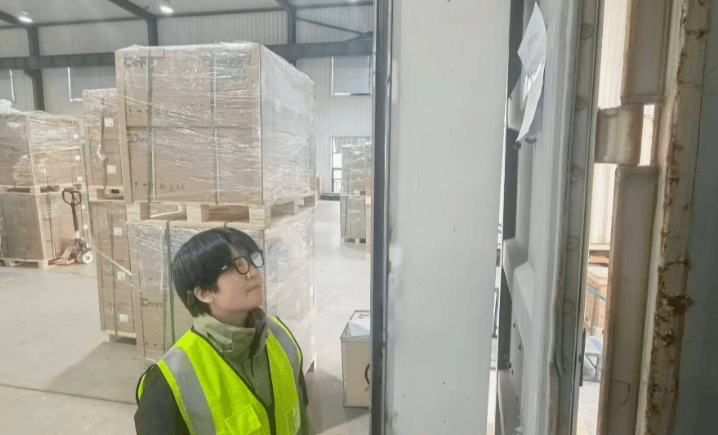
"Currently, maritime shipping costs continue to rise, so time costs must be strictly controlled. Traditional inspections were time-consuming and often caused delays. Now, with AI glasses, the maritime department can conduct remote simultaneous inspections while we load the containers at the factory, allowing this batch of energy storage cabinets to successfully meet the shipping schedule. This month, we have already exported over 800 containers containing lithium batteries, with an output value of approximately $170 million," calculated Ji Xueqi, the follow-up supervisor at Ningbo Deye Energy Storage.
Yang Shaojie, Deputy Captain of the Zhaobaoshan Maritime Patrol and Law Enforcement Brigade at the Ningbo Zhenhai Maritime Department, stated: "The application of AI glasses breaks the time and space constraints of traditional maritime inspections. Under the previous model, law enforcement officers could provide simultaneous loading and inspection services for at most two local enterprises in a day. Now, they can conduct remote inspections anytime from the office, with full video recording and precise capture of key operations. Problematic footage can be transmitted back to the loader in real-time for precise rectification, which is much more efficient than phone communication and can meet the personalized needs of enterprises. Additionally, loaders can automatically upload loading supervision videos via AI glasses for the maritime department's retrospective inspection, avoiding impacts on the company's shipment window and adding new momentum for the export of lithium battery energy storage products."
It is reported that since the implementation of the "express lane" service, the maritime department has served 146 enterprises, conducted simultaneous loading and inspection for 9,156 TEUs (twenty-foot equivalent units), cumulatively saving enterprises 12.2483 million yuan in logistics costs and 7,194 days in logistics time. The organic integration of "Artificial Intelligence + maritime supervision" allows enterprises to experience "unobtrusive supervision," fully demonstrating the tangible benefits that technological progress brings to government management and enterprise production.
This article is compiled by Wedoany. All AI citations must indicate the source as "Wedoany". If there is any infringement or other issues, please notify us promptly, and we will modify or delete it accordingly. Email: news@wedoany.com
Related Products

![IVECO Cash-in-Transit [DMT5048XYCL3-AM] - Chongqing Dima Industry Co., Ltd](https://img.wedoany.com/2026/0911/20260911030157582.png)
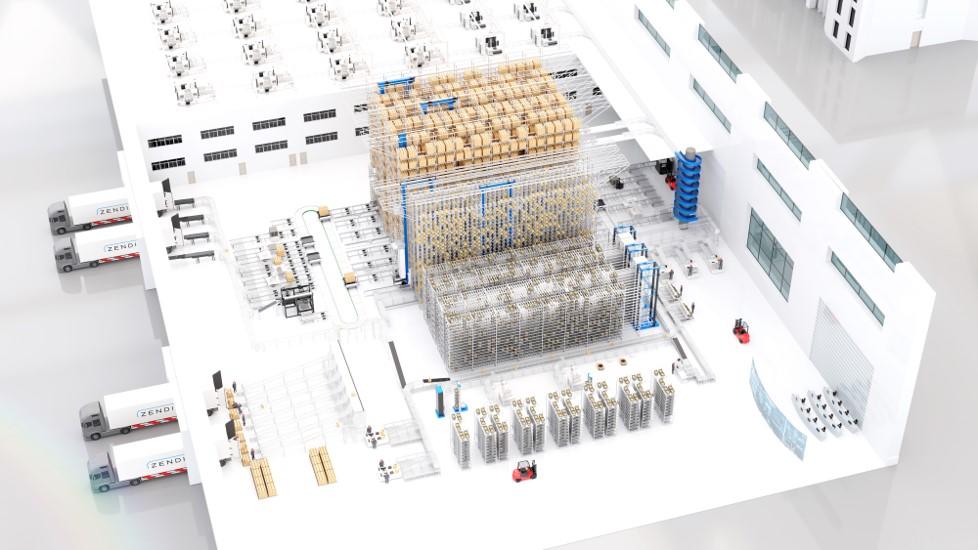
One-Stop Steward Service for the Entire Logistics System Integration Chain
Zhongding Intelligent (Wuxi) Technology Co., Ltd.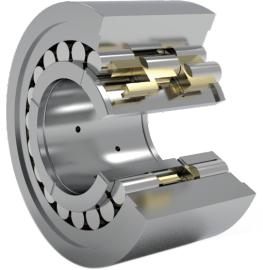
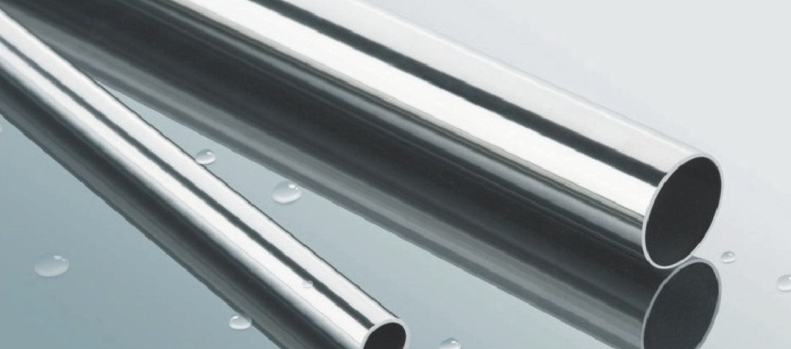
ERW Welded Pipe (Black Pipe and Hot-dip Galvanized Steel Pipe)
Handan Zhengda Steel Pipe Co., Ltd.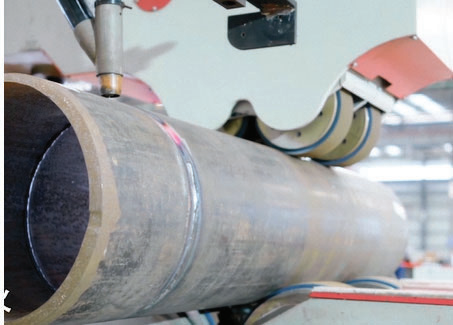
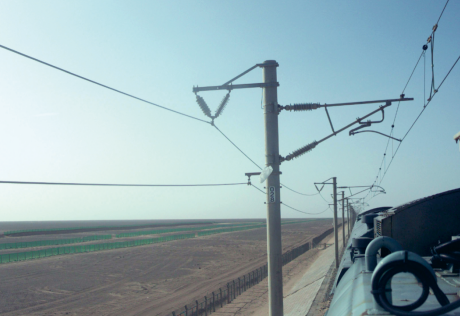
Pantograph-Catenary Comprehensive Detection Device (1C)
CHENGDU TANGYUAN ELECTRIC CO., LTD.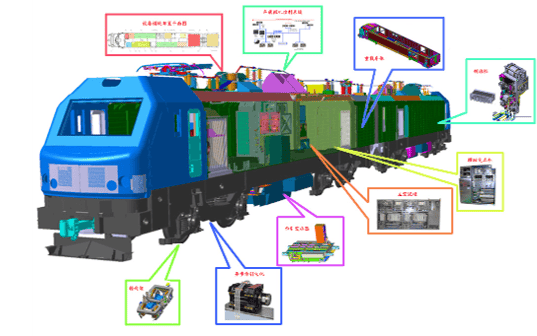
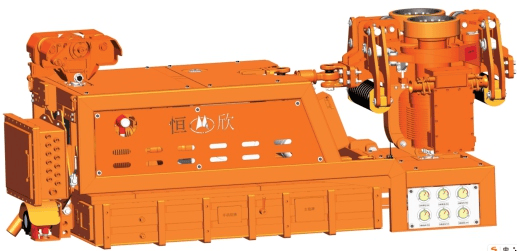
Explosion-proof lithium battery dispatching monorail crane locomotive (permanent magnet frequency conversion integrated machine)
Xiangtan Hengxin Industrial Co., Ltd.

Wheel and Track Technology Business
Beijing Research & Design Institute of Rubber Industry Co., Ltd.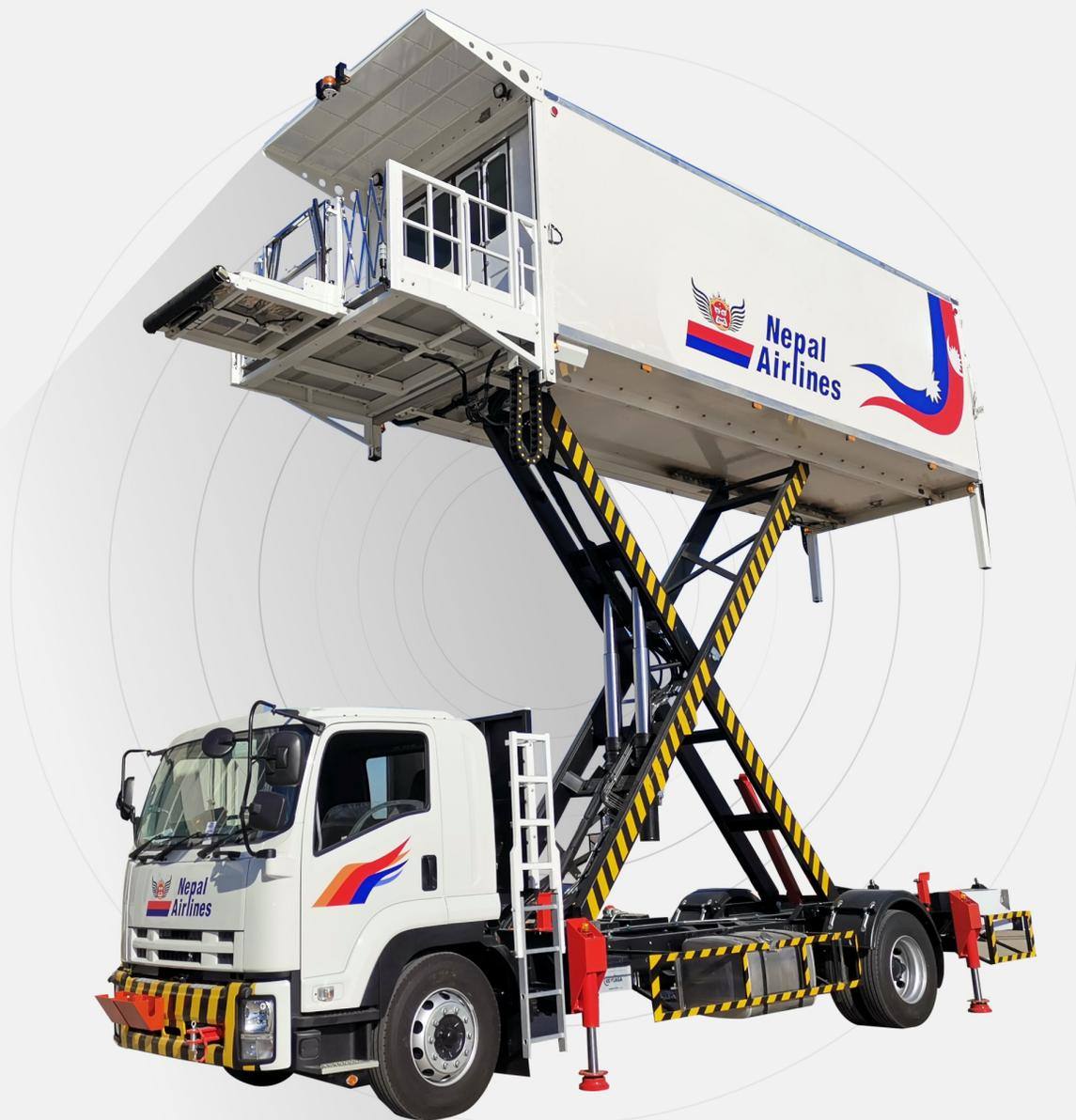
XC-6000e Type Aviation Catering Truck (Fuel Type)
Shenzhen CIMC-TianDa Airport Support Ltd.