en.Wedoany.com Reported - Swedish renewable energy developer OX2 recently announced the commencement of construction on a 165 MW solar park in Poland, with the project expected to achieve commercial operation in 2026. This move signifies the continued acceleration of Poland's photovoltaic market, as another large-scale utility project enters the construction phase, poised to drive further expansion in Europe's solar sector.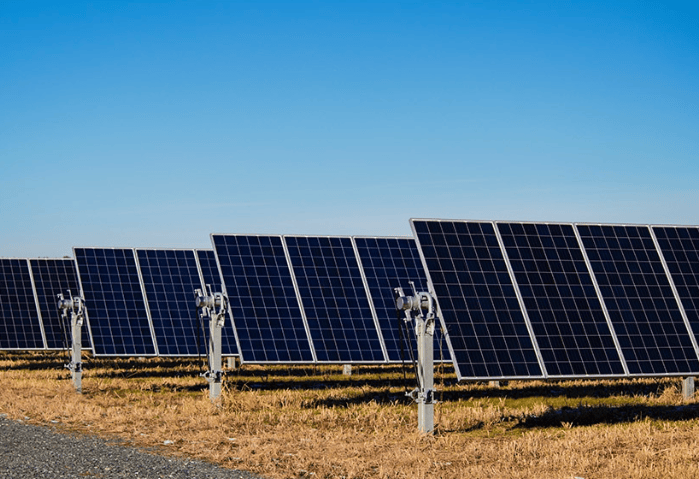
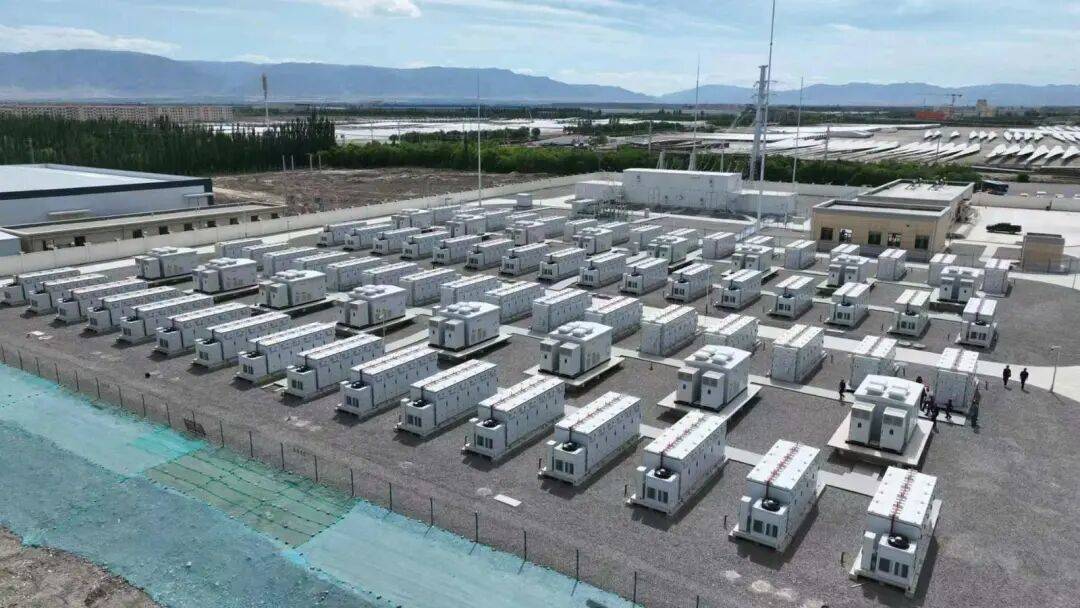
As the scale of solar projects in Poland continues to grow, developers are shifting their focus from panel supply to grid readiness and delivery risks. Key areas of focus include grid connection timing, congestion at specific grid nodes, and commissioning quality. Project designs adopt bankable configurations, such as using high-efficiency bifacial modules, optimized tracker or fixed-tilt layouts, modular inverter systems, and modern SCADA systems. Many projects also reserve space and transformer capacity for the future addition of battery energy storage.
Grid readiness is a critical factor for OX2 to achieve its 2026 commercial operation target. A project can only synchronize to the Polish grid system after completing connection works, switchgear upgrades, and arranging availability for transformers or bays at the grid node specified in the connection agreement. Interconnection timing risks may dominate the critical path; even if module and inverter procurement is completed on schedule, commercial operation could be delayed if the grid operator's timeline for reinforcement, new lines, or substation bays is delayed.
Delivery risks will impact OX2's ability to secure the 2026 commercial operation window. Key elements include procuring long-lead-time equipment such as inverters, transformers, and high-voltage switchgear, as well as the rapid mobilization of specialized installation services. Contractor and logistics planning are also crucial, as the progress of utility-scale solar projects in Poland is increasingly dependent on the availability of skilled electrical teams and transformer logistics.
Commissioning risks are influenced by site preparation and construction sequencing. If earthworks, cable trenching, etc., are not completed as required, pre-energization inspections and performance tests cannot commence on time, potentially delaying the acceptance process. Bankability-driven design choices, such as modular electrical layouts and configurable commissioning phases, help mitigate acceptance risks. Phased energization or reserving capacity for future storage can reduce delivery risks, provided backup transformers and control interfaces are planned in advance.
Final acceptance depends on testing and performance verification, including grid code compliance testing, the quality of commissioning documentation, and coordination with the operator to resolve technical issues. The outcome of OX2's 2026 commercial operation will hinge on the alignment of two schedules: the grid operator's reinforcement and testing window at the connection point, and the delivery and installation of critical electrical equipment and on-site support systems necessary for passing grid compliance tests.
This article is compiled by Wedoany. All AI citations must indicate the source as "Wedoany". If there is any infringement or other issues, please notify us promptly, and we will modify or delete it accordingly. Email: news@wedoany.com