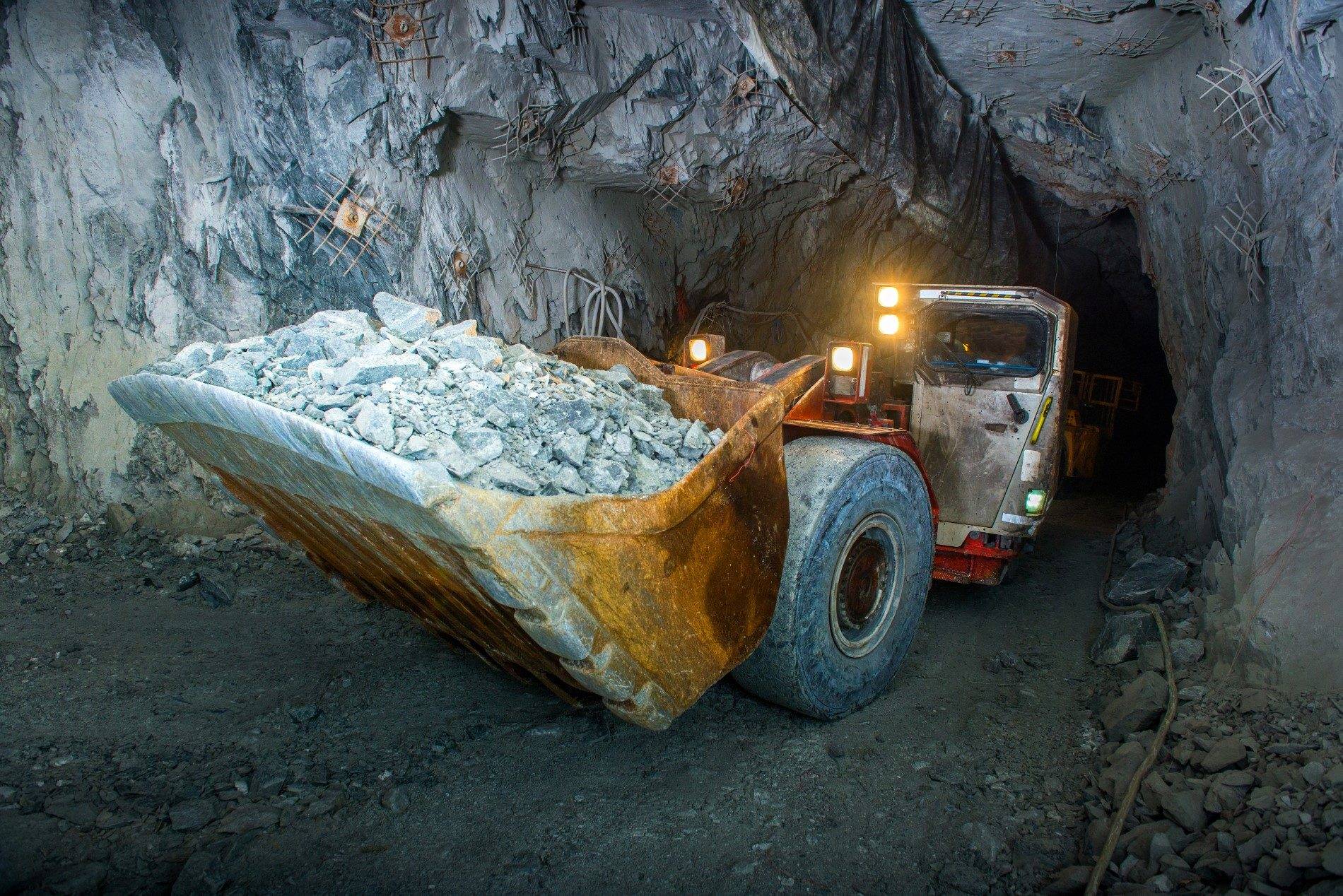
en.Wedoany.com Reported - During the Asian early trading session on April 9, 2026, the international spot gold price fell below the $4700 per ounce mark, hitting a low of $4698.7, with an intraday decline of approximately 0.4%. Simultaneously, the COMEX gold futures price dropped nearly 1%, fluctuating around $4730 per ounce. The spot silver price fell about 0.5%, while the COMEX silver futures price declined over 2.4%.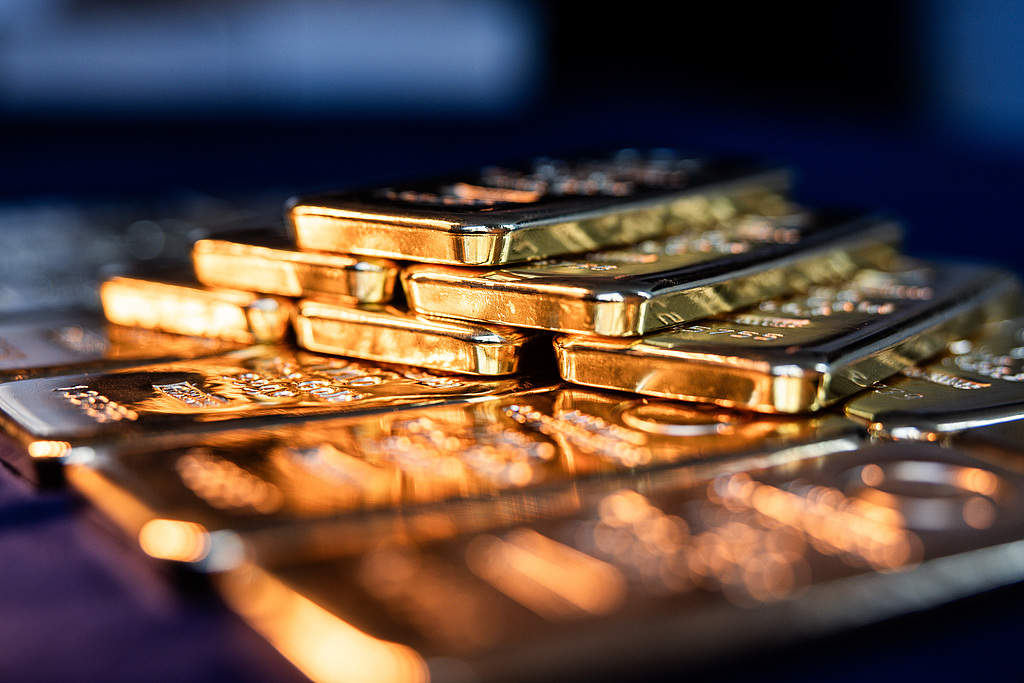
The easing of geopolitical tensions is one of the key factors triggering the gold price correction. On April 8 local time, with mediation from multiple parties, the United States and Iran reached a conditional ceasefire agreement, entering a two-week ceasefire window, leading to a rapid retreat in geopolitical safe-haven sentiment. Previously, since the US and Israel launched military strikes against Iran, the Strait of Hormuz had been effectively blocked, disrupting about one-fifth of global oil and liquefied natural gas transportation, which had once pushed the gold price above $4800 per ounce. However, the ceasefire agreement has not completely eliminated uncertainty. Iran stated that its three ceasefire terms have been violated and it may withdraw from the agreement, while Israeli Prime Minister Netanyahu also stated they are "ready to return to the battlefield at any time." In early trading on April 9, news of the strait's closure again caused West Texas Intermediate crude oil futures to rebound over 3% at one point, but the temporary alleviation of geopolitical risk remains the main market trading logic.
The hawkish shift in the Federal Reserve's monetary policy has become another core factor suppressing the gold price. The minutes from the Fed's March FOMC meeting, released on April 8 local time, show officials were clearly divided over whether the US-Iran conflict would impact the job market or push up inflation. Given the inflation risks from the conflict, some policymakers believe rate hikes may be necessary to address inflation persistently above the central bank's 2% target. This marks the first time since the current tightening cycle that the Fed has reintroduced "rate hikes" into policy discussions. As a result, market expectations for rate cuts in 2026 have been significantly compressed to near zero, and the interest rate market has even begun pricing in the possibility of rate hikes. The opportunity cost of holding the non-interest-bearing asset gold has risen significantly, directly triggering high-level selling in the gold futures market.
Despite facing multiple short-term pressures, several institutions remain optimistic about gold's medium-term outlook. UBS strategist Joni Teves expects that, despite recent high volatility, the average gold price for 2026 could still reach $5000 per ounce, viewing the recent pullback as a buying opportunity. The average price forecasts for 2027 and 2028 are $4800 and $4250 per ounce, respectively. The latest data from the World Gold Council shows global central banks were net buyers of 19 tonnes of gold in February 2026, a significant increase from January, with emerging market central banks continuing their accumulation trend. Although the Russian and Turkish central banks reduced their gold reserves by 6 tonnes and 8 tonnes respectively that month, institutional sources believe this is more of a tactical operation and does not change the main theme of global central bank gold purchases.
In summary, the international gold market still faces dual tests in the short term: repeated geopolitical news and rising expectations of Fed rate hikes. The market is focusing on the implementation of the two-week ceasefire window, developments in the Middle East situation, and the release of subsequent US inflation data.
This article is compiled by Wedoany. All AI citations must indicate the source as "Wedoany". If there is any infringement or other issues, please notify us promptly, and we will modify or delete it accordingly. Email: news@wedoany.com