en.Wedoany.com Reported - Research from the University of Adelaide in Australia has found that ancient plate tectonic activity is a key factor in locating rare earth elements (REEs). Published in *Science Advances* on April 8, 2026, the study reveals a global link between the formation of carbonatites and rare earth deposits with ancient subduction zones. The research team used plate tectonic models to reconstruct Earth's geological history over the past 2 billion years.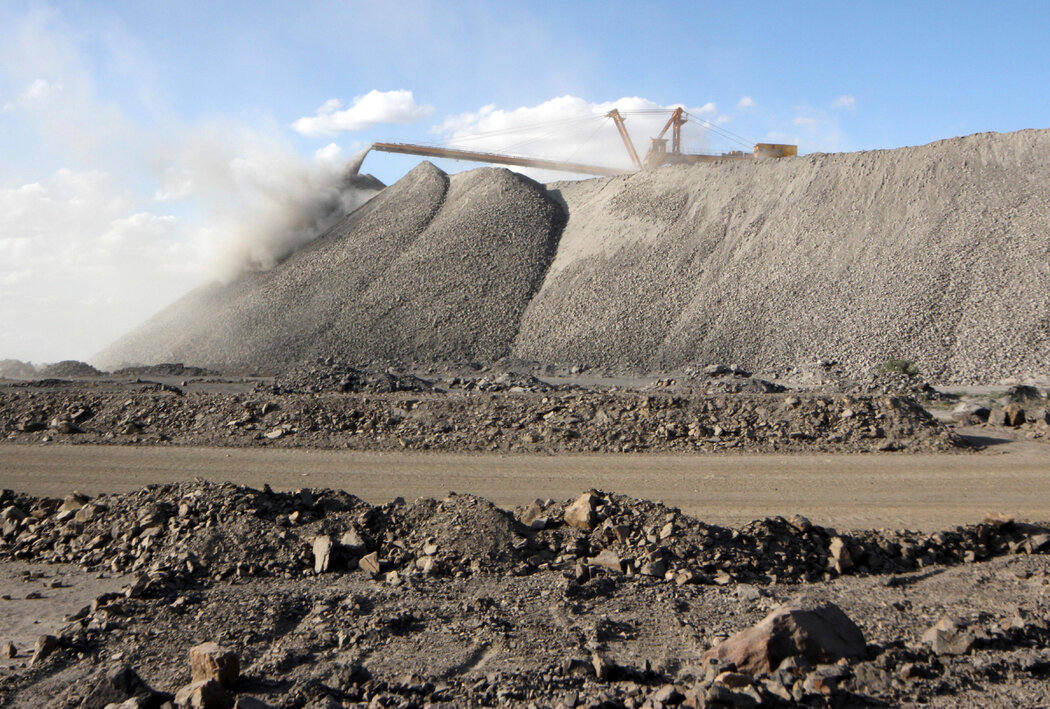
Rare earth elements are widely used in electric vehicles, wind turbines, smartphones, and defense systems, but economically viable deposits have been difficult to discover. The study indicates that areas of the mantle "fertilized" by subduction now cover approximately 67% of carbonatites and 72% of rare earth deposits (formed within the last 1.8 billion years). For older deposits, this proportion rises to 92%. The study also found that areas with overlapping subduction events have particularly high concentrations of rare earth deposits.
The research challenges previous theories that primarily linked such deposits to mantle plumes (hot columns of material rising from Earth's deep interior), proposing a two-stage ore formation process. According to the study, subduction first enriches the mantle; later—sometimes millions or even billions of years afterwards—melting and magma formation are triggered by certain geological events. Professor Carl Spandler stated that this time lag is one of the most surprising findings, suggesting Earth's mantle can store these enriched regions for extremely long periods until suitable conditions arise for deposit formation.
Professor Spandler is a professor in the School of Physics, Chemistry and Earth Sciences at the University of Adelaide, and also the Deputy Director and Chief Investigator of the Australian Research Council (ARC) Centre in Critical Resources for the Future (CCRF). His research primarily uses petrological and geochemical methods to explore the evolution of the crust and mantle, as well as the formation mechanisms of metal deposits. The research team also mapped the global distribution of these subduction-influenced regions, estimating they cover about 35% of Earth's continental crust area.
Co-author Dr. Andrew Merdith pointed out that these findings can help improve exploration methods. He stated that by focusing on these ancient tectonic zones, exploration companies and governments can adopt more targeted and efficient approaches to find new deposits, which is particularly important for the world's growing demand for rare earths. Beyond resource exploration, the study also provides scientific insights into understanding Earth's geological evolution and the long-term storage of carbon and water in the mantle, holding significant implications for understanding past climate and volcanic activity. The research was conducted in collaboration with the Australian Research Council (ARC) Centre in Critical Resources for the Future (CCRF). The research paper is titled "Linking carbonatites, rare earth ores, and subduction-fertilized mantle lithosphere".
This article is compiled by Wedoany. All AI citations must indicate the source as "Wedoany". If there is any infringement or other issues, please notify us promptly, and we will modify or delete it accordingly. Email: news@wedoany.com