Sino-Japanese Team Develops Titanium Molten Salt Flow Battery: Coulombic Efficiency Exceeds 97%
en.Wedoany.com Reported - A research team from the University of Science and Technology Beijing in China and Tohoku University in Japan has collaboratively developed a novel titanium molten salt redox flow battery (TMSRB). This battery utilizes titanium ions as the active material and molten salt as the electrolyte, aiming to provide higher charge and discharge current densities for grid-scale energy storage.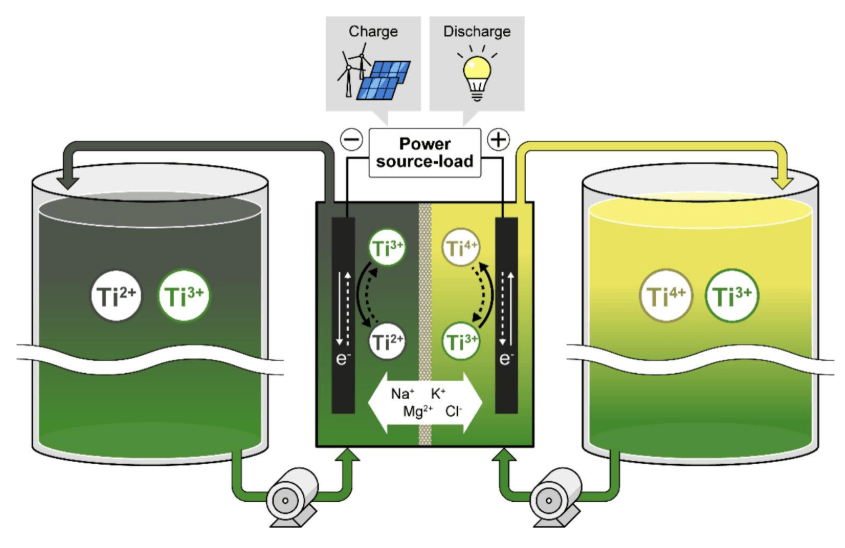
The researchers point out that titanium's abundance in the Earth's crust is 0.56%, which is 35 times that of vanadium, addressing the supply and cost constraints of traditional vanadium redox flow batteries (VRFBs). They emphasize: "Titanium is the seventh most abundant metal in the Earth's crust, so there is no need to worry about the sustainable supply of redox-active materials in TMSRBs."
The battery system operates by leveraging the multiple oxidation states of titanium ions. The cathode and anode employ the Ti⁴⁺/Ti³⁺ and Ti³⁺/Ti²⁺ redox couples, respectively, enabling reversible reactions. Molten salt electrolytes, such as lithium chloride-potassium chloride, provide a wide electrochemical stability window and high ionic conductivity, supporting efficient operation and stable cycling at temperatures of 300–450°C.
The battery uses a porous alumina crucible as a separator, with carbon and graphite electrodes connected by nickel leads. The evaporation of titanium tetrachloride is controlled using a lithium fluoride additive. After assembly, the battery was tested under an argon atmosphere, and molecular dynamics simulations were used to track ion distribution.
Experiments showed that in molten LiCl–KCl at 400°C, the Ti²⁺/Ti³⁺ and Ti³⁺/Ti⁴⁺ redox reactions are clearly reversible, providing a theoretical voltage of about 1.55V, with a maximum reaching 1.80V. The multiple stable oxidation states enhance the system's flexibility and stability.
The molten salt composition can be adjusted to optimize cost and performance. Experiments with different electrolytes confirmed redox activity and high voltage across a wide temperature range. Tests also showed a coulombic efficiency exceeding 97%, stable cycling at high charge/discharge rates, and robust performance across various molten salt systems.
The scholars concluded: "The developed TMSRB offers advantages such as higher operating voltage, extremely high coulombic efficiency, fast charge/discharge capability, and abundant, low-cost raw materials. Further engineering optimizations, such as stack design and thermal management strategies, are currently underway."
The research findings have been published in the journal *Electrochemistry Communications*. With laboratory validation complete, the project has now entered the engineering optimization phase. Subsequent R&D directions include improvements in stack structure, enhancement of thermal management strategies, and detailed evaluation of system-level metrics like voltage efficiency and energy density to advance its application in large-scale energy storage scenarios.
This article is compiled by Wedoany. All AI citations must indicate the source as "Wedoany". If there is any infringement or other issues, please notify us promptly, and we will modify or delete it accordingly. Email: news@wedoany.com
Related Products


MAX-12 series Environmental Protection/SF6 gas insulated switchgear (C-GIS)
Murge Electric Co.,Ltd.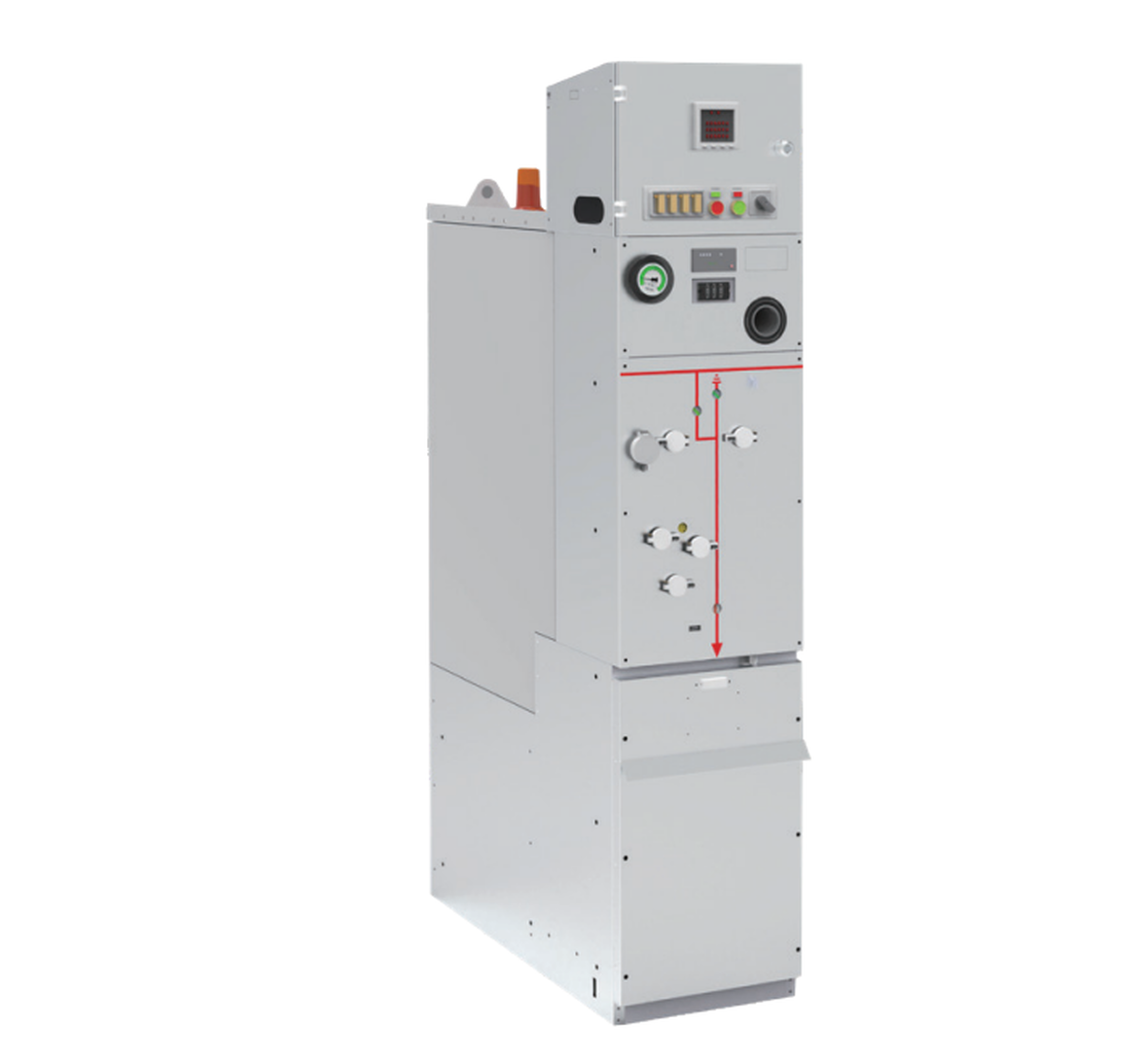


714CD Series C-Band Weather Radar
Chengdu Zhongdian Jinjiang Information Industry Co., Ltd.
CITIC Heavy Industries Offshore Wind Power Equipment Hydraulic Pile Hammer
CITIC Heavy Industries Co., Ltd.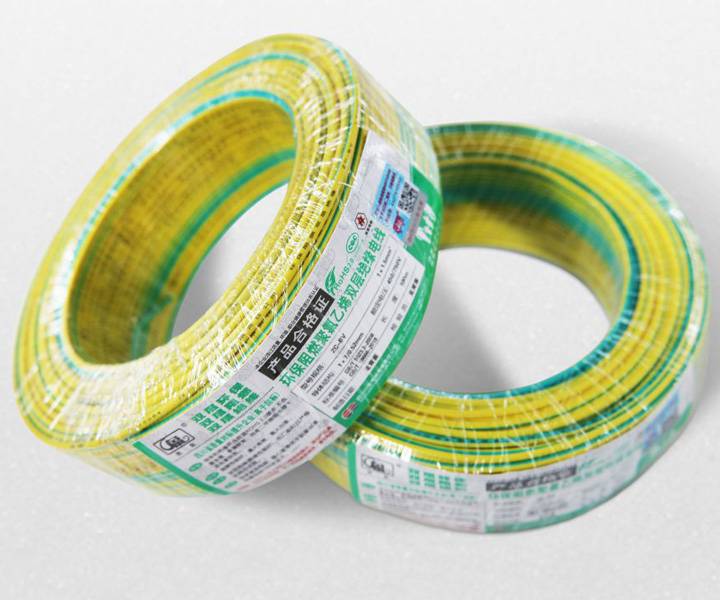
Environmentally Friendly Flame-retardant PVC Double-layer Insulated Wire
Sichuan Chndo Cable Co., Ltd.

Modular Multifunctional Water Supply and Drainage Vehicle (18T)
Changsha Dewater Machinery Technology Co., Ltd.