Deloitte US Report: Autonomous AI Optimizes Supply Chains, Fuels Transformation of Smart Manufacturing
en.Wedoany.com Reported - Deloitte released the "Designing for Resilience: The Autonomous Supply Chain" report in early April 2026. The report indicates that as global supply chains become increasingly complex and uncertain, autonomous AI is creating new pathways for manufacturers to optimize operations and reduce risks. Victor Reyes, a Managing Director at Deloitte specializing in human capital consulting for the manufacturing sector, explicitly stated in an interview with Design News regarding this research that autonomous AI has become a competitive necessity for manufacturers. Organizations must clarify how to leverage this technology, as competitors are undoubtedly already taking action.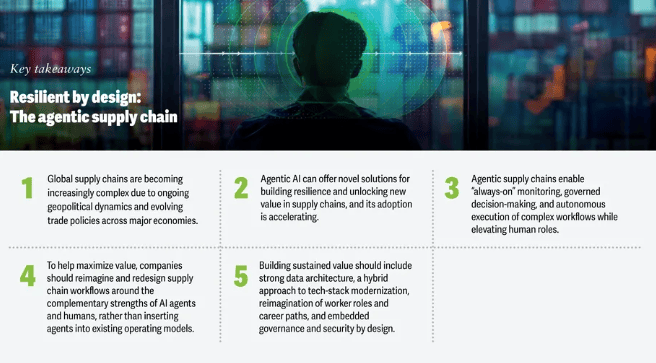
In the interview, Reyes elaborated on the fundamental differences between autonomous AI and previous advancements in manufacturing automation. Firstly, current technology can operate and make judgments autonomously or semi-autonomously, not only automating predetermined steps but also mimicking tasks that workers perform independently. Secondly, systems can dynamically respond to changes without needing to be pre-programmed for every possible scenario. Thirdly, these capabilities can be implemented at scale. Reyes used supply chain disruption detection and response as an example: autonomous AI can comprehensively examine external market conditions, weather patterns, the financial health of individual suppliers, and geopolitical events to predict procurement issues for specific components. It can then initiate response actions, including issuing tenders to alternative suppliers, collecting quotes, making comparisons, and proposing recommendations to supply chain professionals. Under predefined constraints, the system can even directly execute the solution.
The report points out that autonomous AI is substantively breaking down the human-created barriers between functions such as engineering and procurement. Reyes stated in the interview that AI has no awareness of organizational charts; its operation is not limited by internal organizational factors such as whether an engineering change might upset the procurement department. The real constraint currently is not the pace of technological evolution, but the pace at which people adapt to change. Regarding the talent dimension, Reyes suggested that companies determine where humans should intervene in the AI workflow based on factors such as risk profile, customer exposure, levels of uncertainty and volatility, and the degree of decision routine. If AI handles 20% to 40% of an individual's work activities, the organization needs to replace these capabilities with high-value work. For instance, supply chain professionals could spend more time cultivating supplier relationships rather than preparing quote documents.
The report also analyzes sustainability elements within autonomous supply chains. Regarding data architecture and quality, data, as the core fuel for AI, continues to grow in importance. AI can now ingest and understand various types of data, requiring significantly less cleaning and preparation than before, but data governance remains a critical component. In terms of modernizing the technology stack, the path to AI adoption has fundamentally changed. Enterprises are no longer solely relying on replacing old technologies with new market offerings to drive modernization. Instead, they can delay system replacement cycles by overlaying AI capabilities on top of legacy systems. Reyes likened AI agents to the past practice of organizations throwing more human resources at the limitations of old systems, emphasizing that similar effects can now be achieved at significantly lower cost.
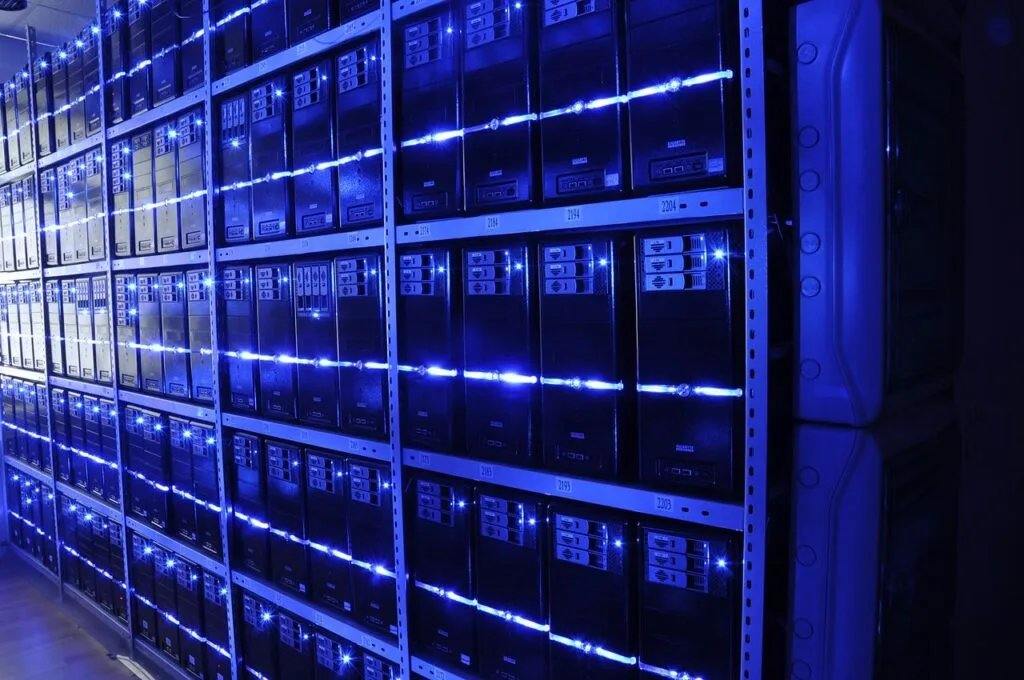
The Deloitte report further notes that manufacturers are using AI-driven trade analysis and autonomous AI agents to continuously assess risks, balancing the enhancement of end-to-end visibility with the optimization of cost and service amidst volatile trade and logistics conditions. The report cites relevant Deloitte forecast data indicating that by 2026, 40% of enterprise applications will integrate task-specific agents, a significant increase from less than 5% in 2025. The expansion trend in autonomous AI deployment is also driving the need for edge computing environments to support real-time decision-making at the factory floor level.
This article is compiled by Wedoany. All AI citations must indicate the source as "Wedoany". If there is any infringement or other issues, please notify us promptly, and we will modify or delete it accordingly. Email: news@wedoany.com
Related Products

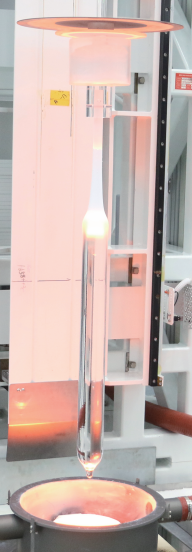
G.652.D Wavelength-extended Non-dispersion Shifted Single-mode Optical Fiber
HONGAN GROUP CO., LTD.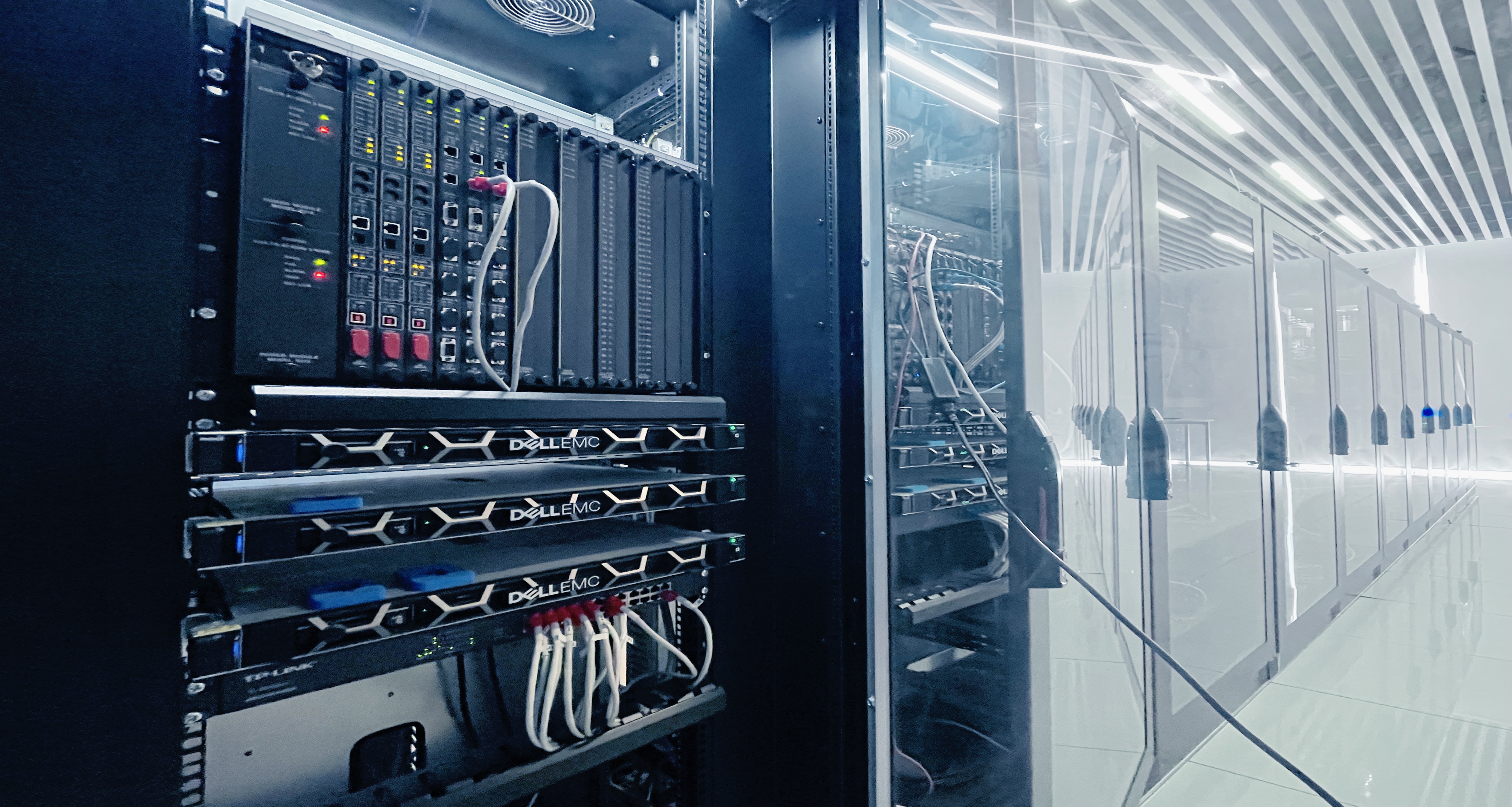

GYTA Type Non-Self-Supporting Aerial/Duct Optical Cable
TONGDING INTERCONNECTION INFORMATION CO., LTD.
20 Inch 1600*900 Full HD 60Hz TFT LED Monitor with VGA and DP Interfaces for Desktop Computers-Business Use
Guangzhou Zanying Optoelectronics Technology Co., Ltd.

Automatic Aiming Laser Remote Obstacle Removal Robot
Pinggao Group Weihai High-Voltage Apparatus Co., Ltd.
Multi-function Marine Monitoring Low-altitude Detection Radar Sea-air Boundary Ocean Dynamic Environment Measurement
Chengdu Dixin Technology Co., Ltd.


Comprehensive Mining Automation Control System
Beijing Tianma Intelligent Control Technology Co., Ltd.