The U.S. Genesis Mission Aims to Double Scientific Research Efficiency Within a Decade, Focusing on Nuclear Energy and Grid Technology
en.Wedoany.com Reported - Led by the U.S. Department of Energy, the "Genesis Mission" was officially launched in November 2025, positioned as the country's largest reshaping of the scientific research system since the Apollo moon landing. The core objective of this plan is to double the nation's overall scientific research efficiency within a decade by leveraging a technological architecture that integrates "supercomputing + AI + quantum." Currently, the plan has completed its top-level design and entered the implementation phase. The first round of $293 million in funding is now open for applications, with a primary focus on technological breakthroughs in areas such as fusion energy, advanced nuclear energy, and grid resilience.
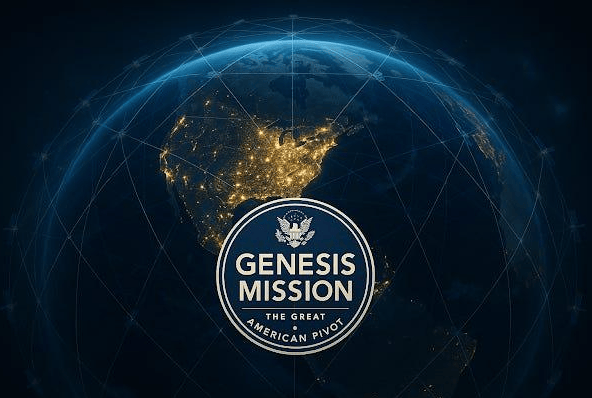
The implementation of the plan revolves around three core pillars: integrating the supercomputing and quantum computing resources of all 17 national laboratories across the United States to build a National Science Cloud platform; developing AI scientific research agents with autonomous experimental design and analysis capabilities to promote the operation of unmanned laboratories; and conducting a national-level concentrated effort to tackle the 26 hardcore technology challenges released by the Department of Energy. In the energy application direction, the plan focuses on solving two major bottlenecks: in the fusion field, by building AI surrogate models, the speed of traditional high-fidelity plasma simulations that typically take weeks is increased tens of thousands of times, accelerating reactor design iteration; in the grid field, deploying AI agents to optimize grid interconnection review processes, drastically reducing the time for new energy project grid connection from years to months, and rapidly evaluating grid expansion plans.
In March 2026, the U.S. Department of Energy officially released the $293 million funding application guide, which supports AI application R&D in fields like nuclear energy and materials through a two-phase project structure. Meanwhile, the "Genesis Mission Alliance," formed by tech giants including Amazon, Google, Microsoft, NVIDIA, OpenAI, and all 17 national laboratories, was established in February this year, aiming to build a public-private collaborative system for sharing computing power, models, and data. By deeply empowering scientific research paradigms with AI, this plan aims to break through traditional R&D efficiency bottlenecks and maintain the United States' global competitive advantage in advanced energy and key technologies.
This article is compiled by Wedoany. All AI citations must indicate the source as "Wedoany". If there is any infringement or other issues, please notify us promptly, and we will modify or delete it accordingly. Email: news@wedoany.com
Related Products

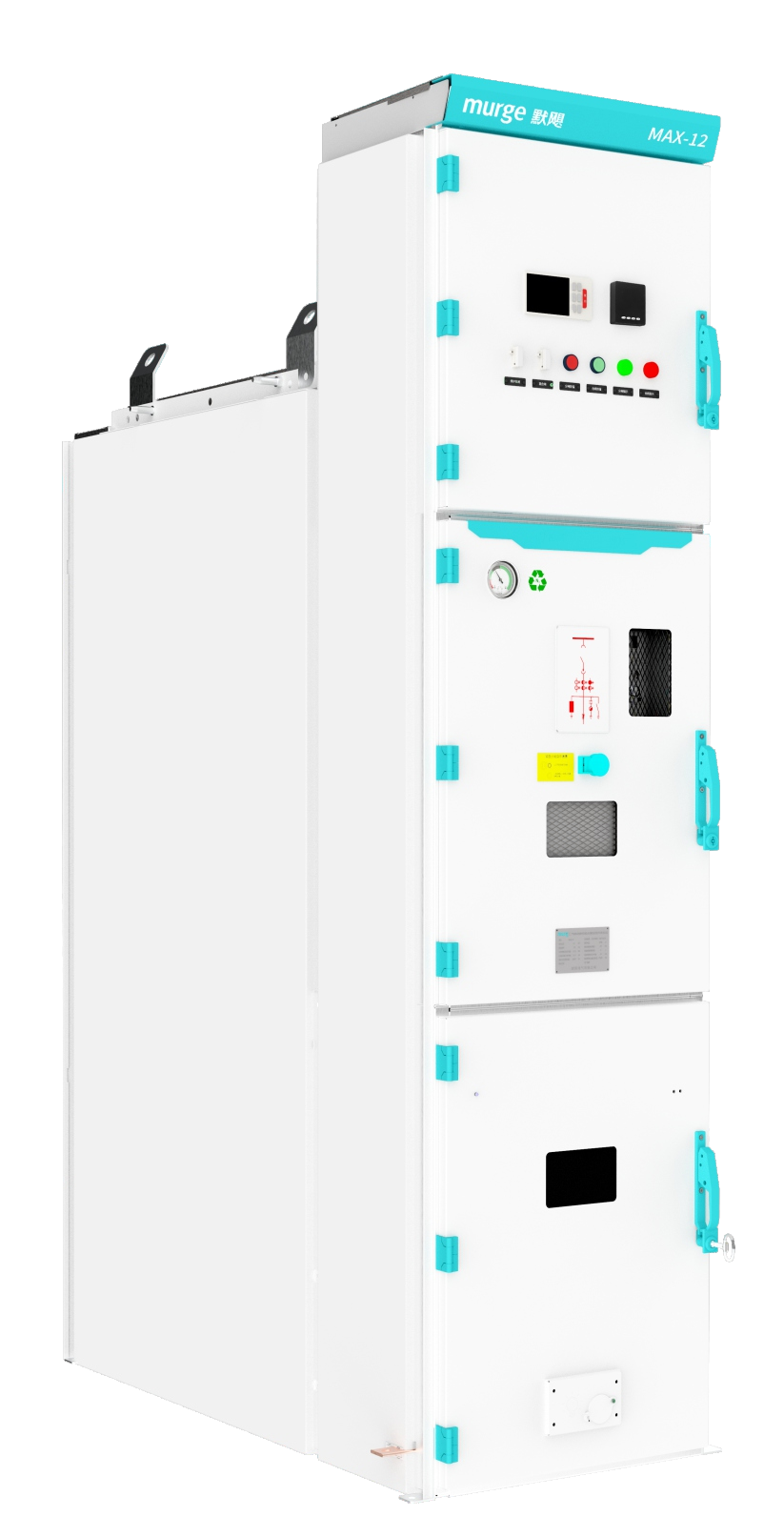
MAX-12 series Environmental Protection/SF6 gas insulated switchgear (C-GIS)
Murge Electric Co.,Ltd.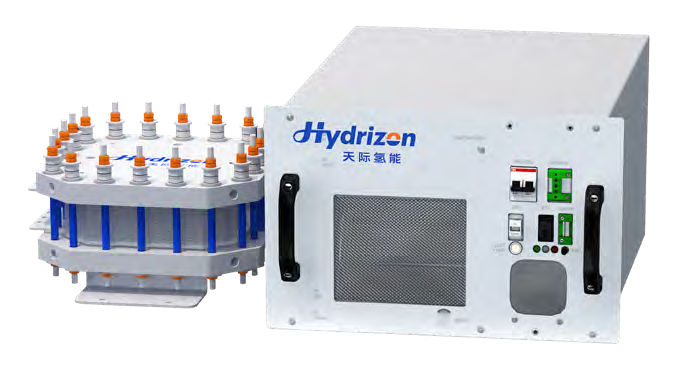
HI-Pro Green Hydrogen High-efficiency Production System-HI-PRO-AEM
Hydrizon Technology (Beijing) Co., Ltd.
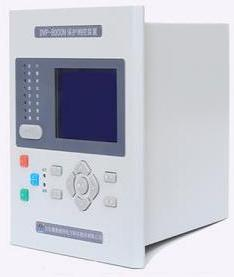
Microcomputer Protection and Substation Automation
Beijing Agent Devote Power Technology Development Co., Ltd.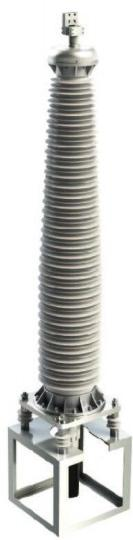
220kV Composite Outdoor Cable Terminal
Shenyang Guolian Cable Accessories Manufacture Co., Ltd.
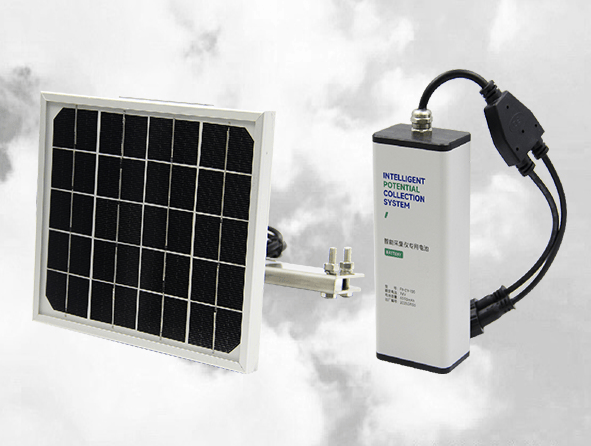
Inductive Power Harvesting Self-Powered Device - Safuneng
SELF ENERGY TECHNOLOGY (SHENZHEN) CO., LTD.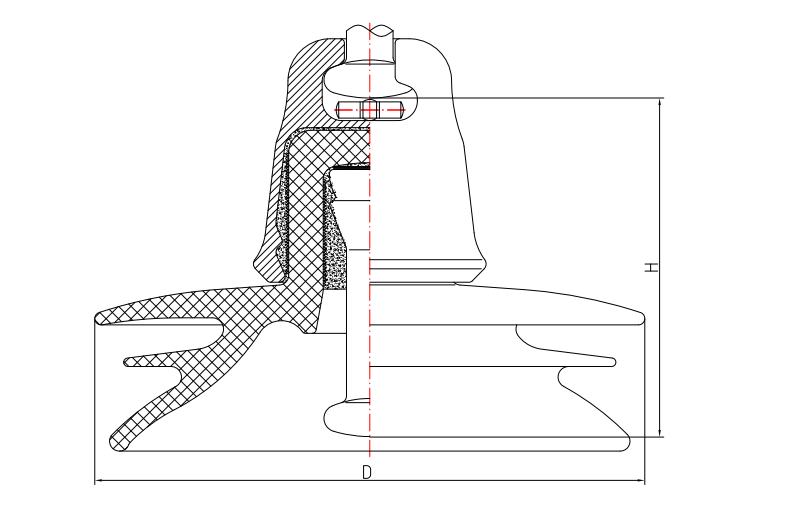
Post-type AC Pollution-resistant Disc Suspension Porcelain Insulator (Triple Umbrella Type)
Shandong High Voltage Insulator Co., Ltd.