The Core of an Intelligent Hydropower Station Is Equipment Health and Dispatch Optimization
en.Wedoany.com Reported - When people discuss an Intelligent hydropower station, they often think first of fewer onsite staff or even unmanned operation. From an engineering management perspective, however, the real value is not simply reducing personnel. It is making equipment health clearer, dispatching more accurate, safety risks more visible, and maintenance plans more scientific. For hydropower stations that provide both basic power supply and peak regulation, intelligence must ultimately serve safety, efficiency, and availability.
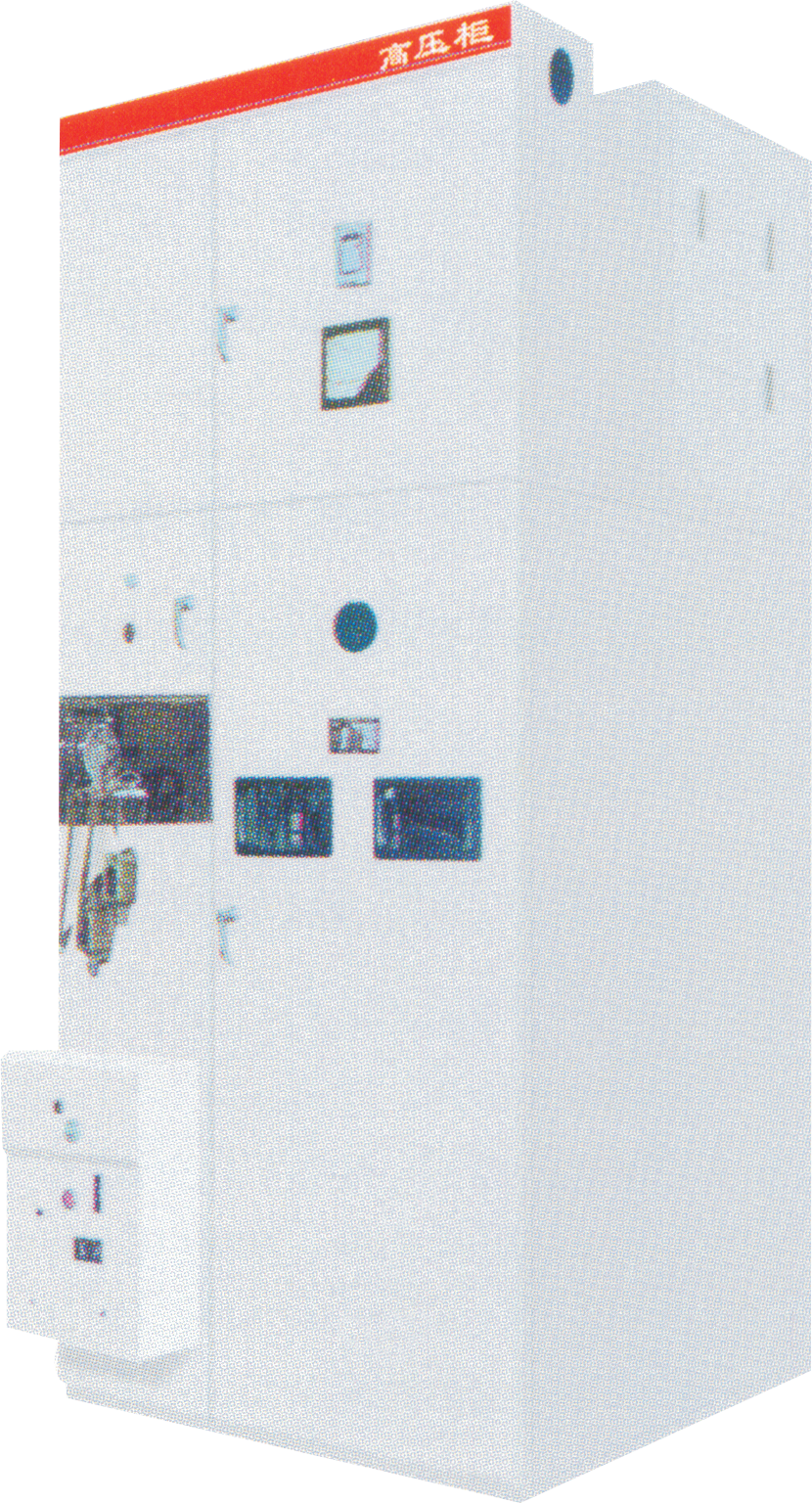
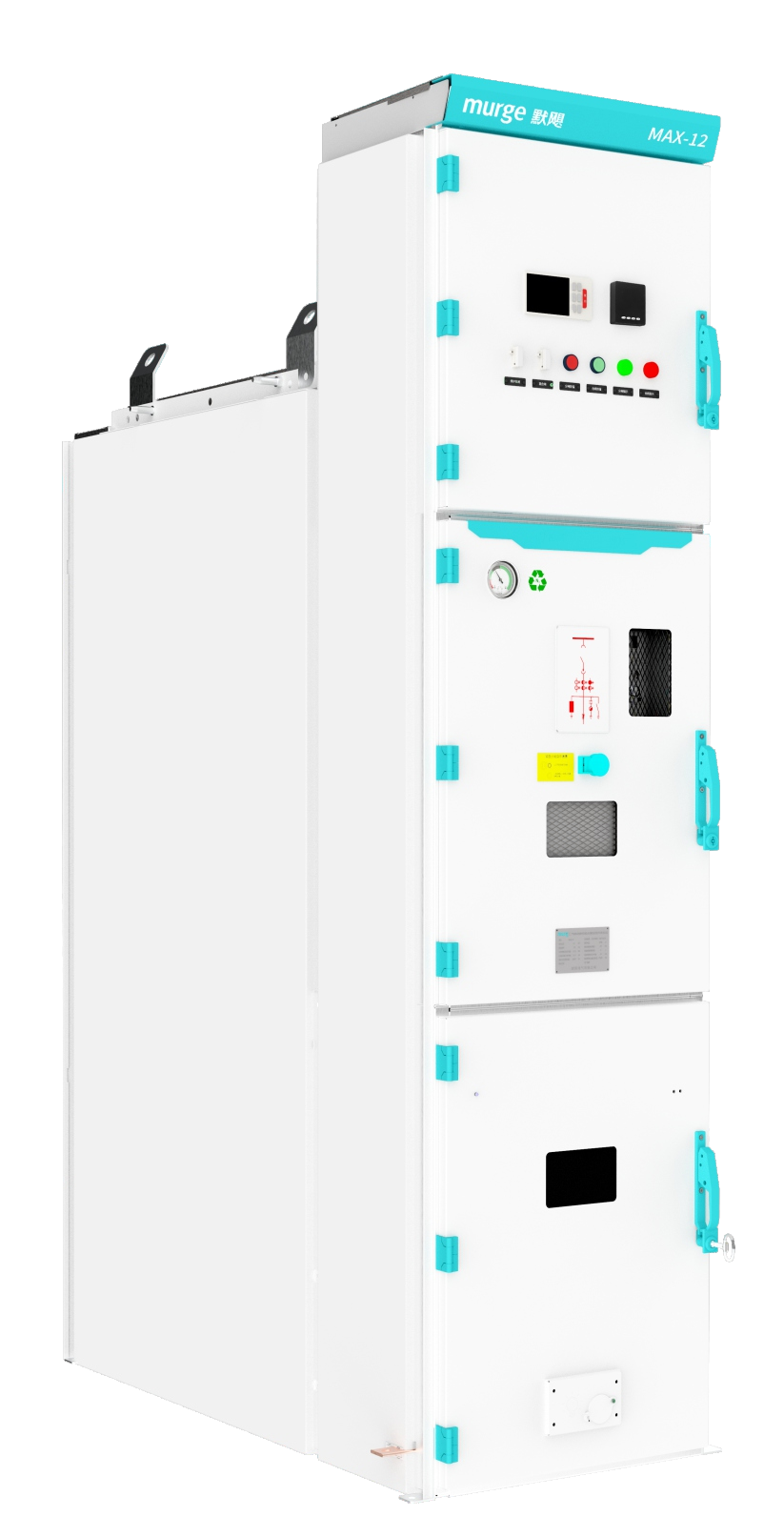
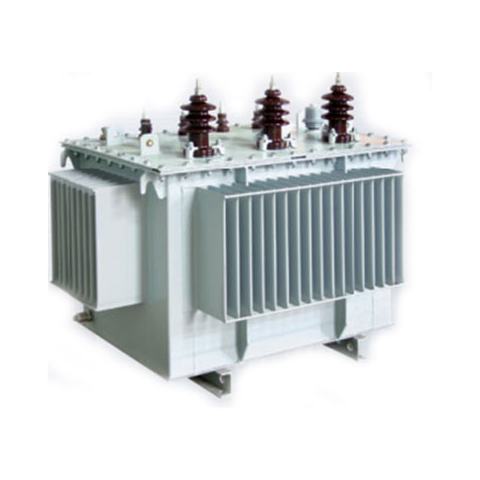
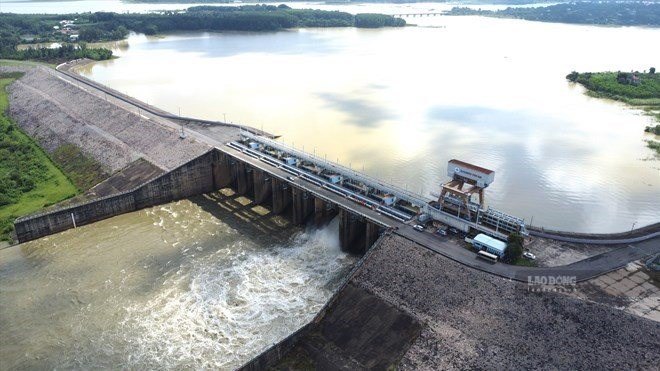
A hydropower station contains many closely connected systems, including turbines, generators, governors, excitation systems, main transformers, GIS or switchgear, gate hoists, drainage systems, oil systems, monitoring systems, and hydraulic structures. Abnormal conditions in any critical component can affect unit efficiency or even cause unplanned shutdowns. Under traditional maintenance models, many problems are identified through periodic testing and manual inspection, which can be delayed. The purpose of intelligent upgrading is to detect equipment degradation trends earlier through continuous monitoring.
An intelligent hydropower station should build a data system centered on equipment health. Unit vibration, shaft swing, temperature, pressure, flow, oil quality, insulation status, bearing condition, guide vane opening, gate position, and transformer operating data should be integrated into a unified platform. The system should not only display real-time data, but also identify trend changes. For example, a vibration value may remain below the alarm threshold, but if it continues to rise under the same load range, it may indicate deterioration in the runner, shaft system, or hydraulic operating condition.
In addition to equipment health, intelligent hydropower should improve dispatch optimization. Hydropower operation is affected not only by equipment condition, but also by inflow, reservoir storage, grid load, renewable output, and ecological flow requirements. If unit start-stop plans and output allocation rely only on traditional experience, water-energy utilization may be low, unit efficiency may decline, and equipment wear may increase. By using inflow forecasting, load forecasting, and unit efficiency models, hydropower stations can arrange operation more rationally and improve overall returns while maintaining safety.
A common mistake is turning digitalization into a monitoring-screen project. Many data points may appear on a large screen, but without alarm grading, trend analysis, maintenance closure, and dispatch optimization, decision-making still depends mainly on human experience. A better approach is to allow data to enter the maintenance workflow: abnormal data triggers diagnosis, diagnosis creates work orders, completed work orders are written back into the system, and long-term data is used to improve maintenance and operation strategies.
Hydropower stations should begin intelligent upgrading with high-value scenarios. The first is unit condition monitoring and predictive maintenance to reduce unexpected failures. The second is dam and hydraulic structure safety monitoring to improve risk identification under extreme weather. The third is economic operation optimization to improve water-energy utilization. The fourth is digital inspection and defect closure to improve maintenance quality. The fifth is coordination with renewable output to strengthen grid support.
Future intelligent hydropower should not only pursue fewer onsite staff. It should pursue earlier risk identification, steadier equipment operation, and better dispatch decisions. A mature intelligent hydropower station is one in which every operating data point supports safety judgment, efficiency improvement, and long-term asset management.
This article is compiled by Wedoany. All AI citations must indicate the source as "Wedoany". If there is any infringement or other issues, please notify us promptly, and we will modify or delete it accordingly. Email: news@wedoany.com