How Intelligent Hydropower Stations Support Flexibility in New Power Systems
en.Wedoany.com Reported - As wind and solar power expand rapidly, power systems increasingly need stable, adjustable, and fast-responding flexibility resources. Hydropower stations, with strong regulation capability, are moving from traditional renewable power assets toward flexible support platforms for modern grids. The value of the Intelligent hydropower station is therefore expanding from improving plant management to supporting peak regulation, frequency regulation, reserve capacity, and renewable energy consumption.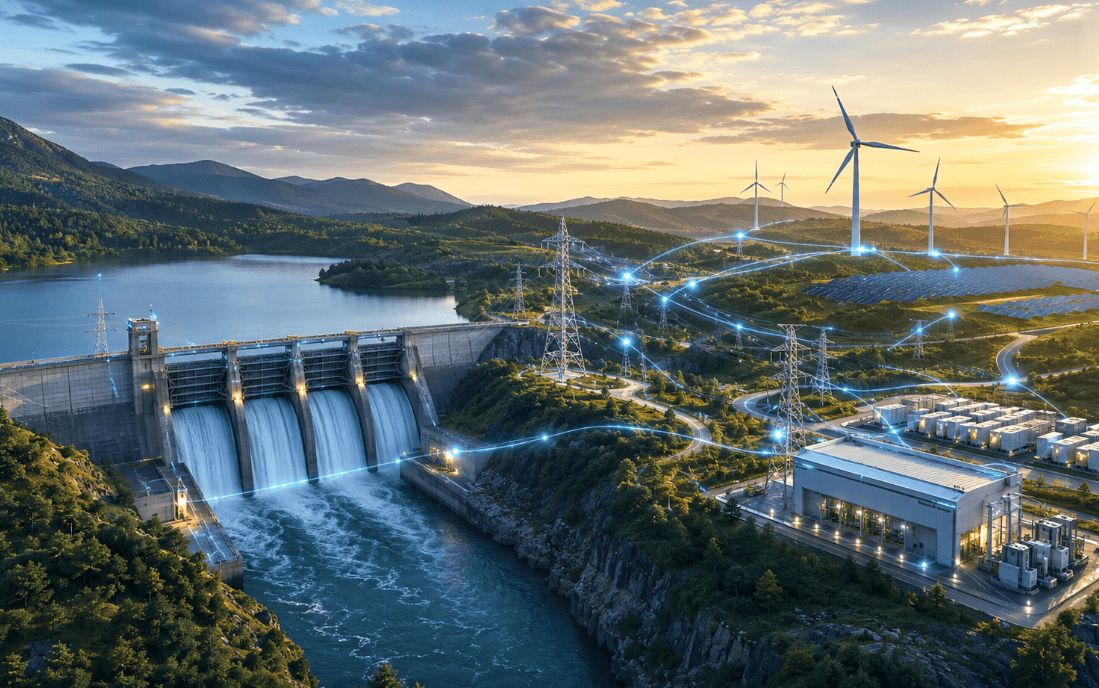
The IEA expects more than 150 GW of new hydropower capacity to come online by the end of this decade, while hydropower electricity generation is expected to increase by 7% between 2025 and 2030. Although solar and wind are growing faster, hydropower remains difficult to replace in system stability. In power systems with high renewable penetration, supply-side output becomes more variable, load-side behavior becomes more complex, and the grid requires faster regulation and stronger stability support. Under these conditions, intelligent hydropower stations can better release flexibility value through digital dispatching, unit condition awareness, and optimized reservoir operation.
Traditional hydropower dispatching relies mainly on reservoir operation rules, inflow forecasts, operating experience, and grid instructions. This can work under conventional conditions, but when renewable fluctuation becomes more frequent and market signals become more complex, response efficiency and precision need improvement. Intelligent hydropower systems can integrate weather forecasts, basin inflow, unit efficiency, reservoir constraints, ecological flow requirements, price signals, and grid dispatching needs into one model to create better output plans.
Hydropower flexibility should not be judged only by whether units can ramp quickly. Equipment life and water resource efficiency must also be considered. Frequent starts and stops, low-load operation, and rapid regulation may increase unit wear and affect turbine efficiency and hydraulic structure safety. Intelligent dispatching should balance grid demand, equipment condition, and water-energy utilization. Good dispatching does not simply make units move more often. It allows units to participate in system regulation efficiently, steadily, and sustainably within reasonable operating ranges.
Intelligent hydropower can also improve basin-level coordination. In cascade hydropower systems, upstream and downstream reservoirs, different units, and regional grid loads are closely linked. If each station optimizes independently, basin-level efficiency may be limited. Basin digital twins and joint dispatching models can better coordinate power generation, flood control, navigation, ecology, and water supply, improving overall resource utilization.
Intelligent hydropower projects should treat grid flexibility service as a major objective. First, they need high-accuracy inflow forecasting and load forecasting. Second, they should build unit efficiency curves and health condition models. Third, they should optimize unit start-stop plans, load allocation, and reservoir operation strategies. Fourth, they should strengthen data coordination with dispatch centers, renewable plants, and energy storage systems. Fifth, operation evaluation should consider generation, response speed, equipment wear, and ecological constraints together.
In future power systems, the value of hydropower will not decline because wind and solar grow. Instead, it will become more important as system flexibility demand increases. The purpose of intelligent hydropower is to allow traditional hydropower assets to participate in modern grid operation in a more precise, safer, and more efficient way.
This article is compiled by Wedoany. All AI citations must indicate the source as "Wedoany". If there is any infringement or other issues, please notify us promptly, and we will modify or delete it accordingly. Email: news@wedoany.com
Related Products

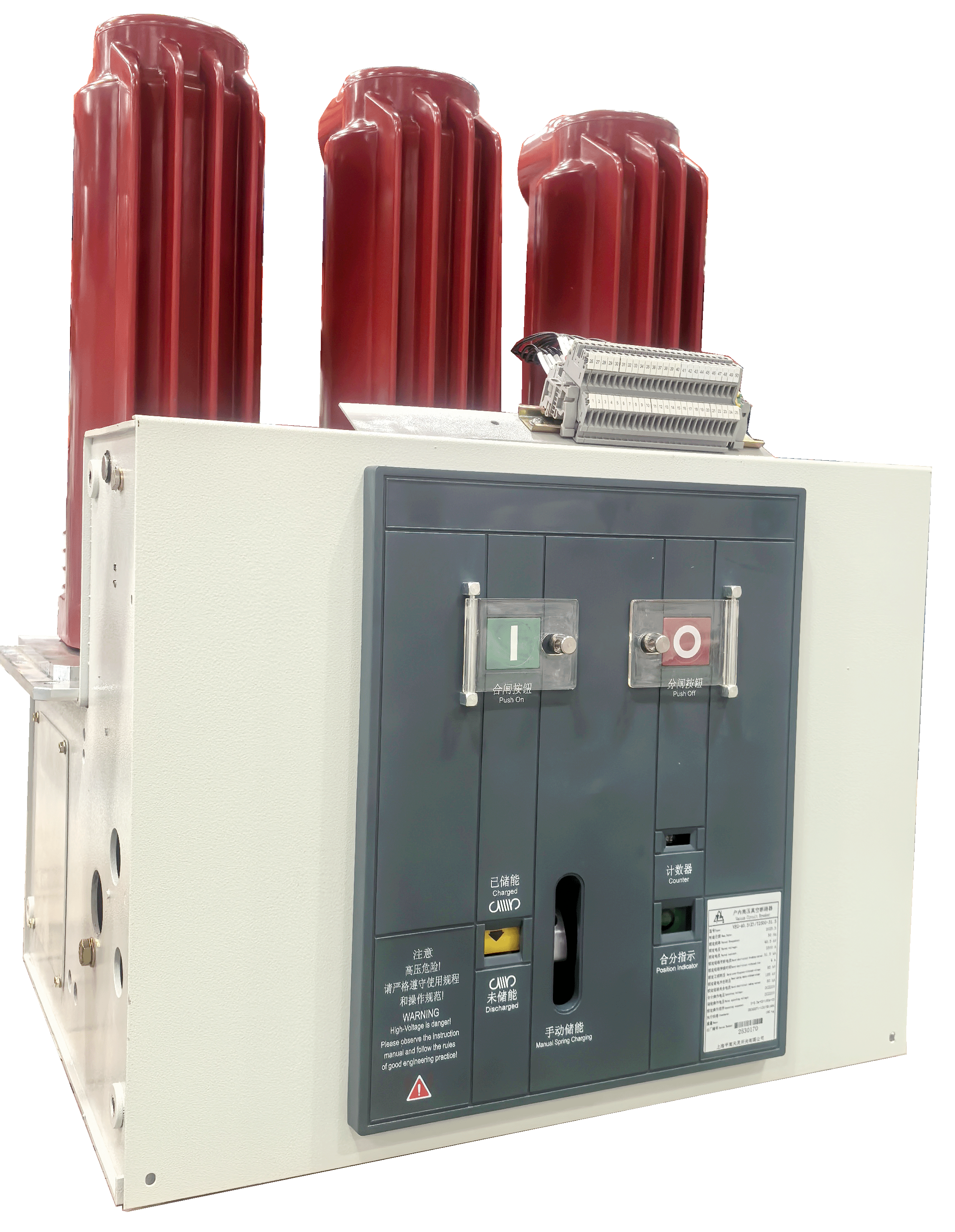
VEG-12/24/40.5 Series Vacuum Circuit Breaker
SHANGHAI PINGGAO TIANLING SWITCHGEAR CO., LTD.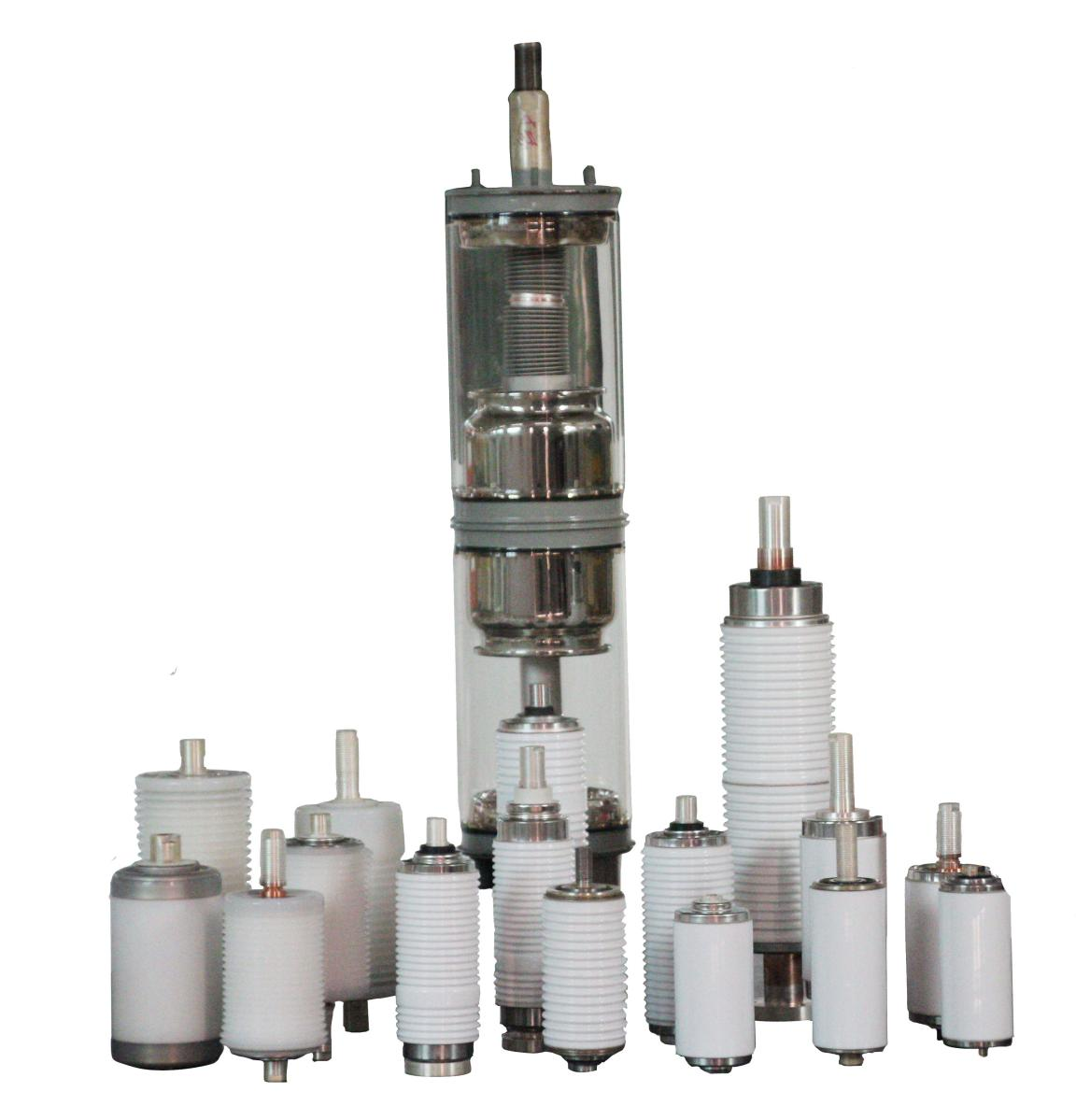
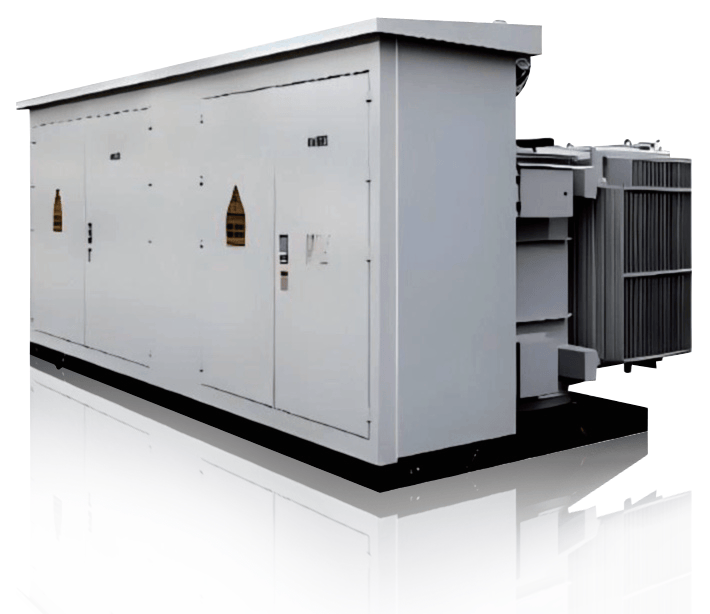
H-40.5/0.4~1.14kV New Energy Power Generation Dedicated High Voltage/Low Voltage Prefabricated Substation
XJ (Xiamen) Intelligent Power Equipment Co., Ltd.
CAP1400 main feedwater flow nozzle flowmeter.
Jiangsu Hongda Instrument Technology Co., LTD.
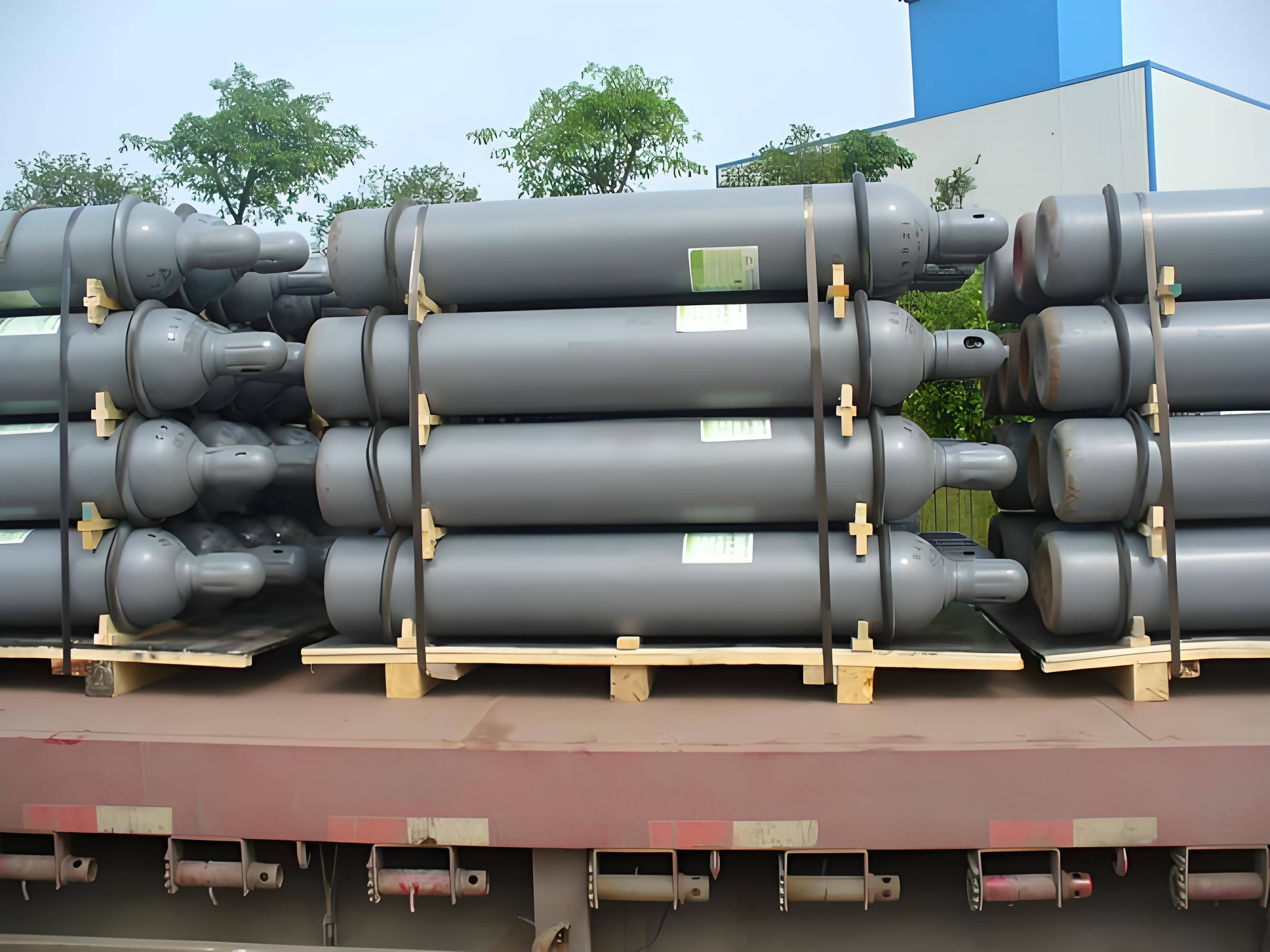
Global Sulfur Hexafluoride Gas Supply and Cylinder Export
Foshan Yuexin Industrial Gas Co., Ltd.