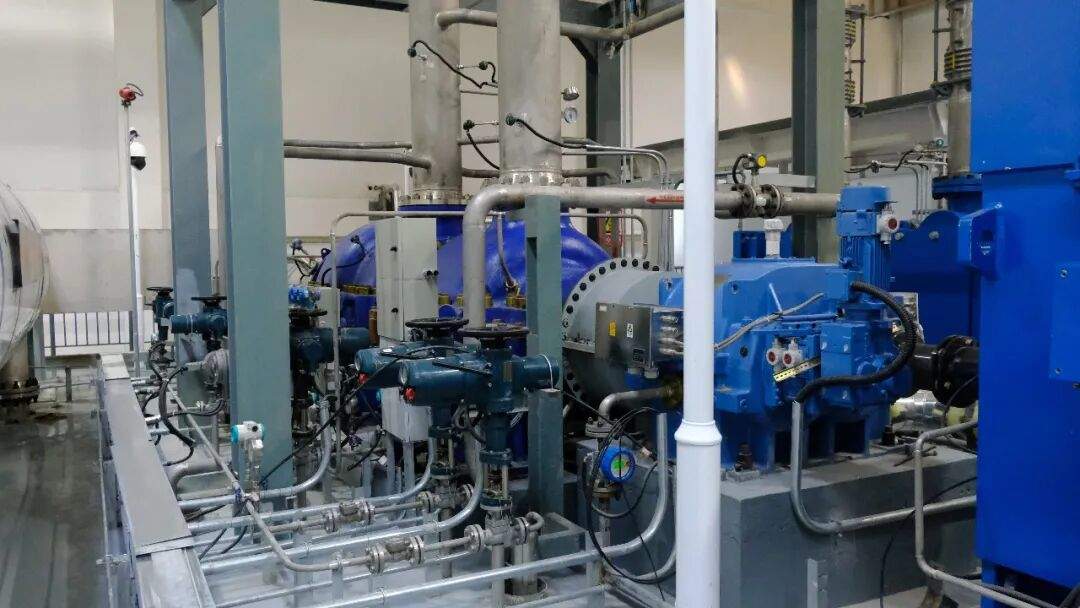
en.Wedoany.com Reported - To accelerate the digital and intelligent development of the energy sector, the national standard "Data Handover for Power Generation Engineering" (GB/T 32575-2026), led by China Energy Engineering Group (CEEC) as the chief editor, has been approved and released by the State Administration for Market Regulation (Standardization Administration of China). It will be officially implemented on November 1, 2026, marking a new stage in the standardized, normalized, and systematic management of data in China's power generation industry.
This standard was jointly compiled by CEEC in collaboration with industry leaders including CNNC, SPIC, Harbin Electric Corporation, PowerChina, CGN, and Shanghai Electric. It establishes a standardized system for data handover covering power generation engineering types such as thermal power, hydropower, nuclear power, wind power, photovoltaic, and solar thermal power, spanning the entire lifecycle of the project. It serves as a crucial foundational general specification and standard in the field of full lifecycle data handover for power generation engineering in China.
The standard comprises a total of 259 pages, with comprehensive and detailed content covering all dimensions, providing exhaustive and authoritative normative references for industry application and implementation, and offering foundational support for smart power plants, digital twin power plants, and the digital transformation of the energy sector.
"Data Handover for Power Generation Engineering"
(GB/T 32575-2026)
Establishes a standardized management system for data handover in power generation engineering
with full-process closed-loop, full-type coverage, and full-dimensional alignment:
Full-Process Closed-Loop Control
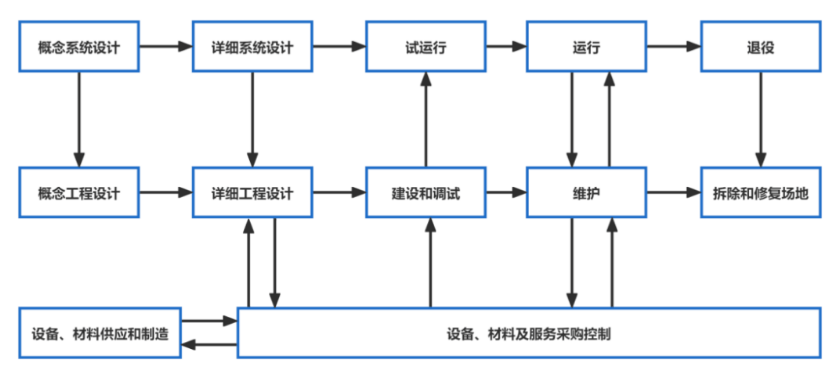
This standard aligns with the current development and actual conditions of engineering data handover technology, making reasonable improvements to general requirements for engineering data handover. It defines four core stages of data handover for power generation engineering—handover strategy formulation, handover requirement determination, handover plan development, and handover plan implementation—and specifies clear provisions for key aspects such as data organization, information granularity, data level, data format, handover responsibilities, quality management, and handover timeline, achieving standardized and traceable control over the entire data handover process.
Full-Dimensional Technical Specification Alignment
This standard fully considers coordination with existing relevant standards, balancing rationality and scientific rigor. It is deeply aligned with related standards such as GB/T 18975.2 "Industrial Automation Systems and Integration—Part 2: Data Model," GB/Z 18975.4 "Industrial Automation Systems and Integration—Part 4: Initial Reference Data," GB/T 26853.1—2011 "Classification and Coding of Documentation for Plants, Systems, and Equipment," and GB/T 50549-2020 "Standard for Coding of Power Plant Identification System." It unifies the classification and coding rules for handed-over data and clarifies requirements for establishing a facility object information library and cross-system data integration.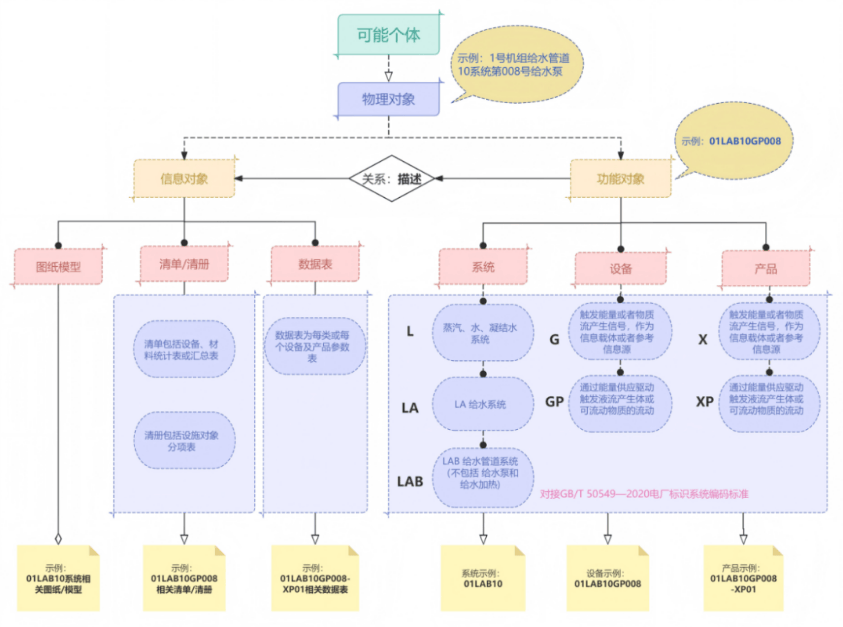
Full-Type Coverage of Power Generation Engineering
This standard covers data handover requirements for all types of power generation engineering, including hydropower, nuclear power, wind power, photovoltaic power generation, and solar thermal power generation, achieving comprehensive coverage of various power generation forms and filling industry gaps.
The standard establishes dedicated normative appendices for each type of power generation engineering, specifying the handover content for system classification, equipment and product classification of various projects. It provides targeted references and guidance for data handover in different power generation forms, further addressing core pain points such as inconsistent digital handover standards, poor data interoperability, and disconnected full lifecycle data chains, offering solid standard support for the construction of new power systems.
Data is the core production factor of the digital economy, and standards are the cornerstone of data integration. The release of "Data Handover for Power Generation Engineering" (GB/T 32575-2026) is both an inevitable demand of industry development and a significant milestone in the digital transformation of the energy sector.
Looking ahead, CEEC will continue to play a leading role in technology, collaborating with industry partners to use standards as a link, jointly promoting the release of data value in the power generation industry, and contributing to the high-quality development of China's energy sector.
This article is compiled by Wedoany. All AI citations must indicate the source as "Wedoany". If there is any infringement or other issues, please notify us promptly, and we will modify or delete it accordingly. Email: news@wedoany.com