How Wind Power Converters Support Stable Grid Connection for Wind Turbines
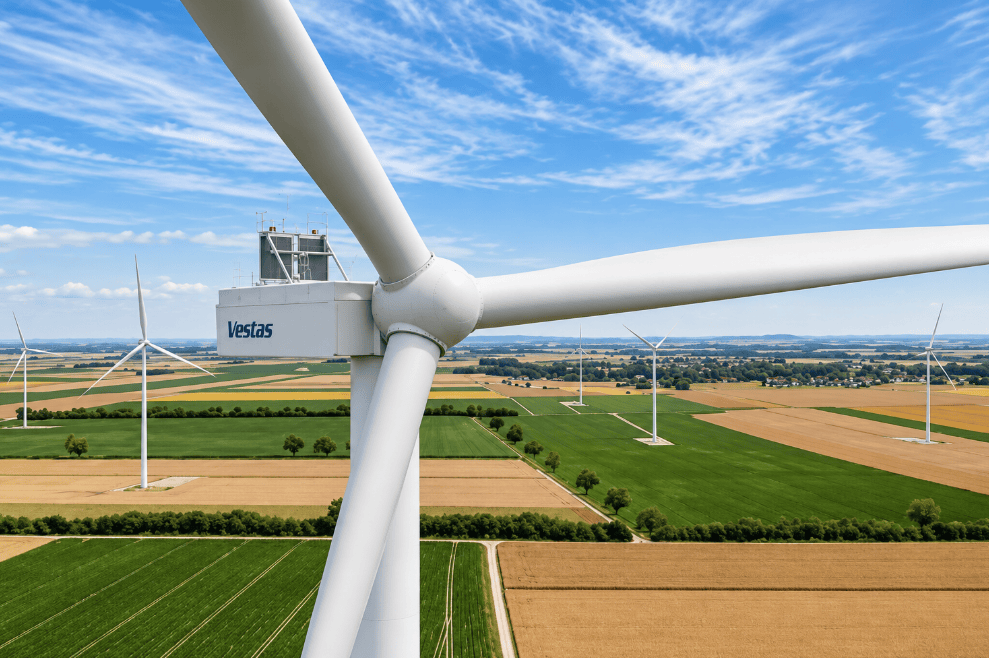
Wind Power Converter is a key power electronic device in wind turbine systems. It is mainly used to convert the unstable electrical output generated by wind turbines into grid-compliant electricity. Because wind speed changes constantly, the rotor speed, generator output frequency, and voltage may also fluctuate during operation. Without converter control, it would be difficult for wind turbines to achieve stable grid connection or meet grid requirements for voltage, frequency, power factor, and low-voltage ride-through capability.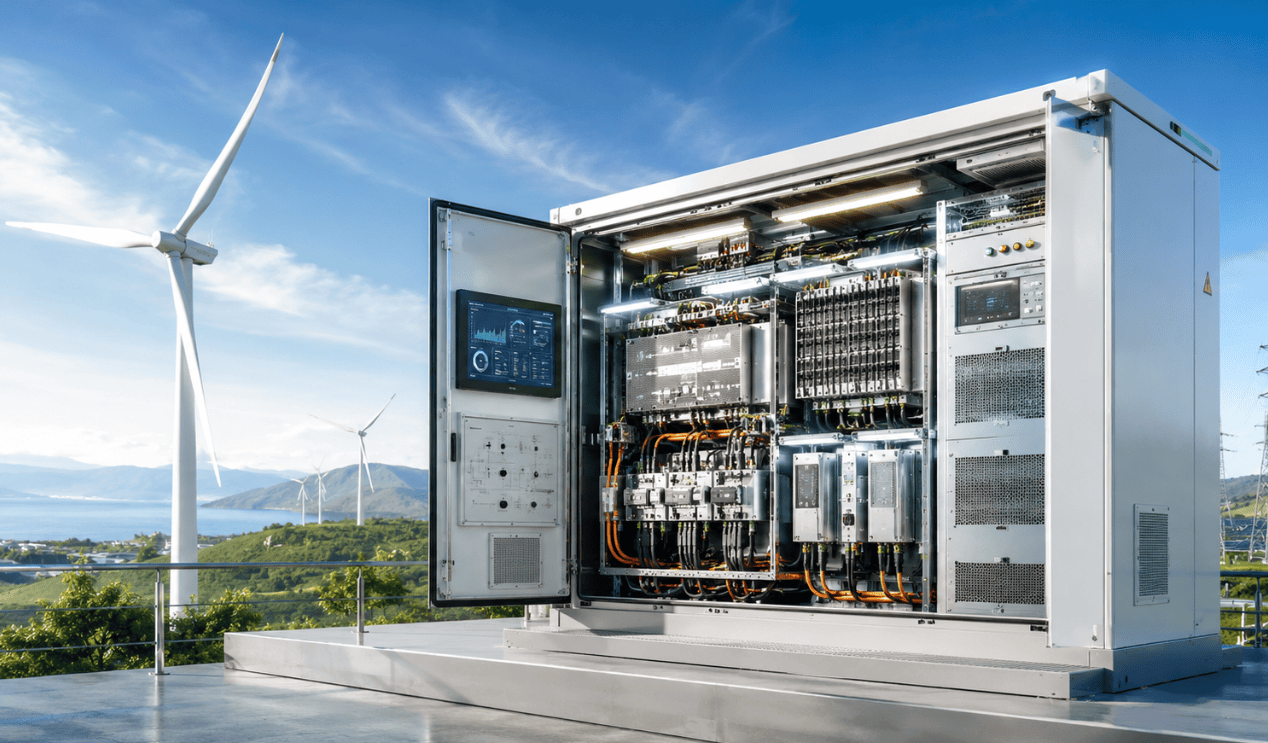
In modern wind power systems, wind power converters usually perform two core functions: generator-side control and grid-side control. The generator-side converter controls the operating state of the generator and helps realize maximum power point tracking, improving the utilization of wind energy. The grid-side converter is responsible for delivering electricity to the grid in a stable manner while regulating active power, reactive power, voltage support, and harmonic quality.
For doubly-fed wind turbines and full-power wind turbines, the converter structure and capacity are different, but their core purpose remains the same: to improve the controllability of wind power output and enhance grid compatibility. As wind power projects move toward larger turbine capacity, higher voltage levels, offshore deployment, and stronger grid-support requirements, the importance of wind power converters continues to increase.
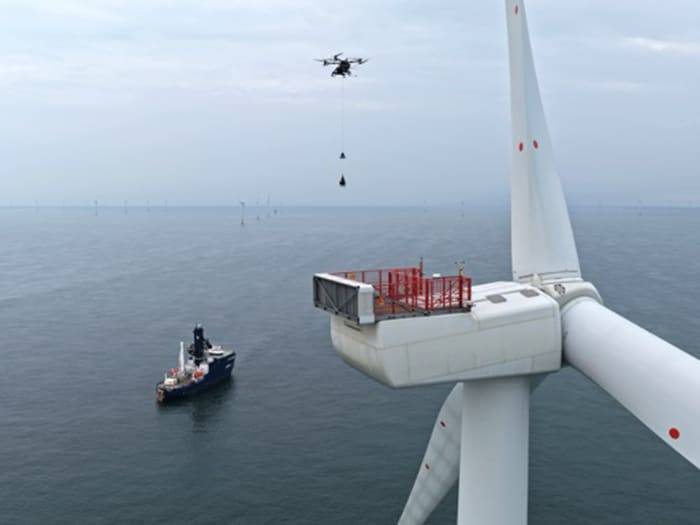
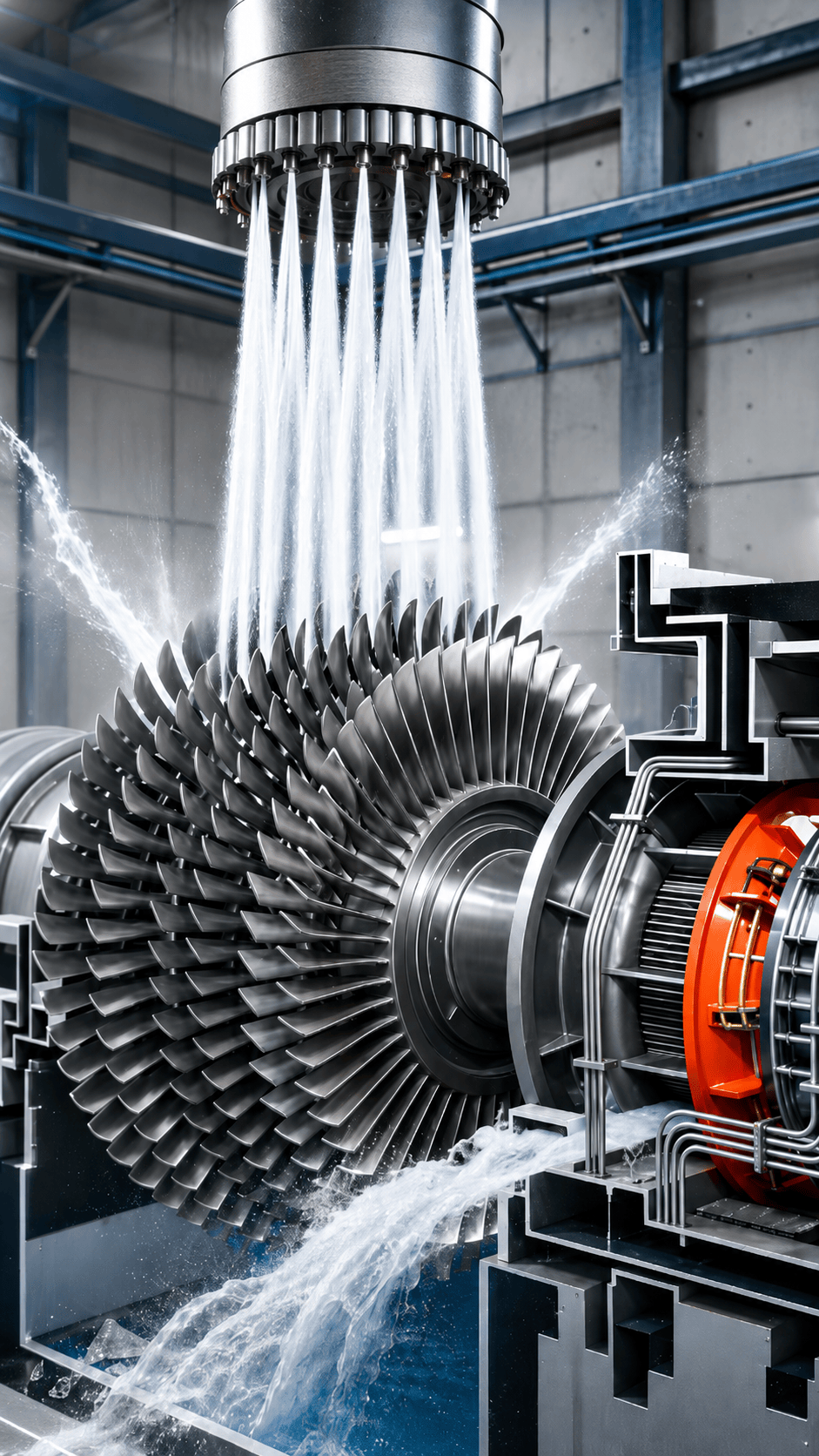
Large wind turbines place higher demands on converter cooling capacity, power density, reliability, and control algorithms. This is especially true for offshore wind farms, where maintenance costs are high and operating conditions are harsh. In such environments, converters must not only deliver high efficiency but also withstand salt mist, humidity, vibration, and long-term continuous operation.
From a procurement perspective, project owners should not evaluate wind power converters only by rated power and price. They also need to consider grid-connection performance, fault ride-through capability, cooling method, control system compatibility, modular maintenance design, spare parts availability, and proven project references. For wind turbine manufacturers and EPC contractors, converter reliability directly affects turbine availability, power generation, and long-term operation and maintenance costs.
In the future, wind power converters will continue to evolve toward higher power density, stronger reliability, intelligent diagnosis, and better grid-support performance. As the share of renewable energy increases in power systems, wind farms are no longer only power generation units. They are also expected to participate in grid regulation and stability support.
Converters with fast response, reactive power support, fault self-diagnosis, and remote operation capabilities will become essential equipment for improving wind farm efficiency and grid-connection quality.
Related Products
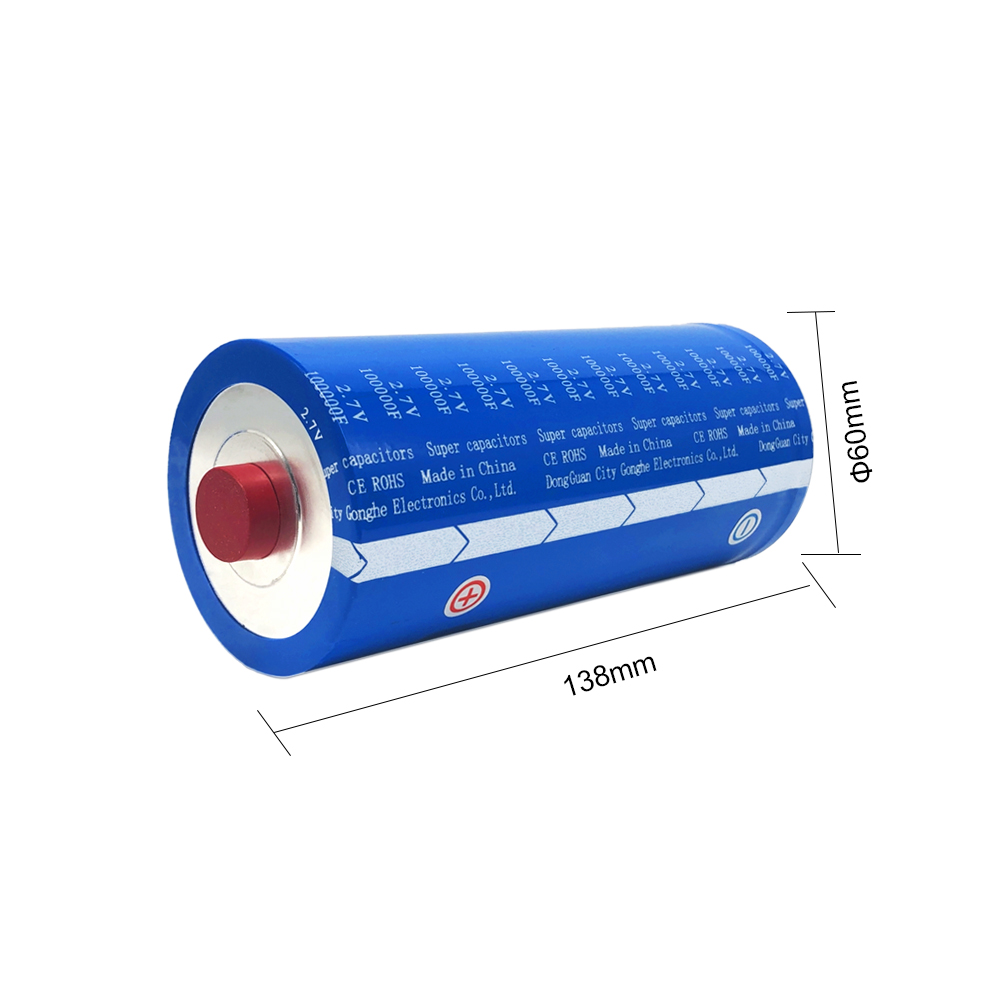

2.7V 100000F (60wh) 60138 high-power energy storage power starting power supply (instantaneous high current), low-temperature discharge, long service life, 100000 times of use
Gonghe Power Co.,LTD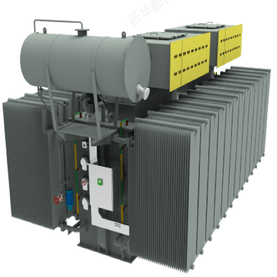
Oil-Immersed Converter Transformer for Variable Frequency Speed Control
Newonder Special Electric Co., Ltd.
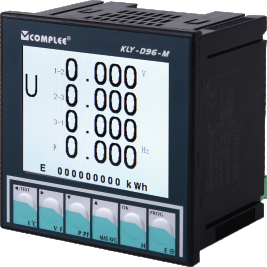
Digital Multifunctional Electrical Measuring Instrument
Shanghai Complee Instrument Co.,Ltd.
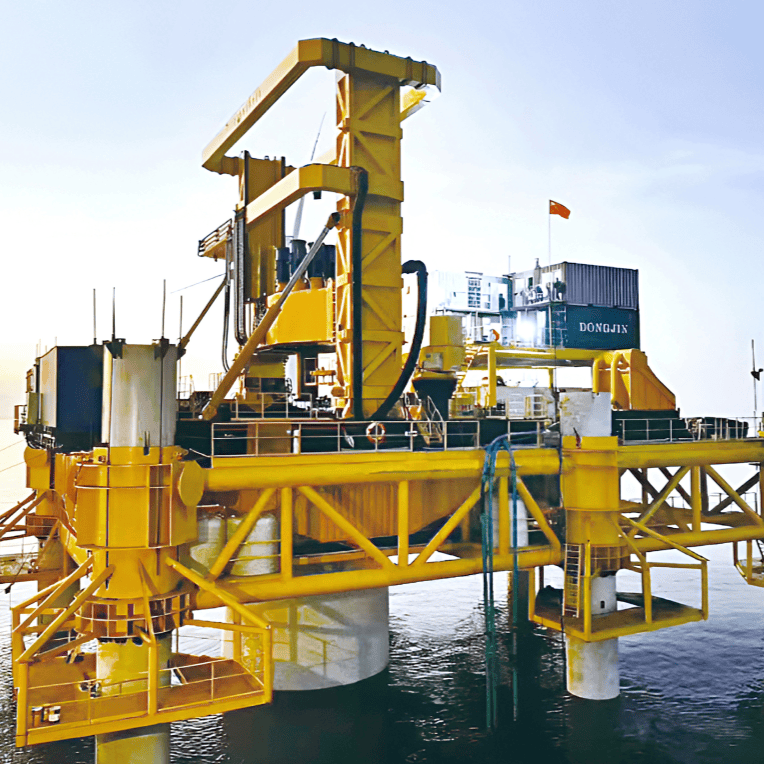
Pressurized Drilling Vertical Boring Machine
CCCC Tianhe Mechanical Equipment Manufacturing Co., Ltd.