IEA: Renewables to Surpass Coal in 2026, Electricity Demand to Grow 3.6%
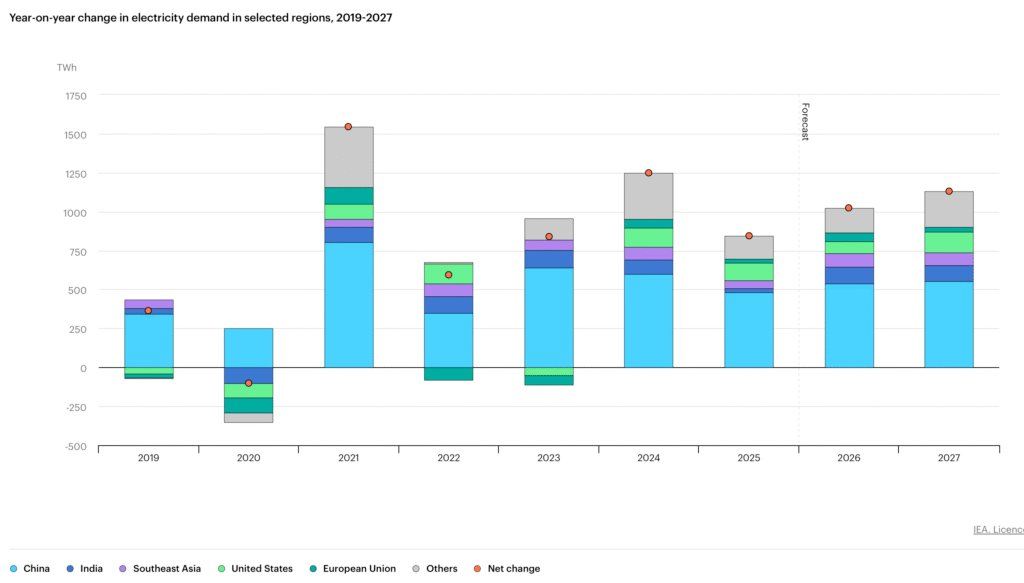
en.Wedoany.com Reported - The International Energy Agency (IEA) predicts in its "Electricity Mid-Year Update" report that global electricity consumption will grow by 3.6% in 2026 and 3.8% in 2027, following a 3% increase in 2025. Total global electricity consumption will rise from 28,600 TWh in 2025 to 30,700 TWh in 2027. Key drivers of this growth include increased industrial activity, a larger electric vehicle fleet, higher air conditioning usage, electrification efforts, and rapid expansion of data centers.
The IEA notes that if the El Niño phenomenon in 2026 is stronger than expected, rising cooling demand in many regions will further boost electricity needs. This climate event typically also weakens hydropower and wind power output in Latin America and Southeast Asia, prompting countries to increase coal and gas-fired generation to ensure supply. Disruptions to global liquefied natural gas (LNG) supplies from the Strait of Hormuz, triggered by the Middle East conflict, have already significantly raised power generation costs in many regions. In the second quarter of 2026, natural gas prices in Europe and Asia reached their highest levels since the 2022-2023 energy crisis, forcing some countries to adopt energy-saving measures. However, the IEA believes that new LNG supplies from North America and other regions entering the market, coupled with the rising share of renewables, are enhancing power system resilience, helping to diversify the generation mix and buffer the impact of rising fossil fuel prices.
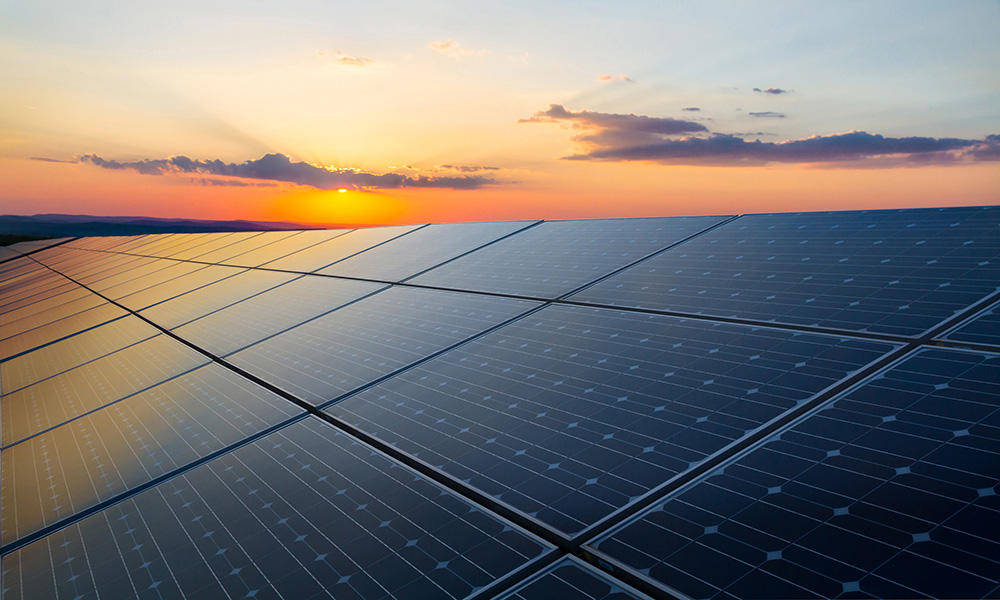
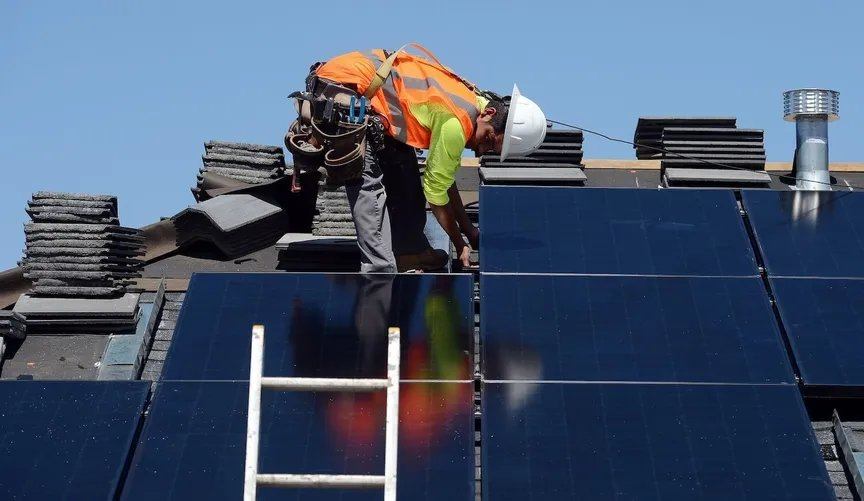
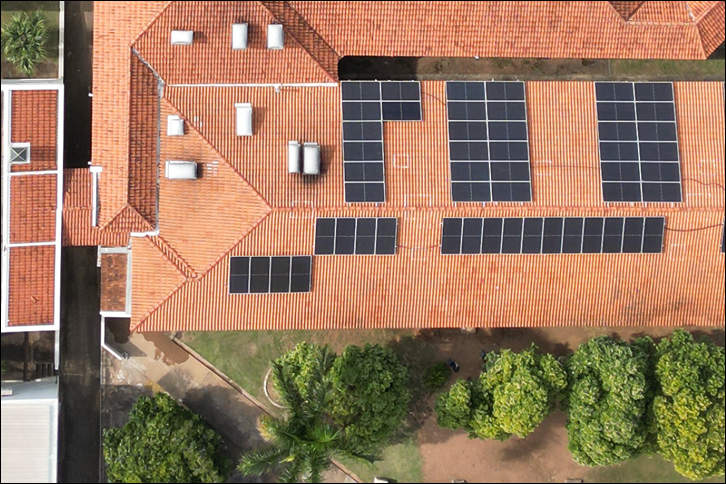
The report states that renewables will surpass coal in 2026 to become the world's largest source of electricity. In 2025, renewable generation was nearly on par with coal, and it will overtake coal for the first time in 2026. Renewable electricity generation will grow by over 8% in 2026, with its share in the global power mix rising from 33% in 2025 to 37% in 2027. Solar photovoltaic (PV) remains the main growth engine, with generation expected to increase by about 600 TWh in 2026, matching the record set in 2025, and similar growth is anticipated in 2027. Solar PV will thus surpass wind power to become the second-largest renewable electricity source globally, after hydropower. The IEA emphasizes that the rapid growth of renewable generation requires accelerating grid expansion and modernization, enhancing system flexibility, improving time-of-use pricing signals, and optimizing the use of existing infrastructure to integrate larger volumes of variable generation resources.
The sharp rise in natural gas prices will curb the growth of combined-cycle gas generation in 2026. Global gas-fired electricity generation is expected to remain largely flat, marking the third year in nearly a decade with no significant growth. Meanwhile, several countries are reactivating coal-fired power to replace some gas generation, leading to an approximately 1% increase in global power sector emissions in 2026. The IEA expects this trend to be temporary, with gas-fired generation recovering in 2027 as the expansion of renewables and nuclear power gradually replaces coal and stabilizes emissions. Nuclear generation will continue to increase in 2026, but at a slower pace due to delays in new reactor commissioning and maintenance outages. In 2027, nuclear output will grow by over 4%, driven by new nuclear plants coming online in China and India, higher availability of nuclear power in the United States and France, and the completion of several previously delayed projects.
China will continue to account for the largest share of global electricity consumption growth. The IEA expects China's electricity demand to grow by 5.5% in 2026, driven by manufacturing activity and the expansion of electric vehicles. India, after a weather-disrupted 2025, will see a 7% increase in electricity demand in 2026. Developed economies such as the United States and the European Union will both see growth of nearly 2%. Asian countries heavily reliant on LNG imports, such as Pakistan and Bangladesh, may experience slower growth due to rising energy costs.
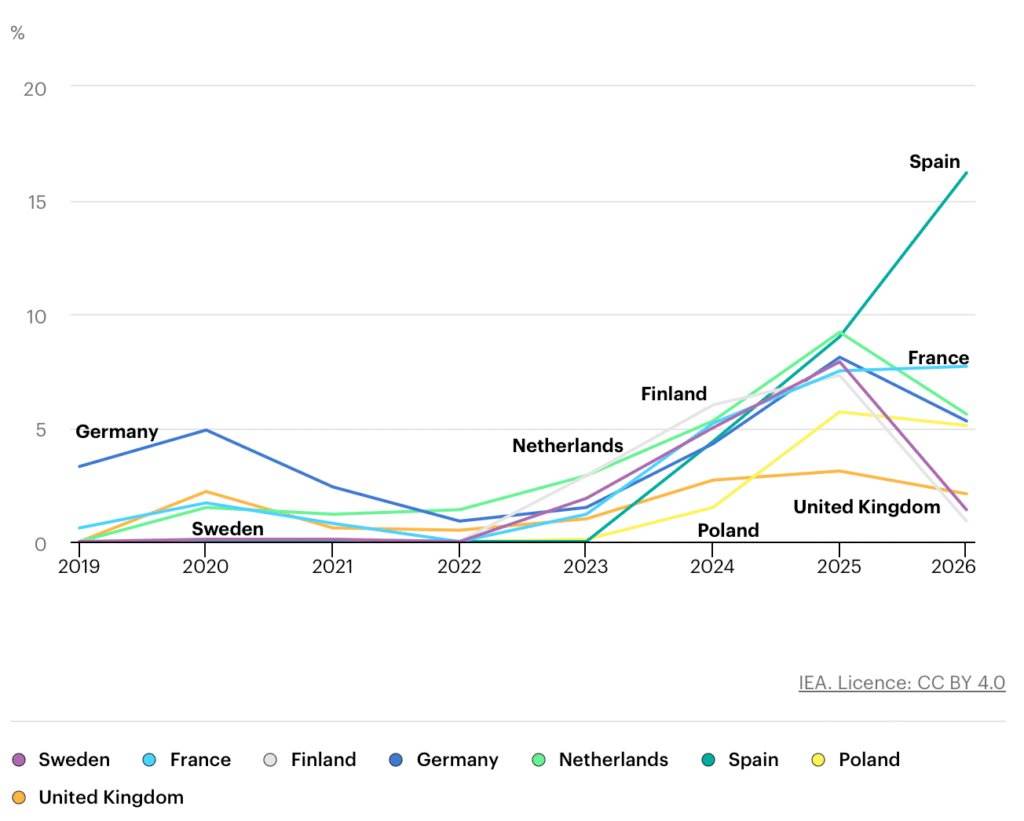
An increasing number of electricity markets are experiencing more frequent negative electricity prices. The IEA notes that this reflects insufficient flexibility in some systems due to technical, regulatory, or contractual constraints. In the first half of 2026, 17% of hours in the Spanish wholesale market saw negative prices, up from 10% in 2025. Markets such as South Australia and California recorded around 20%. Sweden and Finland, benefiting from new flexibility measures on both the supply and demand sides, saw negative price shares drop from about 6% to 2%. Intraday volatility continues to rise; during a European heatwave in June, the spread between the lowest midday electricity prices and the highest afternoon prices reached $600/MWh in several markets.
The IEA believes this context enhances the economic value of battery energy storage systems and demand-side management, which can shift generation and consumption across different times of the day, leveraging price differences and providing flexibility to the power system. The report notes that the Strait of Hormuz crisis has led to significant increases in wholesale electricity prices in markets most dependent on LNG. In the second quarter of 2026, spot electricity prices in the EU and Japan rose by over 30%. In the United States, prices remained largely stable due to lower reliance on gas imports; India saw an increase of less than 10%. Australia was a notable exception, with wholesale electricity prices falling by about 45% due to strong renewable generation growth and rapid deployment of battery storage, reducing the need for gas-fired power during peak hours.
Related Products

80kW Megawatt Supercharging Module TH80F10030C9
Shijiazhuang Tonhe Electronics Technologies Co., Ltd.
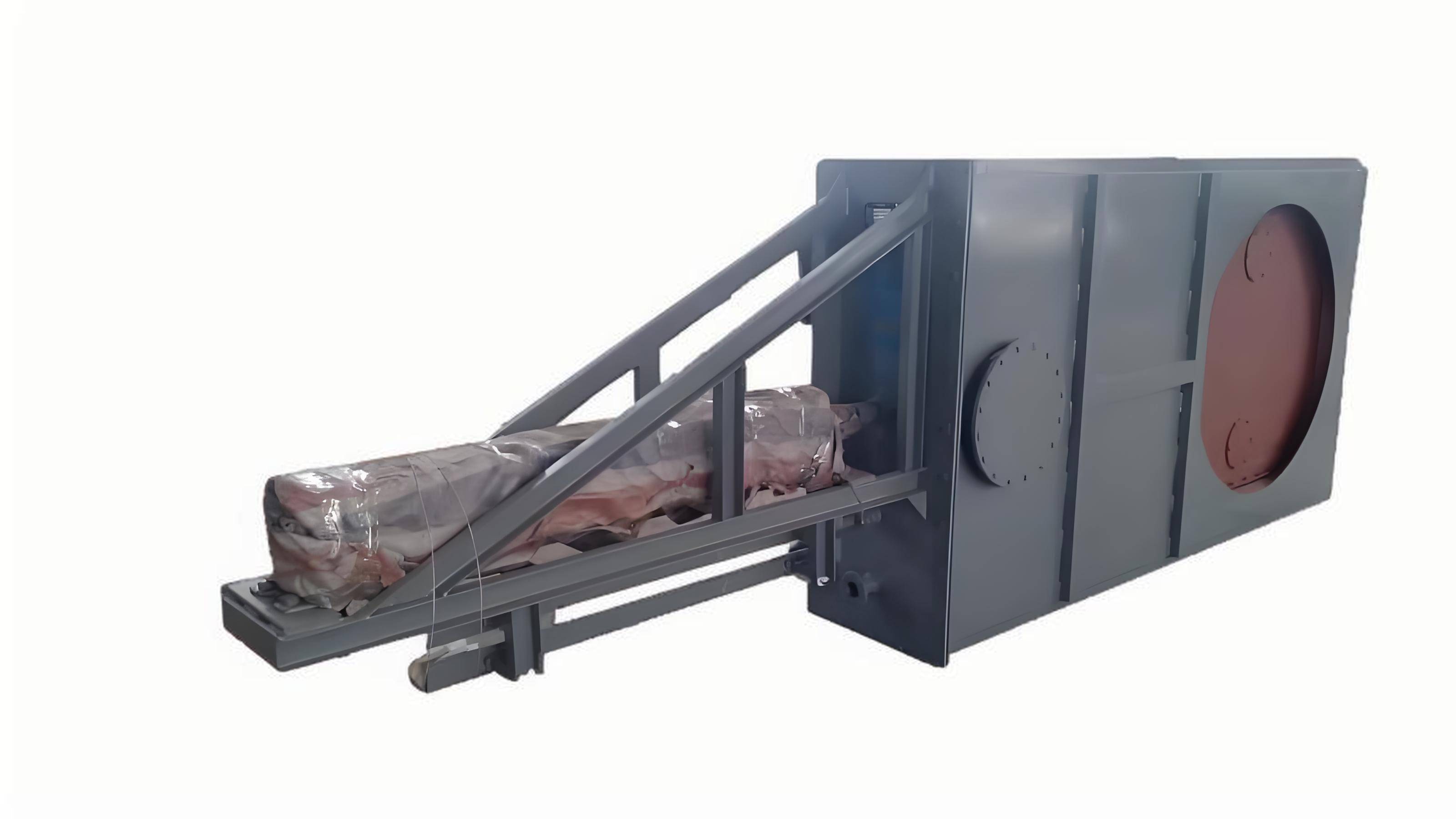
Double-slide Triple-sealed Hot Air Isolation Door
Xi'an Yingchuan Electric Power Equipment Co., Ltd.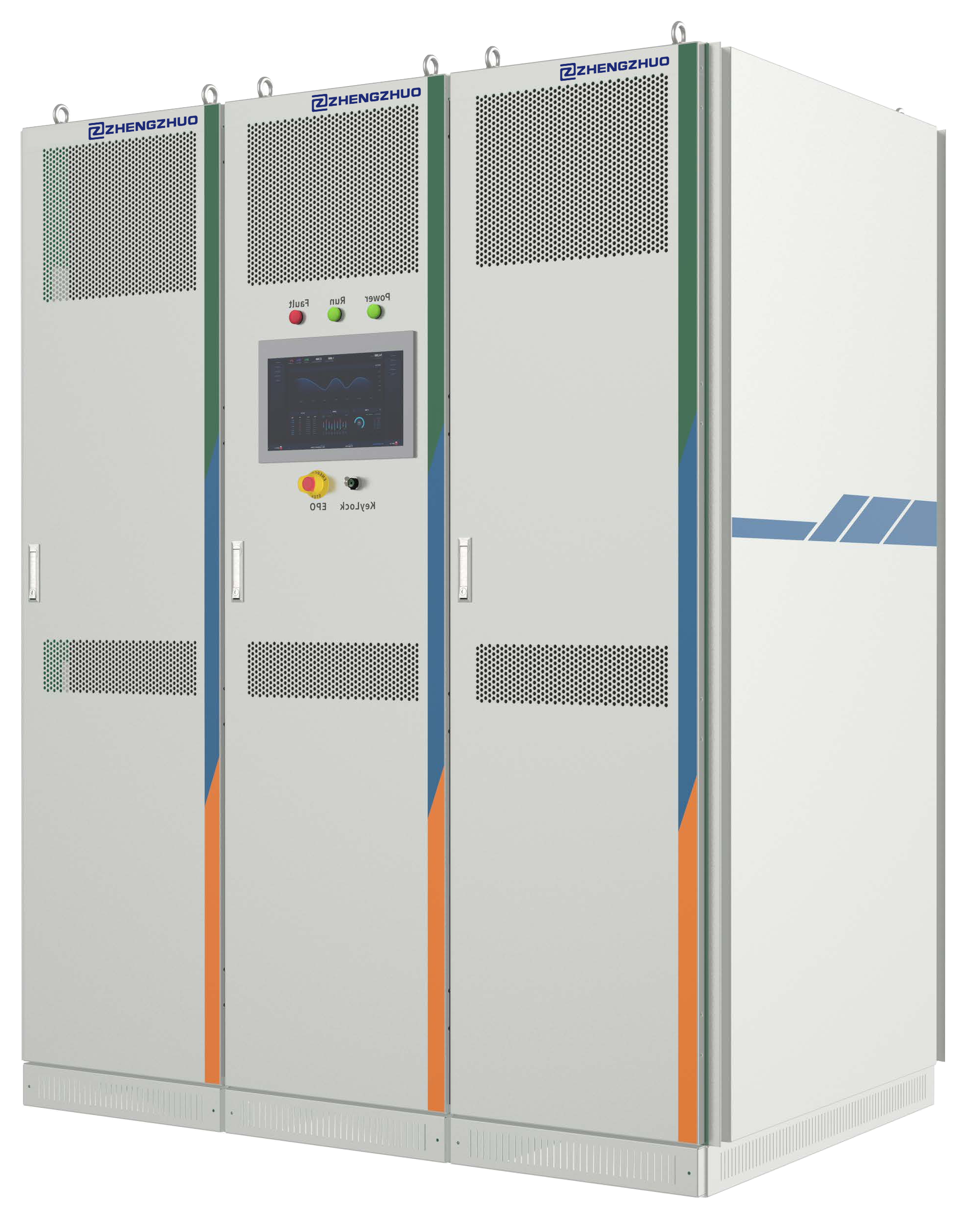
IGBT Hydrogen Production Power Supply - High Power Air Cooling
Beijing Zhengzhuo Engineering Technology Co., Ltd.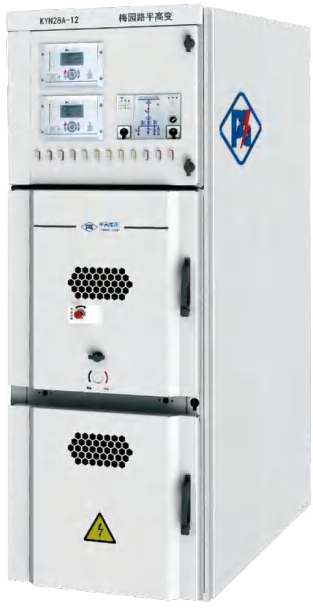
KYN28A-12 Metal Armored Removable Switchgear
Tianjin Ping Gao Intelligent Electric Co., Ltd.

Industrial and Commercial Point-Type Gas Detector
Jinan Benan Technology Development Co., Ltd.