China makes significant contributions to 'artificial sun' project: interview with ITER Deputy Director-General and Chief Scientist Becoulet
en.Wedoany.com Reported - Alain Becoulet, Deputy Director-General and Chief Scientist of the International Thermonuclear Experimental Reactor (ITER) Organization, said in a recent exclusive interview with Xinhua News Agency that China has made significant contributions to the construction of the "artificial sun" — a major international scientific project — at the industrial, technological, and scientific levels, and is accelerating the development of global fusion research.

ITER is an "artificial sun" device jointly constructed by seven parties: the European Union, China, Russia, the United States, Japan, South Korea, and India. The project aims to simulate the nuclear fusion process by which the sun emits light and heat, exploring the commercial feasibility of controlled fusion technology. According to information released by the ITER Organization, most civil construction work has been completed, and the project is currently in the stage of core equipment assembly and system commissioning preparation, with overall scientific operations expected to commence in the mid-2030s.
Becoulet stated that China plays a fundamental role in supplying ITER components, with contributions including superconducting technology, cables, and magnet manufacturing. China has also provided the cryostat for low-temperature testing of toroidal field coils, one of the major large-scale components delivered to the ITER site.
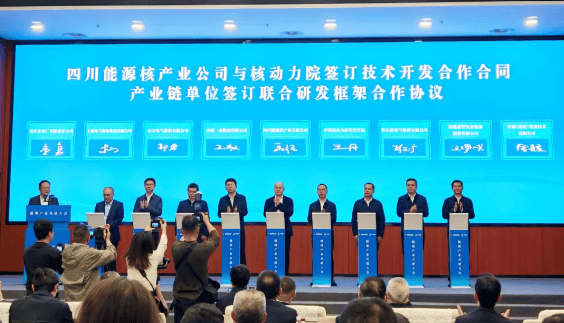
Becoulet noted that one of the largest assembly contracts at ITER is the installation of the tokamak fusion experimental device, undertaken by a consortium led by China Nuclear Engineering Corporation. He said the Chinese team "has exceeded expectations in terms of time and cost," serving as a key force in accelerating the project.
Beyond engineering and industrial contributions, China's scientific community is also providing scientific support for ITER. Becoulet indicated that the ITER team collaborates with major Chinese institutions such as the Institute of Plasma Physics of the Hefei Institutes of Physical Science, Chinese Academy of Sciences, and the Southwestern Institute of Physics under the China National Nuclear Corporation, conducting experimental planning, simulations, and prototype validation. China's "Experimental Advanced Superconducting Tokamak" (EAST) and "HL-3" (China's Tokamak HL-3) devices have been used to predict experimental behavior and test related components.
Becoulet specifically mentioned China's ongoing construction of the Compact Fusion Energy Experimental Device (BEST). "This device is almost a technological twin of ITER, equivalent to a small-scale ITER. We have decided to jointly commission this device with the Chinese Academy of Sciences to pre-validate the processes, tools, and experience needed for future ITER commissioning, thereby accelerating the ITER timeline," Becoulet said.
As ITER's Chief Scientist, Becoulet has long been engaged in fusion energy research and has collaborated with Chinese counterparts since 1991. He co-founded the China-France Fusion Joint Research Center and has received the China International Science and Technology Cooperation Award.
In Becoulet's view, China started with relatively small laboratories with limited technology and experience but has accelerated its fusion development by investing substantial resources, actively engaging in international cooperation, and cultivating talent. Today, China is beginning to play a leading role in the global fusion field.
What impresses him most is that China's fusion sector has formed a multi-actor advancement pattern, with exploration of different pathways reflecting the overall maturity and strategic nature of China's science and technology system. "China is not just doing individual projects; it has genuine vitality, planning fusion development strategies and overall plans at the national level," he said.
"This is an endeavor that requires resources, actors, and a spirit of innovation. Only those who truly take action will drive things forward and benefit from them," Becoulet said.
Related Products
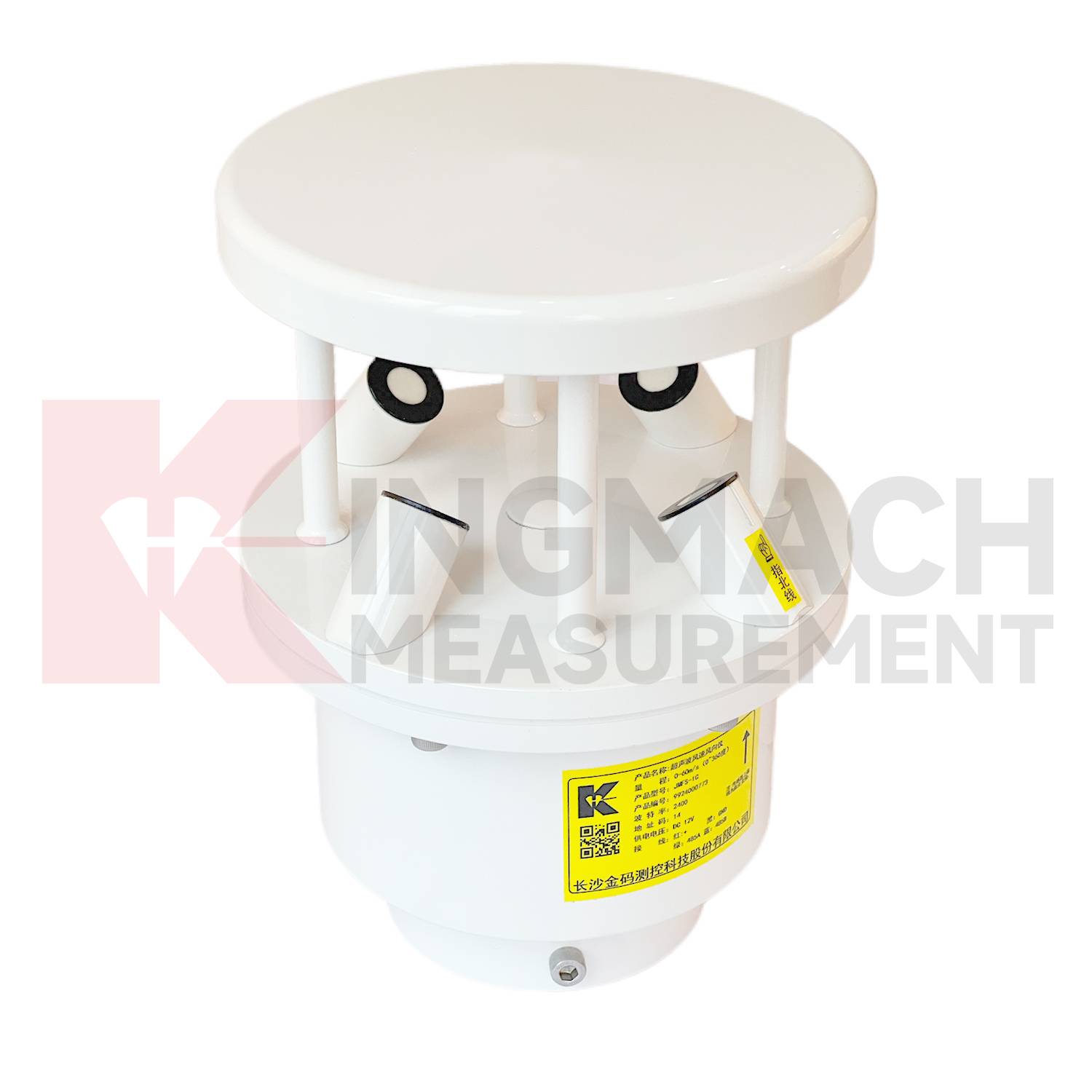

Ultrasonic Wind Speed and Direction Instrument
Kingmach Measurement & Monitoring Technology Co., Ltd.
714CD Series C-Band Weather Radar
Chengdu Zhongdian Jinjiang Information Industry Co., Ltd.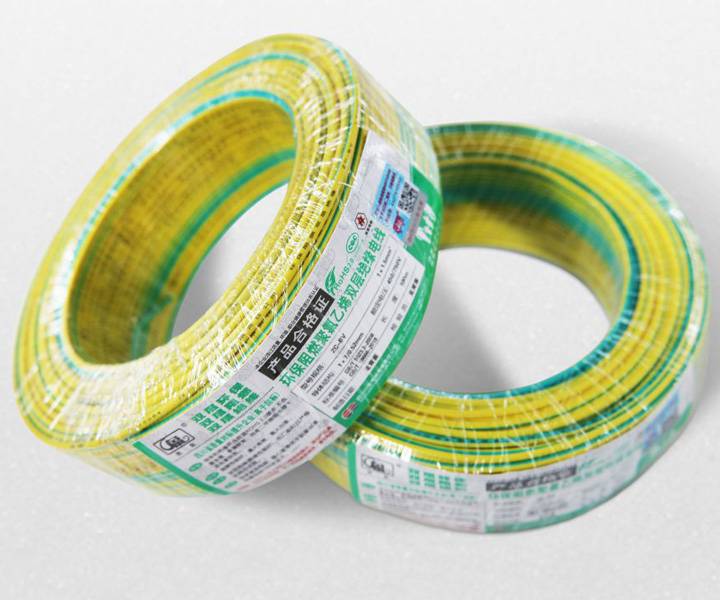
Environmentally Friendly Flame-retardant PVC Double-layer Insulated Wire
Sichuan Chndo Cable Co., Ltd.
Industrial and Commercial Point-Type Gas Detector
Jinan Benan Technology Development Co., Ltd.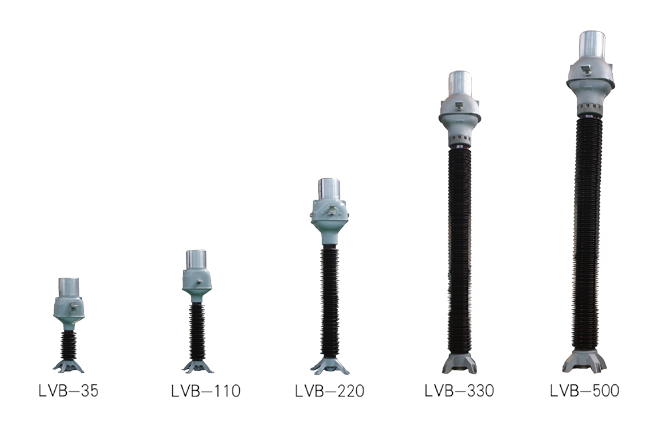
LVB Series 35-500kV Oil-immersed Inverted Current Transformer
Shandong Taikai Instrument Transformer Co., Ltd.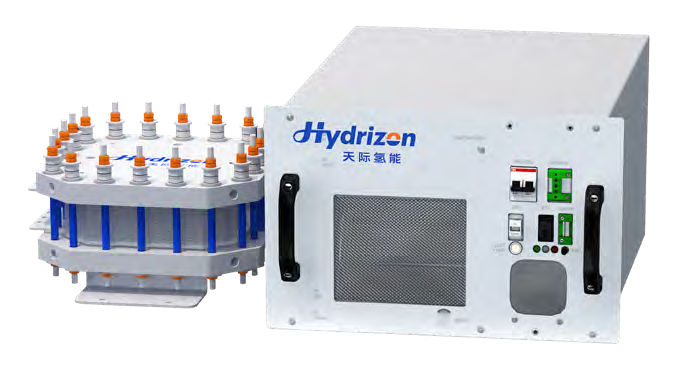
HI-Pro Green Hydrogen High-efficiency Production System-HI-PRO-AEM
Hydrizon Technology (Beijing) Co., Ltd.
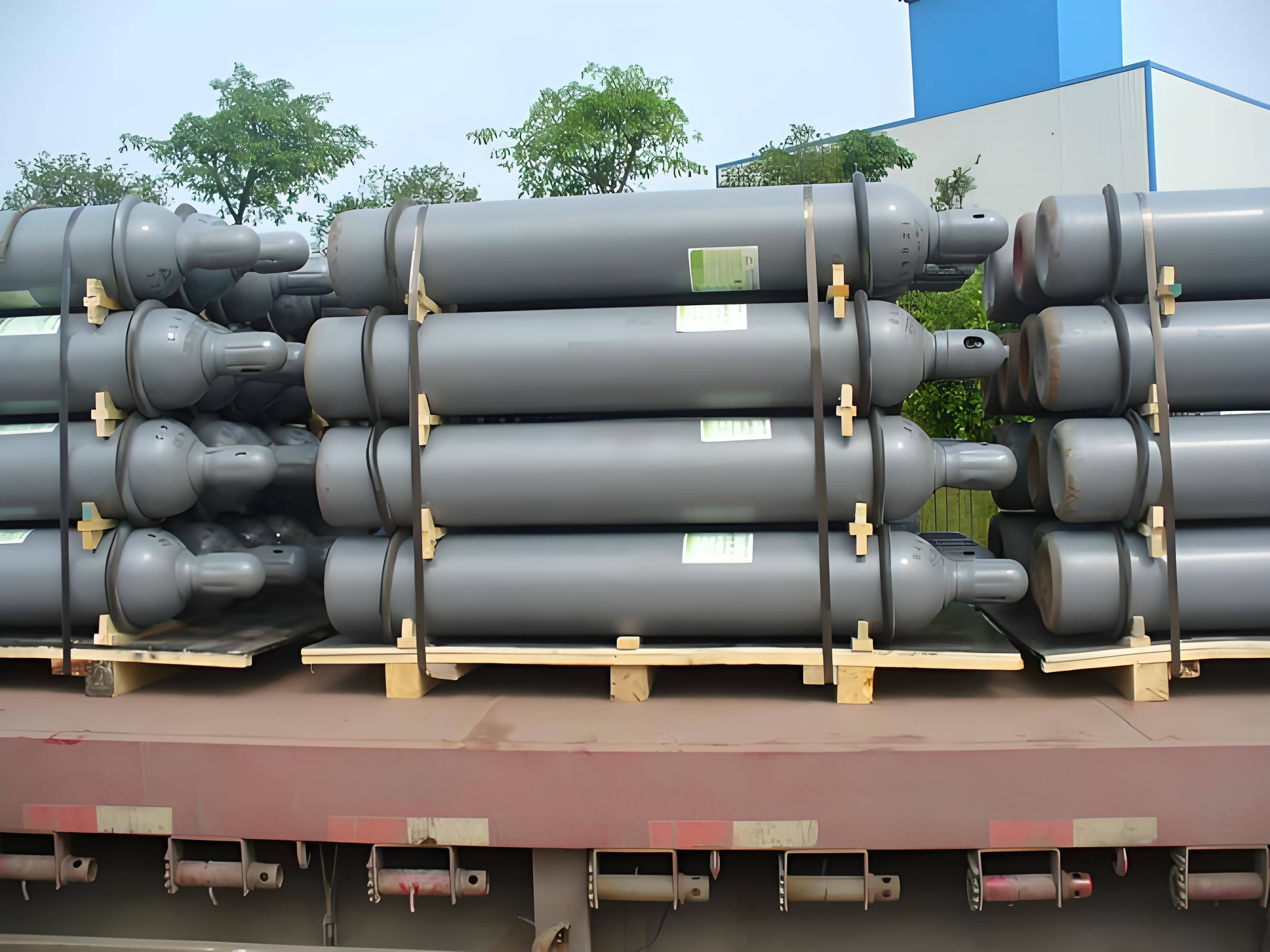
Global Sulfur Hexafluoride Gas Supply and Cylinder Export
Foshan Yuexin Industrial Gas Co., Ltd.
TAI Slew-drive Single-axis Independent 1P Tracking Bracket System
ANTAI TECHNOLOGY CO., LTD.