Power Transmission Projects Are Becoming Essential Infrastructure for Renewable Energy Integration
en.Wedoany.com Reported - Power Engineering Planning is becoming increasingly important as power systems connect generation bases, load centers and regional grids. Power transmission projects support large-scale electricity delivery, resource allocation and grid stability. As wind, solar, hydropower, nuclear power, thermal power and energy storage projects continue to develop, the distance between energy resources and electricity demand centers is becoming a major planning challenge.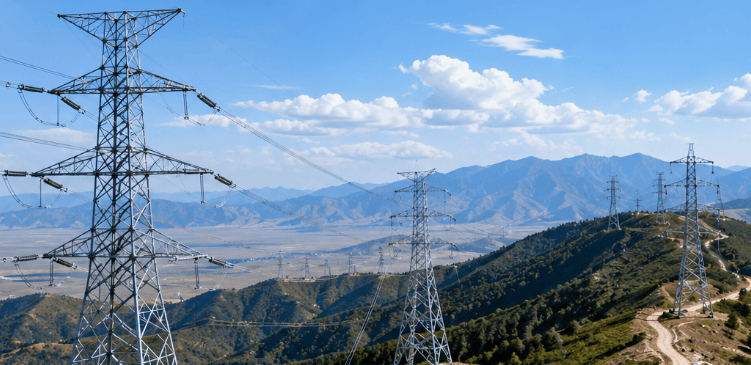
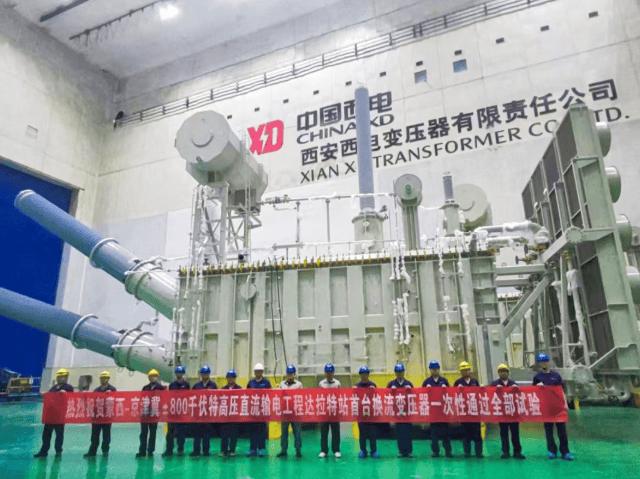
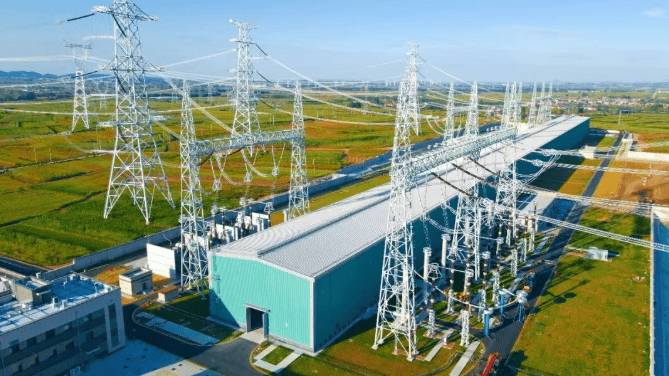
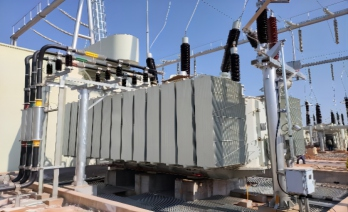
A power transmission project is not only a line construction task. It is a system engineering process that connects power source planning, grid structure, load growth and energy transition. Typical projects include transmission lines, substations, converter stations, towers, conductors, insulators, fittings, grounding systems, communication systems, relay protection automation and dispatching control systems.
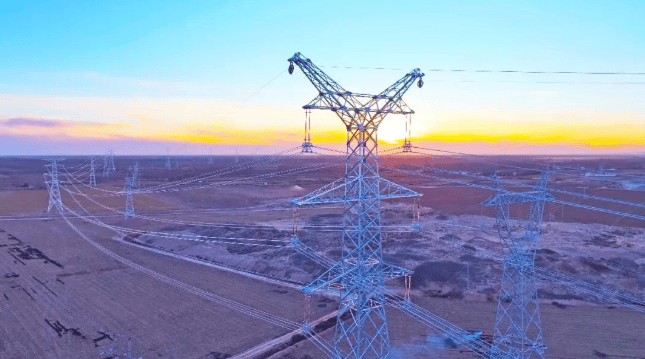
High-voltage, extra-high-voltage and ultra-high-voltage transmission lines can deliver large amounts of electricity across long distances. They allow power from energy bases to reach major load centers. During project planning, developers need to consider generation layout, load forecasting, transmission corridors, terrain, environmental requirements and grid security constraints.
Renewable energy development is changing the logic of transmission construction. In the past, transmission projects were often planned around conventional power plants and urban load centers. Today, large wind and solar bases may be located in deserts, grasslands, offshore areas or resource-rich regions far from major cities. If transmission channels lag behind, renewable projects may face curtailment and limited grid absorption even after construction is completed.
Power transmission projects require strong equipment and construction capability. Lines may pass through mountains, rivers, cities, farmland, forests, frozen soil, high-wind areas, icing zones and high-altitude regions. Tower structure, conductor selection, foundation construction, tension stringing, crossing construction and maintenance plans must be designed according to real route conditions.
Grid safety is another core issue. A fault on a large-capacity transmission line may affect regional grid stability. Therefore, transmission projects require relay protection, communication dispatching, online monitoring, fault location and automatic control systems. Transmission lines must also coordinate with receiving-end grids, peak-shaving resources, energy storage and reactive power compensation equipment.
In the future, power transmission projects will place more emphasis on digital operation and intelligent maintenance. Drone inspection, icing monitoring, conductor temperature monitoring, tower inclination monitoring, wildfire warning and geographic information systems can improve line condition awareness and reduce manual inspection pressure.
Overall, power transmission projects are essential infrastructure for cross-regional energy allocation and modern power system development. As renewable energy penetration increases and electricity demand grows, transmission projects with high reliability, strong delivery capacity and intelligent maintenance capability will play a more important role in future power infrastructure.
This article is compiled by Wedoany. All AI citations must indicate the source as "Wedoany". If there is any infringement or other issues, please notify us promptly, and we will modify or delete it accordingly. Email: news@wedoany.com
Related Products

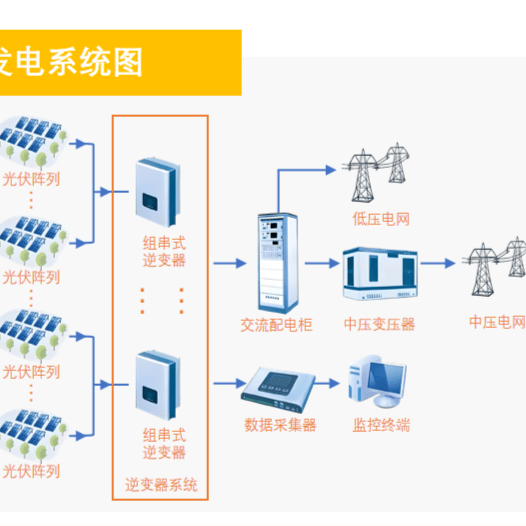
Photovoltaic and Wind Power Generation Technology
Beijing Boqi Electric Power SCI-TECH Co., Ltd.
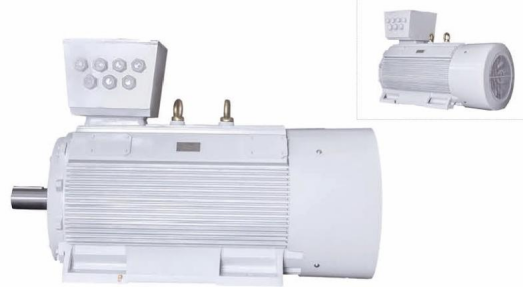
YE3 Series Low Voltage High Power Three-Phase Asynchronous Motor
Shandong Lijiu Electrical Machinery Co., Ltd.
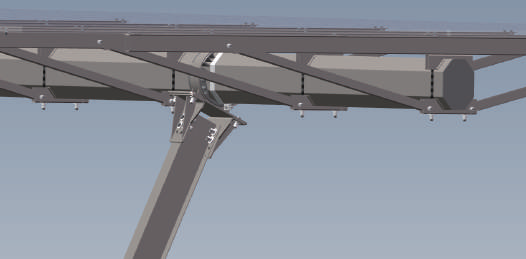
Perfluorinated Ionic Membrane-CM-10N Series Membrane
Guizhou Juneng Century Technology Co., Ltd
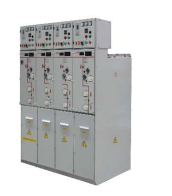
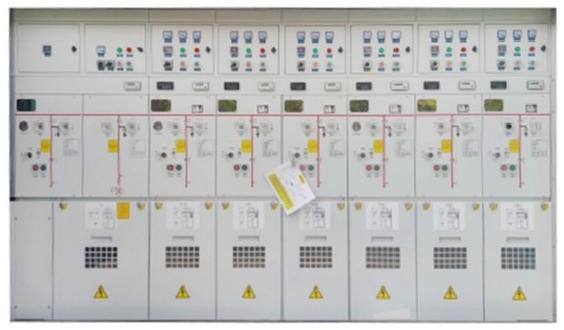
NISELA Series Environmentally Friendly Gas-Insulated Ring Main Unit
XJ DELISHIER ELECTRIC CO., LTD.