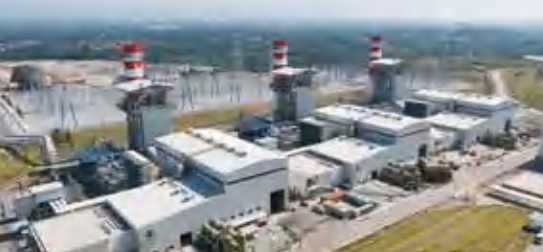
South Korea's Saeul Unit 3 of Saeul Nuclear Power Plant Begins Full-Scale Trial Operation, Expected to Commence Commercial Operation in September
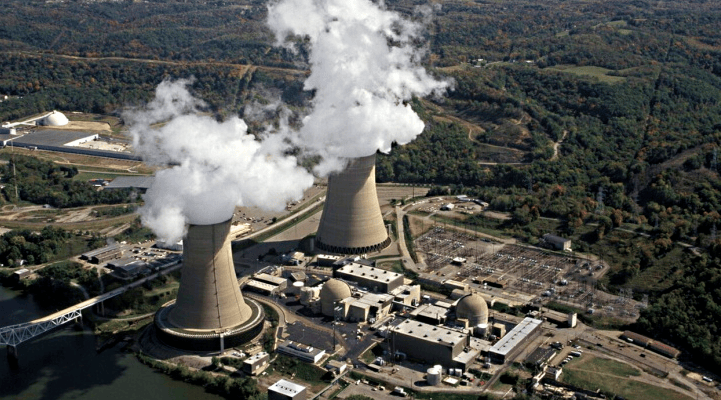
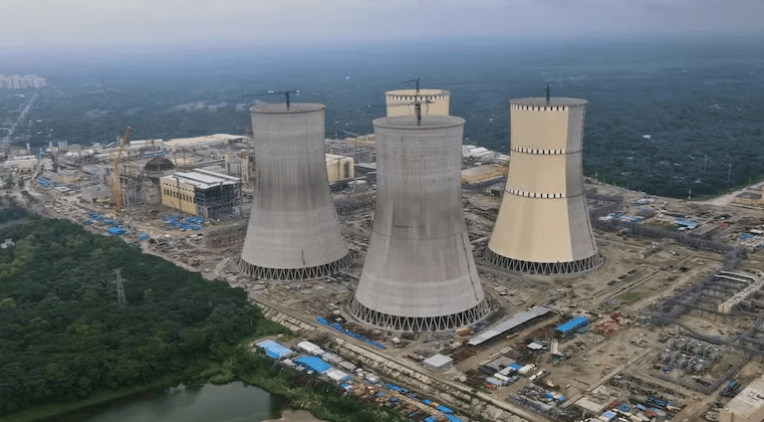
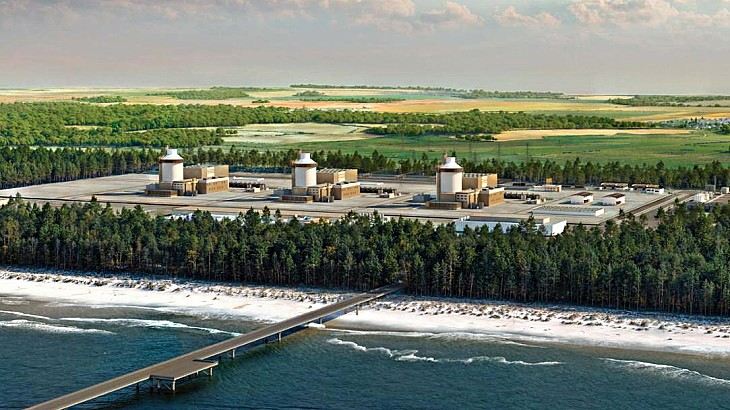
en.Wedoany.com Reported - Unit 3 of the Saeul (Chinese translation: Shin-Ul or Shin-Eul) nuclear power plant, located in Ulsan's Ulju-gun, South Korea (originally Shin-Kori Unit 5), has seen improvements in performance and safety and is expected to begin commercial operation as early as September this year. With an installed capacity of 1,400 megawatts, the unit's annual electricity generation can meet the power demands of the three cities of Busan, Gwangju, and Daejeon for one year. This marks the birth of another new nuclear power plant, following the commercial operation of Shin-Hanul Unit 2 in April 2024, after a gap of two and a half years.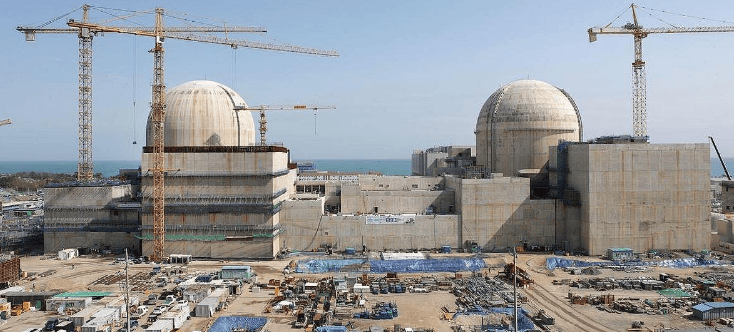
From construction permit to commissioning completion, Saeul Unit 3 took 10 years. According to Korea Hydro & Nuclear Power (KHNP) on April 12, the unit began full-scale trial operation on that day. Previously, the Nuclear Safety and Security Commission (NSSC) completed the pre-operational inspection before the reactor's critical stage on the 10th and confirmed its safety. KHNP plans to gradually increase power generation over the next six months to comprehensively test key facilities and safety systems. If final performance and safety verifications are passed, full 100% load commercial operation is expected to begin around September or October.
Saeul Unit 3 received its construction permit in June 2016. Progress was delayed due to public discussions on whether to halt construction following the inauguration of the Moon Jae-in administration. It obtained an operating license from the NSSC at the end of last year. Compared to the average of 5.2 years to obtain an operating license for nuclear power plants before the nuclear phase-out policy, the 10-year duration is double the previous time.
As a third-generation nuclear power plant, Saeul Unit 3 features significantly enhanced performance and safety. Its safety design is notably improved. It is the first nuclear power plant in South Korea designed according to strengthened international standards post-9/11. The containment building can withstand a large aircraft impact, and additional backup AC diesel generators are installed to cope with external power outages. Spent fuel storage capacity is greatly increased, with a design capacity for 60 years of usage, three times that of existing plants, allowing storage of all spent fuel generated during its entire design lifetime. The design lifespan has also been extended from 40 to 60 years.
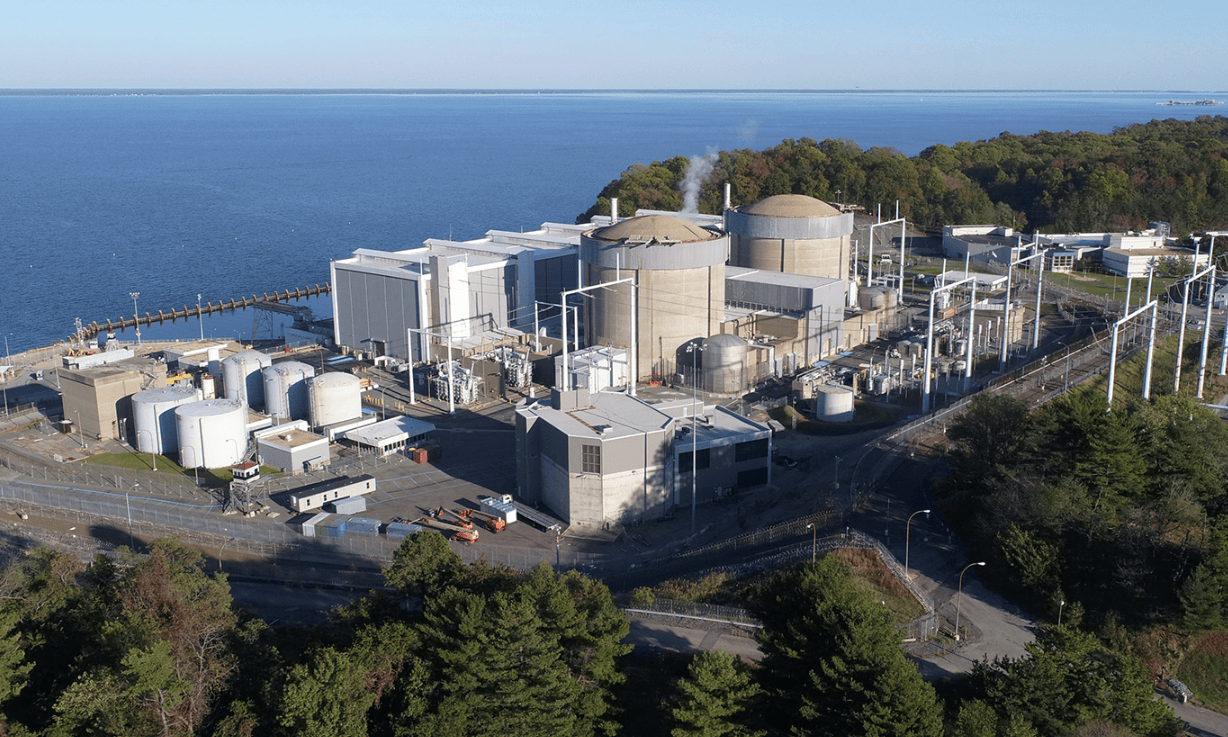
Currently, South Korea's nuclear power sector faces a transition between old and new facilities. On one hand, due to the five-year suspension of new nuclear projects during the Moon Jae-in administration, except for Saeul Unit 4, which was constructed concurrently with Saeul Unit 3, no new nuclear power plants are planned for completion before 2032. Saeul Unit 4 is scheduled to undergo NSSC operating license review in the second half of this year. The Shin-Hanul Units 3 and 4 currently under construction have target completion dates of 2032-2033. On the other hand, existing nuclear power plants are successively reaching the end of their operational lifespans. Kori Units 3 and 4 and Hanbit Unit 1 have already been shut down due to reaching their operating periods. Including Hanbit Unit 2, a total of nine nuclear power plants are scheduled to be shut down by February 2029, accounting for one-third of South Korea's total installed nuclear capacity of 7,800 megawatts across 27 units. Currently, nine nuclear power plants have applied for "continued operation." If approved by the NSSC, they could operate for an additional 10 years.
Experts state that expediting the approval process for continued operation licenses for existing nuclear power plants is as important as planning new ones. Furthermore, there is a growing call to extend the continued operation license period to 20 years, similar to practices in the United States.
This article is compiled by Wedoany. All AI citations must indicate the source as "Wedoany". If there is any infringement or other issues, please notify us promptly, and we will modify or delete it accordingly. Email: news@wedoany.com
Related Products
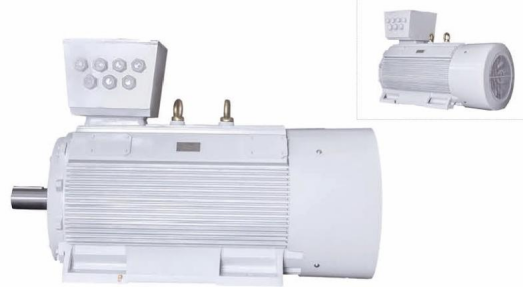

YE3 Series Low Voltage High Power Three-Phase Asynchronous Motor
Shandong Lijiu Electrical Machinery Co., Ltd.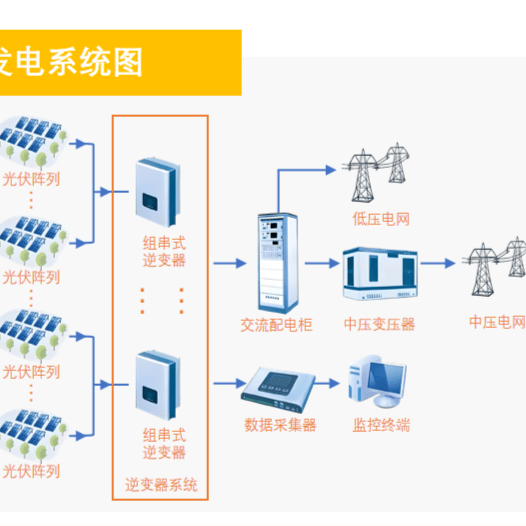
Photovoltaic and Wind Power Generation Technology
Beijing Boqi Electric Power SCI-TECH Co., Ltd.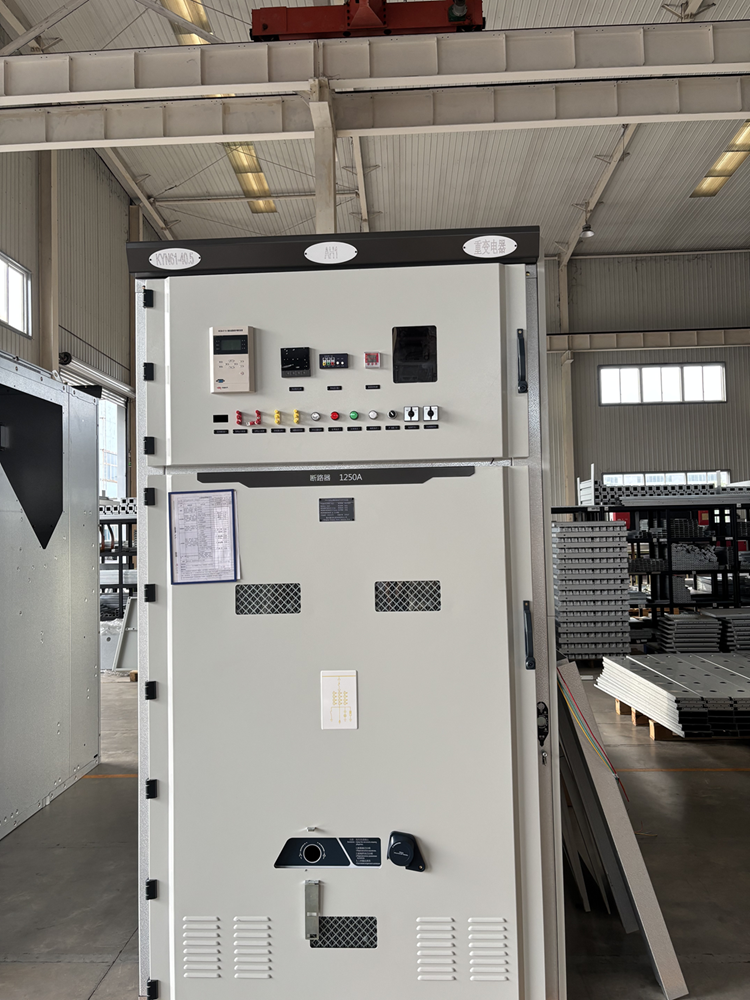
KYN61-40.5 Indoor AC Metal-clad Removable Switchgear
Chongqing Transformer Co., Ltd.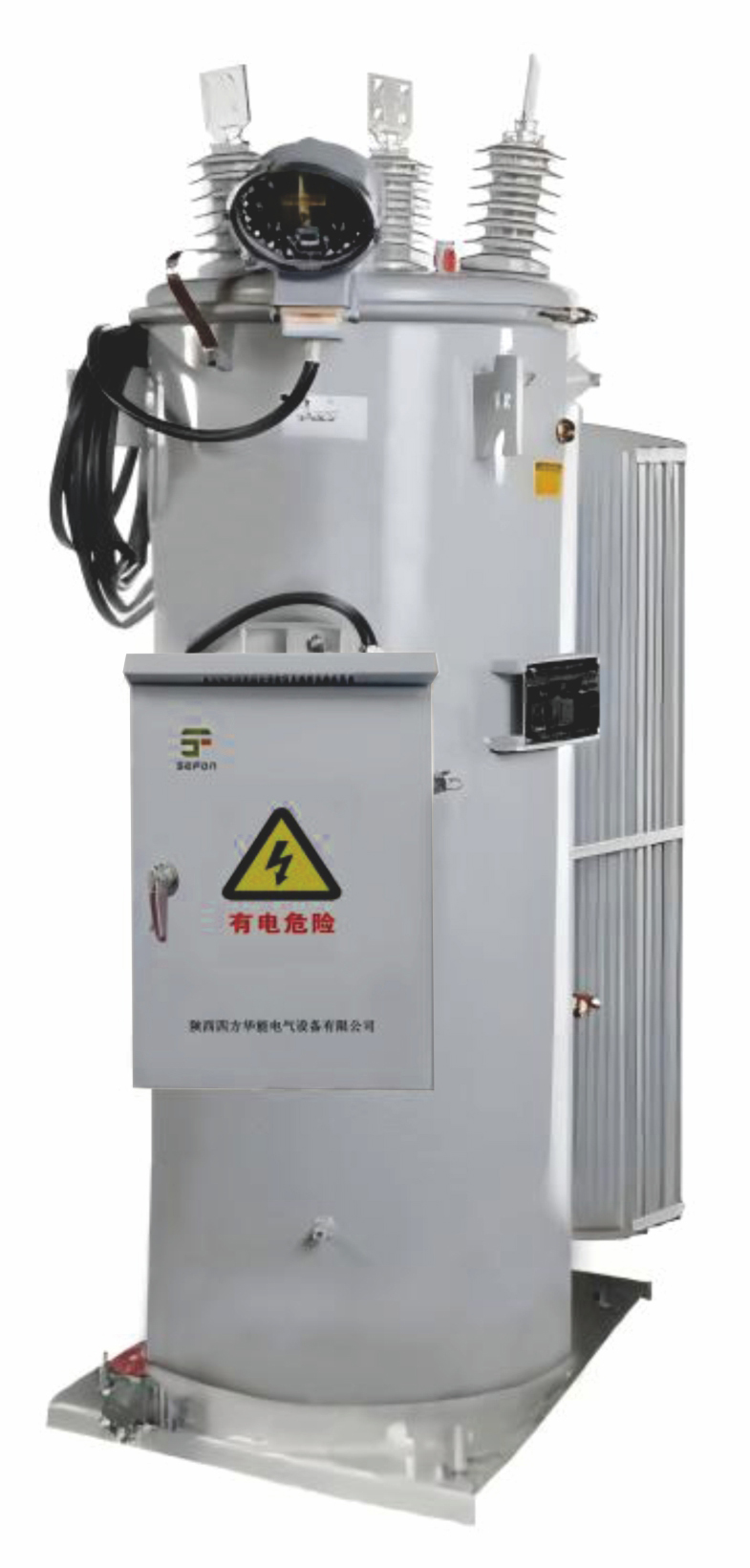
Single-Phase Automatic Voltage Regulator(AVR)
Shaanxi Sefon Electrical Equipment Co.,Ltd.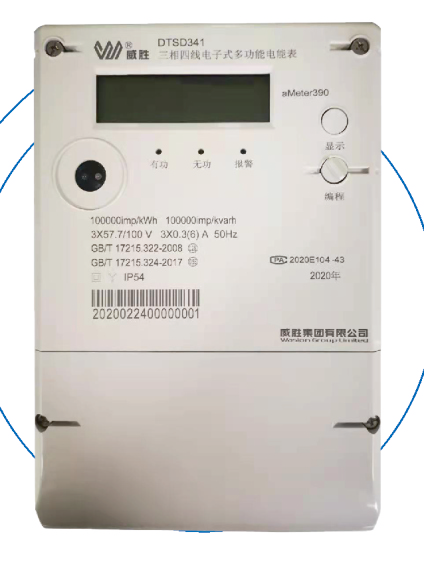
Overseas IEC Gateway Energy Meter - DTSD341/DSSD331-aMeter390
Wasion Group Limited Co., Ltd.

Industrial and Commercial Point-Type Gas Detector
Jinan Benan Technology Development Co., Ltd.
TYC Series High-Efficiency Permanent Magnet Synchronous Motor
Xiangdian Smart Energy Technology Co., Ltd.