Finland's TactoTek and Detroit's Sundberg-Ferar Collaborate to Launch In-Mold Structural Electronics Technology
en.Wedoany.com Reported - Finland-based in-mold structural electronics company TactoTek Oy has partnered with Detroit-based design firm Sundberg-Ferar to launch a technology that integrates electronic circuits, components, mechanical structures, and surface design into a single smart surface, aiming to resolve the conflict between aesthetics and functionality in traditional product design.
Founded in 2011 and headquartered in Oulu, Finland, TactoTek has developed its in-mold structural electronics technology, which is made available to partners across three continents through a licensing model. Sundberg-Ferar, now 91 years old, is the second-longest-operating design firm in the United States and the only design company in North America licensed to use this technology. David J. Byron, CEO and Principal of Sundberg-Ferar, pointed out that in traditional product design, every function—such as displays, buttons, and lighting—comes with packaging requirements like bezels, thickness, or structural elements, which reduce usable surface area and lead to persistent tension between design and engineering.
Byron recalled that a prototype demonstrated by TactoTek a few years ago achieved edge-to-edge lighting with a bezel-free, hotspot-free surface, balancing practicality with visual refinement. He stated that the technology changes the approach to product design, moving away from stacking components behind a surface to integrating functionality into the surface itself. Electronics, lighting, and sensing can be embedded into thin molded structures, thereby eliminating dead space inside the product and enabling thinner packaging.
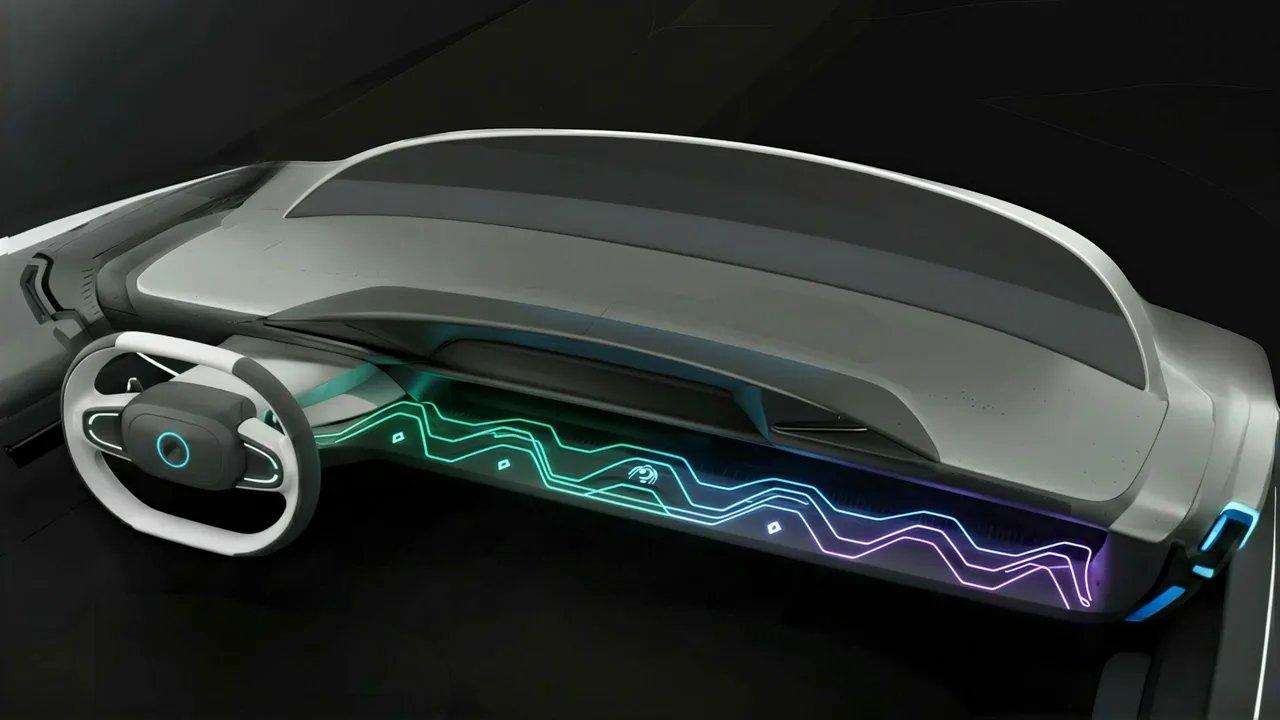
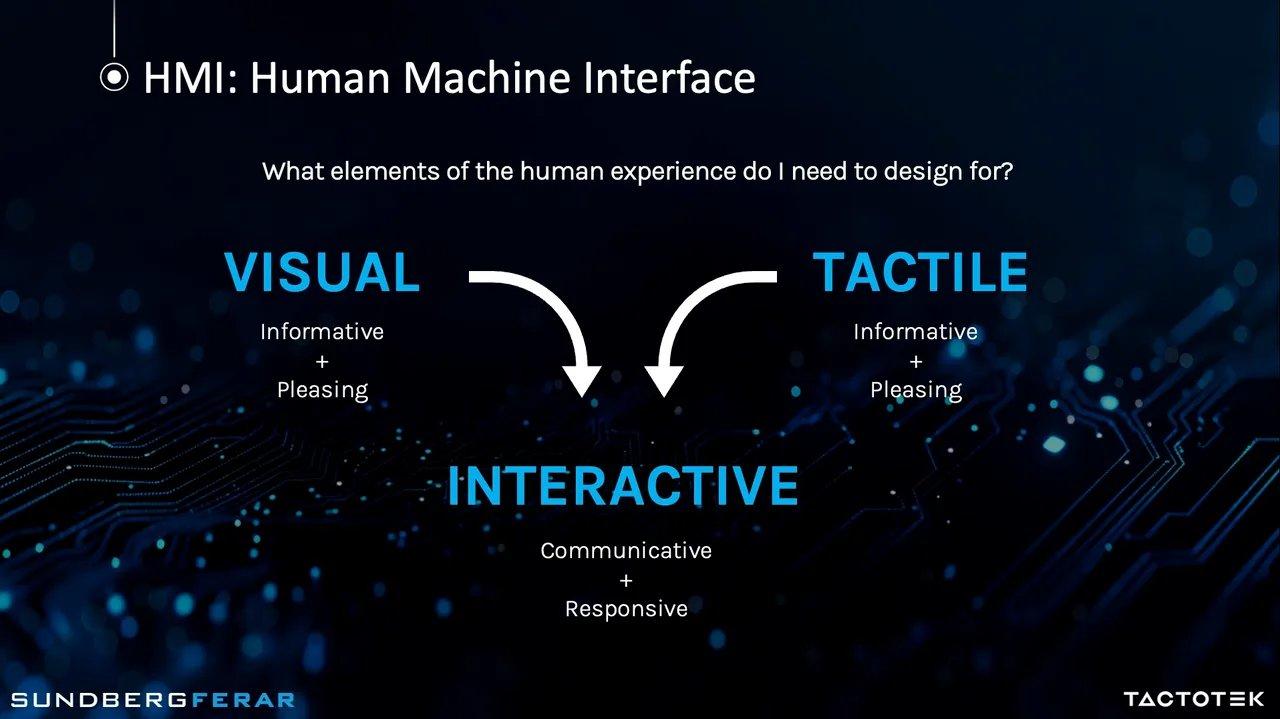
Tuomas Tähtinen, Product Planning Manager at TactoTek, stated that the technology changes the way smart surfaces are designed, manufactured, and experienced. Derek Deaver, Business Development Manager at TactoTek, added that traditional designs often feature glue marks, weld lines, and other characteristics that impact aesthetics. With in-mold structural electronics technology, iteration cycles can be significantly shortened, and in some cases, only the surface layer needs to be updated without redesigning the entire component assembly.
The automotive industry has become an early adopter of this technology. In January, Valeo, the Paris-headquartered global automotive lighting systems supplier, announced it would adopt TactoTek's in-mold structural electronics technology as a key manufacturing solution for a significant new project in collaboration with an unnamed global premium automaker. Maurizio Martinelli, CEO of Valeo's Lighting Division, stated that this award sets a new benchmark for next-generation interior solutions, integrating lighting and electronics into a unified, ready-to-use smart structure. Jussi Harvela, CEO of TactoTek, added that the collaboration with Valeo and the commissioning of a dedicated new production line mark a major milestone for the technology's large-scale industrial application.
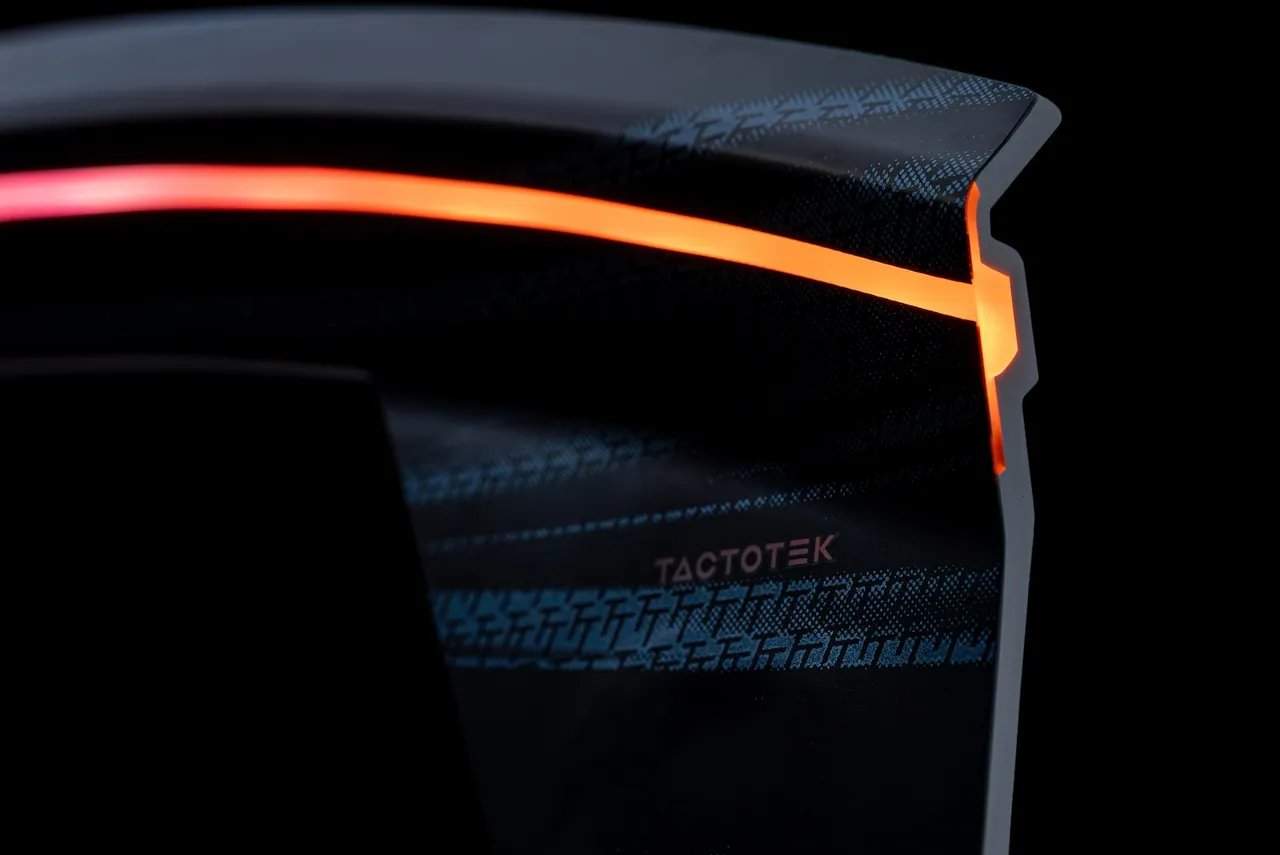
Beyond automotive, there are also application cases in the medical device sector. German materials supplier Covestro collaborated with TactoTek to develop the Maestro demonstrator medical device, combining in-mold structural electronics technology with Covestro's Makrolon polycarbonate and other materials to showcase a sleek, illuminated user interface with integrated touch functionality. The device simulates non-invasive blood glucose measurement and improved molecular diagnostic testing, offering low fluorescence, higher reliability, fewer parts, and greater design freedom compared to traditional electromechanical assemblies. The device's development involved multi-party collaboration: Bally Design Inc. handled industrial design and user interface development, Hellbender developed and assembled the hardware and software, DuPont provided laser welding technology, and Parallel Fluidics Inc. produced the microfluidic chip.
According to Covestro, in-mold structural electronic parts maximize resource efficiency, design flexibility, and reliability by embedding electronics and structures into a single part. Eric Sachs, Market Manager for Electrical & Electronics in Engineering Plastics Americas at Covestro LLC, noted that Maestro combines advanced functionality with more sustainable design and electronic integration, enabling various human-machine interface controls to feature intuitive, illuminated, seamless smart surfaces. Emily Schäfer, Medical Market Manager at Covestro, mentioned that Makrolon Dx polycarbonate provides optical clarity, aiding improved molecular diagnostics, while the device's bottom housing is made from Covestro's next-generation flame-retardant portfolio.
Sami Hyyryläinen, Senior Vice President at TactoTek, stated that by efficiently embedding ultra-thin in-mold components, the technology achieves space savings, lightweighting, system cost savings, and energy savings—factors that also greatly enhance design freedom. Byron noted that the new challenge lies in thinking and designing in three dimensions, and TactoTek's in-mold structural electronics technology provides an exciting solution for this.
This article is compiled by Wedoany. All AI citations must indicate the source as "Wedoany". If there is any infringement or other issues, please notify us promptly, and we will modify or delete it accordingly. Email: news@wedoany.com
Related Products

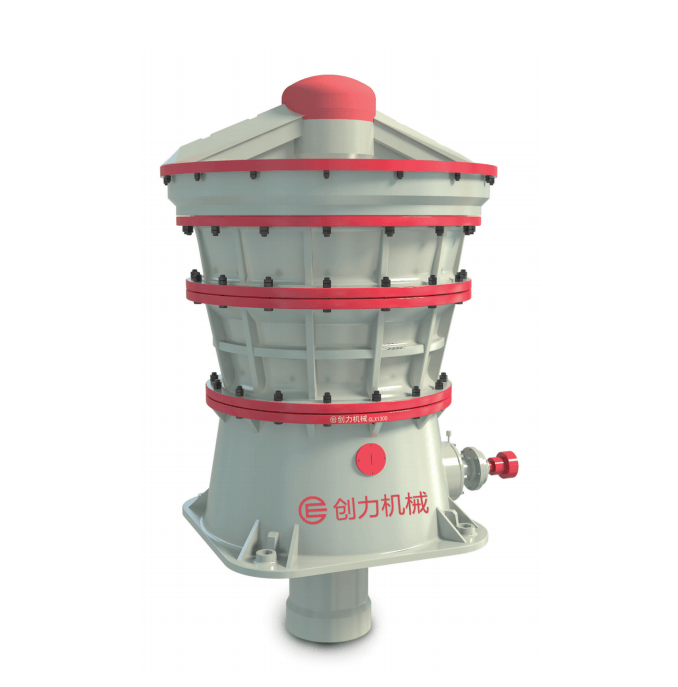
CLX Series Intelligent Hydraulic Gyratory Crusher
Guangdong CHUANGLI intelligent machinery Equipment Co., LTD

QLZNGJ Intelligent Steel Reinforcement Trolley
Luoyang China Railway Qiangli Machinery Co., Ltd.
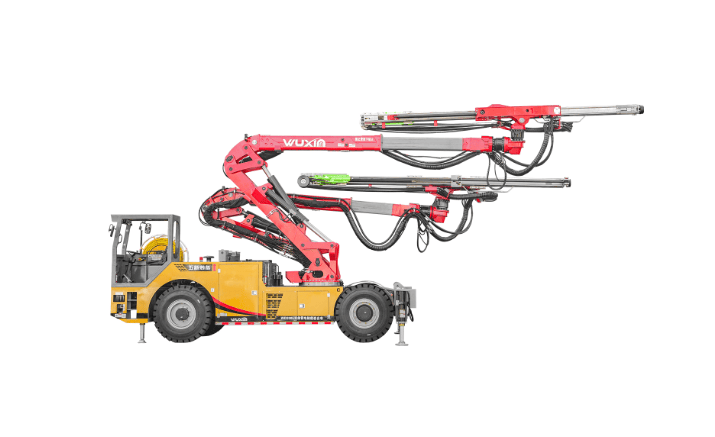
Double-Boom Computerized Rock Drilling Jumbo WD200E
Hunan Wuxin Intelligent Equipment Group Co., Ltd.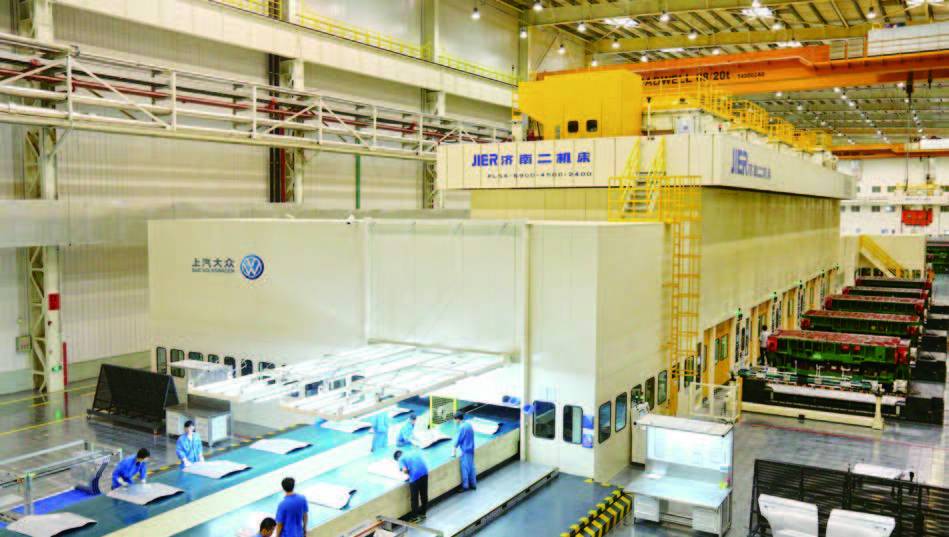
High-Speed Flexible Fully Automatic Stamping Production Line
JIER Machine-Tool Group Co., Ltd.