Global Vehicle Command System Market Expected to Reach USD 1.4889 Billion by 2036
en.Wedoany.com Reported - The global vehicle command system market is projected to grow from USD 640.6 million in 2026 to USD 1.4889 billion by 2036, at a compound annual growth rate (CAGR) of 8.8% during the forecast period. According to Future Market Insights (FMI), the increasing emphasis on workplace safety and collision avoidance technologies in the construction, mining, logistics, and industrial sectors is driving this market expansion.
According to FMI data, the market will create an absolute dollar opportunity of USD 848.3 million between 2026 and 2036. Growth drivers primarily include increased construction activities, modernization of off-highway vehicle fleets, broader adoption of advanced safety technologies, and enhanced compliance with occupational safety regulations.
Onboard proximity systems dominated the market in 2026, accounting for 29.0% of total demand. These systems help operators safely operate equipment in high-risk environments by detecting nearby workers and obstacles in real time. Continuous improvements in sensor accuracy, integrated cameras, and real-time warning systems have further driven their adoption.
In the detection technology segment, RFID and Bluetooth Low Energy (BLE) technologies held a 24.0% market share. With their ability to provide reliable and cost-effective proximity detection between vehicles and personnel, along with ease of deployment, strong scalability, and compatibility with wearable safety devices, these technologies are highly attractive to construction and industrial fleet operators.
By vehicle type, excavators led the market in 2026 with a 22.0% share. Regionally, India is expected to be the fastest-growing market, with a CAGR of 10.8% through 2036, driven by rapid infrastructure development, expanding construction activities, and the implementation of occupational safety standards. China is expected to see strong demand for retrofitting mixed construction fleets, while the United States and Germany continue to emphasize the integration of video documentation, telematics, and advanced safety compliance technologies.
Artificial intelligence, computer vision, connected telematics, advanced sensor fusion, cloud-based fleet monitoring, and predictive safety analytics are reshaping vehicle command systems. These innovations improve hazard detection accuracy, reduce false alarms, and provide detailed incident reporting for fleet safety management.
In terms of market competition, manufacturers are developing AI-driven detection systems, integrated camera technologies, wearable safety solutions, cloud-connected fleet management platforms, and intelligent collision avoidance systems. Key players include Brigade Electronics, Matrix Design Group, Avonwood Developments (ZoneSafe), and SiteZone Safety in proximity and collision warning systems; VisionTrack and Spillard Safety Systems in camera and video telematics systems; and Hexagon in mining collision avoidance platforms.
Related Products

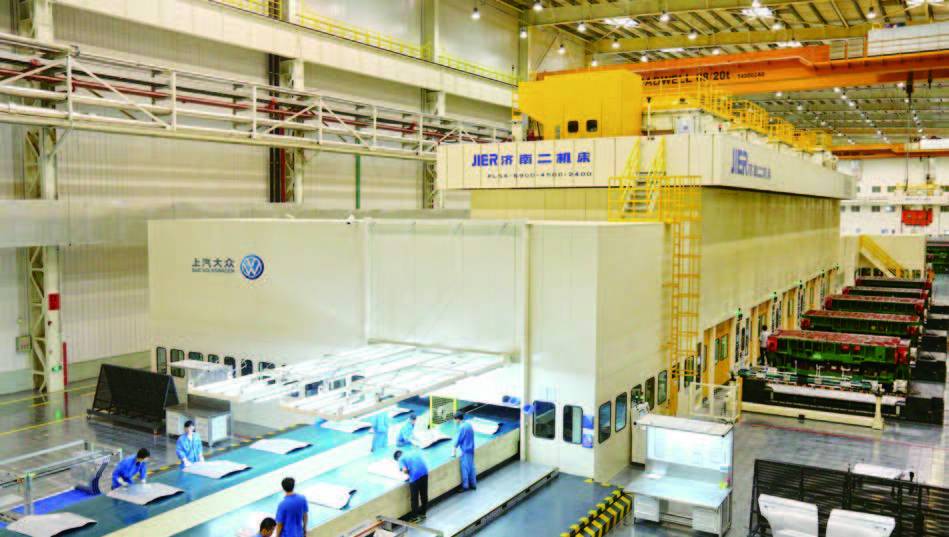
High-Speed Flexible Fully Automatic Stamping Production Line
JIER Machine-Tool Group Co., Ltd.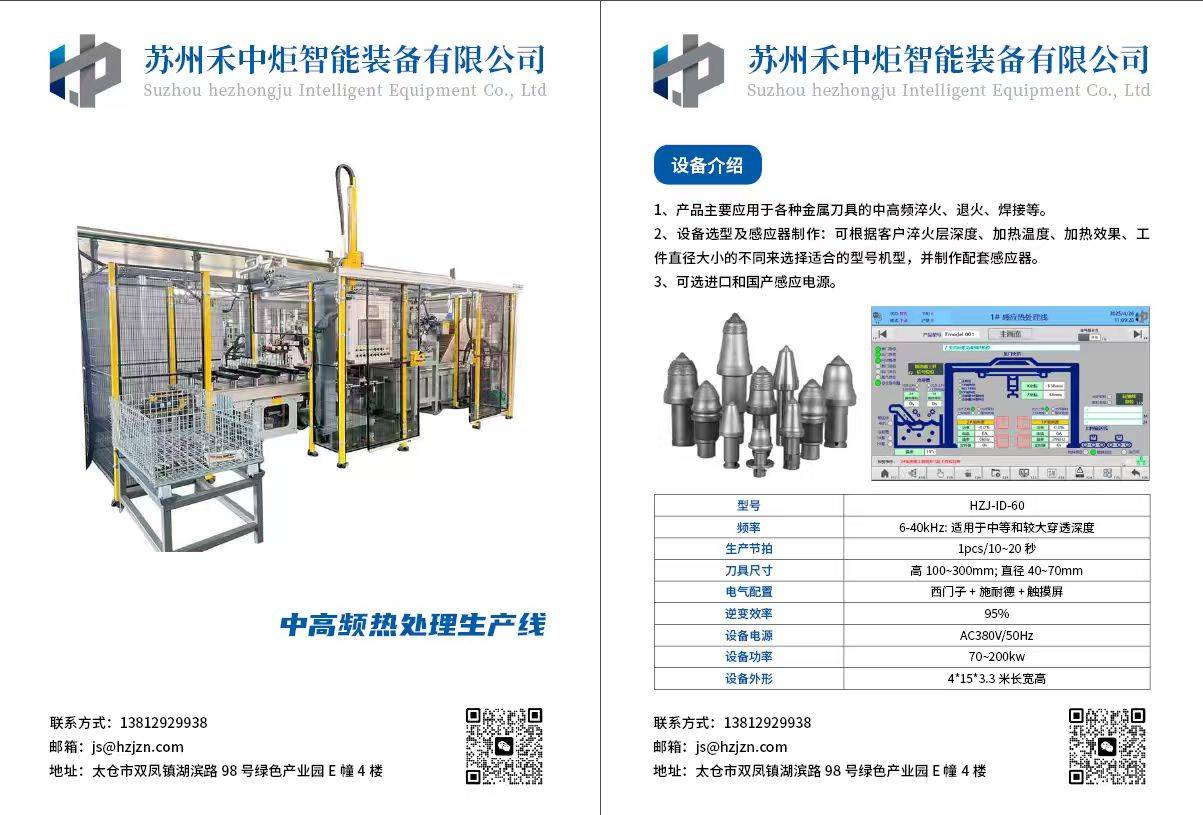
Excavator Bucket Teeth Heat Treatment Production Line
Suzhou Hezhongju Intelligent Equipment Co., Ltd.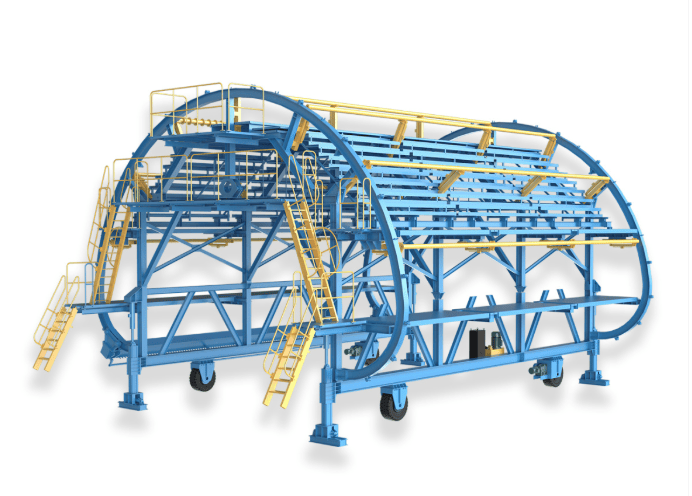
QLZNGJ Intelligent Steel Reinforcement Trolley
Luoyang China Railway Qiangli Machinery Co., Ltd.
Standard Nozzle Flowmeter
Jinggong Automatic Control Instrument Complete Technology Development Company

Industrial and Commercial Point-Type Gas Detector
Jinan Benan Technology Development Co., Ltd.
CAP1400 main feedwater flow nozzle flowmeter.
Jiangsu Hongda Instrument Technology Co., LTD.