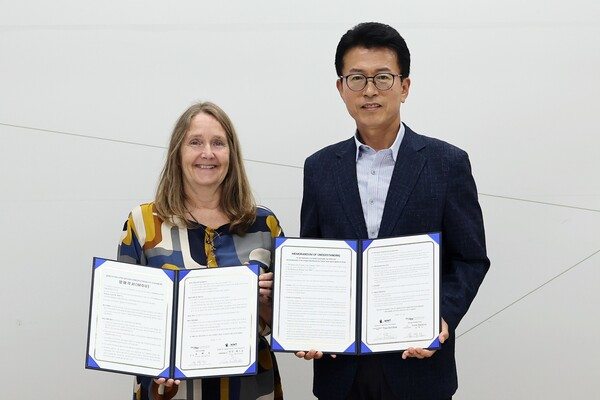
en.Wedoany.com Reported - A delegation from the International Atomic Energy Agency (IAEA) Integrated Regulatory Review Service (IRRS) has concluded a 12-day review of Lithuania, finding the country's nuclear and radiation safety regulatory framework to be sound and mature. IRRS team leader Mika Markkanen, Principal Advisor at the Finnish Radiation and Nuclear Safety Authority (STUK), stated that Lithuania has a sound and mature regulatory system covering all aspects of radiation and nuclear safety, and the delegation was deeply impressed by the commitment of the State Nuclear Power Safety Inspectorate (VATESI) and the Radiation Protection Centre (RSC) to continuous improvement.
Lithuania is currently advancing the decommissioning of two units at the Ignalina Nuclear Power Plant (INPP), a site that also handles the storage and disposal of spent fuel and radioactive waste. Furthermore, radiation sources are widely used in the medical, research, and industrial sectors. Lithuania previously underwent an initial IRRS mission in 2016 and hosted a follow-up assessment of progress in 2020.
The 12-member IRRS delegation comprised experts from Egypt, Finland, France, Germany, Hungary, India, Ireland, Italy, Portugal, Romania, Singapore, and Sweden, along with two IAEA staff members. During the review, the delegation examined relevant legislation, regulations, policies, and procedures, and conducted interviews with VATESI and RSC staff. The delegation also observed regulatory inspections at the Ignalina Nuclear Power Plant, the radiology department of a private clinic UAB InMedica, and an industrial facility UAB Polimaster Europe.
The delegation identified several good practices in Lithuania's regulation of nuclear and radiation safety. For instance, the government has established a plan for the periodic assessment of regulatory bodies, including VATESI and RSC, to ensure regulatory efficiency and effectiveness; the RSC has enhanced public access to information and data through a national strategic public information campaign and digital tools.
In its findings, the IRRS delegation did not identify any major challenges in Lithuania's regulatory system but noted that certain areas could be further aligned with IAEA safety standards. The delegation made several recommendations for improvement, including that VATESI and RSC should improve coordination and cooperation in areas such as the use of radiation sources; RSC should consider supplementary methods for evaluating the effectiveness of inspection processes; the competent authority should ensure all radiation sources are risk-classified in accordance with the Regulations for the Safe Transport of Radioactive Material; and VATESI should establish a mechanism to regularly test and assess emergency response functions using predefined criteria.
Michail Demčenko, Head of the State Nuclear Power Safety Inspectorate, stated that the insights from the IRRS delegation will help the country further improve its nuclear and radiation safety infrastructure. Ernestas Jasaitis, Director of the Radiation Protection Centre, added that the review was an important opportunity to strengthen cooperation and knowledge exchange between Lithuania and the IAEA, which is crucial for the shared goal of protecting people and the environment from the harmful effects of ionizing radiation. The final delegation report is expected to be submitted to the Lithuanian government in approximately three months.
IAEA safety standards, composed of fundamental principles, requirements, and guides, are designed to ensure safety and serve as a global reference for protecting people and the environment from the harmful effects of ionizing radiation.
This article is compiled by Wedoany. All AI citations must indicate the source as "Wedoany". If there is any infringement or other issues, please notify us promptly, and we will modify or delete it accordingly. Email: news@wedoany.com