en.Wedoany.com Reported - Canada's South Bow company recently stated that it will decide by mid-2027 whether to proceed with its proposed partial restart project of the Keystone XL oil pipeline, and announced it has secured the shipper commitments needed to advance. The project, named Prairie Connector, is a pipeline with a daily capacity of 550,000 barrels running from Alberta to Wyoming, which could increase Canada's crude oil exports to the United States by 12%.
South Bow is advancing the proposal with its U.S. partner Bridger Pipeline. The company stated that through a process launched this year to assess commercial interest, it has secured binding 20-year contracts from oil companies. According to Reuters, South Bow is close to achieving its target: securing a daily transportation volume of 450,000 barrels, representing 80% of the initial pipeline capacity.
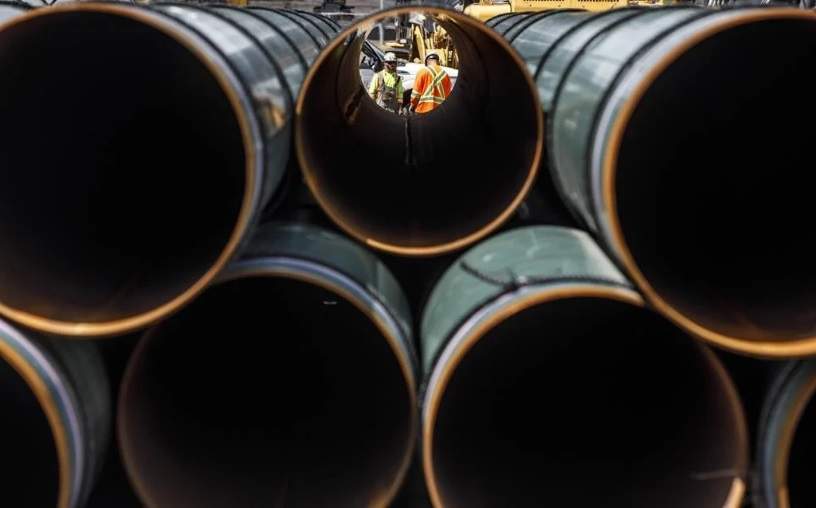
Part of the pipeline has already been assembled on the Canadian side. South Bow was spun off in 2024 from former Keystone XL backer TC Energy, taking over its oil pipeline business. The new pipeline does not follow the U.S. route of the previous project, which was canceled in 2021 after former President Joe Biden revoked its permit, but will utilize portions of the Keystone XL pipeline already assembled on the Canadian side.
U.S. President Donald Trump has signed an executive order granting a cross-border permit for the new proposal. However, South Bow CEO Bevin Wirzba stated on Thursday that the company cannot proceed unless it has evidence that the permit is "durable" and will not be revoked by a future administration. TPH Energy analyst AJ O'Donnell noted that while the successful open season phase securing shipper commitments marks a significant milestone, risks surrounding the U.S. permit remain. O'Donnell said that without assurance that a new U.S. administration would not revoke the permit in 2029, the project could stall.
South Bow has not yet publicly disclosed a price tag for the project, but ATB Capital Markets analysts estimate the project could cost up to $2.2 billion (approximately C$3 billion) and would take two to three years to construct after a final investment decision is made. As the world's fourth-largest oil supplier, Canada produces 5.5 million barrels of oil per day, with forecasts indicating this figure could climb to 6.1 million barrels by 2030.
This article is compiled by Wedoany. All AI citations must indicate the source as "Wedoany". If there is any infringement or other issues, please notify us promptly, and we will modify or delete it accordingly. Email: news@wedoany.com