SpaceX's Starlink Reports $11.4 Billion Revenue in 2025, Surpasses 9 Million Global Users
en.Wedoany.com Reported - According to financial data from SpaceX cited by Cailian Press on April 14, Starlink's revenue reached $11.4 billion in 2025, a 50% year-on-year increase, accounting for 61% of the company's total revenue. The business's earnings before interest, taxes, depreciation, amortization, and equity-based compensation expenses amounted to $7.2 billion. Its adjusted EBITDA margin was approximately 63%, further improving from 50% in 2024, making it the only profitable segment among SpaceX's three major business divisions. The same data shows that SpaceX's consolidated revenue for the full year 2025 exceeded $18.5 billion, but the company incurred a net loss of nearly $5 billion, primarily due to significant investments in its artificial intelligence business.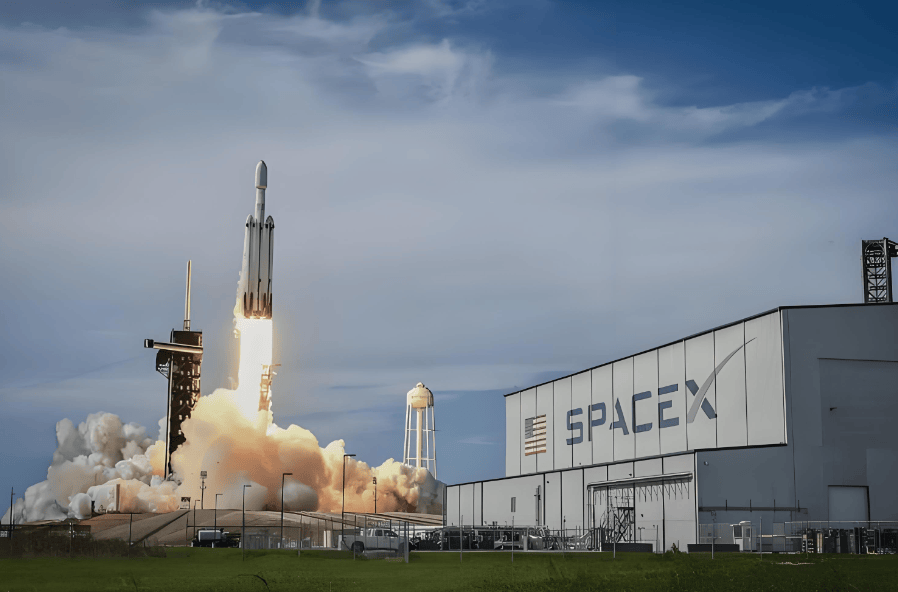
Starlink's user growth has progressed in tandem with its revenue expansion. According to a global network monitoring report released by Opensignal, Starlink doubled its user base in 2025, growing from approximately 4.5 million at the beginning of the year to over 9 million by year-end, with average daily additions of around 20,000 users in November and December. By February 2026, Starlink's global user count surpassed 10 million, with services covering 155 countries and regions. In terms of user composition, third-party estimates from January 2025 indicate that residential household users account for over 75%, business scenario users for about 5%, and mobile users for approximately 20%. In rural Australia, one in five households that switched internet service providers in 2025 chose Starlink, with similar trends observed in rural Canada, while urban adoption rates have also been steadily rising.
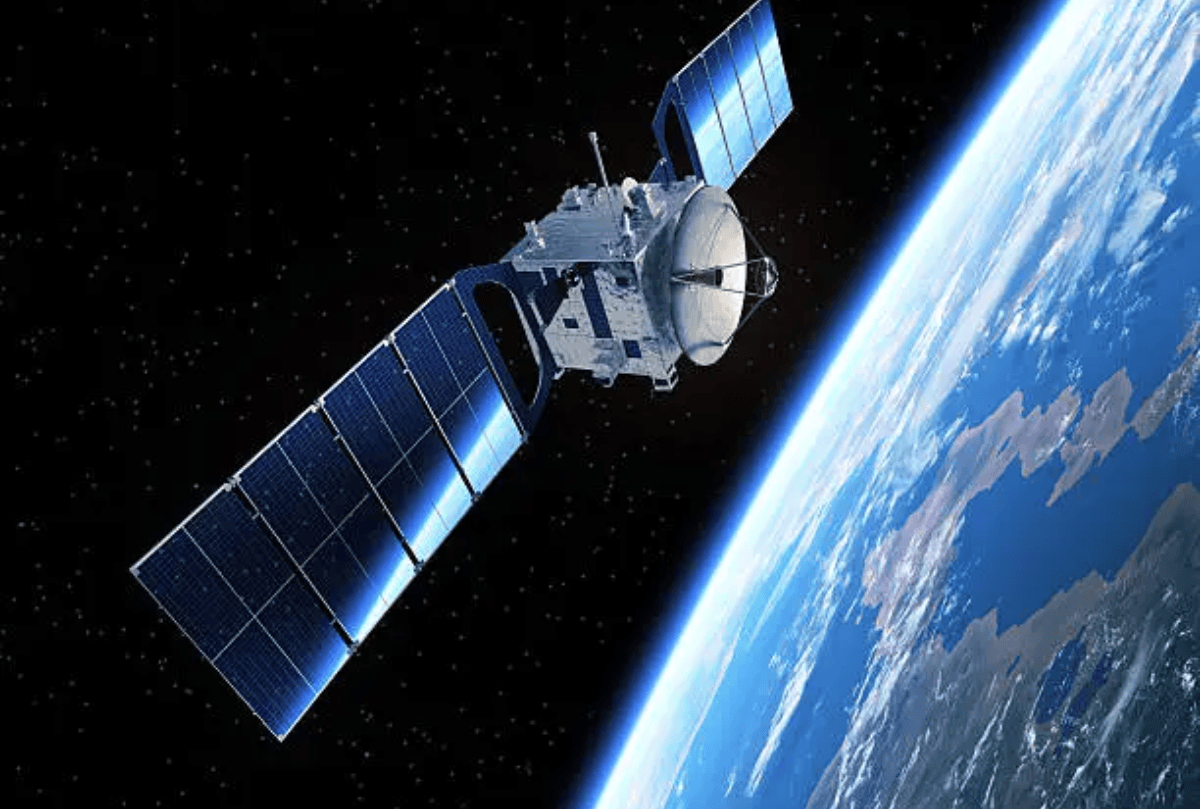
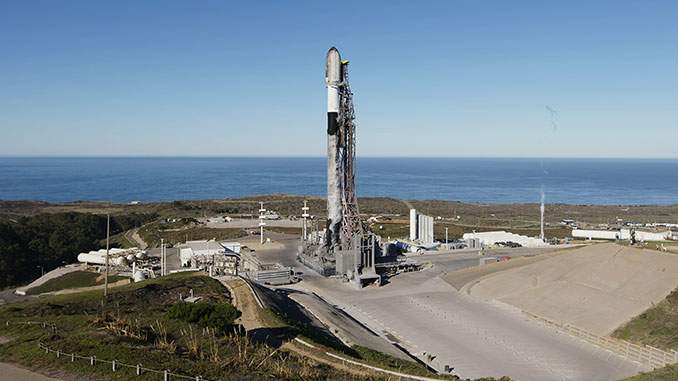
SpaceX set a new record for launch frequency in 2025. According to a report by Kuaikeji on December 30, SpaceX completed a total of 170 launches throughout the year, including 165 Falcon 9 and 5 Starship launches. Among these, 122 were dedicated Starlink satellite launches, constituting 74% of all Falcon rocket launches. The year saw the launch of 3,190 Starlink V2 Mini satellites, averaging 26.15 satellites per launch. Unofficial statistics indicate that the cumulative number of launched Starlink satellites has reached 10,801, with 9,413 currently in orbit. Of these, 8,026 are operational in their designated orbits, while 1,387 are undergoing orbital ascent. On October 20, the total number of launched Starlink satellites exceeded 10,000, making it humanity's first ten-thousand-satellite constellation. According to statistics by Dr. Jonathan McDowell from the Harvard-Smithsonian Center for Astrophysics, as of October 20, 10,006 Starlink satellites had been launched, with 8,655 in orbit.
Throughout 2025, Starlink continued to secure regulatory approvals in several key global markets. According to documents from the Indian National Space Promotion and Authorization Centre, Starlink received final authorization from India's space regulator on July 9, 2025, permitting the operation of its first-generation low Earth orbit satellite constellation in India. Starlink has already signed initial commercial agreements with VSAT service providers in India. Based on announcements from South Korea's Ministry of Science and ICT and the National Radio Research Agency, Starlink Korea completed the model evaluation for its ground station radio equipment on August 11, 2025, obtaining final permission to supply user terminals and related equipment within South Korea. In the United States, according to Federal Communications Commission documents, the FCC conditionally approved a SpaceX request on March 7, 2025, allowing Starlink's direct-to-cell service to operate at higher power levels. The power flux density limit was increased from -120 dBW/m²/MHz to -110.6 dBW/m²/MHz, on the condition that any harmful interference must be mitigated.
Starlink's rapid expansion is reshaping the global competitive landscape. According to a report by Securities Times on October 26, 2025, three European aerospace and defense companies—Airbus, Leonardo, and Thales—announced the integration of their satellite and space businesses to form a joint venture aimed at competing with Starlink. Airbus holds a 35% controlling stake, with Leonardo and Thales each holding 32.5%. In June of the same year, Eutelsat raised €1.35 billion from the French government and other investors. By June, it had 651 satellites in orbit, with future plans for a total constellation potentially exceeding 7,000 satellites. Additionally, according to an Opensignal report, Amazon has renamed its satellite internet service from "Project Kuiper" to "Amazon LEO." Its first batch of 27 operational satellites was launched in April 2025, with plans to deploy 3,236 satellites in total. The service aims to leverage AWS cloud services and the Prime membership ecosystem to reduce customer acquisition costs.
This article is compiled by Wedoany. All AI citations must indicate the source as "Wedoany". If there is any infringement or other issues, please notify us promptly, and we will modify or delete it accordingly. Email: news@wedoany.com
Related Products






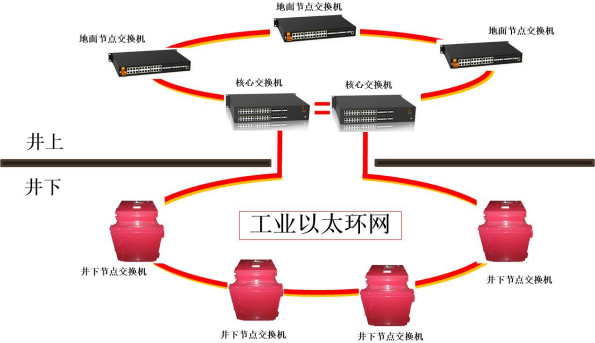
Mine Explosion-proof and Intrinsically Safe Industrial Ethernet Ring Network (10 Gigabit/Gigabit)
Chongqing Mas Sci&Tech Co., Ltd.
Comprehensive Mining Automation Control System
Beijing Tianma Intelligent Control Technology Co., Ltd.

GYTA Type Non-Self-Supporting Aerial/Duct Optical Cable
TONGDING INTERCONNECTION INFORMATION CO., LTD.

20 Inch 1600*900 Full HD 60Hz TFT LED Monitor with VGA and DP Interfaces for Desktop Computers-Business Use
Guangzhou Zanying Optoelectronics Technology Co., Ltd.
Automatic Aiming Laser Remote Obstacle Removal Robot
Pinggao Group Weihai High-Voltage Apparatus Co., Ltd.