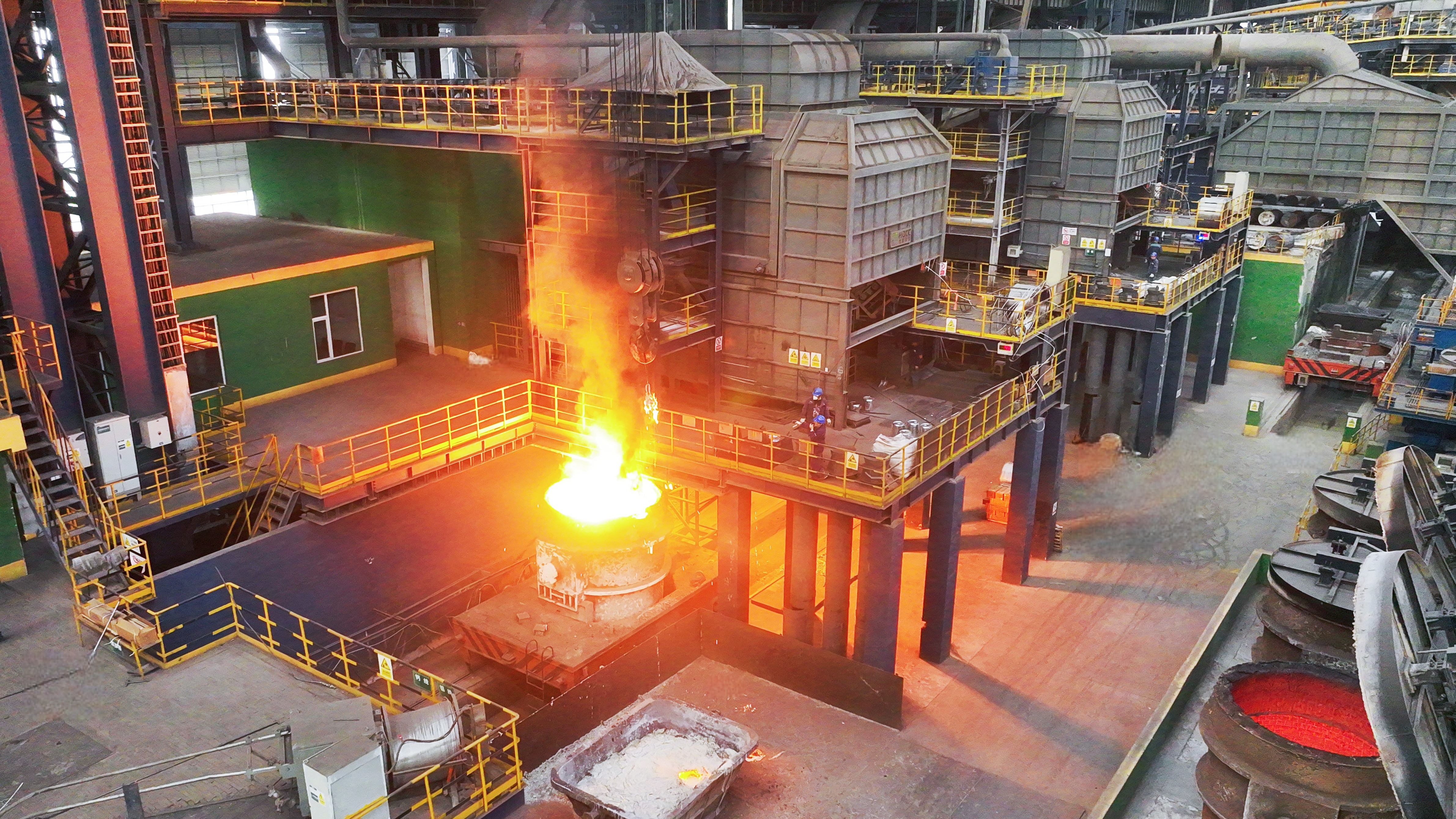
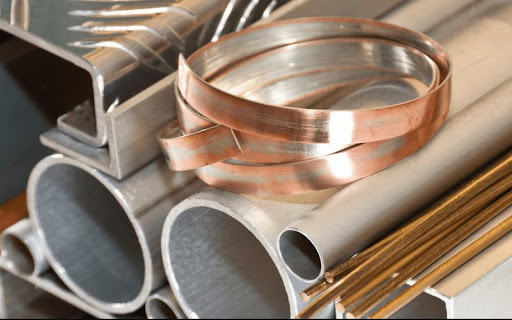
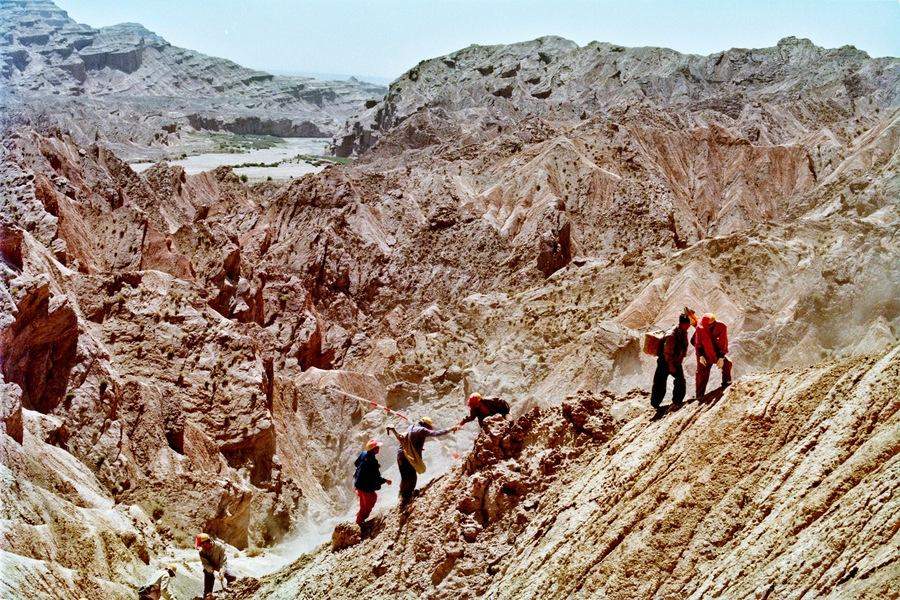
en.Wedoany.com Reported - On April 14, 2026, data released by China's General Administration of Customs showed that from January to March 2026, China's rare earth exports reached 32,077.1 tons, a year-on-year increase of 30%, with an export value of 4.87 billion yuan, a significant year-on-year surge of 159.9%. The growth rate of export value far outpaced that of export volume, reflecting a significant upward trend in global rare earth market prices during this period.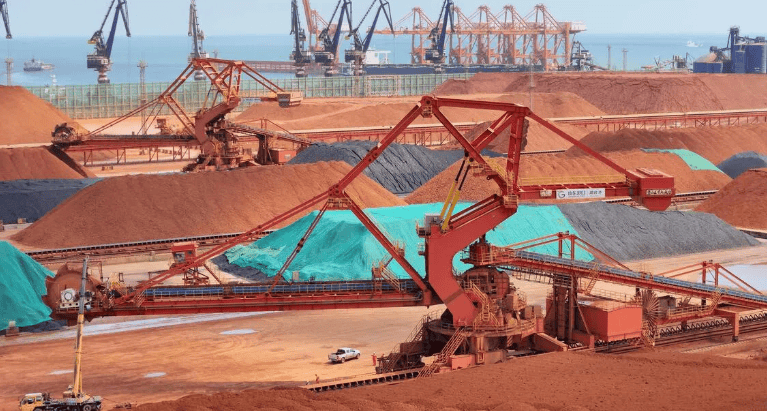
According to customs statistics, in the first quarter of 2026, the total value of China's goods trade imports and exports reached 11.03 trillion yuan, a year-on-year increase of about 14.7%, surpassing the 11 trillion yuan mark for the first time. Among these, rare earth exports performed particularly well, with the trend of rising volume and price drawing widespread attention in the international market.
Analysts pointed out that the tightening global supply and demand dynamics for rare earths is the core factor driving price increases. On the supply side, overseas rare earth supply continues to contract—Myanmar's mining ban has interrupted over 40% of the global supply of medium and heavy rare earths, Vietnam has banned the export of rare earth raw ores starting in 2026, and Australian mines have also reduced production due to maintenance. On the demand side, sustained growth in demand for rare earth permanent magnet materials from sectors such as new energy vehicles, wind power generation, and humanoid robots, coupled with inventory replenishment needs of overseas companies, jointly drove a 30% year-on-year increase in China's rare earth exports. As of April 9, 2026, the market price for praseodymium-neodymium oxide reached 767,500 yuan per ton, with overseas prices for medium and heavy rare earth elements dysprosium and terbium rising by over 200%.
China holds a dominant position in the global rare earth industry. Data shows that in 2025, China's rare earth production reached 270,000 tons, accounting for nearly 70% of global total production, with rare earth reserves reaching 44 million tons, exceeding half of the global total reserves. The domestic rare earth industry has formed a "two giants, north and south" pattern: China Rare Earth Group dominates the medium and heavy rare earth sector, while Northern Rare Earth (600111.SH) leads the light rare earth sector.
Northern Rare Earth recently announced an estimated net profit of 900 million to 940 million yuan for the first quarter of 2026, representing a year-on-year increase of 109.14% to 118.43%, primarily benefiting from the overall strength of the rare earth market and the fluctuating upward trend in prices of major rare earth products. Meanwhile, Northern Rare Earth and Baotou Steel (600010.SH) announced on the evening of April 10, 2026, that they would significantly raise the related-party transaction price for rare earth concentrate in the second quarter of 2026 by 11,970 yuan per ton compared to the first quarter, a sequential increase of 44.61%. This marks the largest single-quarter increase since the pricing mechanism reform in 2023 and initiates the seventh consecutive quarter of price increases since the fourth quarter of 2024.
Zhongxi Youshe (600259.SH) announced on the evening of April 10, 2026, an estimated net profit attributable to shareholders of 150 million to 180 million yuan for the first quarter of 2026, representing a year-on-year increase of 217.32% to 280.78%. The company is the only legal holder of rare earth mining rights in Guangdong Province, possessing all currently approved rare earth mining licenses in the province. Its subsidiary Shengyuan Company's high-performance NdFeB project is expected to increase its blank production capacity to 4,000 tons/year in the second half of 2026.
In the first quarter, China's exports to ASEAN, the EU, South Korea, Taiwan, China, and other regions maintained growth. However, affected by US tariff policies, exports to the US fell by 26.5%. Additionally, fluctuations in the situation in the Strait of Hormuz have directly pushed up international logistics costs. This uncertainty has prompted global buyers to rely more on China's stable supply of rare earths and primary processed products.
A CITIC Securities research report predicts that the global rare earth supply-demand gap may continue to widen starting from 2026. The global supply-demand gaps for praseodymium-neodymium oxide from 2025 to 2028 are projected to be -5,000 tons, -9,000 tons, -13,000 tons, and -21,000 tons respectively, with rare earth prices expected to remain stable with potential for further increases. Emerging sectors such as new energy vehicles, humanoid robots, and the low-altitude economy are expected to become the core drivers for long-term high-speed growth in rare earth demand. China Securities (CSC) estimates that global new energy vehicle production will grow to over 26 million units in 2026, corresponding to a demand for NdFeB permanent magnet materials reaching 66,000 tons.
Rare earth permanent magnet materials are key enablers for improving motor efficiency and lightweighting high-end equipment. Technological iterations such as grain boundary diffusion and heavy rare earth reduction are accelerating, and the penetration rate of domestically produced high-end magnetic materials in fields like new energy vehicles, humanoid robots, and wind power continues to increase. The trend of China's rare earth exports transitioning from primary products to high value-added, deep-processed products is becoming increasingly evident.
This article is compiled by Wedoany. All AI citations must indicate the source as "Wedoany". If there is any infringement or other issues, please notify us promptly, and we will modify or delete it accordingly. Email: news@wedoany.com