TSMC Q1 Revenue Surges 35% to Record High; C.C. Wei Addresses TeraFab Project, Says There Are No Shortcuts in Foundry
en.Wedoany.com Reported - On April 16, TSMC released its Q1 2026 financial report, showing consolidated revenue of approximately NT$1,134.1 billion, a year-on-year increase of 35.1%; net profit reached NT$572.5 billion, up 58.3% year-on-year. During the earnings conference call, C.C. Wei stated that execution-oriented Agentic AI is driving token consumption to new heights, with demand signals from customers and cloud service providers remaining strong. Despite TSMC's full efforts to accelerate capacity expansion, overall supply remains tight.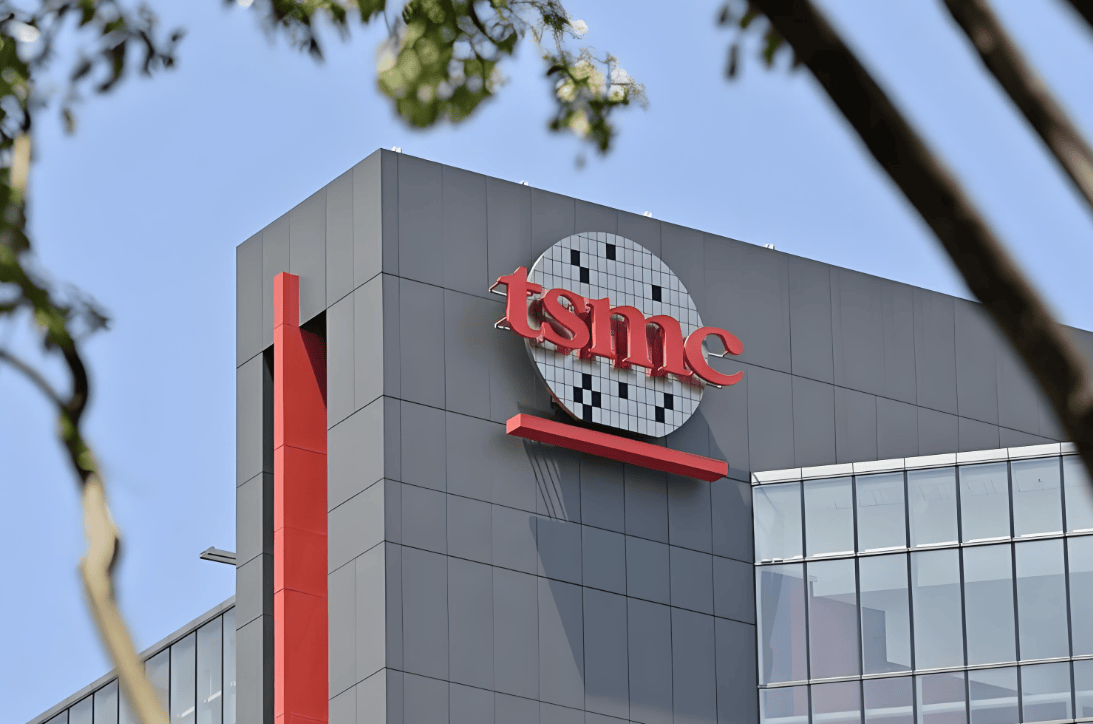
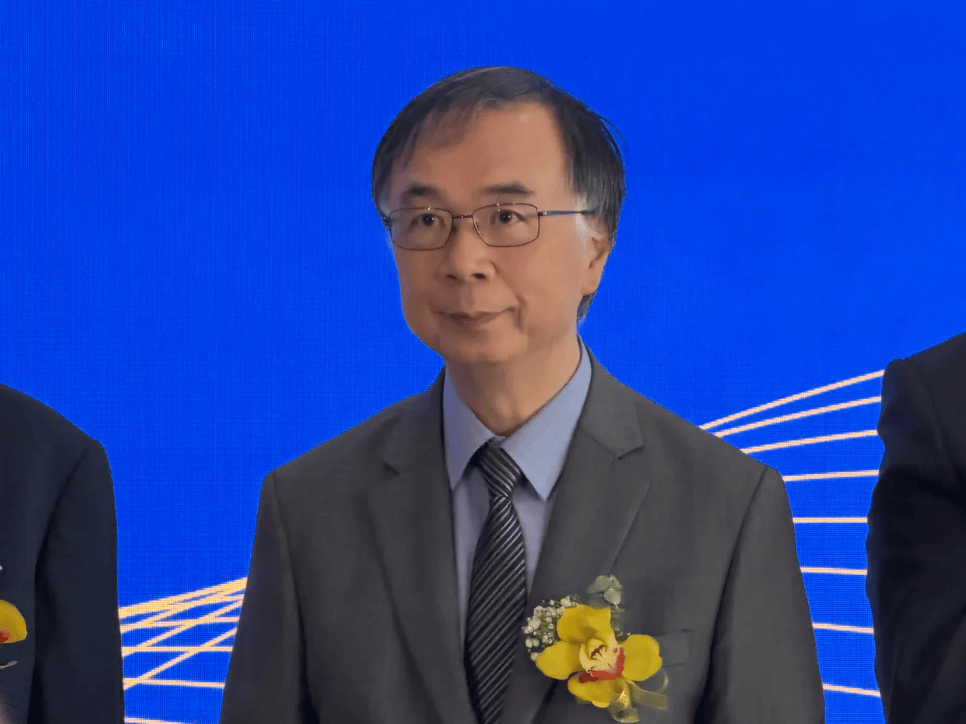
Regarding the TeraFab plan, Tesla's push to build its own chip fab, C.C. Wei made his first public response. Wei stated that both Intel and Tesla are TSMC's customers and competitors, with Intel being a formidable rival. However, there are no shortcuts in the foundry industry. Building a new wafer fab takes 2 to 3 years, followed by another 1 to 2 years for capacity ramp-up, which are the industry's fundamental rules. Wei added that TSMC is very confident in its technological position, will not deliberately choose or favor specific customers, and will continue to pursue all possible business opportunities.
The Tesla TeraFab project is accelerating. According to Cailian Press, Musk's team has engaged with chip industry suppliers, requesting expedited delivery of chip manufacturing equipment. Companies contacted include major equipment manufacturers such as Applied Materials, Tokyo Electron, and Lam Research. Musk's team demanded suppliers move at "light speed" to advance the project, aiming to commence chip manufacturing in 2029. Intel officially announced its participation in the TeraFab plan on April 7, collaborating with Tesla, SpaceX, and xAI. In a statement, Intel CEO Chen Lifu said that Intel's core capabilities in the scalable design, manufacturing, and packaging of ultra-high-performance chips will accelerate TeraFab's goal of achieving 1 terawatt of computing power output annually.
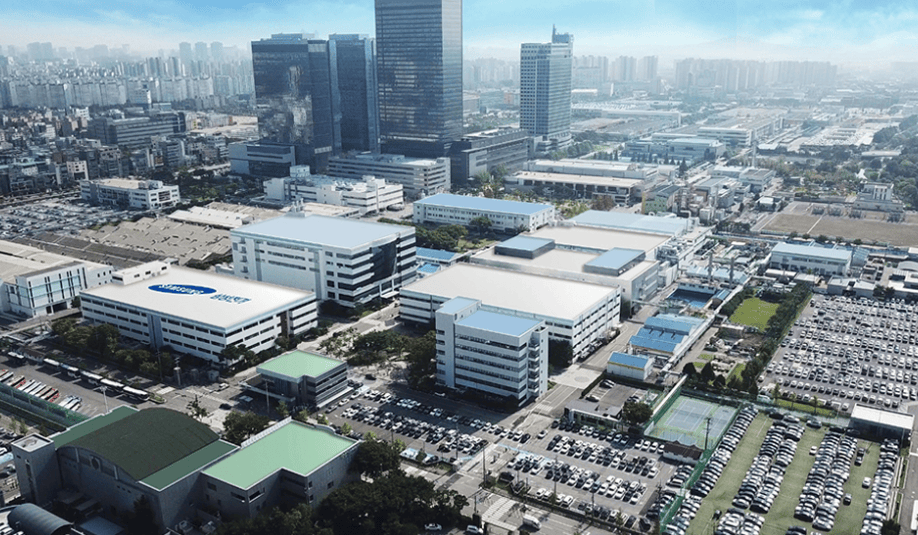
Samsung Electronics' wafer fab in Taylor, Texas, is also ramping up production for Tesla. According to Samsung Semiconductor's official announcement, Samsung received a temporary permit on February 8 to activate approximately 88,000 square feet of the Taylor facility ahead of schedule. Mass production is planned to begin in the second half of 2026, with the first products being Tesla's AI5 chips, followed by AI6 chip manufacturing tasks. The Samsung Taylor fab had previously confirmed receiving chip foundry orders worth $16.5 billion from Tesla, covering both AI5 and AI6 chips.
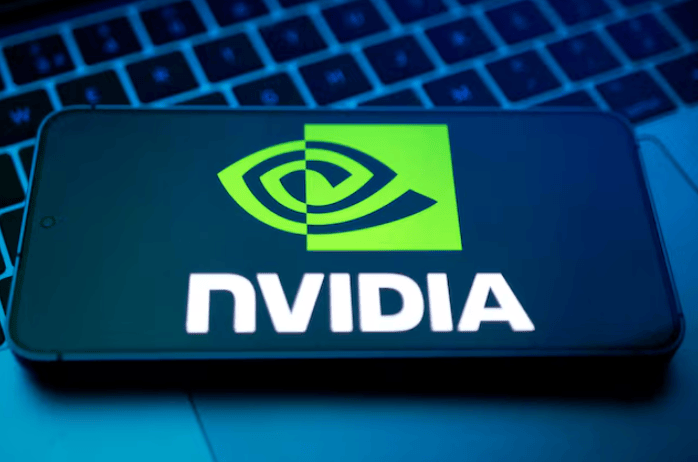
Regarding the cooperation between Samsung and NVIDIA in the LPU field, C.C. Wei also responded during the conference call. According to Yonhap News Agency, NVIDIA CEO Jensen Huang confirmed during the GTC 2026 keynote that Samsung Electronics is producing Groq 3 Language Processing Unit chips for NVIDIA. These chips will be integrated into NVIDIA's next-generation AI chip platform, Vera Rubin, with mass production expected in Q3 2026. When asked by an analyst whether TSMC had a chance to win back the order, Wei declined to comment on individual customers but revealed that TSMC is collaborating with customers on developing next-generation LPU products.
TSMC simultaneously updated its capacity expansion plans and capital expenditure guidance. The company expects full-year 2026 revenue growth in US dollars to exceed 30%, with Q2 revenue projected to be in the range of $39.0 billion to $40.2 billion. The 2026 capital budget is expected to be near the upper end of the $52.0 billion to $56.0 billion range. Total capital expenditure over the past three years reached $101 billion, and the scale of capital expenditure over the next three years is expected to be significantly higher than this level. Regarding projects under construction, the Tainan 3nm wafer fab is scheduled for production in the first half of 2027; the second fab in Arizona, USA, will adopt the 3nm process and is expected to begin mass production in the second half of 2027; the second fab in Japan will introduce the 3nm process and is expected to commence operations in 2028.
This article is compiled by Wedoany. All AI citations must indicate the source as "Wedoany". If there is any infringement or other issues, please notify us promptly, and we will modify or delete it accordingly. Email: news@wedoany.com
Related Products
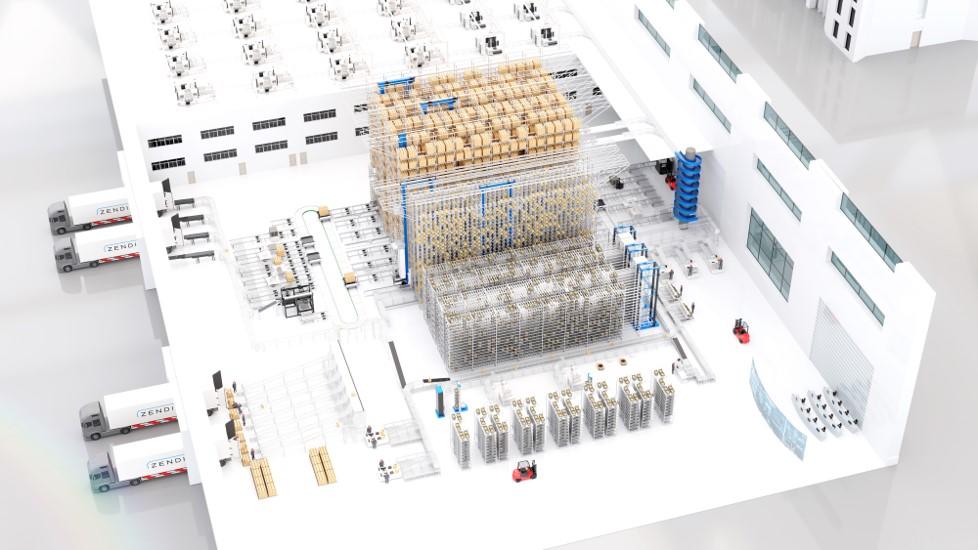

One-Stop Steward Service for the Entire Logistics System Integration Chain
Zhongding Intelligent (Wuxi) Technology Co., Ltd.
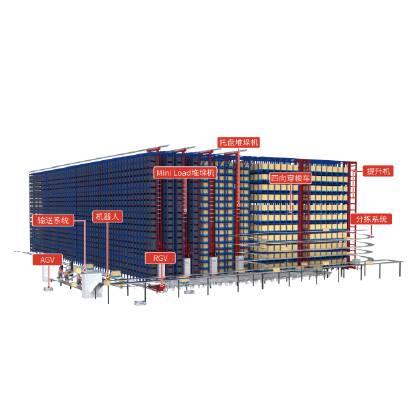

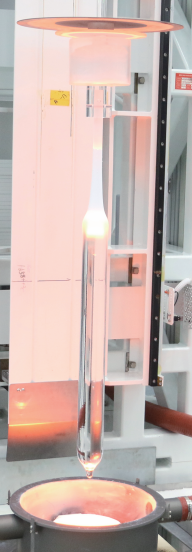
G.652.D Wavelength-extended Non-dispersion Shifted Single-mode Optical Fiber
HONGAN GROUP CO., LTD.
GYTA Type Non-Self-Supporting Aerial/Duct Optical Cable
TONGDING INTERCONNECTION INFORMATION CO., LTD.
Industrial and Commercial Point-Type Gas Detector
Jinan Benan Technology Development Co., Ltd.
MUX Series Communication Interface Device for Security and Stability Control System
Nanjing NR Electric Co., Ltd.