Rogers Communications Expands Starlink Mobile Satellite Roaming to the US for Canadian Users
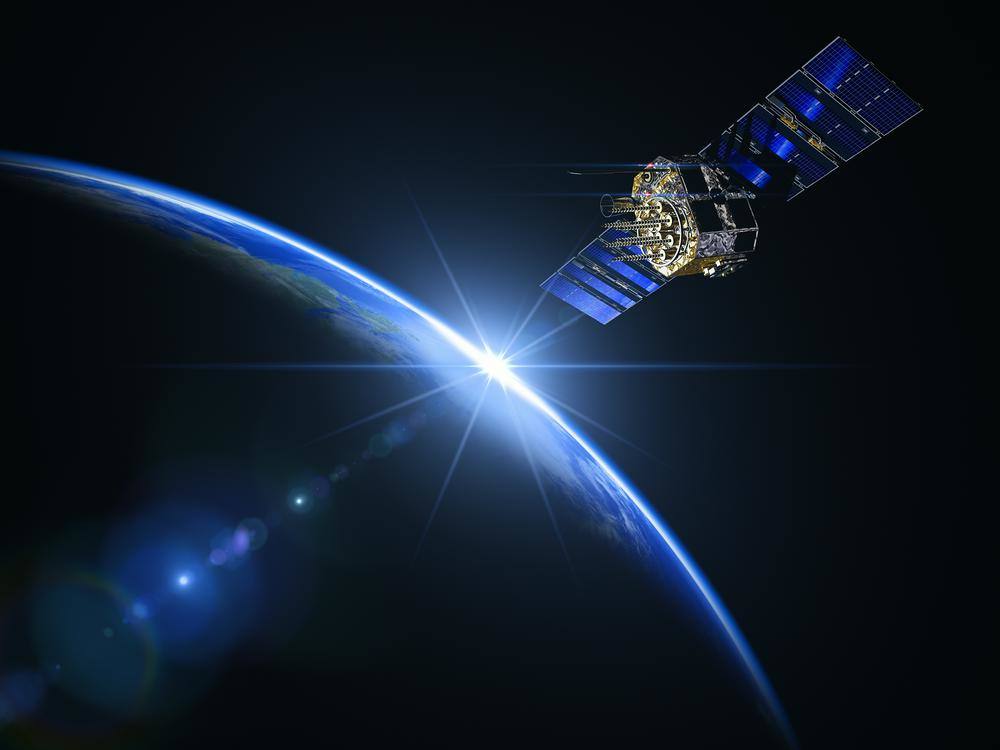
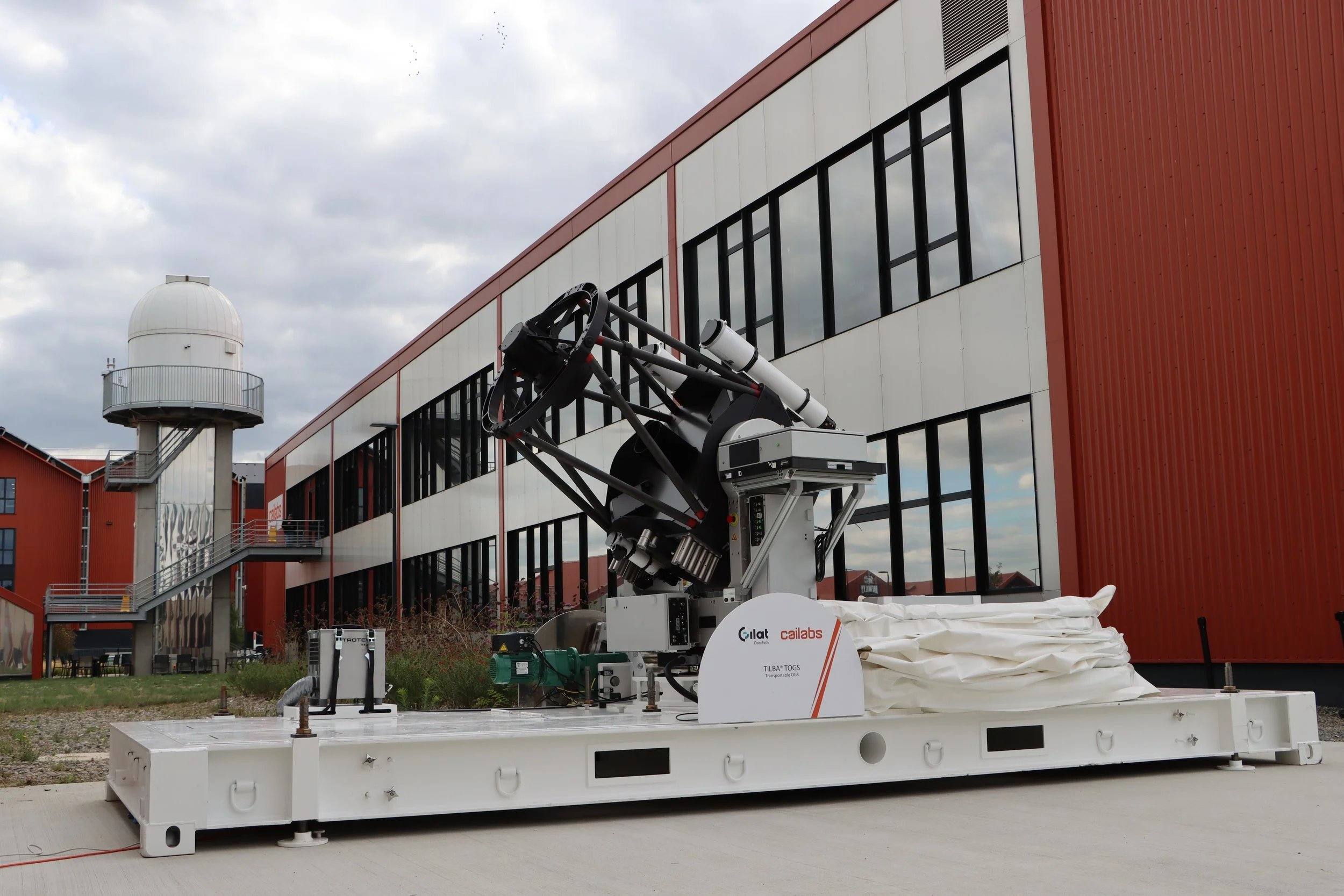
en.Wedoany.com Reported - On April 16, Canadian mobile operator Rogers Communications announced the expansion of its SpaceX Starlink-based satellite-to-phone service, Rogers Satellite, into the United States. Customers traveling south will now automatically connect to satellite service when entering cellular dead zones. In a statement, Rogers Chief Technology Officer Mark Kennedy said that by extending this satellite-to-mobile technology, customers can gain more coverage and achieve seamless roaming across the entire United States. The service utilizes SpaceX's low Earth orbit satellites and requires no special hardware; standard smartphones can automatically connect in areas beyond the reach of traditional cellular towers.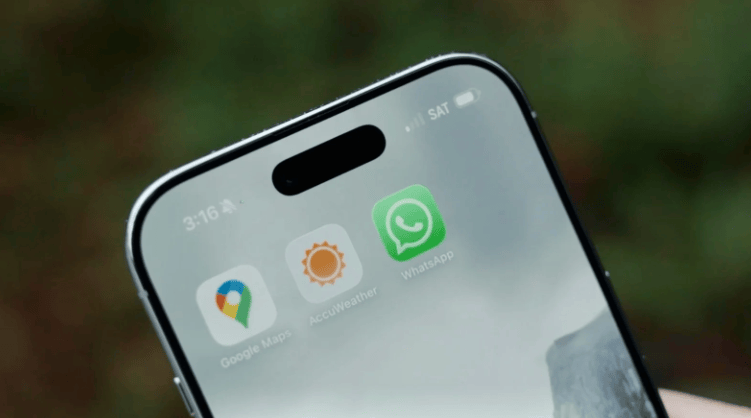
The technical implementation of this cross-border feature relies on Rogers' partnership with T-Mobile. Rogers Satellite integrates with T-Mobile's satellite-to-phone service, T-Satellite, deployed in the US, with both running on SpaceX's Starlink Mobile satellite constellation. When a Rogers customer's phone enters an area in the US without traditional cellular signal, the device automatically switches to T-Mobile's T-Satellite satellite network. Upon a successful connection, the T-Mobile SpaceX network identifier appears in the top right corner of the screen. Jeff Giard, Vice President of Business Development and Partner Marketing at T-Mobile, stated that T-Satellite's mission is to extend coverage to places that have never had cellular service, and the partnership with Rogers is bringing that same experience to travelers exploring areas beyond traditional network coverage. This expansion adds approximately 1.3 million square kilometers of satellite coverage for Rogers in the US. Combined with its existing coverage of about 6 million square kilometers south of 58° north latitude in Canada, this forms a satellite communication network spanning the North American continent.
Regarding pricing, Rogers Satellite's US satellite roaming service is already included in the Popular plan (C$65 per month with 175GB of data) and the Ultimate plan (C$85 per month with 250GB of data), both of which offer US coverage. Customers using the Roam Like Home service and those who purchase certain travel passes can also enjoy this service without additional charges. Non-Rogers customers can subscribe to Rogers Satellite independently for a monthly fee of C$15. Rogers initially launched its satellite-to-phone service in July 2025, supporting only SMS and text-to-911 emergency alerts. It has since gradually expanded application support and now covers apps such as WhatsApp, Facebook Messenger, Google Maps, AllTrails, AccuWeather, X, and CalTopo, allowing users to access navigation, communication, and weather information in areas without cellular networks. According to CTV News, Rogers plans to further add support for traditional voice calls and 911 voice services in the future.
This cross-border expansion of Rogers' satellite service is the latest example of the ongoing growth of the Starlink Mobile global partnership ecosystem. On March 2, 2026, SpaceX officially renamed its direct-to-cell service to Starlink Mobile, which is now available in 32 countries and regions across six continents, covering approximately 1.7 billion people. Japanese operator KDDI pioneered the international roaming service for au Starlink Direct in the US on March 4, 2026, becoming the first global case of cross-border satellite-to-phone connectivity. KDDI customers also automatically connect to T-Mobile's T-Satellite network in US cellular dead zones, supporting voice calls on apps like WhatsApp and Messenger, with the roaming service provided free to existing subscribers. Compared to the free satellite messaging feature built into Apple iPhones, SpaceX's solution stands out for its ability to provide data support for specific mobile applications, including use cases like WhatsApp video calls and Google Maps navigation.
SpaceX is advancing generational upgrades to its Starlink Mobile satellite technology. According to SpaceX President and Chief Operating Officer Gwynne Shotwell's remarks at the 2026 Mobile World Congress in Barcelona, Starlink Mobile has deployed 650 first-generation V1 satellites, completing the network in 18 months. It currently supports 16 million unique users and 10 million monthly active users. The next-generation V2 satellites feature phased array antennas five times larger than the previous generation, offering approximately 100 times greater data density, 20 times improved link performance, and per-satellite download capacity exceeding 100 Gbps and upload capacity exceeding 50 Gbps. Under ideal conditions, V2 satellites can provide peak download speeds of up to 150 Mbps per user. SpaceX plans to launch up to 15,000 V2 satellites, with mass deployment using Starship expected to begin in mid-2027, with each launch capable of carrying over 50 satellites. For T-Mobile customers, Starlink Mobile access is primarily offered as a paid add-on, included as a free benefit in the highest-tier plan. Non-T-Mobile users can also activate the service at retail stores or by calling customer service.
This article is compiled by Wedoany. All AI citations must indicate the source as "Wedoany". If there is any infringement or other issues, please notify us promptly, and we will modify or delete it accordingly. Email: news@wedoany.com
Related Products

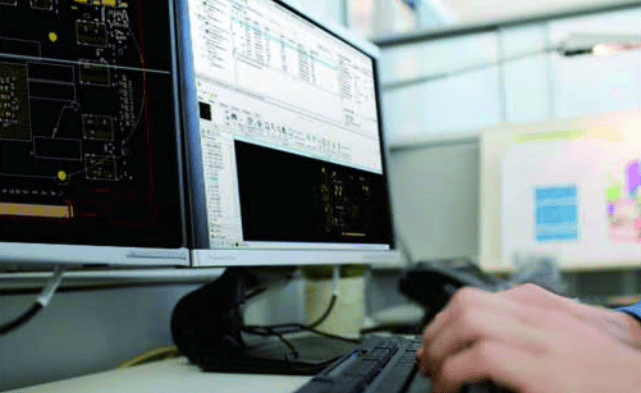

G.652.D Wavelength-extended Non-dispersion Shifted Single-mode Optical Fiber
HONGAN GROUP CO., LTD.

Conveyor Belt Intelligent Monitoring System
LUO YANG WIRE ROPE INSPECTION TECHNOLOGY CO., LTD.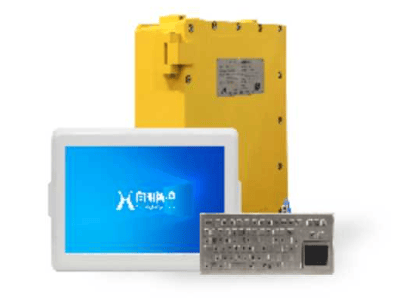
KJD127(A) Mining Explosion-Proof and Intrinsically Safe Computer
Taiyuan Xiangming Intelligent Control Technology Co., Ltd.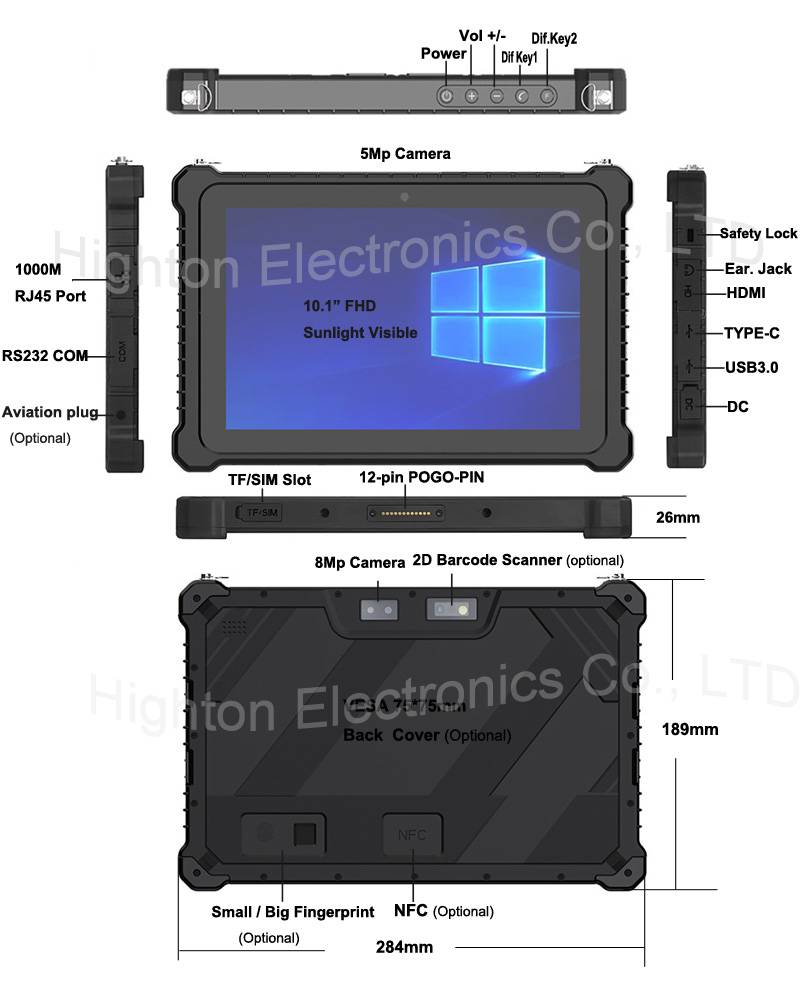
Hot Selling 10 Inch Intel N5100 I5 I7 FHD 8 +128GB 16+256GB Win10 Pro Win11 Pro 4G 5G Rugged Tablet PC Pad with NFC Barcode
Highton Electronics Co., Ltd.