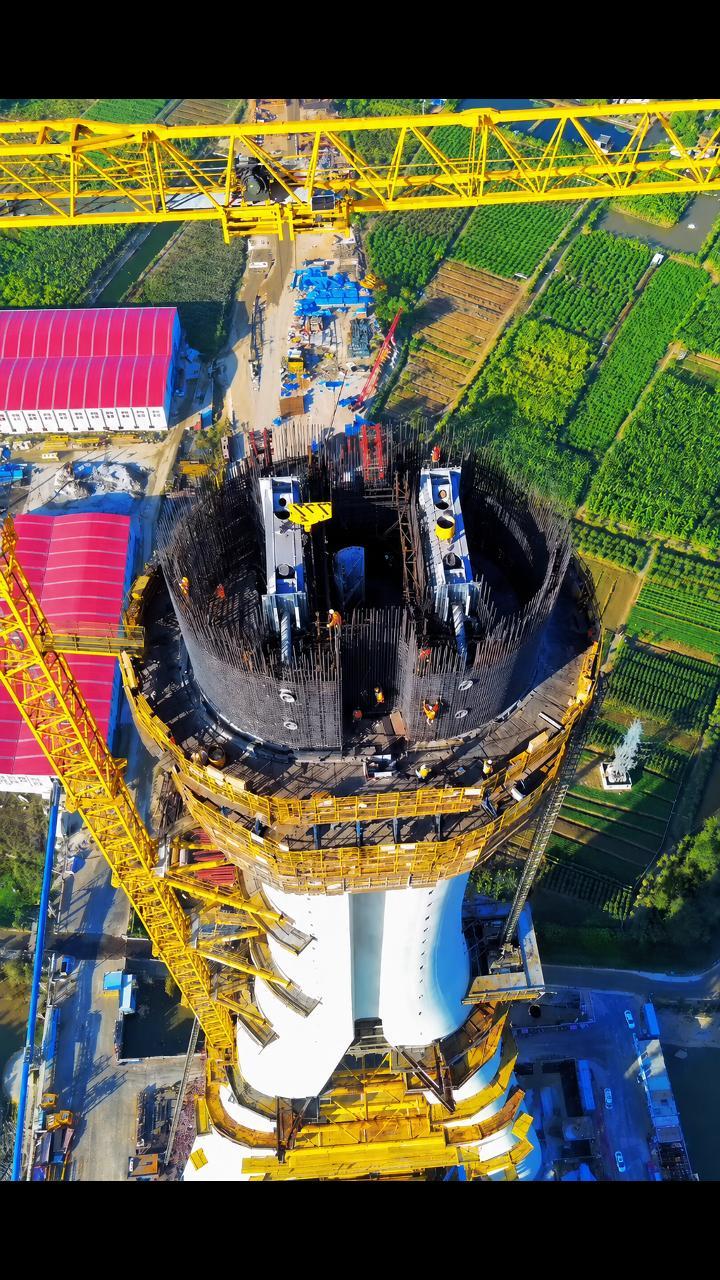
Main Section of China's Xinjiang Kuytun-Dushanzi-Kuqa Expressway Fully Commences Construction with Total Investment of 71.8 Billion Yuan
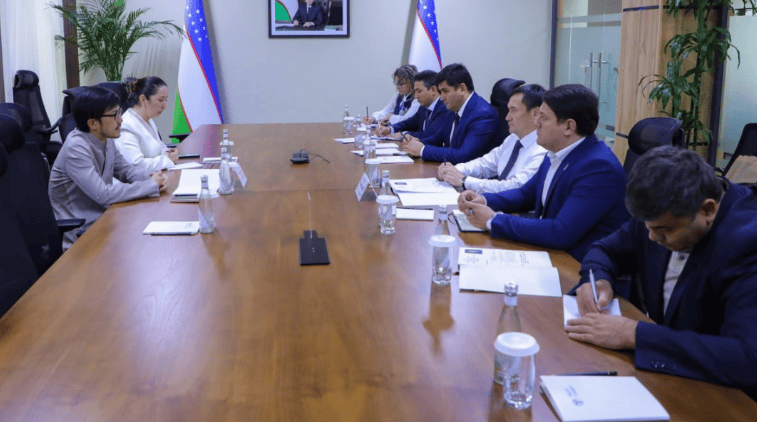
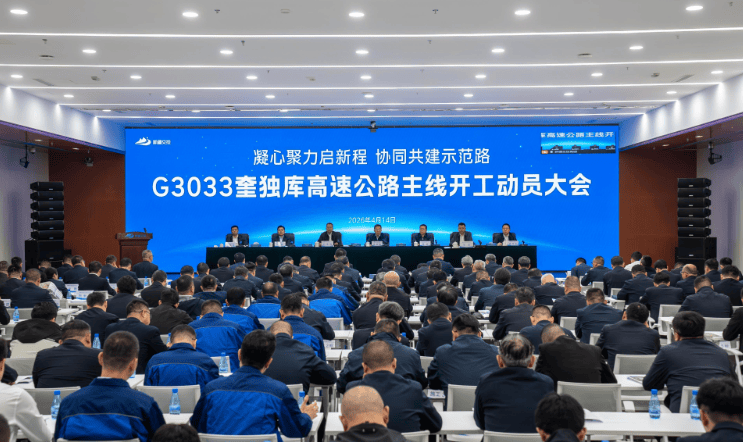
en.Wedoany.com Reported - On April 14, the mobilization meeting for the commencement of the main section of the G3033 Kuytun-Dushanzi-Kuqa Expressway was held in Urumqi, Xinjiang Uygur Autonomous Region, China, marking the official entry of this national and autonomous region-level key highway project into the comprehensive construction phase of its main section.
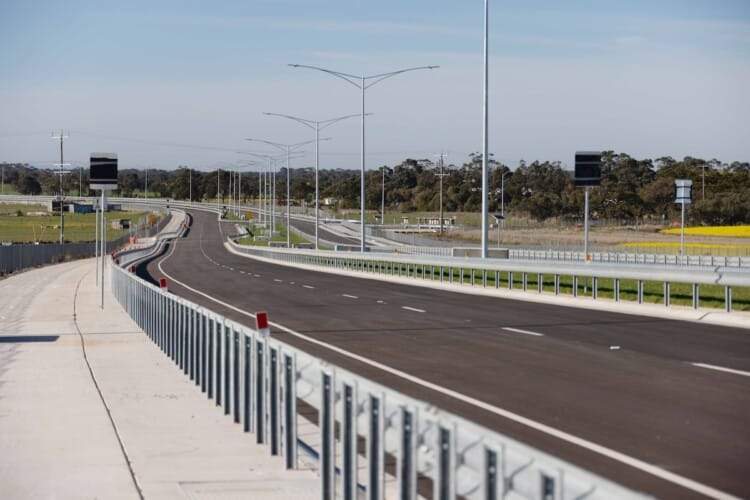
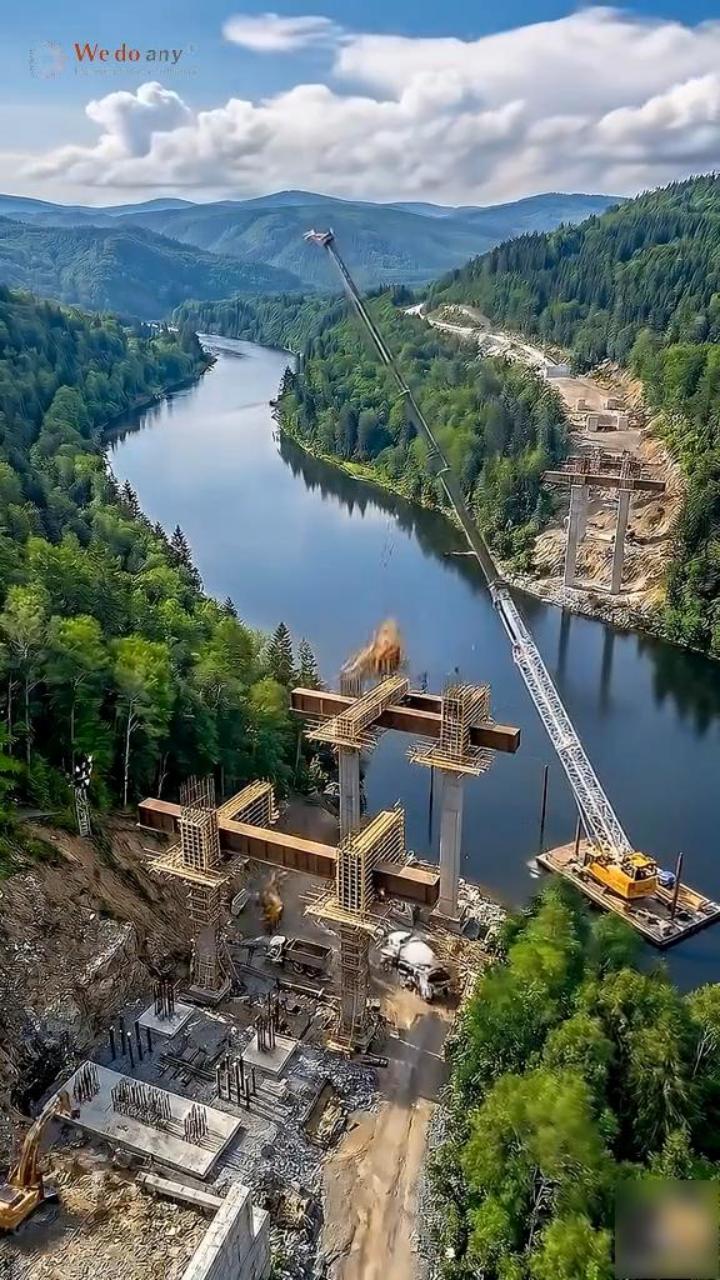
The Kuytun-Dushanzi-Kuqa Expressway is an important component of the national highway network and a key project in Xinjiang's "Four Axes, Four Corridors, and Sixteen Links" backbone transportation corridor system. It has been included in Xinjiang's "15th Five-Year Plan" key transportation planning. The expressway project has a total length of 393 kilometers, with an estimated total investment of 71.8 billion yuan and a construction period of 7 years. It will be built according to the standard of a dual four-lane expressway. The route starts at Kuytun City, connecting to the G30 Lianyungang-Khorgos Expressway, and ends at Kuqa City, connecting to the G0712 Turpan-Hotan Expressway. It passes through 5 prefectures and 7 counties/cities including Kuytun, Dushanzi, Usu, Xinyuan, Nileke, Hejing, and Kuqa. The total length of tunnels along the entire route is 128 kilometers, and the total length of bridges is 56 kilometers, resulting in a bridge-tunnel ratio of 48%.
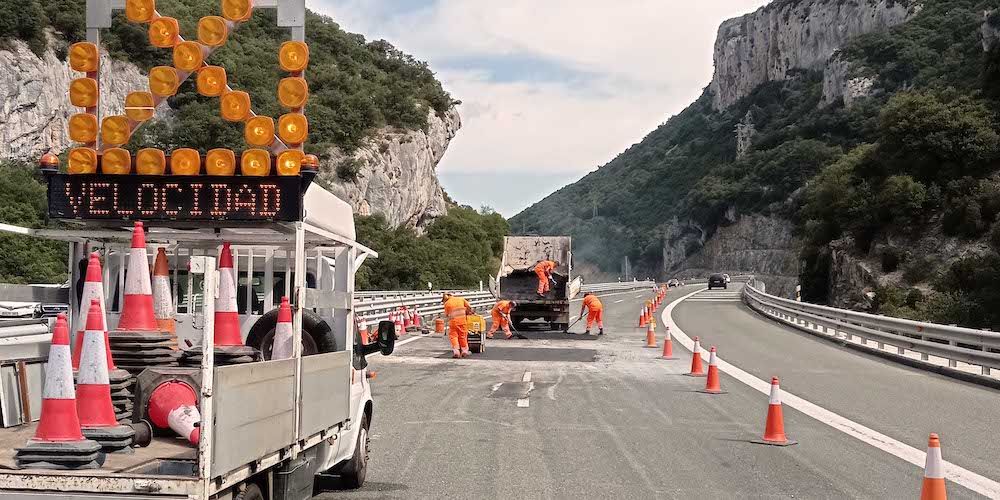
Yiliyaer Alimu, Deputy Party Secretary and General Manager of Xinjiang Communications Investment Group Duku Expressway Investment Development Co., Ltd., stated: "The project plans to complete 11 billion yuan in fixed asset investment in 2026. The tasks have already been decomposed to various sections and work zones. The core攻坚目标 for this year is to achieve full tunnel entry construction for all tunnels of 5 kilometers and above before winter. The focus will be on advancing critical node projects such as the two 15-kilometer-class tunnels in the North Tianshan Mountains, one 10-kilometer-class tunnel in the South Tianshan Mountains, the 35-kilometer bridge-tunnel cluster in the Kuytun River Valley, the Gongnaisi cable-stayed bridge and its bridge-tunnel cluster, to create conditions for continuous construction inside the tunnels during winter."
Currently, the construction drawing design for the main civil engineering works of this expressway project has been fully approved. Supporting procedures for land use, flood passage, environmental access, and other essential elements are being successively completed. The bidding for construction and supervision units along the entire route has been finished. With the approval of land use procedures expected by the end of April, the project will fully enter the large-scale construction phase. Upon completion, the Kuytun-Dushanzi-Kuqa Expressway will enable all-weather, year-round passage. Together with the existing Dushanzi-Kuqa Highway, it will form a dual-channel pattern for "fast access and slow tourism," significantly shortening transportation time between northern and southern Xinjiang.
This article is compiled by Wedoany. All AI citations must indicate the source as "Wedoany". If there is any infringement or other issues, please notify us promptly, and we will modify or delete it accordingly. Email: news@wedoany.com
Related Products
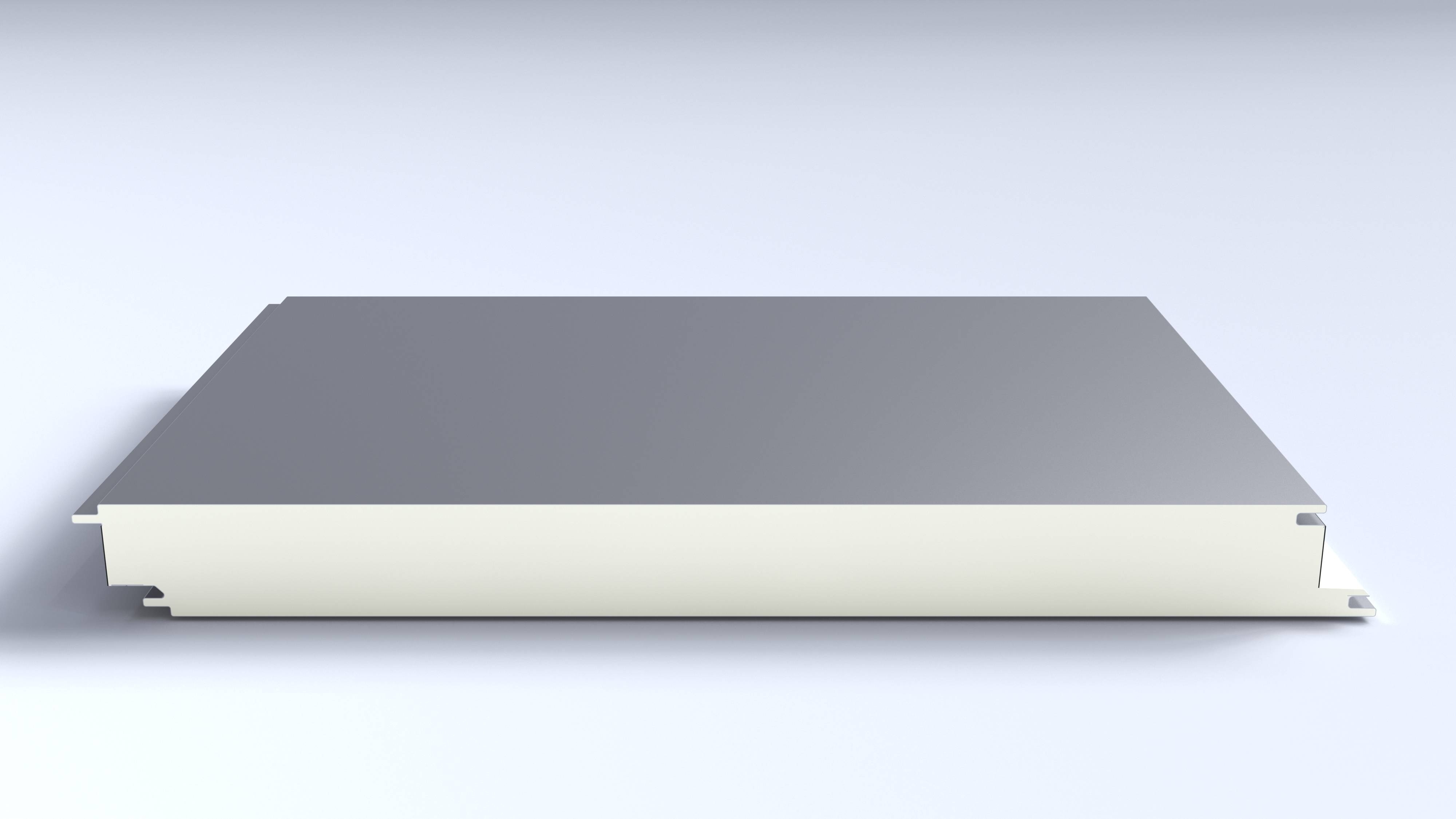

Pure Polyurethane Wall Panel BD-AEF-PIR-01
Baodu International Engineering Technology Co., Ltd.
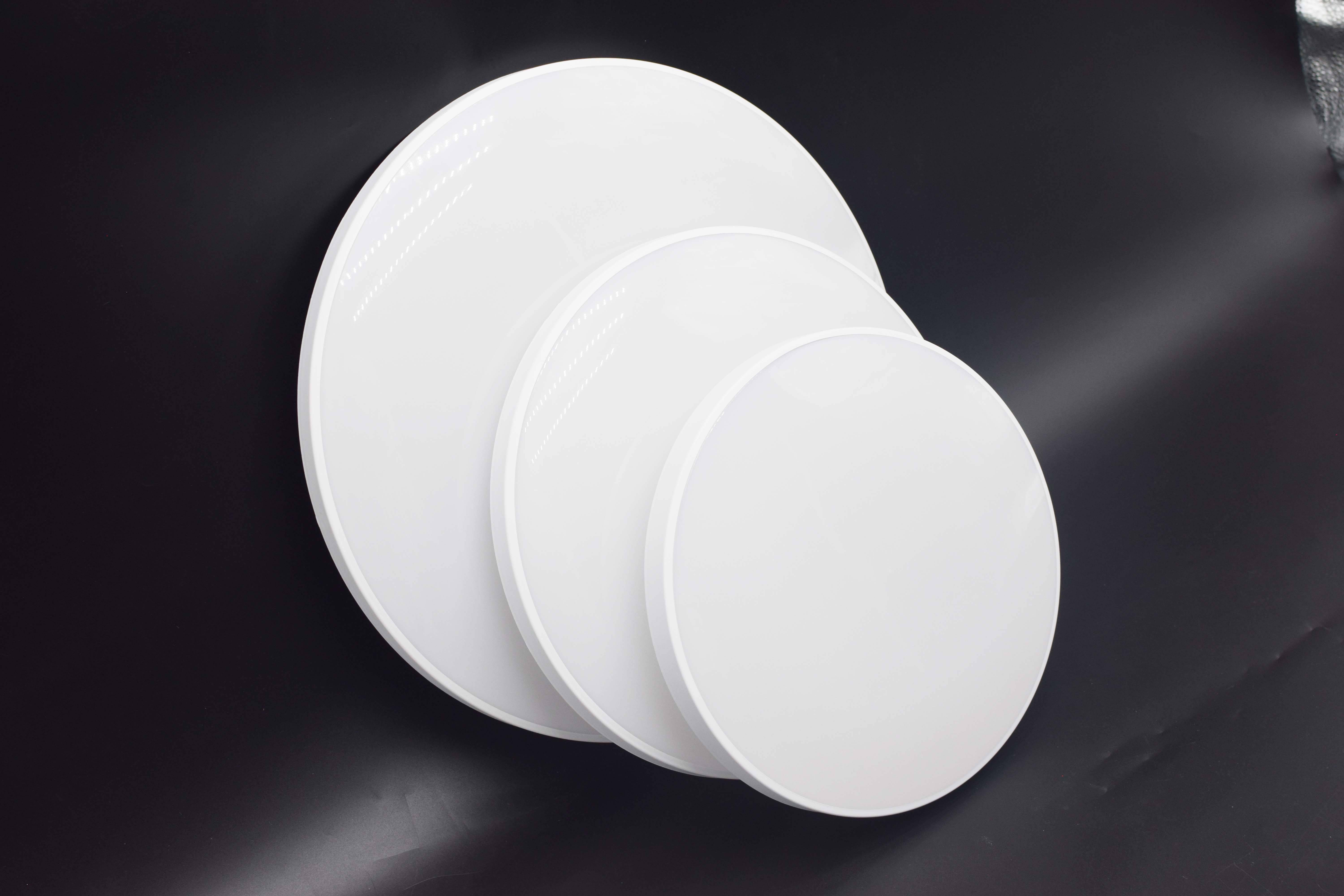
Ceiling light | led Ceiling Light | LED Indoor light | LED Ceiling lighting
Queendom Group Technology Co., Ltd.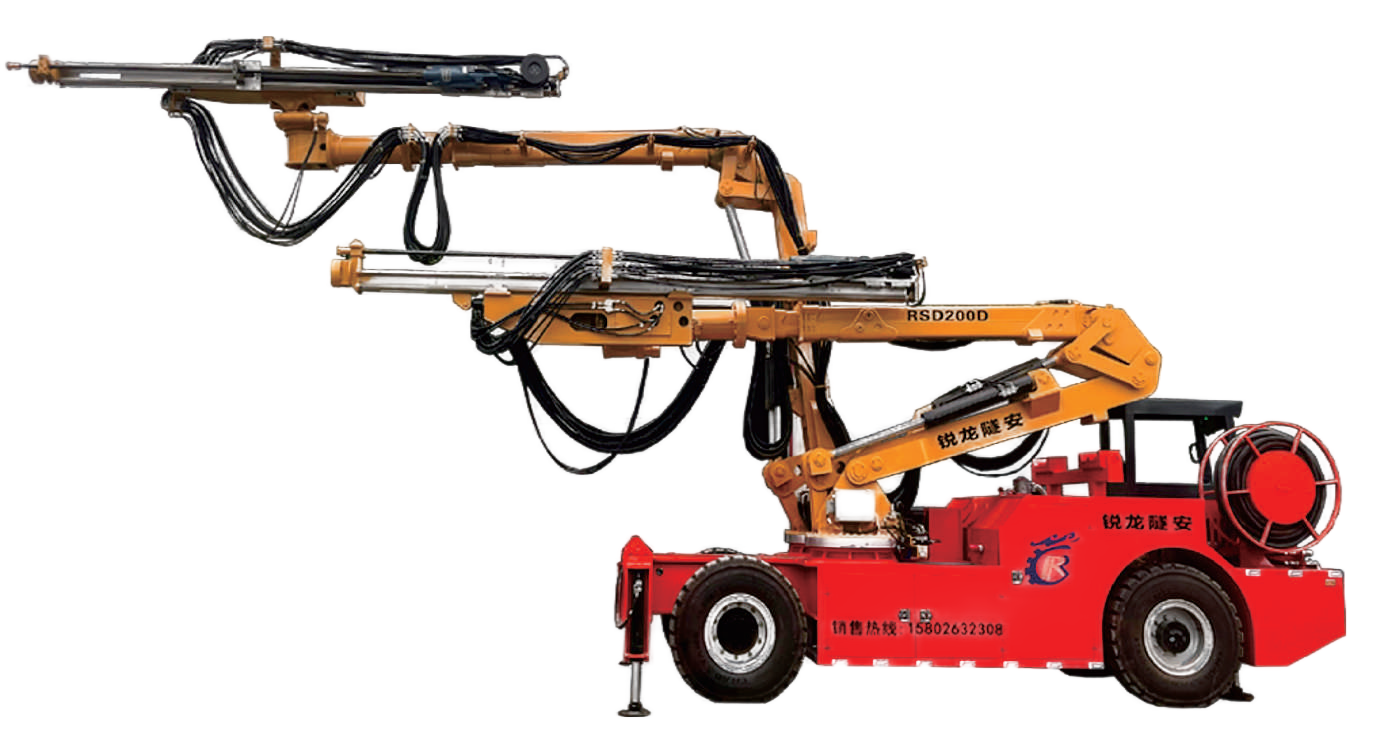
Dual-curved Arm Rock Drilling Trolley RSD200D
Chengdu Ruilong Machinery Manufacturing Co., Ltd.
Acoustic Mineral Fiber Ceiling Tile 595x595x12mm
Shanxi Pano Trading Co., Ltd
Industrial and Commercial Point-Type Gas Detector
Jinan Benan Technology Development Co., Ltd.
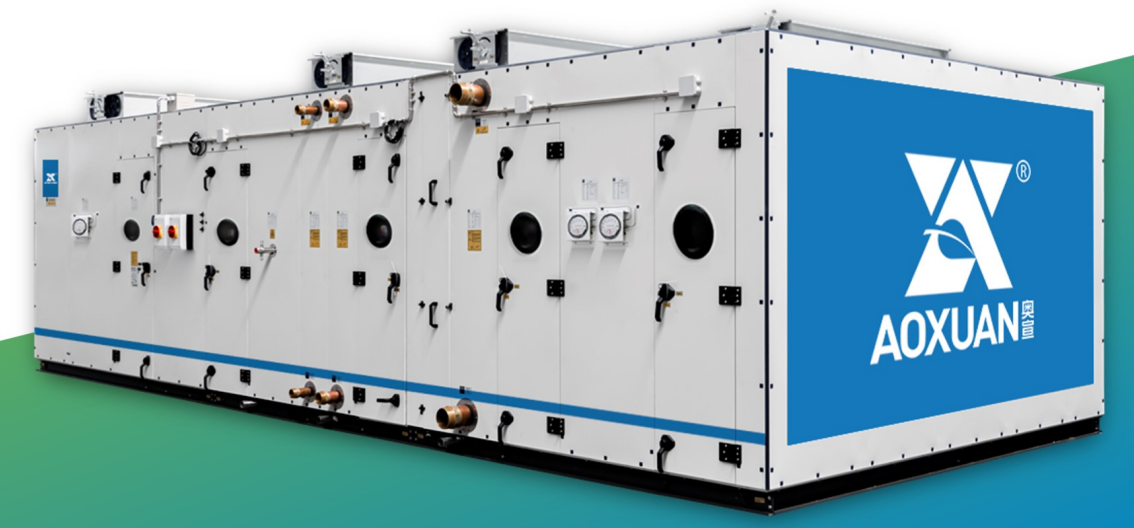
Aoxuan Intelligent Precision Air Conditioning Unit
SHANGHAI AOXUAN PURIFICATION TECHNOLOGY CO., LTD.
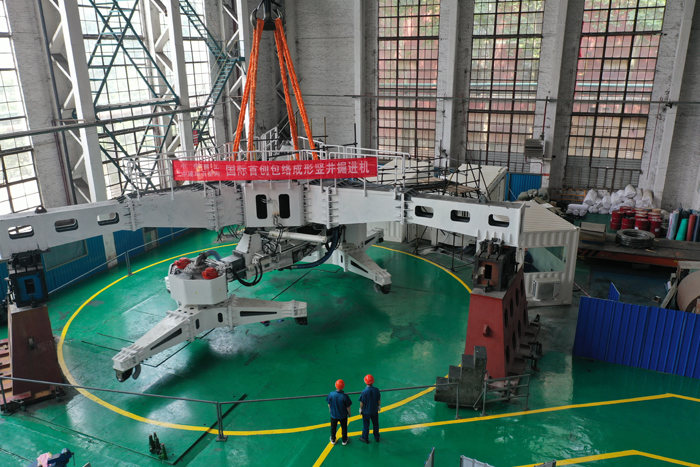
CITIC Heavy Industries Tunneling Equipment Tunnel Engineering Shield Machine
CITIC Heavy Industries Co., Ltd.