UCLA Study: Copper-Based Single-Atom Alloy Catalyst Enhances Propylene Production Efficiency
en.Wedoany.com Reported - Researchers from the Samueli School of Engineering at UCLA have discovered that a novel copper-based single-atom alloy catalyst holds promise for optimizing the propylene production process, reducing energy consumption and operational costs. Propylene is a key feedstock for making polypropylene plastics. Current industrial methods are energy-intensive and catalysts are prone to degradation.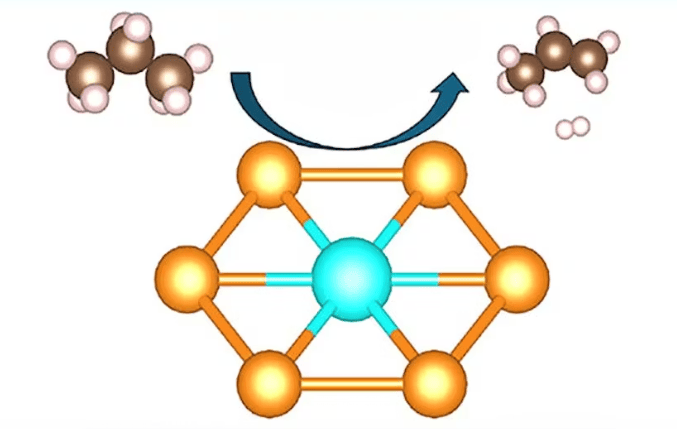
In a study published in the journal *Chem Catalysis*, Philippe Sautet and his team used computational modeling to design an alternative catalyst based on single-atom alloys. This material can improve the efficiency of propane dehydrogenation, reduce energy requirements, and inhibit carbon accumulation, thereby preventing process interruptions.
The researchers simulated structures where isolated atoms of hafnium or iridium were embedded in a copper-based alloy. The results showed their catalytic activity outperformed traditional platinum catalysts. Simulation analysis indicated that isolated metal atoms allow for more precise control over the activation of hydrogen-carbon bonds in propane, enhancing propylene selectivity.
Philippe Sautet stated, "Replacing platinum with these materials could enable more efficient production of propylene and hydrogen, while limiting coke formation."
The single-atom alloy structure, by dispersing small amounts of active metal on a copper surface, reduces side reactions and enhances process stability. Sautet explained, "These copper-based single-atom alloys work because of their structure. There is enough active metal to carry out the reaction, but not so much that it creates waste or unwanted byproducts."
These findings are based on computational predictions and require further experimental validation before industrial application. The study notes that past experiments have observed high selectivity in similar catalyst systems, supporting the feasibility of this approach, but scalability still needs to be assessed.
This article is compiled by Wedoany. All AI citations must indicate the source as "Wedoany". If there is any infringement or other issues, please notify us promptly, and we will modify or delete it accordingly. Email: news@wedoany.com
Related Products



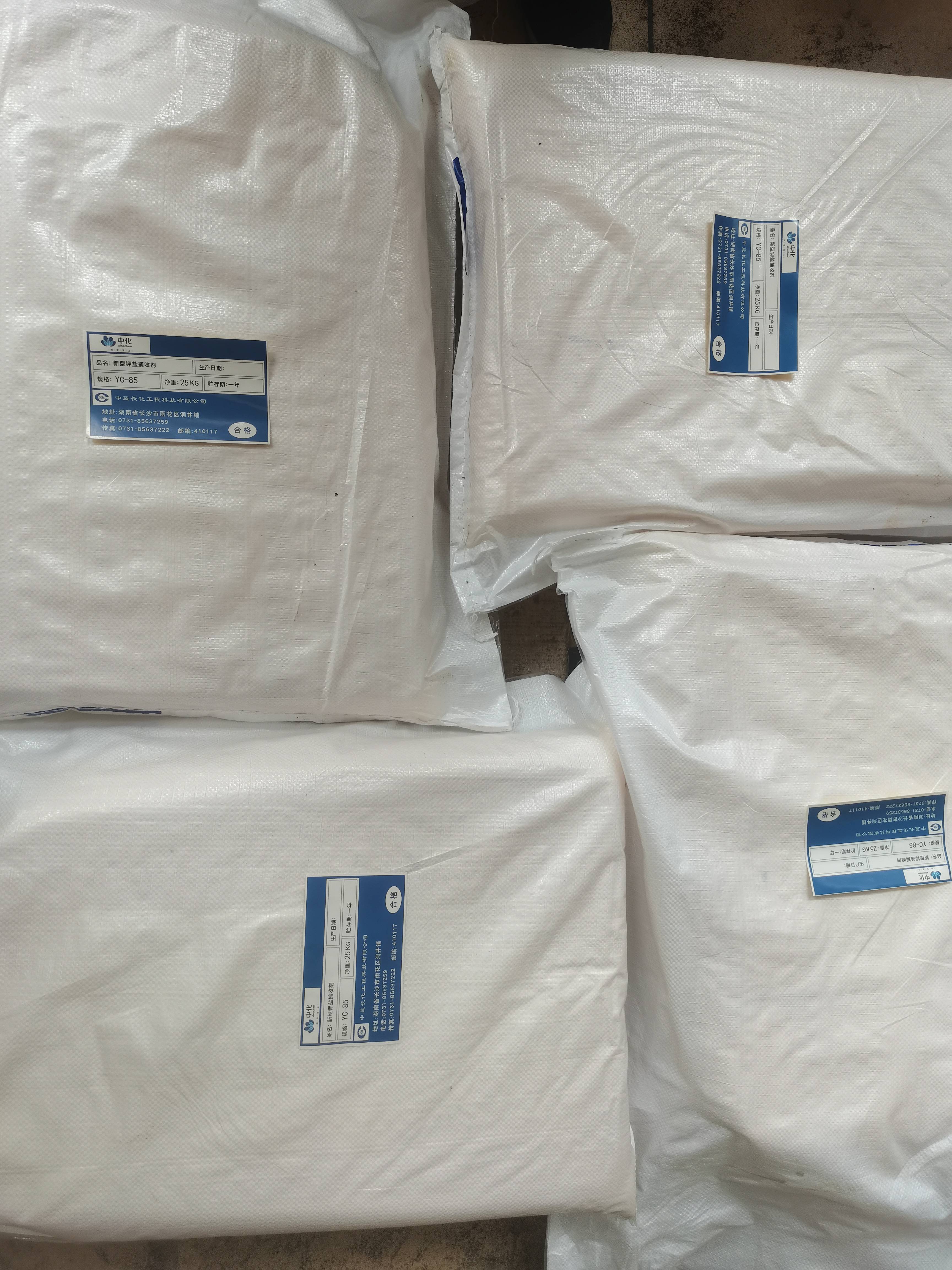
New Environmentally Friendly Green Potassium Salt Collector
Chonfar Engineering and Technology Co., Ltd.

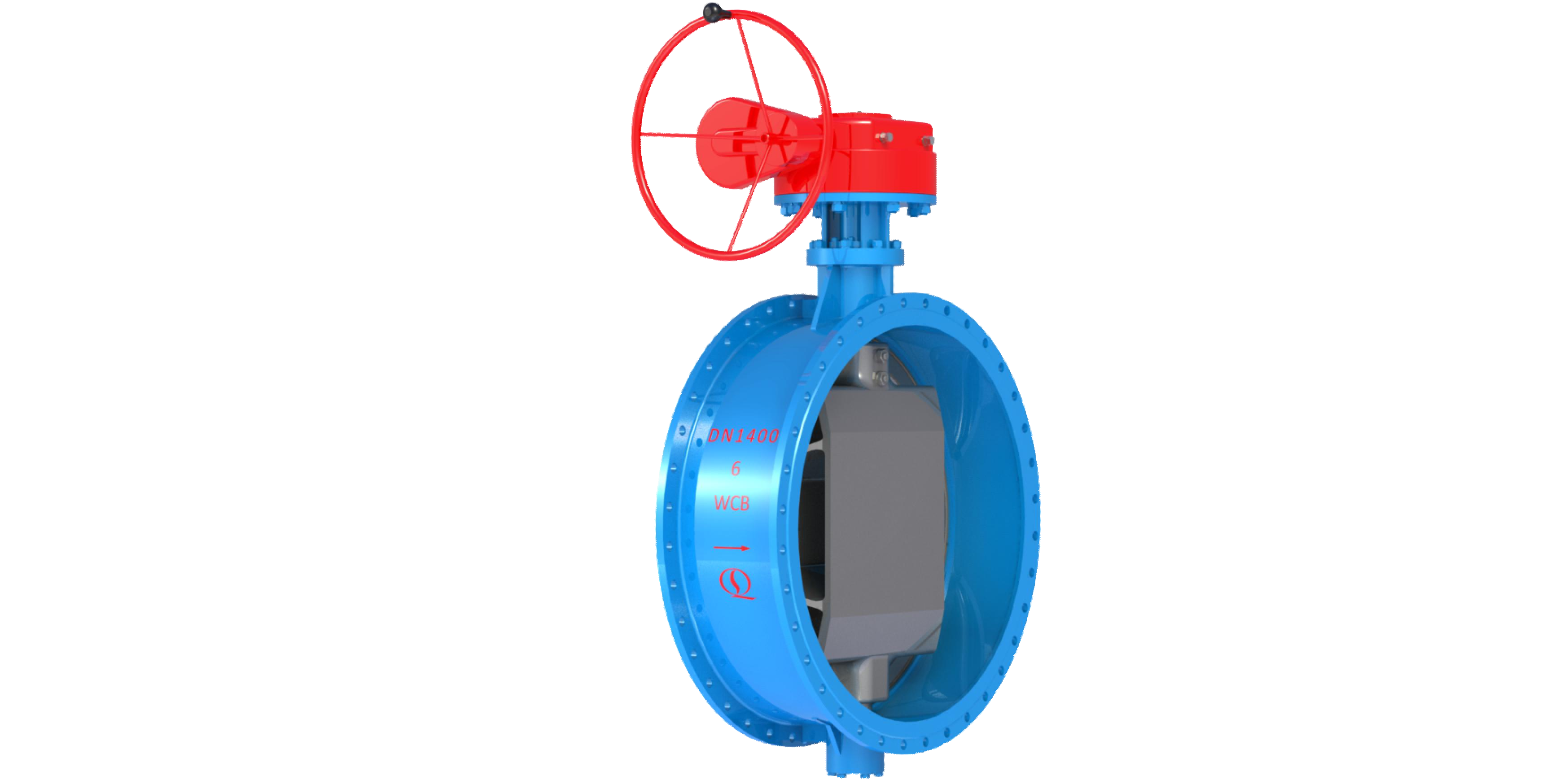
Bidirectional Metal Hard Sealed Seawater Butterfly Valve
Henan Quanshun Flow Control Science & Technology Co., Ltd.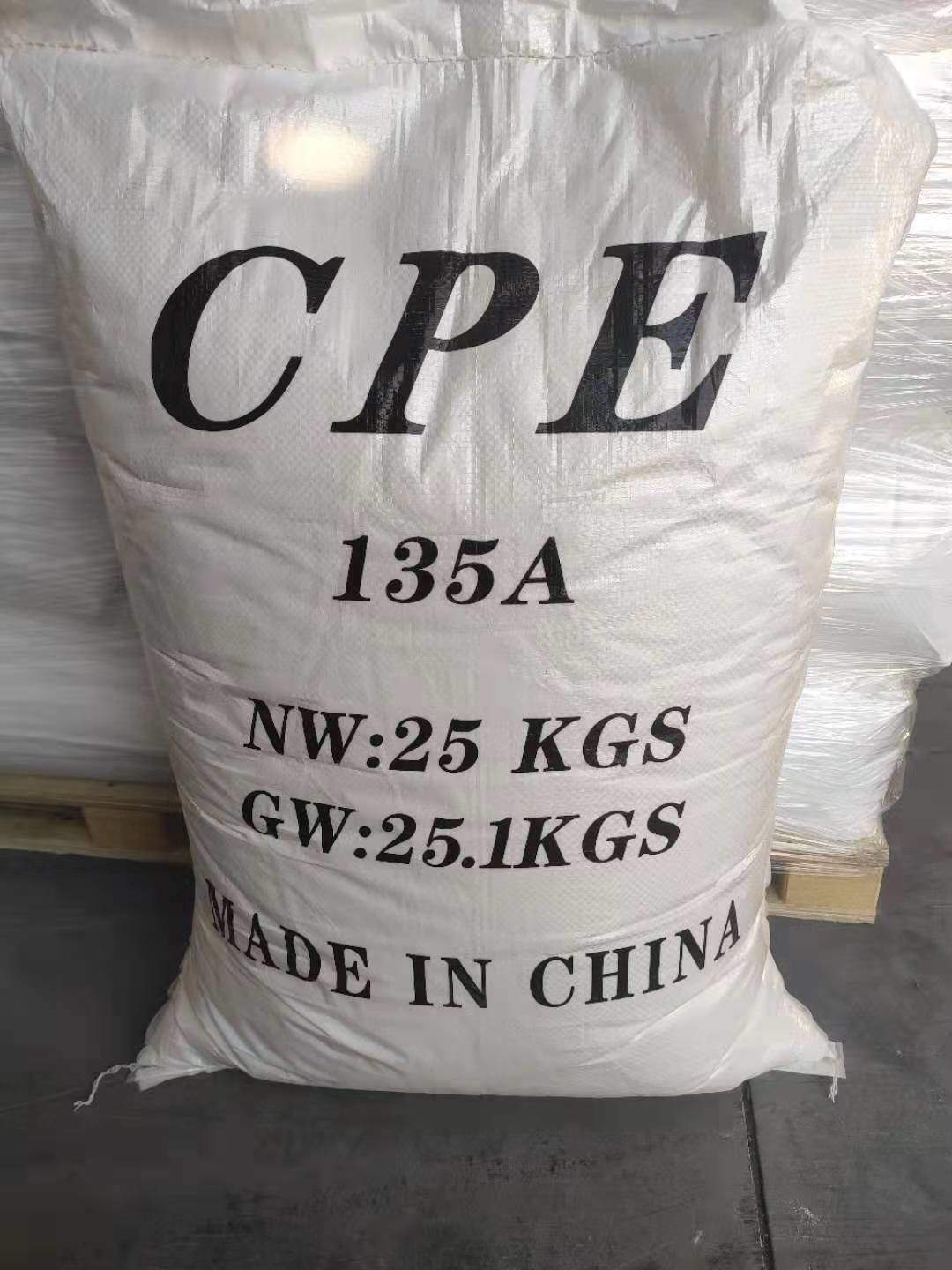
PVC Impact-Modified Chlorinated Polyethylene
Gansu Jinchuan Hengxin Polymer Technology Co., Ltd.
High Thermal Conductivity Encapsulating Resin
Nantong BESALL Sealing Technology Company.,Limited
Hongxing Steel Chemical Pressure Vessel Steel Plate
Gansu JISCO Group Hongxing Iron and Steel Co., Ltd.

CAP1400 main feedwater flow nozzle flowmeter.
Jiangsu Hongda Instrument Technology Co., LTD.